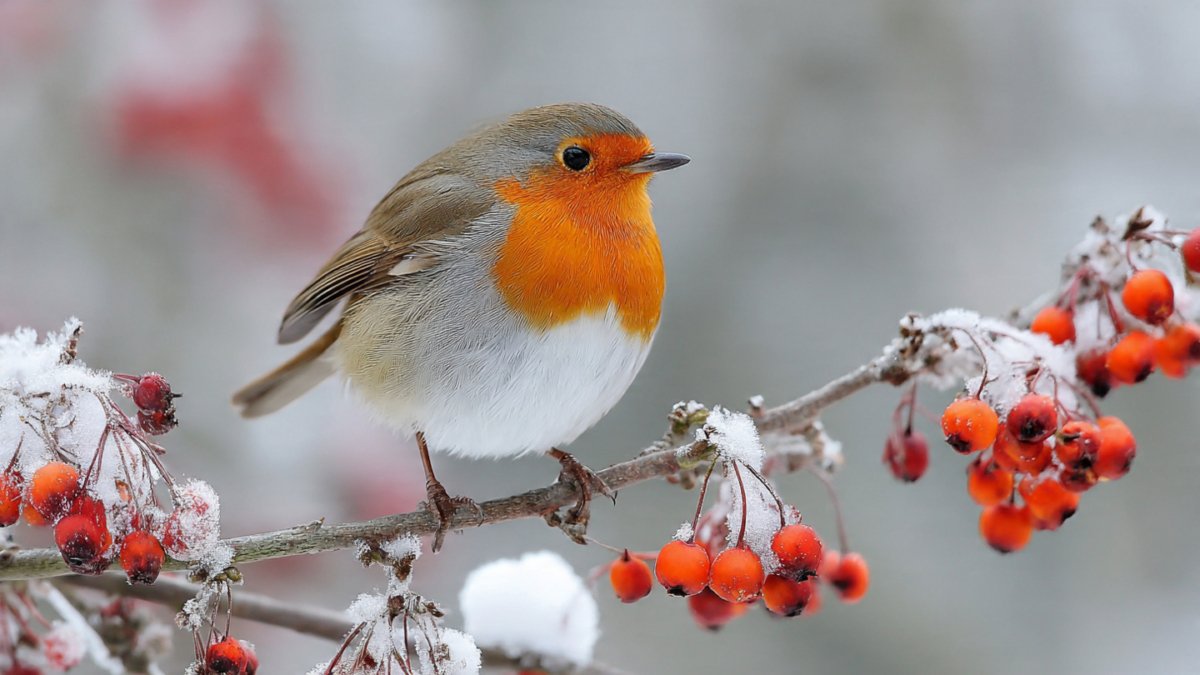
Winter can be a challenging season for backyard birds. Cold temperatures, snow-covered ground, and limited natural food sources mean that many species must work harder to find sustenance. Among these winter visitors, the American robin is a familiar and beloved presence in gardens across North America and parts of Europe. While robins are often associated with spring and their bright red breasts peeking through budding trees, they rely heavily on certain food sources during the colder months to survive. Birdwatchers and wildlife experts agree that there is one winter fruit that consistently keeps robins returning to your garden: the bright, nutrient-rich holly berries.
Why Robins Need Extra Food in Winter
During winter, robins face a critical challenge: maintaining their energy reserves. Unlike summer, when insects, worms, and soft fruits are abundant, winter brings scarcity. Cold nights increase their metabolic demands, and limited sunlight reduces the availability of invertebrates. To survive, robins turn to alternative food sources, primarily fruits and berries that provide the carbohydrates, sugars, and nutrients needed for energy and warmth.
Providing winter foods in your garden not only supports robins but also encourages regular visits, allowing birdwatchers to enjoy their presence even during the coldest months. Gardeners can play a crucial role by offering reliable food sources, safe perching spots, and protection from predators.
The Star of Winter: Holly Berries
Holly (Ilex spp.) is a classic winter shrub known for its glossy green leaves and vibrant red berries. Birdwatchers and ornithologists consistently report that holly berries are a favorite of robins during the winter months. There are several reasons why this fruit is so appealing:

- High Energy Content
Holly berries are rich in simple sugars, which provide a quick and efficient energy source for robins. This is essential during winter when birds must expend extra calories to maintain their body heat. - Availability During Scarce Months
Unlike other fruits that are consumed earlier in the season, holly berries often persist on the shrub throughout late fall and winter. This makes them a dependable food source when other options are limited. - Bright Color for Easy Spotting
The vivid red of holly berries is highly visible against snow-covered landscapes. Robins have excellent color vision, allowing them to quickly identify these energy-rich fruits even from a distance. - Low Competition
While some birds also enjoy holly berries, the fruit is often too bitter or toxic for certain species, which reduces competition. This gives robins better access to a steady supply of food.
How Robins Feed on Holly Berries
Robins are primarily frugivorous during the winter, meaning they eat a variety of fruits. They pluck berries from shrubs and swallow them whole, allowing the seeds to pass through their digestive system. This process also benefits the plants by aiding seed dispersal, creating a natural synergy between wildlife and flora.
When offering holly berries in your garden, it’s important to ensure that the plants are safe and pesticide-free. Wild or organically grown holly provides the healthiest option for robins. Additionally, maintaining a mix of berry-bearing shrubs can diversify the robins’ diet, ensuring they receive a range of nutrients.
Other Winter Fruits That Attract Robins
While holly berries are the top choice, robins are also drawn to several other winter fruits. These include:
- Cranberries: Tart and high in sugar, cranberries can be offered fresh or dried. They provide an additional energy boost.
- Hawthorn berries: Small and persistent, hawthorn fruits are often favored by robins when holly is less available.
- Winterberry (Ilex verticillata): A relative of traditional holly, winterberry produces bright berries that remain on the shrub long into winter.
- Juniper berries: These are especially popular in northern regions, though they are smaller and may be supplemented with other fruits.
Providing a variety of fruits ensures that robins have access to multiple food sources, improving their resilience during harsh winters.

Placement and Garden Setup for Robin-Friendly Feeding
Attracting robins to your garden requires more than just planting holly. Placement, safety, and accessibility play a key role in encouraging regular visits.
- Strategic Placement of Berry-Bearing Shrubs
Plant shrubs like holly or winterberry near trees or other perches. Robins prefer feeding from a safe vantage point where they can watch for predators. A mix of dense shrubs and open spaces offers both protection and easy access. - Consistency Is Key
Birds are creatures of habit. Once they discover a reliable food source, they will return regularly. Avoid removing berry-bearing plants mid-season, as this could force robins to seek food elsewhere. - Provide Water Sources
Even during winter, robins need water for drinking and bathing. A heated birdbath or a shallow, unfrozen water dish encourages longer stays and repeated visits. - Avoid Chemicals
Pesticides, herbicides, and fertilizers can harm birds and contaminate the berries. Organic or chemical-free gardening practices ensure the safety and health of your feathered visitors. - Create Shelter and Perching Options
In addition to feeding, robins seek shelter from harsh winds and predators. Evergreen trees, dense shrubs, or purpose-built bird shelters give them safe resting places near food sources.
Observing Behavior and Seasonal Patterns
Birdwatchers note that robins exhibit fascinating behaviors when feeding on winter berries. They often arrive in small flocks, particularly in the morning, to take advantage of fresh, energy-rich berries. Observing these visits provides insight into foraging patterns, social interactions, and feeding preferences.
In colder climates, robins may move in and out of gardens based on berry availability, snow cover, and temperature. Maintaining holly or other persistent berries ensures that your garden remains a winter haven, even as conditions fluctuate.
Benefits Beyond the Birds
Planting berry-bearing shrubs like holly has benefits beyond attracting robins. These plants add aesthetic appeal to the winter garden with their glossy foliage and vibrant berries, creating a festive look. Additionally, they support other wildlife, including waxwings, thrushes, and small mammals, promoting biodiversity in your backyard.

For gardeners and bird enthusiasts, providing food in winter fosters a deeper connection to local wildlife. Watching robins feed, interact, and thrive in a garden you’ve cultivated offers a rewarding experience, combining nature observation with the satisfaction of aiding survival during a challenging season.
Tips for Successful Winter Bird Gardening
To maximize the effectiveness of your winter feeding strategy, consider the following:
- Plant a Mix of Berry Varieties: Diversifying fruit-bearing plants ensures robins have options throughout the season.
- Monitor Berry Ripeness: Harvested or partially eaten berries should be replaced or supplemented to maintain availability.
- Offer Supplementary Foods: While holly berries are ideal, supplementing with sunflower seeds, apples, or raisins can provide additional nutrition.
- Maintain Clean Feeding Areas: Regularly remove fallen berries and debris to prevent disease and attract beneficial insects.
- Document Bird Visits: Keeping a simple log of species, numbers, and feeding patterns can help you understand your garden’s ecosystem and adjust plantings accordingly.
Conclusion
For birdwatchers and gardeners alike, keeping robins returning to your garden during February and throughout winter is both a joy and a responsibility. According to experts, holly berries stand out as the one winter fruit that consistently attracts these familiar and beloved birds. Their high energy content, visibility, and availability during the harshest months make them an ideal natural food source.
By planting holly or winterberry, maintaining safe and accessible feeding areas, and supplementing with additional fruits or seeds when needed, gardeners can create a thriving winter habitat. Robins will learn to rely on your garden, returning each morning for their essential breakfast, while you enjoy the daily spectacle of birds feeding, interacting, and thriving.

Moreover, fostering winter food sources benefits the wider ecosystem. Supporting robins and other berry-eating species encourages natural seed dispersal, promotes biodiversity, and adds vitality to a winter garden that might otherwise seem lifeless.
In essence, the combination of thoughtful planting, consistent feeding, and safe garden practices ensures that your backyard becomes a winter sanctuary—not just for robins, but for a wide array of wildlife. A single, inexpensive decision, like planting holly, can transform your garden into a dependable source of nourishment and enjoyment, providing both birds and birdwatchers with daily rewards throughout the cold months.
By understanding the needs of winter robins and offering the right foods, you ensure that your garden remains vibrant, active, and full of life—even in the deepest, snowiest part of the season. A few holly bushes, strategically placed and carefully tended, are all it takes to see these striking birds return morning after morning, turning your backyard into a haven for wildlife and a hub for winter birdwatching.


Leave A Comment