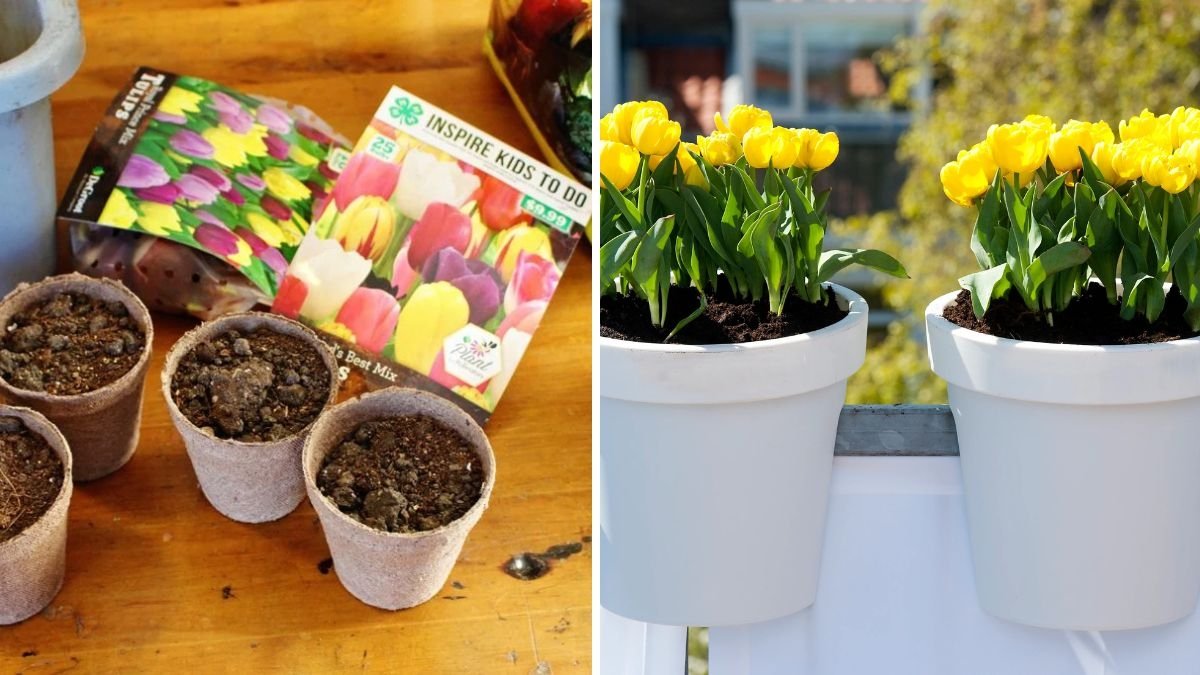
Flower bulbs are a gardener’s delight. They offer vibrant colors, delightful fragrances, and a sense of accomplishment as your bulbs burst into bloom. But not everyone has a garden bed or outdoor space to plant them. The good news is that growing flower bulbs in containers is fast, easy, and perfect for small spaces like balconies, patios, or even indoors. With the right techniques, you can enjoy spectacular blooms without a traditional garden.
This guide will walk you through everything you need to know to grow flower bulbs in containers successfully—from choosing bulbs and soil to watering, sunlight, fertilization, and seasonal care.
Why Grow Flower Bulbs in Containers?
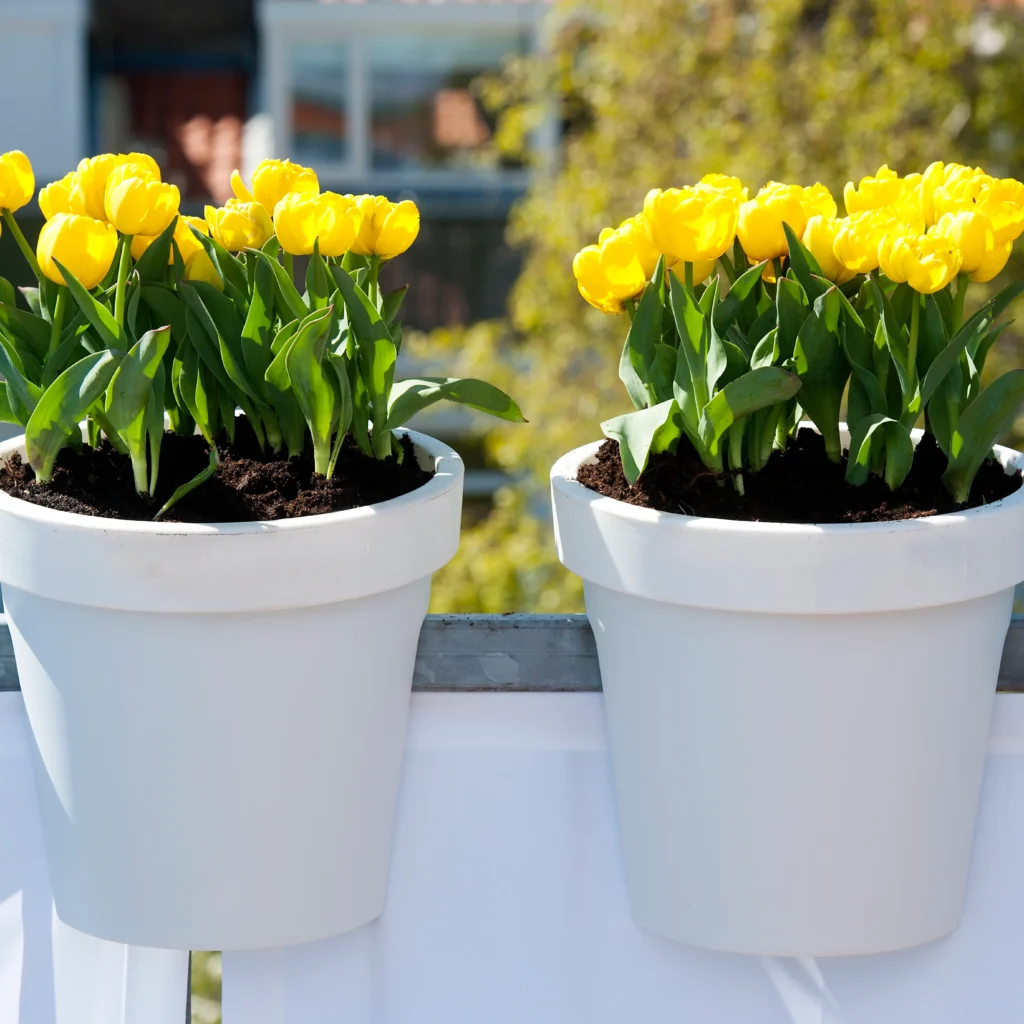
Container gardening offers several advantages for flower bulbs:
- Space Efficiency: Ideal for small apartments, balconies, or patios.
- Control Over Soil: You can provide the perfect soil mix for optimal growth.
- Mobility: Move containers to catch the sun or protect bulbs from extreme weather.
- Pest Protection: Easier to manage pests and diseases than in-ground planting.
- Season Extension: You can control bloom timing by manipulating temperature and light.
Container gardening allows you to enjoy a burst of color in your home, no matter the size of your outdoor area.
Choosing the Right Flower Bulbs
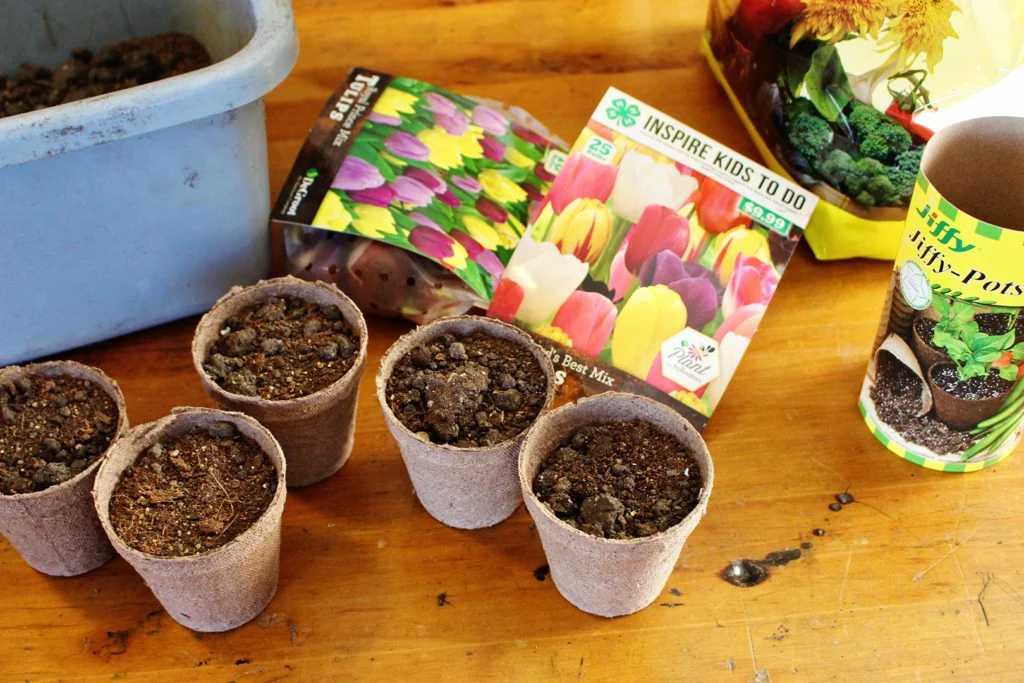
The first step to successful container gardening is choosing bulbs suitable for container growth. Not all bulbs thrive in pots. Here are some great options:

- Tulips: Iconic spring flowers available in a wide range of colors.
- Daffodils: Hardy, cheerful blooms that grow well in containers.
- Hyacinths: Fragrant, colorful flowers perfect for small spaces.
- Crocuses: Early bloomers that are ideal for indoor or outdoor pots.
- Lilies: Large, elegant flowers that perform well in larger containers.
When selecting bulbs, look for firm, healthy bulbs without signs of mold or damage. Bigger bulbs generally produce bigger flowers.
Choosing the Right Container
The container you use plays a critical role in the success of your bulbs:
- Size: Choose pots at least 6–12 inches deep depending on bulb size. Larger bulbs like lilies need deeper containers, while crocuses and tulips can thrive in shallower pots.
- Drainage: Ensure your pot has sufficient drainage holes. Bulbs are prone to rotting if water sits at the bottom.
- Material: Terracotta and ceramic pots are ideal because they allow airflow and prevent waterlogging. Plastic pots retain moisture, which can be beneficial in dry climates.
- Arrangement: Group bulbs with similar bloom times together for an aesthetically pleasing display.
Proper container selection sets the foundation for healthy growth and abundant blooms.
Soil Preparation
Flower bulbs need well-draining soil rich in nutrients to thrive.
Soil Mix Recommendations:

- Use a mix of potting soil, compost, and sand in equal parts.
- Add perlite or small stones at the bottom to improve drainage.
- Slightly acidic to neutral soil (pH 6–7) works best for most bulbs.
Healthy, well-draining soil ensures bulbs develop strong roots and produces vibrant blooms.
Planting Flower Bulbs in Containers
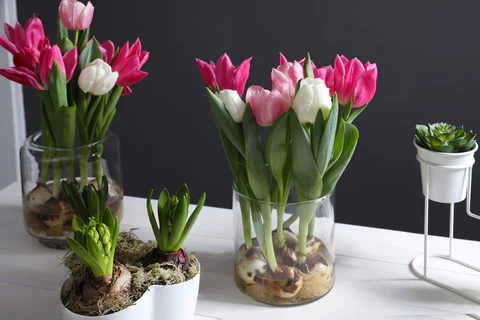
Planting bulbs correctly is essential for fast growth and abundant flowers:
- Depth: Plant bulbs 2–3 times their height deep, with the pointed end facing upward.
- Spacing: Leave enough space between bulbs to allow airflow and root growth. Crowding can reduce flower size.
- Layering for Extended Bloom: Plant bulbs with different bloom times together—like crocuses at the bottom and tulips on top—for continuous flowering.
- Watering After Planting: Water thoroughly after planting to settle the soil around the bulbs.
Correct planting technique ensures a strong start for your bulbs, leading to faster and healthier blooms.
Watering and Sunlight
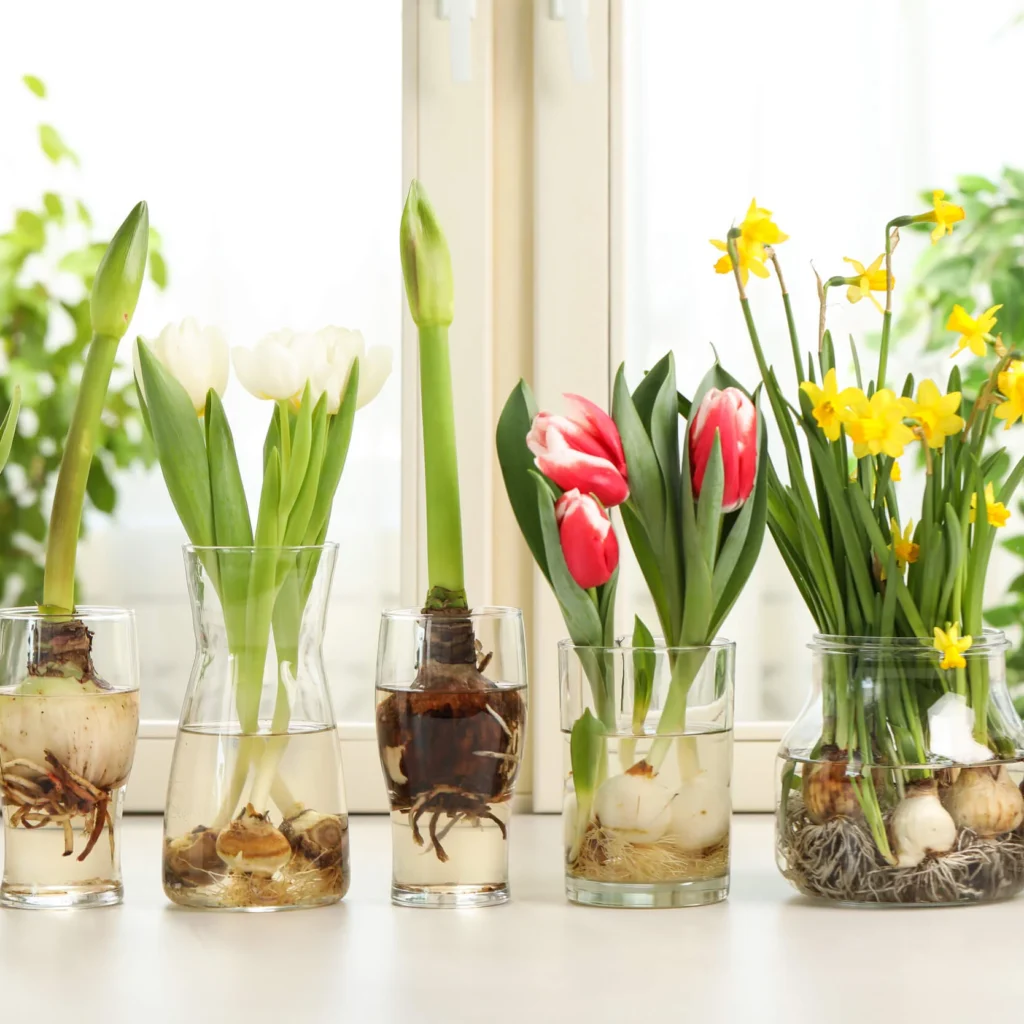
Proper watering and light are key for rapid growth:
- Watering: Keep the soil moist but not soggy. Overwatering can lead to rot, while underwatering can stunt growth.
- Sunlight: Most bulbs prefer full sun to partial shade. Tulips, daffodils, and hyacinths thrive in bright sunlight, while some lilies prefer light shade.
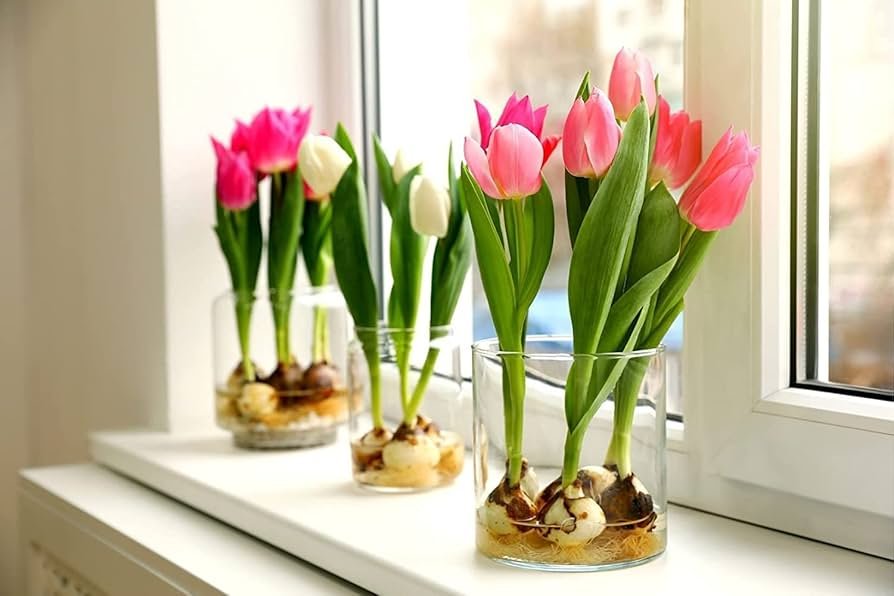
- Indoor Bulbs: For indoor container bulbs, place them near a sunny window with at least 4–6 hours of light daily.
Consistent moisture and adequate sunlight accelerate bulb development and ensure fast blooms.

Fertilization for Fast Growth
Fertilizing your bulbs can dramatically improve flower size and bloom quantity:
- Use a balanced liquid fertilizer (NPK 10:10:10) every 2–3 weeks during the growth phase.
- Switch to a phosphorus-rich fertilizer (high middle number, e.g., 10:30:10) when buds appear to encourage flowering.
- Avoid over-fertilizing, which can lead to lush foliage but fewer blooms.
- Organic options like compost tea or well-rotted manure also provide slow-release nutrients for steady growth.
Regular fertilization ensures your bulbs have the nutrients needed to produce vibrant flowers quickly.
Supporting and Training Plants
Some tall bulbs, like lilies, may need support to keep stems upright:
- Use stakes or bamboo sticks to tie stems gently.
- Avoid tight ties to prevent damaging delicate stems.
- Rotating pots occasionally ensures even growth and sunlight exposure.
Proper support prevents stem breakage and maximizes flower display.
Pest and Disease Management
Healthy bulbs produce fast, abundant blooms. Protect your containers from pests and diseases:

- Common Pests: Aphids, spider mites, and bulb mites. Treat with neem oil or insecticidal soap.
- Fungal Diseases: Bulb rot and mildew can occur in poorly draining soil. Ensure proper drainage and airflow.
- Preventive Measures: Remove dead leaves and faded flowers promptly, and avoid wetting foliage unnecessarily.
Regular monitoring keeps bulbs healthy and accelerates flowering.
Seasonal Care Updates
Spring and Summer: Focus on watering, fertilization, and sunlight exposure. Remove spent blooms to encourage continuous flowering.
Autumn: Plant bulbs that require cold treatment to bloom in winter or spring. Maintain moderate watering and prepare containers for cooler weather.
Winter: For indoor bulbs, provide adequate sunlight and reduce water slightly. Protect outdoor containers from frost by moving them to sheltered areas.
Following seasonal updates ensures your bulbs grow quickly and bloom abundantly.

Creative Container Gardening Tips
- Layer Different Bulbs: Plant bulbs with varying bloom times for continuous color.
- Use Decorative Containers: Enhance aesthetics with colorful pots or unique planters.
- Indoor Forcing: Pre-chill bulbs like tulips or hyacinths in the fridge to induce early blooms indoors.
- Companion Planting: Combine bulbs with small annuals or foliage plants to fill gaps and create lush displays.
These creative techniques make container-grown bulbs visually stunning while ensuring rapid and continuous flowering.
Conclusion
Growing flower bulbs in containers is fast, easy, and rewarding. By choosing the right bulbs, containers, and soil, providing proper sunlight and watering, fertilizing strategically, and following seasonal care, you can enjoy vibrant blooms in record time. Container bulbs are perfect for small spaces, patios, balconies, or indoor displays, offering flexibility and beauty year-round.
With patience and consistent care, your container-grown bulbs will thrive, delivering colorful, fragrant blooms that transform your living space into a garden paradise. Start planting today, and enjoy the fast and easy way to grow spectacular flower bulbs!

Leave A Comment