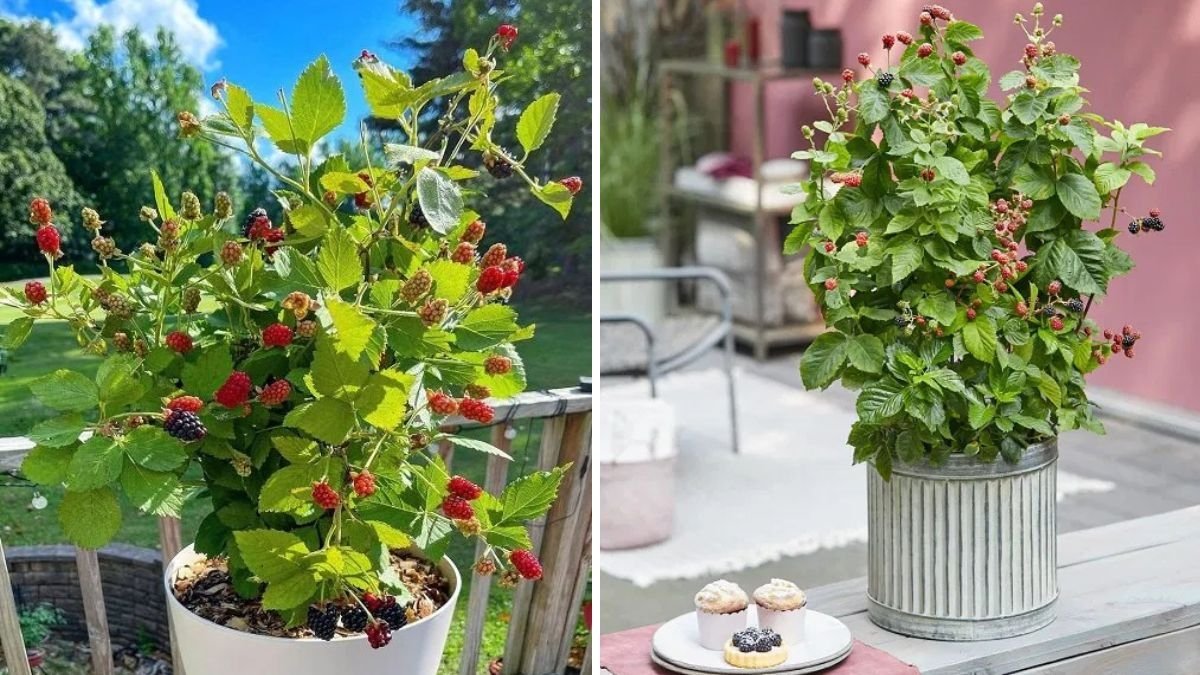
Raspberries and blackberries are among the most delicious and rewarding fruits to grow at home. Bursting with flavor and packed with vitamins, these berries are a favorite for smoothies, desserts, and healthy snacking. While traditionally grown in gardens or fields, you can successfully cultivate these berries in pots, making them accessible even for those with limited space. With the right techniques, soil, and care, potted raspberries and blackberries can thrive and produce bountiful harvests year after year. This guide reveals the secrets to growing these berries in containers.
Why Grow Berries in Pots?
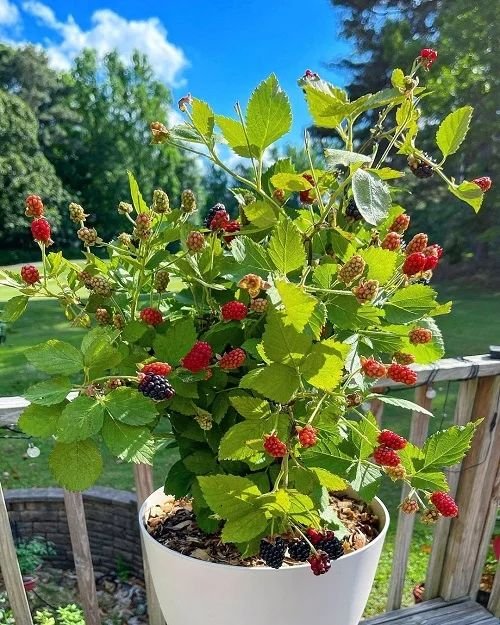
Growing raspberries and blackberries in pots has several advantages:
- Space-Saving: Ideal for balconies, patios, or small urban gardens.
- Mobility: Containers can be moved to optimize sunlight exposure or protect plants from harsh weather.
- Control Over Soil: You can provide ideal soil conditions, avoiding poor or compacted garden soil.
- Reduced Pest Problems: Potted plants are easier to manage for pests and diseases.
- Year-Round Enjoyment: Some dwarf or remontant varieties can fruit multiple times in a season.
Choosing the Right Varieties
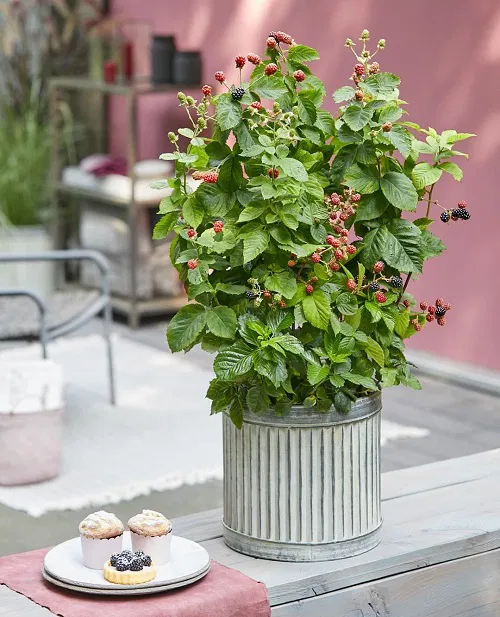
Not all raspberry and blackberry varieties are suitable for container growth. Look for compact or dwarf varieties that thrive in pots:
- Raspberries: ‘Heritage,’ ‘Autumn Bliss,’ and ‘Fall Gold’ are excellent choices for pots.
- Blackberries: ‘Black Satin,’ ‘Apache,’ and thornless varieties are easier to handle in containers.
- Remontant Varieties: These produce fruit twice a year, making them ideal for container gardening.
Selecting the Right Container
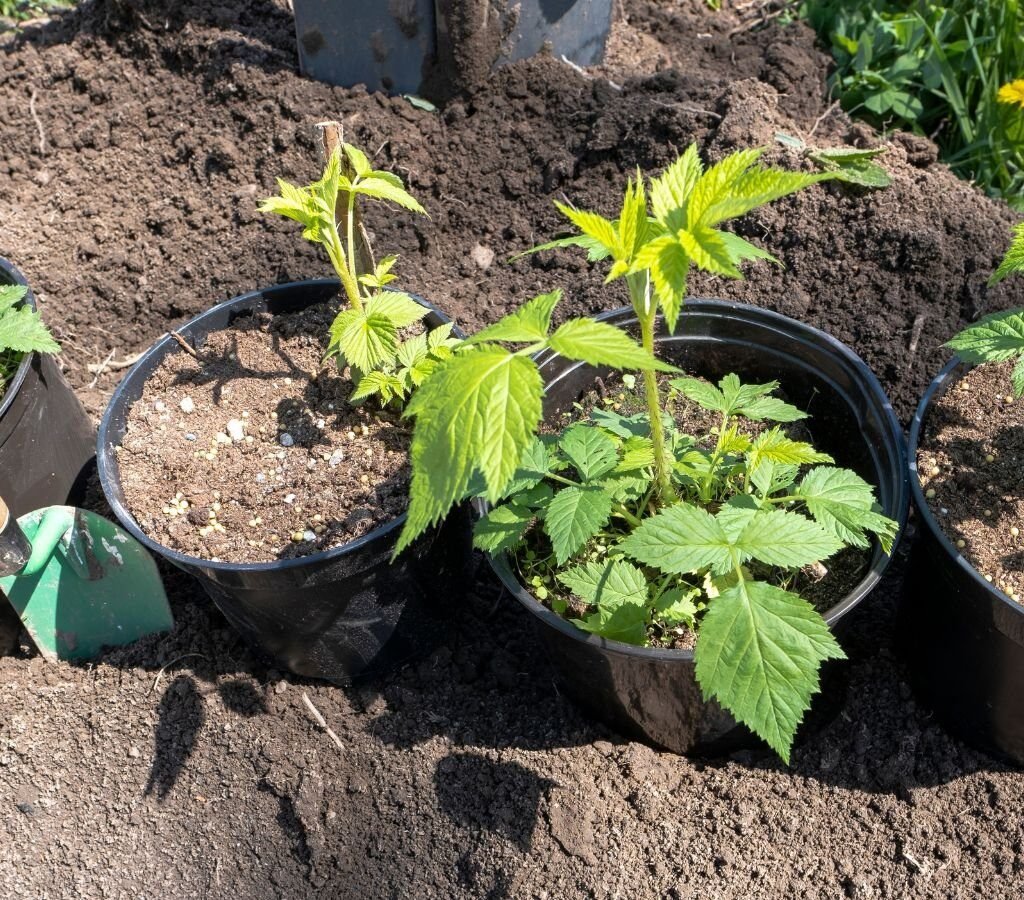
The success of your potted berry plants depends heavily on the container:

- Size: Choose pots at least 15–20 inches in diameter and depth. Large containers support root growth and provide better yield.
- Material: Terracotta, ceramic, or heavy-duty plastic containers work well. Terracotta allows good aeration but dries quickly, so monitor watering.
- Drainage: Ensure the container has adequate drainage holes to prevent waterlogging, which can lead to root rot.
Preparing the Soil
Raspberries and blackberries prefer slightly acidic, well-draining soil with a pH of 5.5–6.5. Proper soil preparation ensures strong roots and healthy growth:
- Soil Mix: Use a combination of high-quality potting soil, compost, and perlite or sand to improve drainage.
- Nutrients: Incorporate well-rotted compost or organic matter to provide essential nutrients.
- Mulching: Apply a layer of mulch (straw, wood chips, or coconut coir) to retain moisture and regulate soil temperature.
Planting Raspberries and Blackberries in Pots
Step-by-Step Planting Guide:
- Soak Roots: If using bare-root plants, soak them in water for a few hours before planting.
- Planting Depth: Plant so that the crown of the plant (where roots meet stems) is at soil level.
- Spacing: If planting multiple plants in a large container, leave at least 12–18 inches between them.
- Watering: Water thoroughly after planting to settle the soil around the roots.
Supporting Your Plants
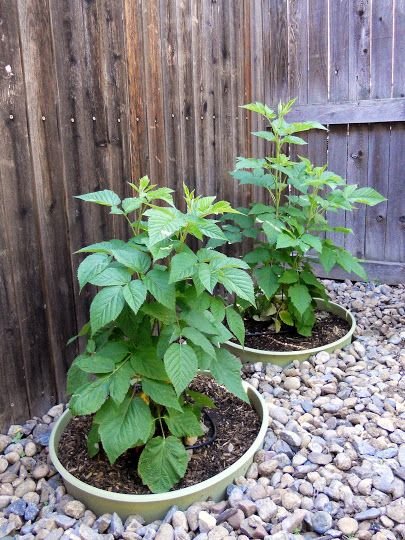
Raspberry and blackberry plants are naturally vining and benefit from support:
- Trellises or Stakes: Install a small trellis or bamboo stakes in the container. Tie canes loosely with soft ties to avoid damage.
- Pruning: Regular pruning encourages airflow, prevents overcrowding, and promotes fruiting. Remove weak or dead canes early in the season.
Watering and Fertilization
Container-grown berries require consistent watering and feeding:

- Watering: Keep soil evenly moist but not waterlogged. Containers dry out faster than garden soil, so daily watering may be needed during hot months.
- Fertilization:
- Early Season: Use a balanced fertilizer (10-10-10) to support vegetative growth.
- Flowering Stage: Switch to a fertilizer higher in phosphorus and potassium (5-10-10) to encourage flowering and fruiting.
- Organic Options: Compost tea, fish emulsion, or well-rotted manure work well.
Pollination and Flowering
Raspberry and blackberry plants are generally self-pollinating, but bees and other pollinators can improve fruit set. Container plants may benefit from occasional hand pollination:
- Use a soft paintbrush to transfer pollen between flowers for better yields.
- Keep pots near flowering plants or herbs to attract pollinators.
Maximizing Fruit Production
To get the best harvest from your potted berry plants, follow these tips:
- Sunlight: Place containers in full sun for at least 6–8 hours a day.
- Pruning: Remove old canes after harvest to make room for new growth. For summer-bearing varieties, prune after fruiting; for everbearing types, prune lightly in early spring.
- Mulching: Mulch helps conserve moisture, suppress weeds, and maintain consistent soil temperature.
- Regular Feeding: Fertilize every 4–6 weeks during the growing season for continuous fruiting.
- Rotate Watering: Avoid overwatering or letting soil dry completely; aim for consistently moist soil.
Common Problems and How to Solve Them
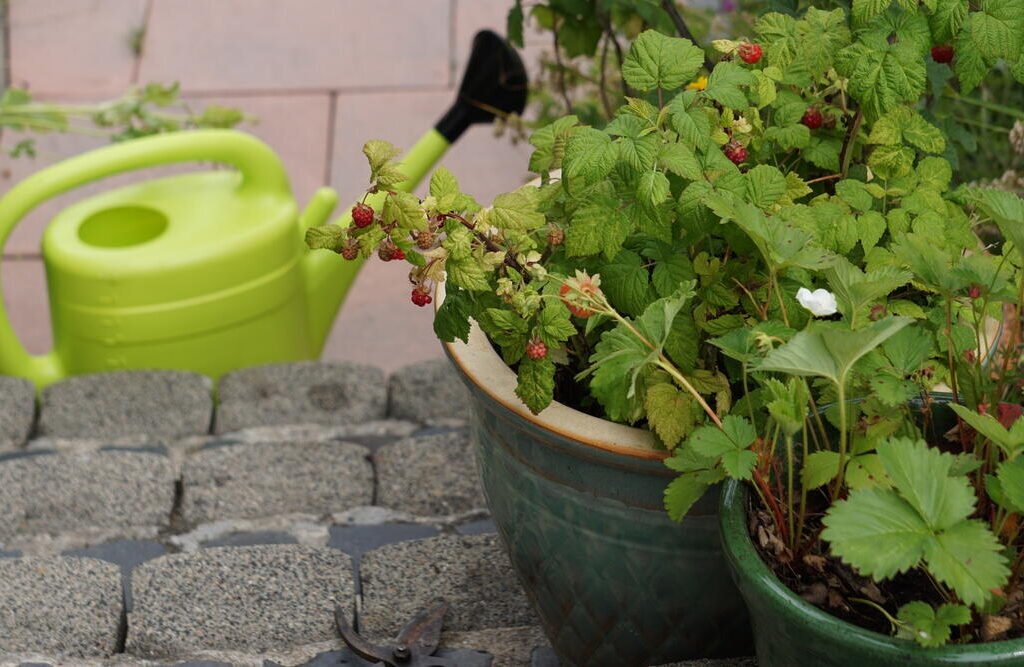
Pests: Aphids, spider mites, and caterpillars may attack leaves and stems. Use insecticidal soap or neem oil for control.
Diseases: Powdery mildew, root rot, or cane blight can occur if air circulation is poor or watering is excessive. Prevent these issues with proper pruning, drainage, and spacing.

Yellowing Leaves: May indicate nutrient deficiency or water stress. Adjust fertilization and watering as needed.
Poor Fruiting: Often caused by insufficient sunlight, overfertilization with nitrogen, or lack of pruning. Ensure proper care practices.
Overwintering Container Berries
In colder climates, raspberry and blackberry pots may need protection during winter:
- Insulate Pots: Wrap containers with bubble wrap, burlap, or straw to protect roots from freezing.
- Move Indoors: If possible, move pots to a garage, greenhouse, or sheltered area.
- Pruning: Prune dead or weak canes before winter to reduce disease risk.
Harvesting
Harvest berries when they are fully colored, plump, and easily detach from the plant:

- Raspberries: Pick when they are deep red, purple, or golden, depending on the variety.
- Blackberries: Fully black and slightly soft to the touch.
- Frequency: Harvest every few days during peak season to encourage continued production.
Final Thoughts
Growing raspberries and blackberries in pots is not only possible but highly rewarding. With careful selection of varieties, proper containers, well-draining soil, and consistent care, even small-space gardeners can enjoy a bounty of fresh, juicy berries. Regular pruning, fertilization, and attention to watering and sunlight ensure that your container-grown berries remain healthy and productive year after year.
By following these secrets, anyone can transform a balcony, patio, or small garden into a fruitful berry haven. With patience and care, your homegrown raspberries and blackberries will become a highlight of your garden, providing delicious, nutritious, and abundant fruit season after season.

Leave A Comment