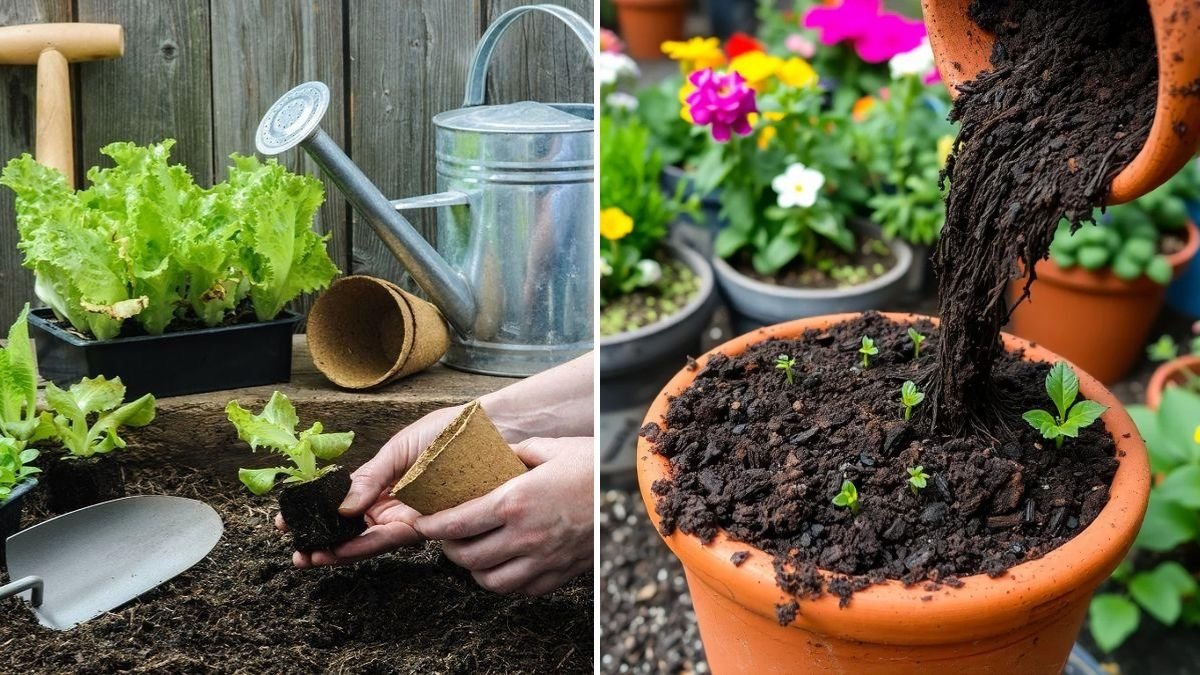
Gardening is rewarding, but maintaining healthy soil can be expensive and time-consuming. Did you know that you can breathe new life into your old garden soil? Reusing old soil not only saves money but also reduces waste and keeps your plants thriving. With proper techniques, old soil can be rejuvenated to support healthy plant growth season after season. This complete guide provides full updates, step-by-step instructions, and practical tips for reusing old soil effectively.
1. Why Reuse Old Soil?
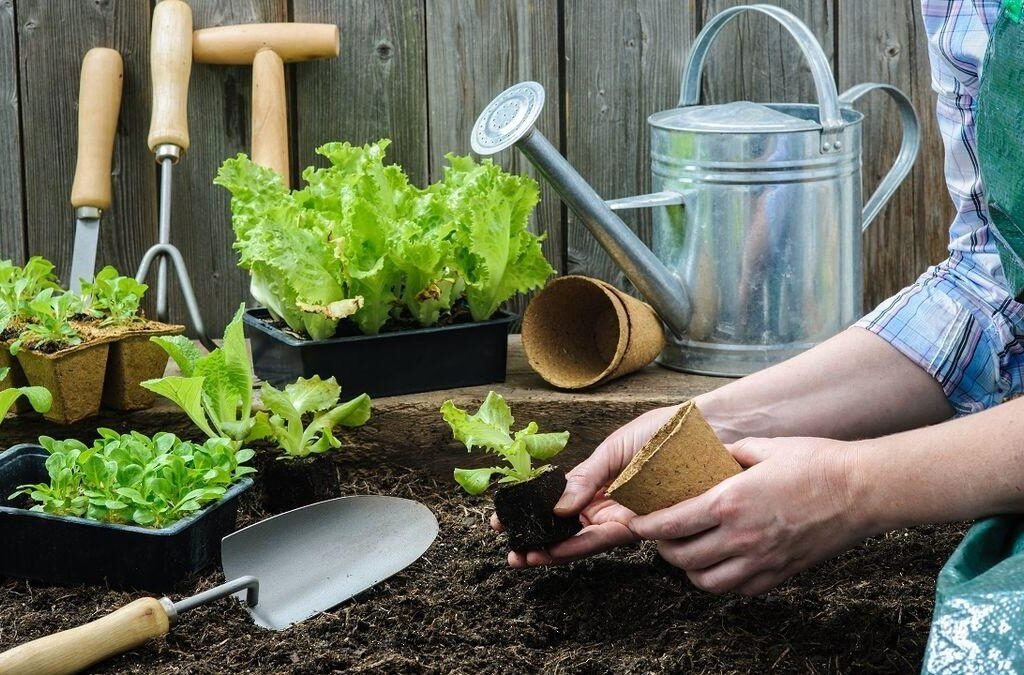
Reusing soil has several advantages for gardeners:
- Cost-effective: Reduces the need to buy new soil or compost.
- Eco-friendly: Minimizes garden waste and environmental impact.
- Nutrient retention: Properly treated soil retains valuable nutrients.
- Soil health: Improves structure and supports microbial life for future planting.
By reusing soil, you can create a sustainable gardening cycle that benefits both your plants and the planet.
2. Assessing Old Soil
Before reusing soil, it’s important to evaluate its quality:
- Check for pests: Remove any insects, larvae, or eggs.
- Look for diseases: Avoid reusing soil with fungal infections or plant diseases.
- Texture check: Soil should not be compacted or overly sandy; good soil is crumbly and aerated.
- Nutrient content: Old soil may be depleted; consider supplementing with compost or fertilizers.
Assessing soil ensures that you are starting with a foundation that can support healthy plants.

3. Removing Debris from Old Soil
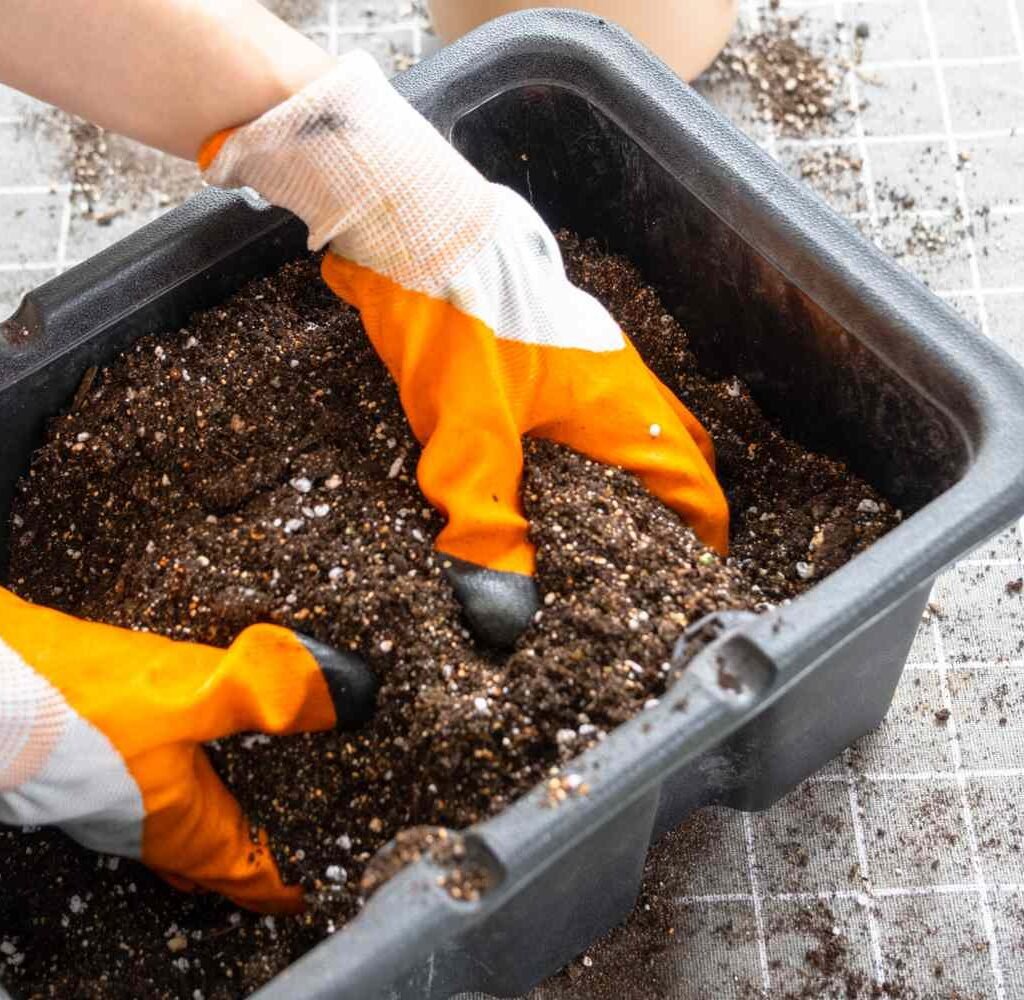
Cleaning old soil is a crucial step before reusing it:
- Roots and plant matter: Remove leftover roots, stems, or leaves from previous plants.
- Rocks and stones: Sift soil to remove stones or hard clumps that can impede root growth.
- Plastic or foreign materials: Ensure soil is free from trash or non-biodegradable materials.
Properly cleaned soil provides a healthy, aerated environment for new plants.
4. Sterilizing Old Soil
Old soil may contain harmful pathogens, fungi, or pests. Sterilization helps make it safe:
- Sun sterilization: Spread soil in a thin layer under direct sunlight for 2–3 days. Sunlight kills many pathogens naturally.
- Oven method: Place soil in an oven-safe container and bake at 180°C (350°F) for 30 minutes.
- Steam sterilization: Use steam to heat soil to 70°C (158°F) for 30 minutes to eliminate pests.
Sterilized soil prevents diseases and ensures your new plants grow in a healthy environment.
5. Reviving Nutrients in Old Soil
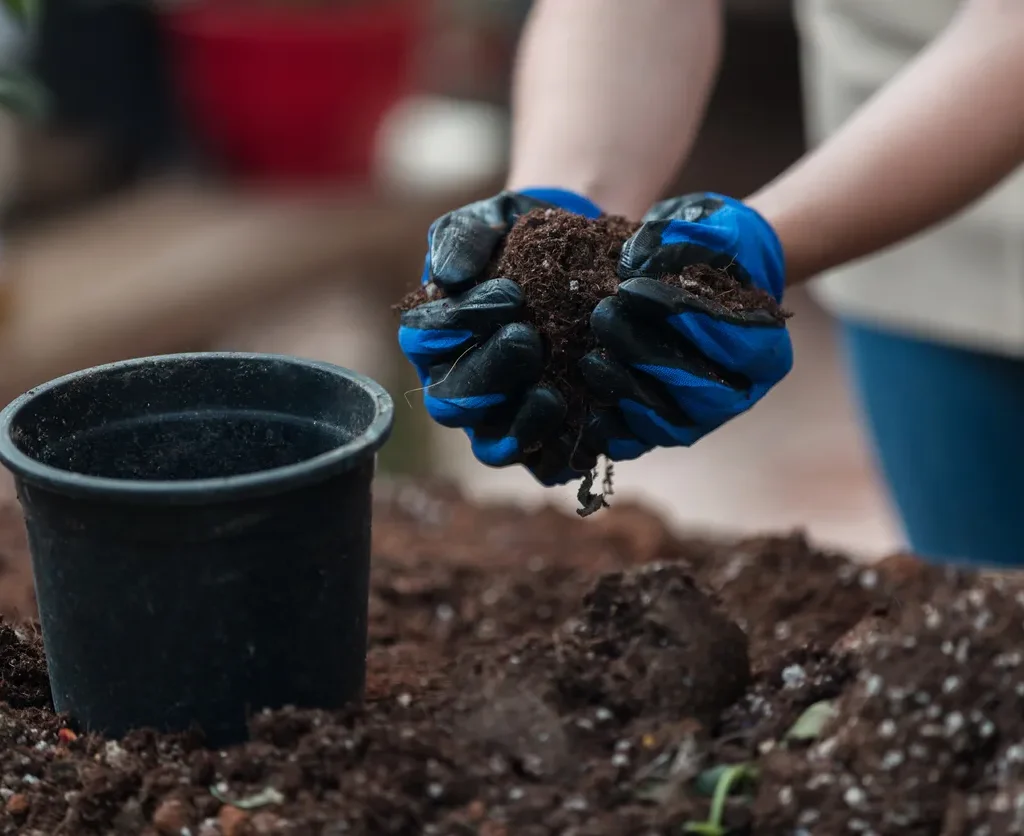
Old soil often lacks essential nutrients. Reviving it ensures strong plant growth:

- Add compost: Mix 20–30% organic compost to replenish nutrients.
- Manure: Well-rotted cow or poultry manure enriches soil fertility.
- Organic fertilizers: Bone meal, neem cake, or vermicompost boost nutrient content.
- Balanced feeding: Avoid over-fertilizing; too many nutrients can harm young plants.
Revived soil provides essential nourishment to support healthy roots, stems, and foliage.
6. Improving Soil Structure
Over time, soil can become compacted or lose its texture. Improving its structure is important:
- Aeration: Use a garden fork or hand trowel to loosen compacted soil.
- Adding sand or perlite: Improves drainage and prevents waterlogging.
- Mulching: Organic mulch such as leaves or straw enhances soil texture and retains moisture.
- Worms: Introducing earthworms naturally aerates and enriches the soil.
Well-structured soil allows roots to penetrate deeply and promotes strong, healthy plant growth.
7. Using Old Soil for Different Plants
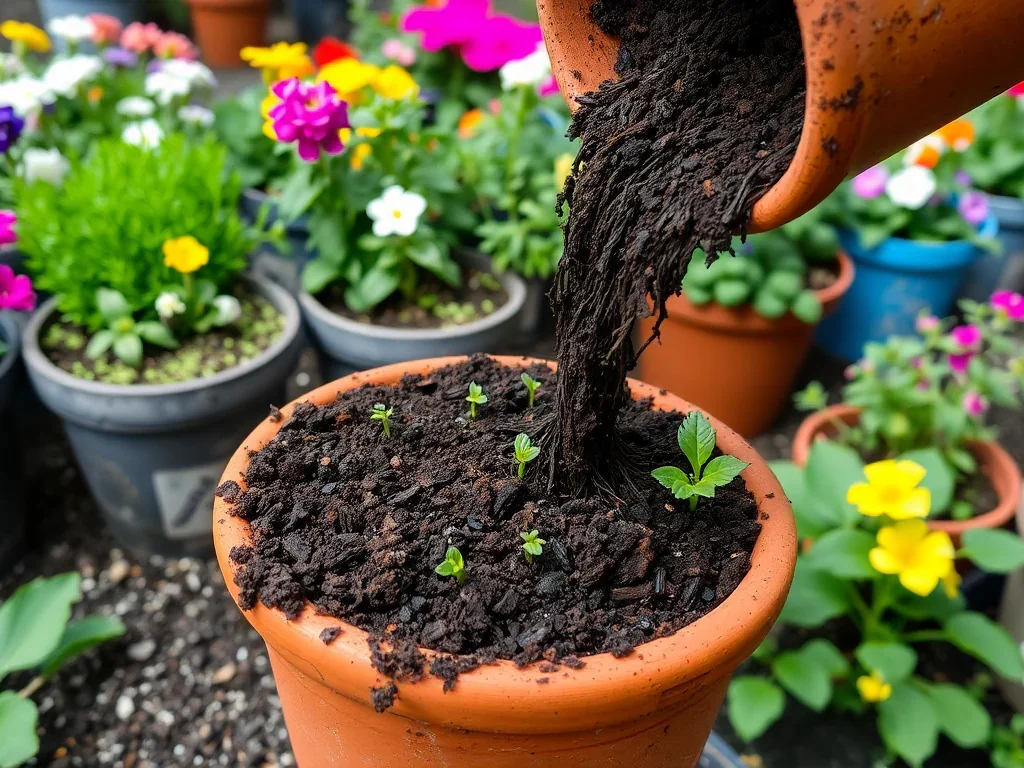
Different plants have varying soil requirements. Reused soil can be adapted accordingly:
- Vegetables: Add compost and a balanced organic fertilizer to enrich soil for leafy greens, tomatoes, or peppers.
- Flowers: Mix in organic matter to support flowering plants like marigold, petunia, or geraniums.
- Herbs: Well-draining soil with some sand works best for herbs like basil, mint, and coriander.
- Indoor plants: Use sterilized soil mixed with perlite for houseplants such as pothos, snake plant, or spider plant.
Tailoring soil to plant needs ensures optimal growth and productivity.

8. Reusing Soil in Pots and Containers
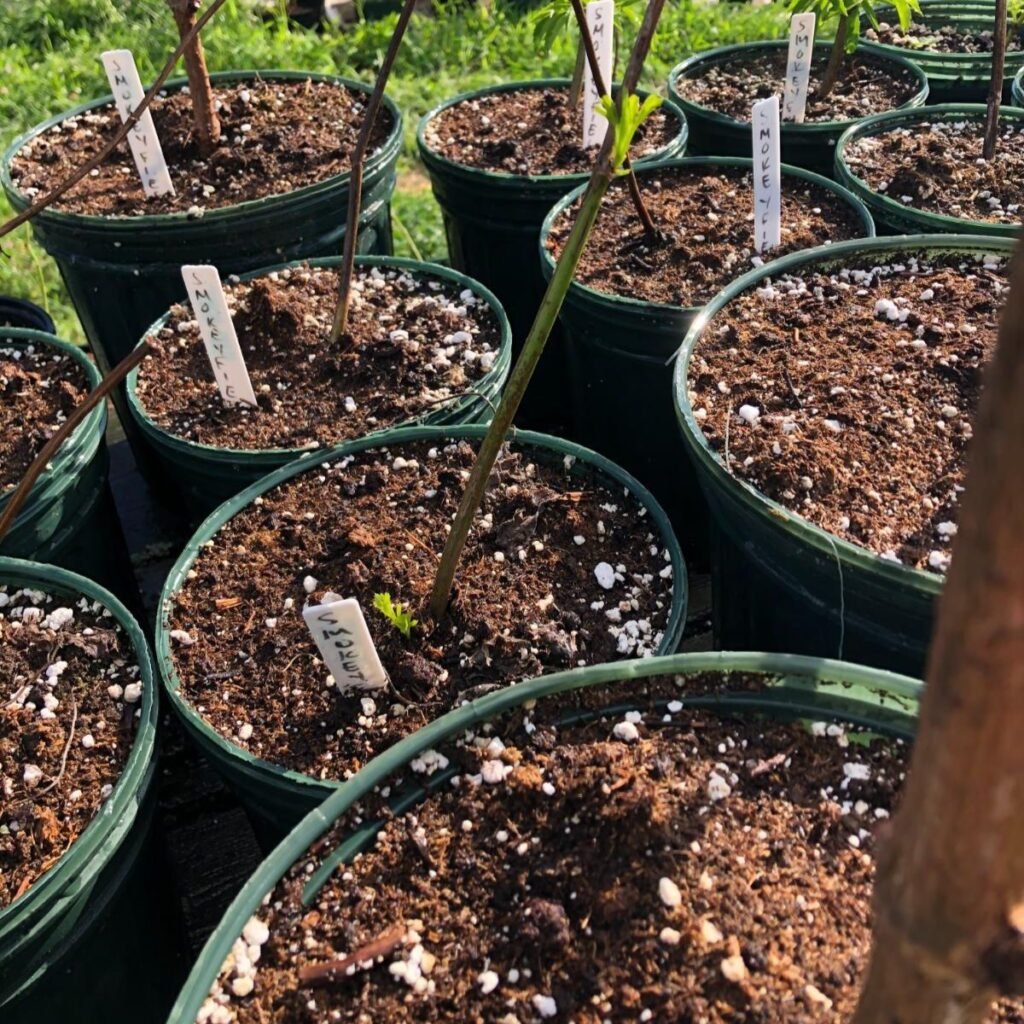
Container gardening is perfect for reused soil:
- Check drainage: Ensure pots have holes at the bottom for proper water flow.
- Mixing soil: Combine old soil with fresh compost or coco peat for extra nutrition.
- Layering technique: Add pebbles at the bottom to prevent waterlogging.
- Top dressing: Apply compost or vermicompost every few weeks to maintain nutrient levels.
Pots and containers make it easier to monitor soil health and adjust nutrients as needed.
9. Reusing Soil in Garden Beds
For outdoor garden beds, reusing old soil is equally effective:
- Loosen soil: Turn the soil with a spade or tiller.
- Incorporate organic matter: Add compost, manure, or mulch to replenish nutrients.
- Check pH: Adjust pH if necessary with lime (to raise) or sulfur (to lower).
- Crop rotation: Plant different crops to prevent nutrient depletion and reduce pests.
Properly rejuvenated soil keeps garden beds fertile and productive for multiple seasons.
10. Benefits of Reusing Old Soil
Reusing old soil provides several advantages:

- Cost-saving: Reduces the need to purchase fresh soil every season.
- Sustainability: Minimizes garden waste and supports eco-friendly gardening.
- Healthy plants: Revived soil promotes vigorous growth and abundant harvests.
- Learning opportunity: Teaches gardeners how to maintain and manage soil fertility.
Reusing soil is both economical and environmentally responsible.
11. Common Mistakes to Avoid
While reusing soil is simple, beginners often make mistakes:
- Not sterilizing soil: Leads to pest infestations and plant diseases.
- Skipping nutrient enrichment: Plants may struggle if soil is depleted.
- Overwatering: Old soil may retain water differently; monitor moisture levels carefully.
- Ignoring soil structure: Compacted soil prevents root growth and reduces yield.
Avoiding these mistakes ensures successful reuse and healthy plants.
12. Tips for Beginners
- Keep soil covered: Store old soil in a dry, ventilated area until reuse.
- Mix small batches: Start with small quantities to experiment and observe results.
- Use organic amendments: Compost, vermicompost, and mulch work best for enriching soil.
- Observe plants: Healthy growth indicates properly revived soil; adjust care as needed.
Following these tips helps beginners efficiently reuse soil while maintaining plant health.
Conclusion
Reusing old soil is an effective, sustainable, and budget-friendly gardening practice. With proper cleaning, sterilization, nutrient enrichment, and structure improvement, old soil can support healthy plants season after season. Whether used in pots, containers, or garden beds, rejuvenated soil promotes strong root systems, vibrant foliage, and abundant harvests.

By following this complete guide with full updates, gardeners can transform old, depleted soil into a fertile, thriving medium for flowers, vegetables, herbs, and houseplants. Start reusing your old soil today and enjoy sustainable, cost-effective, and productive gardening!

Leave A Comment