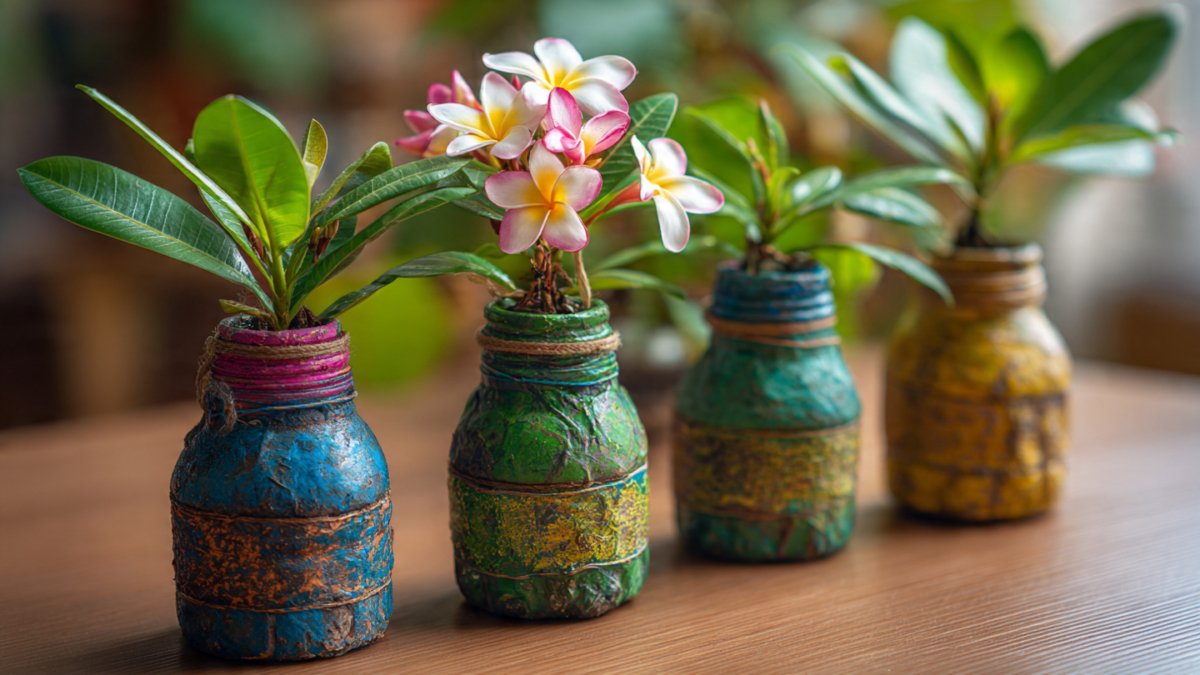
Plastic waste has become one of the biggest environmental challenges of modern times. Millions of plastic bottles are discarded every day, many of which end up in landfills, rivers, and oceans. At the same time, people are becoming more conscious about sustainable living and eco-friendly practices. One creative and practical solution that connects both concerns is recycling plastic bottles into beautiful flower pots.
Transforming used plastic bottles into planters is not only an environmentally responsible choice, but also a fun and rewarding DIY activity. It allows you to reduce waste, save money, and decorate your home with unique handmade designs. This article explores how you can recycle plastic bottles into flower pots, offers creative ideas, and highlights sustainable trends shaping this green movement.
Why Recycle Plastic Bottles into Flower Pots?
Plastic bottles are durable, lightweight, and waterproof, making them ideal for plant containers. Instead of throwing them away, reusing them as flower pots gives them a second life and reduces environmental pollution.
One major benefit is waste reduction. Every bottle reused means one less item in a landfill. Over time, small individual efforts can make a significant impact on the environment.
Another advantage is affordability. Traditional plant pots can be expensive, especially if you want several for your home or balcony. Plastic bottle planters cost almost nothing and are accessible to everyone.
Recycled pots also encourage creativity. You can customize them in countless ways, matching your personal style and home décor. Each planter becomes a unique piece of functional art.
Understanding the Environmental Impact
Plastic takes hundreds of years to decompose. During this time, it releases harmful chemicals and breaks down into microplastics that contaminate soil and water. By reusing bottles for gardening, you slow down this destructive cycle.
Upcycling plastic into planters promotes a circular economy, where materials are reused instead of discarded. It teaches responsible consumption and encourages mindful living.
When people see attractive recycled pots, they become more aware of sustainability. This inspires others to adopt eco-friendly habits, creating a positive ripple effect in communities.
Basic Materials You Will Need
Before starting your DIY project, gather some simple materials. Most of them are easily available at home.

You will need:
- Empty plastic bottles of different sizes
- Scissors or craft knife
- Marker pen
- Acrylic paints or spray paints
- Paintbrushes
- Nail or heated metal rod for drainage holes
- Soil or potting mix
- Small stones or gravel
- Plants or seeds
Optional decorative items include ribbons, twine, stickers, beads, or fabric scraps. These can enhance the appearance of your pots.
Preparing Plastic Bottles for Planting
The first step is cleaning. Wash the bottles thoroughly to remove labels, glue, and residue. Dry them completely before cutting or painting.
Next, decide on the shape of your planter. Mark cutting lines using a marker. You can cut bottles horizontally, vertically, or diagonally depending on your design.
Make drainage holes at the bottom using a heated nail or screwdriver. This prevents water from accumulating and protects plant roots from rot.
Add a thin layer of gravel before filling with soil. This improves drainage and keeps the roots healthy.
Simple DIY Flower Pot Ideas
There are countless ways to transform plastic bottles into attractive planters. Here are some easy and popular ideas.
One of the simplest designs is the horizontal planter. Cut the bottle in half lengthwise, fill it with soil, and place it on a windowsill or shelf. This style works well for herbs and small flowers.
Vertical hanging pots are perfect for small spaces. Cut a side opening, make holes on both ends, and hang the bottle using rope or wire. These are ideal for balconies and walls.
Animal-shaped planters are especially popular for children’s rooms. Cut ears, paint faces, and turn bottles into rabbits, cats, or bears. These playful designs make gardening fun for kids.

Self-watering planters can be made by cutting the bottle in two and placing the top part upside down inside the bottom. A cotton wick carries water to the soil, keeping plants hydrated longer.
Tiered planters use several bottles stacked vertically. This design maximizes space and creates a visually striking garden feature.
Painting and Decorating Techniques
Decoration is what transforms recycled bottles into beautiful flower pots. Acrylic paints work best because they adhere well to plastic and resist water.
Before painting, lightly sand the bottle surface for better paint grip. Apply a base coat and let it dry completely. Then add patterns, designs, or solid colors.
You can use stencils for neat designs or sponge painting for textured effects. Polka dots, stripes, and floral patterns are popular choices.
For a natural look, wrap bottles with jute rope or twine using glue. This creates a rustic and earthy appearance.
Decoupage is another creative method. Glue printed designs, newspaper cuttings, or fabric pieces onto the bottle and seal with varnish.
Glow-in-the-dark paint can be used for outdoor pots, adding beauty and safety at night.
Choosing the Right Plants
Not all plants thrive in small containers, so selecting suitable varieties is important.
Herbs such as basil, mint, coriander, and parsley grow well in recycled pots. They are useful for cooking and easy to maintain.

Succulents and cacti are perfect for beginners. They require minimal watering and adapt well to small containers.
Flowering plants like petunias, marigolds, pansies, and begonias bring color and fragrance to recycled planters.
Trailing plants such as money plant, pothos, and ivy look beautiful in hanging bottles.
Leafy greens like lettuce and spinach can also be grown in larger bottle planters.
Always consider sunlight, water needs, and space when choosing plants.
Maintenance and Care
Proper care ensures your recycled flower pots remain healthy and attractive.
Water plants according to their needs. Overwatering is a common mistake, especially in plastic containers that retain moisture.
Place pots where they receive appropriate sunlight. Most flowering plants need at least four to six hours of light daily.
Check drainage holes regularly to prevent blockage. Clean them if soil accumulates.
Fertilize occasionally using organic compost or liquid fertilizer to maintain soil nutrients.

Repaint or touch up decorations if they fade over time, especially for outdoor planters.
Sustainable Trends in Recycled Gardening
Recycled gardening has become part of a larger sustainability movement. Many people now prefer upcycled décor over mass-produced items.
Urban gardening is one major trend. In cities where space is limited, plastic bottle planters allow residents to grow plants on balconies, rooftops, and walls.
Vertical gardens made from recycled bottles are gaining popularity. They improve air quality, reduce heat, and beautify buildings.
Community recycling projects are also emerging. Schools and neighborhoods organize workshops where people learn to make planters together, promoting teamwork and environmental awareness.
Eco-friendly home décor is another growing trend. Handmade recycled pots are now featured in interior design blogs and sustainable lifestyle magazines.
Social media platforms have played a big role in spreading these ideas. DIY tutorials and creative projects inspire millions to try recycling at home.
Educational and Social Benefits
Recycling bottles into flower pots is not just about decoration. It also has strong educational value.
For children, it teaches responsibility, creativity, and respect for nature. Gardening helps develop patience and problem-solving skills.
For families, it becomes a bonding activity. Working together on DIY projects strengthens relationships and builds shared values.

In schools, recycled planters are used in environmental education programs. Students learn about waste management, plant life cycles, and sustainability.
For communities, these projects encourage cooperation and collective action toward environmental protection.
Common Mistakes to Avoid
Beginners often face small challenges when making recycled planters. Avoiding these mistakes can improve results.
Do not skip drainage holes, as waterlogging damages roots.
Avoid using bottles that contained harmful chemicals.
Do not place pots in unsuitable lighting conditions.
Avoid overcrowding plants in small containers.
Do not use poor-quality soil, as it affects growth.
Learning from these mistakes helps you improve with every project.
Conclusion
Recycling plastic bottles into beautiful flower pots is a simple yet powerful way to contribute to environmental protection. It reduces waste, saves money, and adds creativity to everyday life. With basic tools and imagination, anyone can turn discarded bottles into attractive, functional planters.
These DIY projects promote sustainable living, encourage mindful consumption, and inspire others to care for the planet. As eco-friendly trends continue to grow, recycled gardening stands out as a practical and rewarding solution for modern homes.
By choosing to upcycle plastic bottles, you are not only decorating your space but also taking a meaningful step toward a greener future. One bottle, one plant, and one creative idea at a time, you can help transform waste into beauty and sustainability into a lifestyle.

Leave A Comment