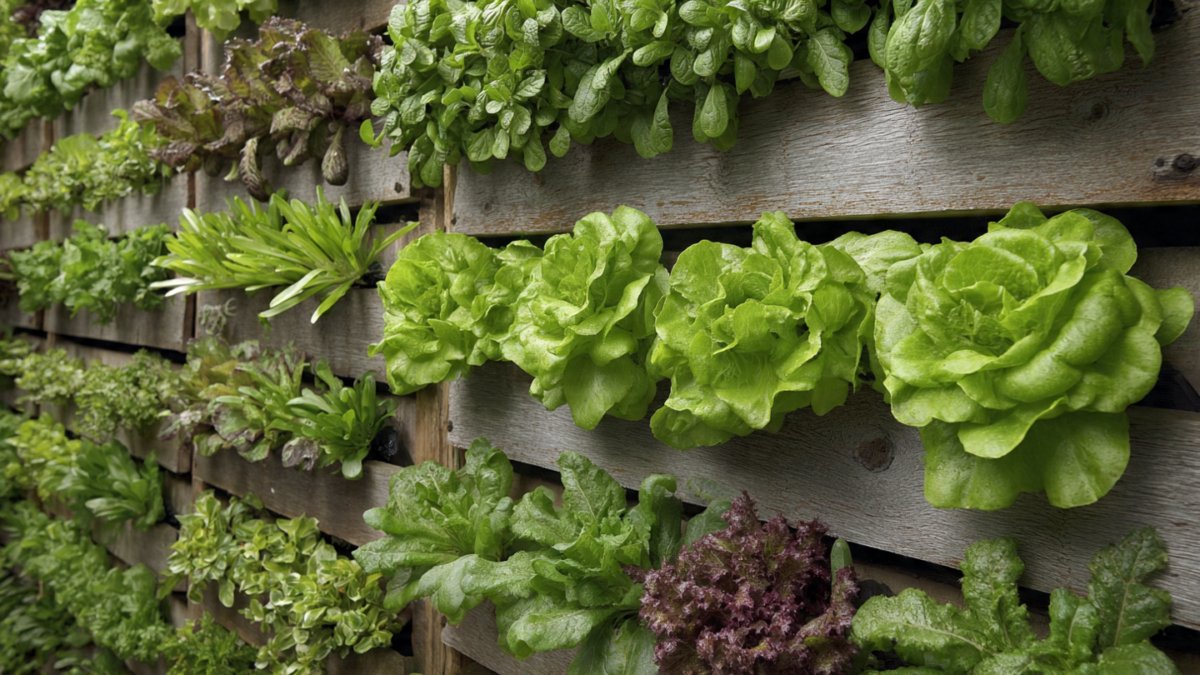
In today’s urban world, limited space and lack of traditional gardening areas can make growing your own vegetables seem impossible. But what if you could turn a small balcony, a narrow kitchen corner, or even a tiny apartment wall into a thriving vegetable garden? Vertical gardening offers a practical and innovative solution, allowing you to grow fresh, healthy vegetables without soil or a large footprint. This guide explores creative vertical vegetable-growing ideas for home gardeners, urban dwellers, and beginners eager to embrace this space-saving trend.
Why Choose Vertical Vegetable Gardening?
Vertical gardening has quickly become a favorite among city dwellers and small-space gardeners for several compelling reasons:
- Space Efficiency: Vertical systems make use of walls, railings, and shelves, enabling you to grow more plants in less floor space.
- Soil-Free Options: Hydroponic and aeroponic systems allow vegetables to thrive without traditional soil, reducing mess and maintenance.
- Aesthetic Appeal: Vertical gardens add greenery to your home, acting as living walls that brighten your space.
- Accessibility: Raised vertical setups make gardening easier on the back and knees, removing the need to bend or kneel.
- Sustainable Living: Growing your own vegetables reduces grocery bills and food miles while promoting fresh, chemical-free produce.
Types of Vertical Vegetable Gardening
Vertical gardening comes in several formats, from DIY systems to commercially available setups. Understanding the different approaches will help you choose what suits your space and lifestyle.
1. Hanging Planters and Pocket Gardens
Hanging planters are a simple and effective way to grow small vegetables and herbs.

- Materials: Fabric pockets, recycled shoe organizers, or hanging pots.
- Best Vegetables: Lettuce, spinach, kale, cherry tomatoes, radishes, and herbs like basil and parsley.
- Tips: Use lightweight soil mixes or hydroponic mediums to avoid overloading your wall or balcony railing. Water regularly, as hanging systems dry faster than ground-level pots.
Pocket gardens made from felt or fabric pockets are excellent for vertical walls. They allow multiple plants in a compact space, creating a living wall effect that’s both functional and decorative.
2. Stacked Containers and Tiered Shelves
Stacking pots or using tiered shelving is perfect for balconies, patios, and small indoor spaces.
- Materials: Plastic pots, wooden crates, or modular stacking systems.
- Best Vegetables: Leafy greens, cherry tomatoes, peppers, and small root vegetables like radishes.
- Tips: Ensure the upper tiers don’t block sunlight from the lower plants. Incorporate a simple drip irrigation system to keep water consistent across tiers.
Tiered gardens allow you to grow a surprising variety of vegetables while taking up minimal horizontal space. The arrangement also makes harvesting easy, as each plant is at eye level or within reach.
3. Hydroponic Systems
Hydroponics is a soil-free growing method that uses nutrient-rich water to feed plants. These systems are ideal for urban gardeners with limited space.

- Types: Vertical towers, NFT (Nutrient Film Technique) channels, and water-based floating rafts.
- Best Vegetables: Lettuce, spinach, kale, basil, mint, and even strawberries.
- Tips: Monitor nutrient levels and pH carefully for optimal growth. Hydroponic setups can be DIY or purchased as compact home kits.
Hydroponics can dramatically increase yield per square foot while eliminating the need for heavy soil. With a small indoor setup, you can harvest fresh greens year-round.
4. Aeroponic Towers
Aeroponics takes vertical hydroponics a step further by suspending plant roots in the air and misting them with a nutrient solution. This soil-free method maximizes growth speed and minimizes water usage.
- Best Vegetables: Leafy greens, herbs, and small fruiting plants like cherry tomatoes.
- Benefits: Uses up to 90% less water than traditional gardening and produces faster growth.
- Tips: Aeroponics requires some initial setup and maintenance but delivers impressive yields in very limited spaces.
5. Trellises and Wall-Mounted Supports
For vining vegetables, vertical trellises or wall-mounted supports are perfect. They work well for cucumbers, peas, pole beans, and even small melons.
- Materials: Wire mesh, bamboo stakes, wooden lattice, or PVC pipes.
- Tips: Ensure strong anchoring to prevent collapse under the weight of mature vegetables. Train vines carefully to encourage upward growth and better airflow, reducing the risk of disease.
Even small urban balconies or patios can accommodate vertical trellises, providing a productive and visually appealing garden.

Choosing the Right Vegetables for Vertical Gardens
Not all vegetables thrive in vertical systems, so choosing the right crops is essential:
- Leafy Greens: Lettuce, spinach, arugula, kale – grow well in containers, hydroponics, and tiered setups.
- Herbs: Basil, parsley, cilantro, chives – perfect for pocket gardens and hanging planters.
- Small Fruiting Vegetables: Cherry tomatoes, peppers, and eggplants – need support, can grow vertically with stakes or towers.
- Vining Vegetables: Cucumbers, peas, beans – best for trellises or netted walls.
- Root Vegetables: Radishes, carrots, and small beets – suitable for stacked containers with deep pots.
Start with easy-to-grow crops to gain confidence, then gradually expand to more challenging vegetables.
Watering and Nutrient Management
Watering in vertical gardens can be tricky since gravity drains water quickly through stacked or hanging systems.
- Soil-Based Systems: Water thoroughly and regularly, ensuring bottom containers receive moisture. Mulch can help retain moisture.
- Hydroponics & Aeroponics: Maintain consistent nutrient solutions and monitor pH levels. Automation is recommended for continuous water and nutrient supply.
- Tips: Incorporate drip irrigation, self-watering containers, or wicking systems to minimize maintenance and prevent plant stress.
Regularly check for nutrient deficiencies and adjust fertilization accordingly. Leaf yellowing or stunted growth often signals an imbalance that needs correction.

Pest and Disease Management
Even in vertical systems, pests and diseases can occur. Prevention and early intervention are key:
- Common Pests: Aphids, whiteflies, spider mites, and fungus gnats.
- Prevention: Maintain proper spacing, airflow, and cleanliness. Remove dead leaves and avoid water stagnation.
- Organic Solutions: Neem oil, insecticidal soap, or companion planting can naturally deter pests.
Since vertical gardens are often elevated or indoors, they may experience fewer pest problems compared to traditional gardens, but vigilance is still necessary.
Advantages of Vertical Gardening for Urban Homes
- Maximized Space: Transform walls, corners, and balconies into productive gardens.
- Year-Round Growth: Indoor vertical systems can thrive year-round with artificial lighting.
- Reduced Weeding: Less soil exposure means fewer weeds to remove.
- Improved Air Quality: Indoor vertical gardens add greenery, improving indoor air and aesthetics.
- Educational and Therapeutic: Great for children and adults to learn about gardening, sustainability, and healthy eating while providing a calming hobby.
Creative Vertical Garden Ideas
- Wall Planters in the Kitchen: Grow herbs like basil, oregano, and thyme on a sunny kitchen wall for easy cooking access.
- Balcony Tower Gardens: Stack pots vertically with a drip irrigation system for tomatoes, peppers, and greens.
- Hanging Mason Jars or Bottles: Recycle jars or plastic bottles for small herbs or salad greens.
- DIY Wooden Pallet Gardens: Convert old pallets into vertical gardens with pockets for soil or grow medium.
- Hydroponic Towers Indoors: Place near a window or under grow lights for a modern, soil-free vegetable garden.
With a little creativity, vertical gardens can blend seamlessly into your living space while providing fresh, homegrown vegetables.
Final Thoughts
Urban living no longer limits your ability to grow fresh vegetables. With vertical gardening, lack of soil, limited space, or a tiny balcony is no longer a barrier. From hanging pocket gardens to hydroponic towers, these innovative systems allow you to cultivate leafy greens, herbs, vining vegetables, and even small fruits right at home.

Vertical vegetable gardening is not only practical but also enhances your living environment. You can enjoy fresh, healthy produce, reduce food costs, and embrace a sustainable lifestyle. Whether you are a beginner or an experienced gardener, vertical systems make it possible to grow a productive garden in even the smallest urban space.
By choosing the right vegetables, setting up efficient watering and nutrient systems, and using creative vertical solutions, anyone can turn their home into a lush, productive vegetable oasis. So start today, and let your walls, balcony, or kitchen corner bloom with green goodness.

Leave A Comment