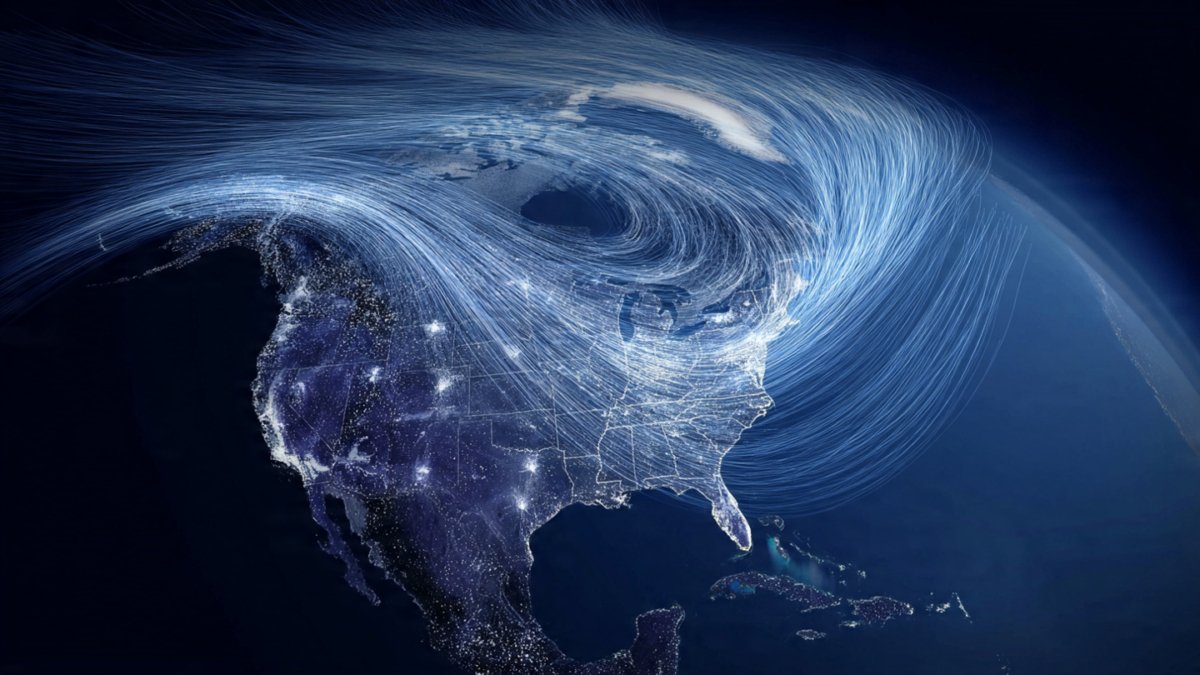
Meteorologists across the globe are closely monitoring a significant atmospheric shift expected to occur earlier than usual this February. According to weather experts, the jet stream—one of the most influential drivers of global weather patterns—is projected to realign weeks ahead of its typical seasonal schedule. This unusual adjustment could have wide-ranging effects, influencing temperatures, precipitation, storm systems, and climate patterns in many regions.
Understanding what this early realignment means requires a closer look at how the jet stream works, why it is shifting ahead of time, and how this change may impact weather conditions in the coming weeks.
Understanding the Jet Stream
The jet stream is a fast-moving ribbon of air that flows high in the atmosphere, typically between 9 and 16 kilometers above the Earth’s surface. It forms where cold polar air meets warmer tropical air, creating sharp temperature contrasts that generate powerful winds.
These winds can reach speeds of over 300 kilometers per hour and play a crucial role in guiding weather systems. Storms, cold fronts, heat waves, and rainfall patterns are often steered by the position and strength of the jet stream.
In winter, the jet stream usually dips southward, allowing cold Arctic air to spread into lower latitudes. As spring approaches, it gradually shifts northward, bringing milder temperatures and more stable weather. This seasonal movement is a normal and predictable cycle—until unusual conditions disrupt it.
What Does “Early Realignment” Mean?
An early realignment refers to the jet stream shifting from its winter configuration to a more spring-like pattern ahead of schedule. Typically, this transition begins in late February or March. However, meteorologists now confirm that this shift is likely to occur in early February this year.
This means the jet stream may move northward sooner than expected, weakening its southern dips and reducing the frequency of deep Arctic air outbreaks. At the same time, it may become more zonal, or west-to-east oriented, allowing milder air masses to dominate large regions.
Such early changes can significantly alter weather trends for the remainder of winter and the early part of spring.
Why Is the Jet Stream Shifting Early?
Several interconnected factors are contributing to this unusual behavior.

Warmer Arctic Temperatures
One major driver is the rapid warming of the Arctic. In recent years, Arctic temperatures have risen faster than the global average. This phenomenon, known as Arctic amplification, reduces the temperature difference between the poles and the equator.
Since the jet stream is powered by this temperature contrast, a weaker gradient leads to changes in its speed and position. As the Arctic remains warmer than normal, the jet stream loses some of its winter strength and shifts northward sooner.
Reduced Snow and Ice Cover
Snow and sea ice play a key role in reflecting sunlight and maintaining cold surface temperatures. When snow and ice levels are lower than average, more solar radiation is absorbed, leading to further warming.
This feedback loop accelerates atmospheric changes and contributes to the premature weakening of winter circulation patterns, including the jet stream.
Ocean Temperature Patterns
Sea surface temperatures also influence atmospheric circulation. Warm anomalies in the Pacific and Atlantic Oceans can alter pressure systems and disrupt traditional jet stream routes.
In particular, ongoing shifts related to El Niño or La Niña conditions can amplify these effects. When ocean temperatures deviate from normal, they send energy upward into the atmosphere, reshaping wind patterns and contributing to early realignment.
Stratospheric Influences
Conditions in the stratosphere, the atmospheric layer above the troposphere, also affect the jet stream. Sudden stratospheric warming events, where temperatures rise rapidly near the North Pole, can weaken the polar vortex.
When the polar vortex becomes unstable, it can trigger changes in the jet stream below, sometimes leading to early seasonal transitions.
Expected Weather Impacts
The early realignment of the jet stream is expected to influence weather patterns in several key ways.

Milder Late-Winter Temperatures
One of the most noticeable effects will likely be warmer-than-average conditions across many mid-latitude regions. As the jet stream shifts north, cold Arctic air is less able to move southward.
This may result in fewer prolonged cold spells, reduced frost events, and higher daytime temperatures. For many areas, late winter could feel more like early spring.
Changes in Storm Tracks
The jet stream acts as a highway for storms. When it shifts, storm paths change as well. An early realignment could push major storm systems farther north, leaving southern regions drier than usual.
Northern regions, on the other hand, may experience increased precipitation, including rain and wet snow. Coastal and high-latitude areas could see more frequent storms and stronger winds.
Reduced Snowfall in Some Areas
With warmer air dominating, snowfall may decrease in regions that typically rely on late-winter snow. Lower elevations and urban areas are especially vulnerable to rain replacing snow.
Mountain regions may still receive snow, but at higher altitudes. This shift could impact water supplies that depend on snowpack for spring and summer runoff.
Increased Weather Variability
While overall trends may lean toward milder conditions, early jet stream shifts often bring increased variability. Rapid temperature swings, sudden storms, and unusual weather patterns may occur as the atmosphere adjusts.
Periods of warmth could be interrupted by brief cold snaps, leading to unstable conditions that challenge forecasting models.
Regional Implications
The impact of an early jet stream realignment will vary by location.

North America
In much of the United States and southern Canada, meteorologists expect warmer-than-average temperatures through February. The Midwest and Northeast may see fewer snowstorms, while the Pacific Northwest and northern Plains could experience more rainfall.
Southern regions may become drier, increasing concerns about early-season drought.
Europe
Parts of Western and Central Europe are likely to experience milder winter conditions. Reduced snowfall in the Alps and other mountain regions could affect tourism and water resources.
Northern Europe may see more frequent storms and unsettled weather due to the jet stream’s new positioning.
Asia
East Asia could experience a weakening of traditional winter monsoon patterns, leading to warmer temperatures and reduced snowfall in some areas. Northern regions may still face cold outbreaks, but these may be shorter and less intense.
Impacts on Agriculture and Ecosystems
The early shift of the jet stream may have significant consequences for agriculture and natural systems.
Warmer temperatures can encourage early plant growth, causing crops and trees to bud prematurely. If a late frost occurs afterward, it can damage blossoms and reduce yields.
Pests and insects may also become active earlier, increasing pressure on farmers. At the same time, reduced snow cover can affect soil moisture levels, influencing planting conditions.
Wildlife patterns may shift as well. Some species may alter migration or breeding cycles in response to changing temperatures, potentially disrupting ecosystems.

Effects on Energy and Infrastructure
Energy demand is closely tied to weather patterns. Milder winters often reduce heating needs, lowering energy consumption. While this can benefit consumers, it may strain energy markets that rely on winter demand.
Infrastructure can also be affected. Freeze-thaw cycles caused by fluctuating temperatures can damage roads, bridges, and water systems. Increased rainfall may raise flood risks in vulnerable areas.
Is This a Sign of Long-Term Climate Change?
Many meteorologists view the early jet stream realignment as part of a broader trend linked to climate change. While natural variability still plays a role, rising global temperatures are altering atmospheric circulation patterns.
Studies suggest that jet stream behavior has become more erratic in recent decades, with increased waviness, slower movement, and unusual seasonal shifts. These changes can lead to prolonged weather extremes, including heat waves, droughts, and heavy rainfall.
The current early realignment fits within this emerging pattern, highlighting the growing influence of climate change on large-scale weather systems.
How Meteorologists Are Monitoring the Situation
Weather agencies are using advanced satellite data, atmospheric models, and ocean observations to track the jet stream’s movement. Continuous monitoring allows forecasters to adjust predictions and issue timely warnings.
Improved computing power has enhanced the accuracy of medium-range and seasonal forecasts, helping governments, farmers, and businesses prepare for potential impacts.
Despite these advances, predicting long-term atmospheric behavior remains complex, and scientists emphasize the importance of flexibility in planning.
What This Means for the Rest of Winter
An early jet stream realignment does not mean winter is over. Cold spells and snowstorms can still occur, especially in northern and elevated regions. However, the overall trend suggests a shorter and milder winter season.

Spring-like conditions may arrive sooner, affecting planting schedules, tourism, and outdoor activities. At the same time, unpredictable weather remains a possibility, requiring continued vigilance.
Conclusion
Meteorologists’ confirmation that the jet stream will realign unusually early this February marks a significant atmospheric development. Driven by Arctic warming, ocean temperature changes, and shifting pressure systems, this early transition is likely to bring milder temperatures, altered storm tracks, and increased weather variability.
While some regions may benefit from reduced cold and lower heating costs, others may face challenges related to water resources, agriculture, and infrastructure. More broadly, this phenomenon reflects the growing influence of climate change on global weather systems.
As scientists continue to study these evolving patterns, one thing is clear: understanding and adapting to changing atmospheric behavior will be essential in an era of increasingly unpredictable weather. The early realignment of the jet stream serves as another reminder that seasonal norms are no longer as reliable as they once were.

Leave A Comment