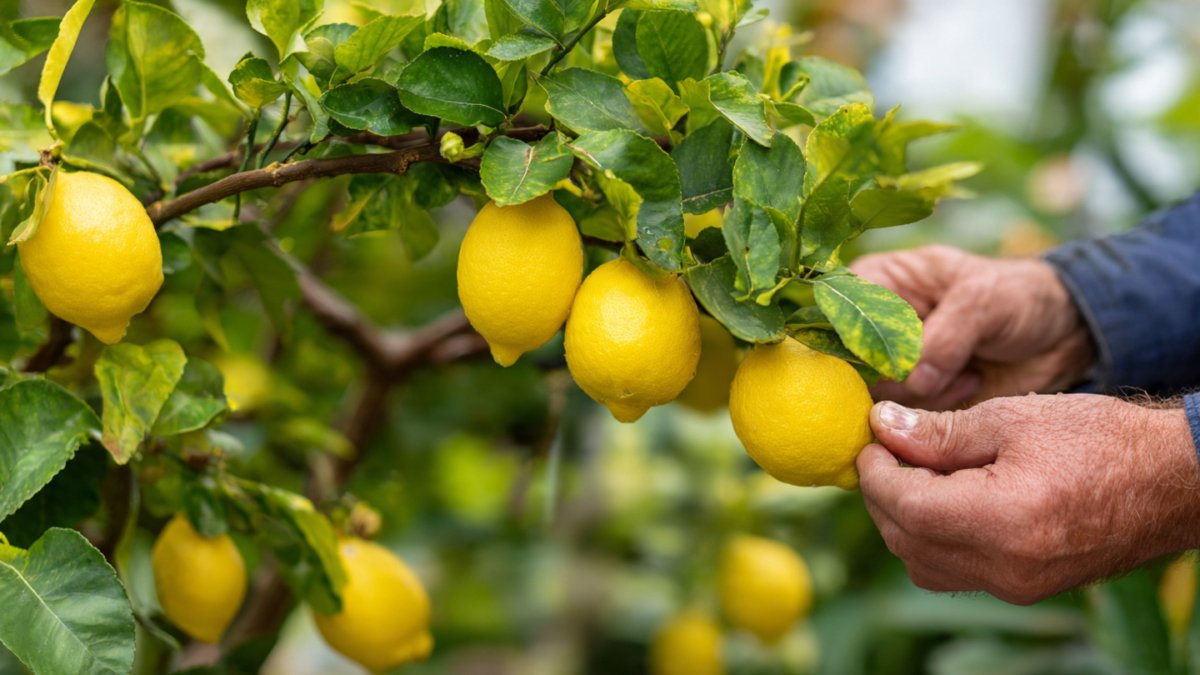
Lemon trees are among the most popular fruit trees grown in home gardens and orchards, celebrated for their refreshing citrus fruits and aromatic foliage. While growing lemon trees from seeds is possible, it often takes years before they bear fruit, and the quality of the fruit can be unpredictable. This is where grafting comes into play—a horticultural technique that allows you to grow high-yield, disease-resistant lemon trees much faster. By carefully combining the best characteristics of two plants, grafting ensures early fruiting, consistent quality, and enhanced vigor. In this guide, we’ll take you through a step-by-step process of lemon grafting, offering tips and tricks for both beginners and experienced gardeners.
Why Graft Lemon Trees?
Before diving into the technique, it’s important to understand why grafting is so beneficial:
- Faster Fruit Production – Seed-grown lemon trees may take 5–7 years to produce fruit. Grafted trees often start fruiting within 2–3 years.
- Consistent Fruit Quality – Grafting allows you to propagate lemon varieties with desirable traits, ensuring uniform taste, size, and aroma.
- Disease Resistance – Selecting rootstocks with resistance to soil-borne diseases improves tree health and longevity.
- Vigor and Adaptability – Certain rootstocks enhance tree growth, drought tolerance, and soil adaptability.
- Space Efficiency – Grafted trees tend to have a controlled growth habit, which is ideal for orchards or home gardens.
Understanding these benefits sets the stage for why grafting is often preferred over traditional seed propagation, especially for gardeners seeking high yield and quality.

Choosing the Right Rootstock and Scion
Successful grafting depends heavily on selecting the right rootstock and scion.
- Rootstock: This is the lower portion of the graft that develops the root system. Choose rootstocks that are disease-resistant, hardy, and suited to your soil type. Popular rootstocks for lemon include Sour Orange (Citrus aurantium), Trifoliate Orange (Poncirus trifoliata), and Rough Lemon (Citrus jambhiri).
- Scion: This is the upper portion of the graft, which determines the fruit variety. Choose healthy, disease-free lemon branches from a tree known for good yield and flavor. Popular scion varieties include Eureka, Lisbon, and Meyer Lemon.
The ideal combination balances disease resistance, growth vigor, and fruit quality.
Best Time for Grafting
Timing is crucial for successful grafting:

- Spring (March to May) is generally ideal because trees are actively growing, and sap flow is high.
- Avoid grafting during extreme heat or cold, as it can reduce the chances of the scion taking successfully.
- Ensure both rootstock and scion are healthy and actively growing before starting the graft.
Step-by-Step Lemon Grafting Techniques
There are several grafting methods, but the most popular for lemons are T-budding, cleft grafting, and side veneer grafting. We’ll focus on cleft grafting here, which is beginner-friendly and effective for high-yield trees.
Materials Needed
- Sharp grafting knife or razor blade
- Rootstock (young lemon tree)
- Scion (healthy lemon branch, 6–8 inches long, with 2–3 buds)
- Grafting tape or parafilm
- Pruning shears
- Disinfectant (70% alcohol)
Step 1: Preparing the Rootstock
- Select a healthy, young lemon tree with a sturdy trunk, about 1–2 years old.
- Cut the top of the rootstock straight across, approximately 6–12 inches above the ground, leaving a strong, healthy stem.
- Make a vertical split about 1–2 inches deep at the center of the cut using a grafting knife. This split will hold the scion.
Step 2: Preparing the Scion
- Choose a scion that is 6–8 inches long with 2–3 healthy buds.
- Cut the bottom of the scion into a wedge shape (V-shaped cut), tapering the ends for insertion.
- Ensure your knife is sharp and clean to prevent infection and improve contact between the cambium layers.
Step 3: Inserting the Scion
- Carefully insert the wedge-shaped scion into the vertical split of the rootstock.
- Align the cambium layers of the scion and rootstock as closely as possible. The cambium is the green layer just under the bark, and proper alignment is crucial for nutrient flow.
- Press gently to ensure a snug fit.
Step 4: Securing the Graft
- Wrap the graft union tightly with grafting tape or parafilm.
- Cover the scion completely while leaving the top buds exposed.
- This prevents moisture loss and protects against infection.
Step 5: Aftercare
Proper care after grafting determines success:
- Watering: Keep the soil around the rootstock moist but not waterlogged.
- Shade: Provide partial shade for 1–2 weeks to reduce stress on the graft.
- Pruning: Remove any shoots from the rootstock below the graft to direct energy to the scion.
- Monitoring: Check the graft weekly for signs of infection, drying, or poor alignment.
Typically, the graft will take 2–4 weeks. You will know it’s successful if the scion buds start swelling and new leaves appear.

Common Challenges and How to Overcome Them
Even with careful technique, grafting can encounter challenges:
- Scion Dieback: Often due to poor cambium alignment or dehydration. Solution: Ensure tight contact and wrap securely.
- Infection: Fungal or bacterial infection may occur. Solution: Sterilize tools and monitor graft for discoloration or ooze.
- Poor Growth: If the rootstock outgrows the scion, prune the rootstock shoots to encourage scion dominance.
With attention to detail, success rates for cleft grafting can reach 70–90%.
Advantages of Grafted Lemon Trees
Grafted lemon trees offer several advantages beyond faster fruiting:

- Uniformity: All fruits have the same size, taste, and quality.
- Longevity: Grafted trees tend to live longer and maintain productivity.
- Adaptability: Trees can tolerate various soils and climates depending on rootstock selection.
- High Yield: Proper care and grafting technique result in abundant fruit year after year.
Harvesting and Maintenance
Once the grafted tree is established:
- Expect fruit in 2–3 years, depending on variety and care.
- Regular watering, fertilization, and pruning help maximize yield.
- Use well-balanced fertilizers with nitrogen, phosphorus, and potassium to support flowering and fruiting.
- Monitor for pests like aphids, citrus leaf miners, and scale insects. Neem oil or horticultural soap can help manage infestations.
Tips for High-Yield Grafting Success
- Choose healthy scions from productive, disease-free lemon trees.
- Practice proper sanitation with sterilized knives and tape to prevent infection.
- Graft during active growth periods to increase success rate.
- Provide proper post-grafting care, including watering, shading, and monitoring.
- Use compatible rootstock and scion combinations for best results.
By following these guidelines, even novice gardeners can achieve healthy, productive lemon trees that consistently produce high-quality fruits.
Conclusion
Grafting is a transformative technique that allows gardeners to bypass the long wait associated with seed-grown lemon trees while ensuring fruit quality, disease resistance, and high yields. By carefully selecting rootstock and scion, mastering proper cleft grafting techniques, and providing attentive aftercare, you can grow lemon trees that start producing fruit in just a few years.

Whether you are a home gardener looking to enjoy fresh lemons or an orchardist aiming for commercial production, grafting offers a reliable and efficient pathway to success. With patience, precision, and the step-by-step techniques outlined above, you can cultivate vigorous, high-yield lemon trees that provide abundant, flavorful fruits for years to come.

Leave A Comment