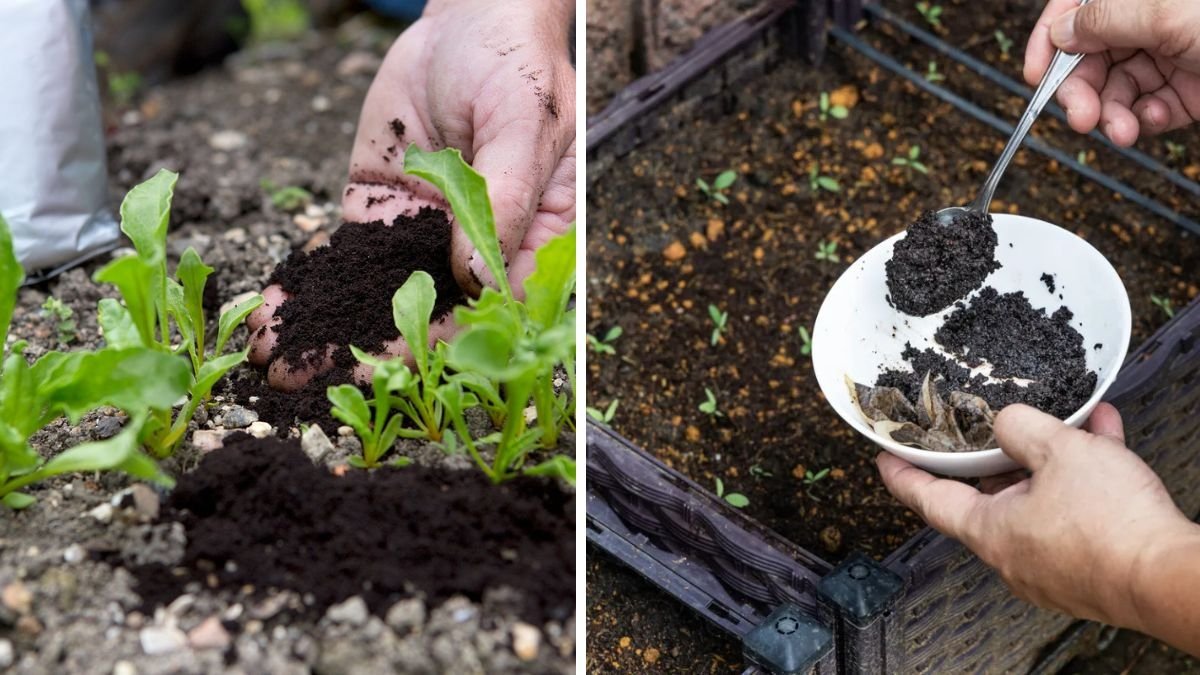
Keeping your garden healthy and pest-free doesn’t always require chemical sprays or expensive treatments. Sometimes, the best solutions are already sitting in your kitchen! Coffee grounds are one of the most popular natural pest deterrents among organic gardeners. They’re free, earth-friendly, and surprisingly effective when used correctly. If you’ve been tossing your used coffee grounds into the trash, you’re missing out on a powerful tool that can help protect your plants while improving your soil.
In this complete guide, you’ll learn why coffee grounds work, which pests they repel, and how to use them safely and effectively in your garden.
Why Coffee Grounds Work as a Pest Deterrent
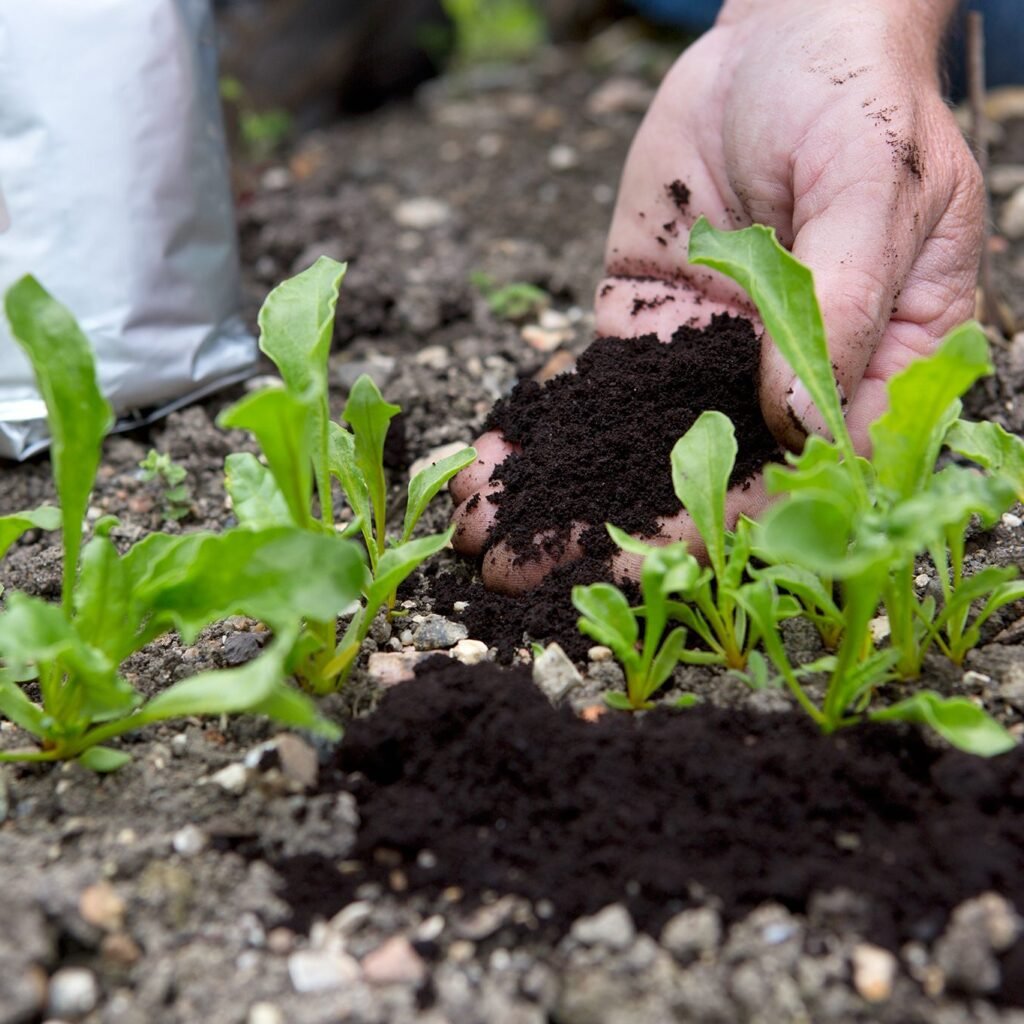
Used coffee grounds offer a combination of properties that make pests think twice before entering your garden:
1. Strong Scent
Many insects and animals dislike the strong, bitter smell of coffee. When grounds are sprinkled around plants, they create a scent barrier that pests avoid.
2. Abrasive Texture
Coffee grounds have a slightly gritty feel. This texture is irritating to soft-bodied pests like slugs, snails, and some caterpillars.
3. Chemical Compounds
Coffee contains caffeine and diterpenes—naturally occurring chemicals that help protect coffee plants from insects. These compounds can deter harmful pests when applied to the soil surface.
4. Soil Benefits
In addition to pest control, coffee grounds improve soil structure, boost microbial activity, and add small amounts of nitrogen—all of which support stronger, more pest-resistant plants.
Which Garden Pests Coffee Grounds Can Help Repel
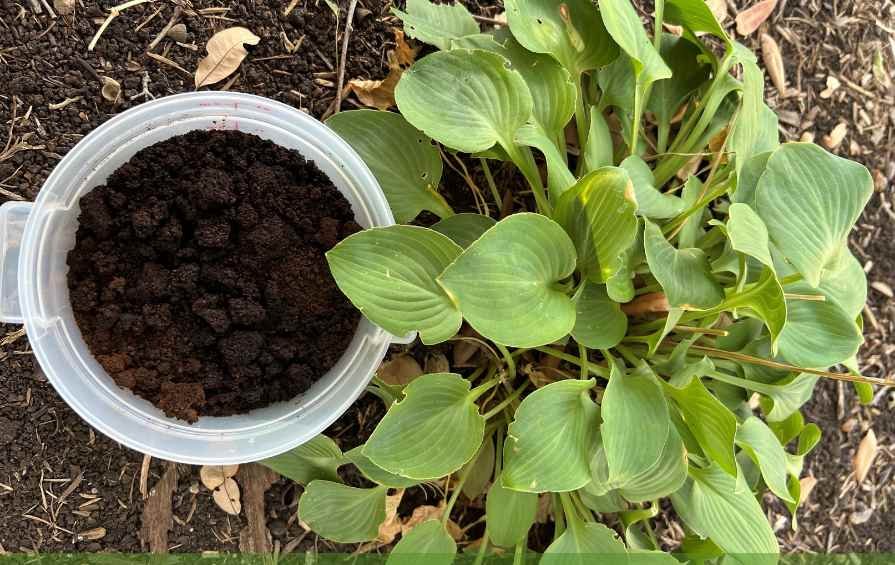
While coffee grounds aren’t a cure-all, they can help reduce the presence of several common pests:

1. Slugs and Snails
These soft-bodied creatures avoid crawling over gritty, abrasive textures—making coffee grounds an effective natural barrier around vulnerable plants.
2. Ants
Ants dislike strong scents, and many gardeners report that coffee grounds help break ant trails or discourage colony activity.
3. Aphids
The strong smell and natural chemicals in coffee can make aphids less likely to attack tender new plant growth.
4. Cats (as garden intruders)
If neighborhood cats treat your garden like a litter box, coffee grounds can discourage them. Cats dislike the smell and will avoid treated areas.
5. Mosquitoes
When coffee grounds are burned (outdoors only), they can help repel mosquitoes with their smoke aroma.
6. Beetles
Some beetle species avoid caffeine-rich areas.
How to Use Coffee Grounds to Deter Garden Pests: 6 Effective Methods
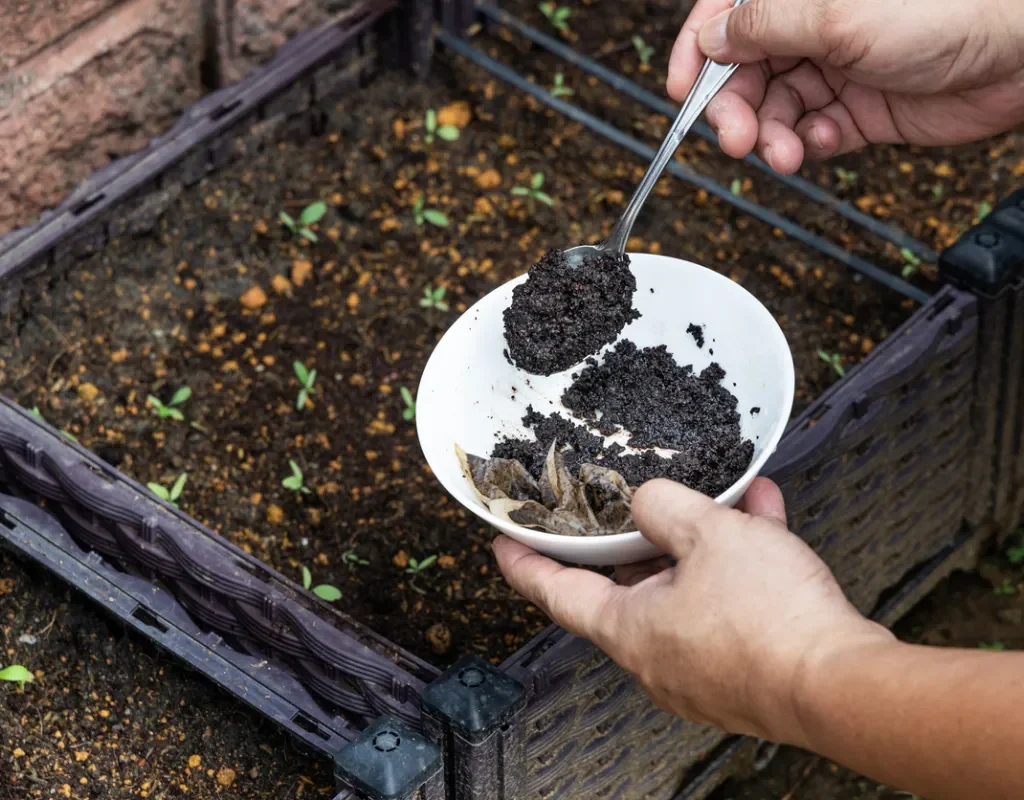
Let’s explore the smartest and safest ways to put your spent coffee grounds to work in the garden.
1. Sprinkle Coffee Grounds Around Plant Bases
This is the simplest and most common method.

How to Do It:
- Spread used, dried coffee grounds in a thin ring around your plants.
- Keep the layer light—about ½ inch deep.
- Reapply after heavy rain.
Best For:
Slugs, snails, ants, and general pest prevention.
Tip:
Always dry the grounds before applying. Wet coffee grounds can clump and grow mold.
2. Mix Coffee Grounds Lightly Into the Soil
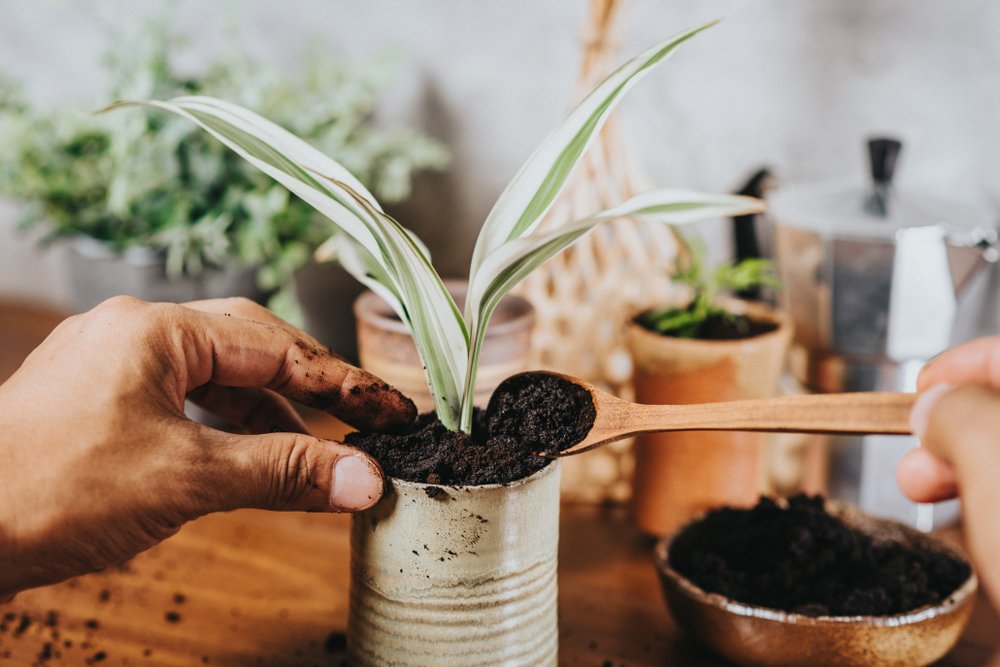
When incorporated into garden soil, coffee grounds deter pests while improving soil texture and drainage.
How to Do It:
- Mix 1 part dried grounds with 3 parts soil or compost.
- Avoid adding more than 10–15% coffee grounds to the planting area.
Best For:
Aphid prevention and boosting plant vigor.
Good for:
Vegetables, herbs, roses, and ornamentals.
3. Create a Coffee Ground and Citrus Barrier
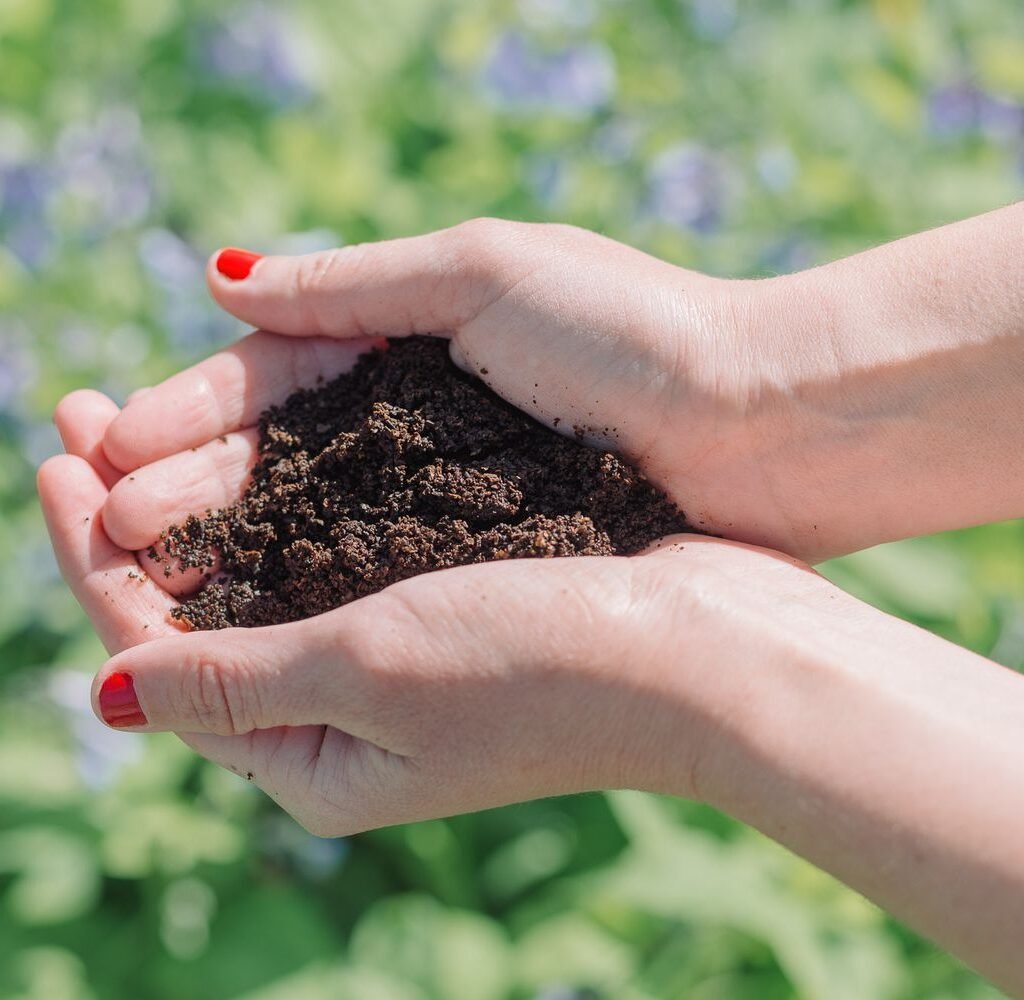
Citrus peels (orange, lemon, lime) also repel pests. Combine them with coffee for double the power.
How to Do It:
- Scatter coffee grounds and small citrus peel pieces around beds.
- Refresh weekly.
Best For:
Cats, slugs, beetles, and ants.
Why It Works:
Citrus + coffee = a strong scent pests avoid.

4. Use Coffee Grounds as an Ingredient in Compost Tea
Compost tea brewed with coffee grounds can be sprayed onto plants to reduce aphid infestations.
How to Do It:
- Add 1–2 cups of used coffee grounds to a 5-gallon compost tea brew.
- Let steep 24–48 hours.
- Strain and spray onto plant leaves.
Best For:
Aphids, mites, and soft-bodied insects.
Note:
Do not spray too often—once every 2–3 weeks is plenty.
5. Burn Coffee Grounds to Repel Mosquitoes (Outdoor Use Only)
Burning used coffee grounds safely produces a smoke that mosquitoes avoid.
How to Do It:
- Place dry coffee grounds in a heat-safe bowl.
- Ignite gently until they smolder.
- Place near outdoor seating areas.
Best For:
Mosquito control during outdoor events.
Warning:
Never burn indoors. Ensure proper ventilation.
6. Add Coffee Grounds to Your Mulch Mix
Mulch made with a small amount of coffee grounds can repel pests and boost soil health.
How to Do It:
- Mix dried coffee grounds into mulch at a ratio of 1:4.
- Spread evenly around plants.
Best For:
Reducing slugs, beetles, and ants while improving moisture retention.

☕ Common Mistakes to Avoid When Using Coffee Grounds
While coffee grounds are helpful, using them the wrong way can harm plants. Avoid these mistakes:
Using Thick Layers
This can compact into a mat that blocks water.
Using Undried Grounds
Wet grounds can lead to molds and fungus.
Overusing Coffee Grounds
Too much can make soil overly acidic (not ideal for most veggies).
Using Fresh, Unused Grounds
Unused grounds are more acidic than used ones. Stick to brewed grounds unless your plant specifically loves acidic soil (like blueberries or hydrangeas).
Plants That Love Coffee Grounds
Coffee grounds can be especially beneficial to:
- Roses
- Tomatoes
- Carrots
- Radishes
- Azaleas
- Blueberries
- Hydrangeas (for blue blooms)
These plants appreciate nitrogen-rich amendments and will benefit from the soil improvement coffee provides.
Plants That Don’t Do Well with Coffee Grounds
Avoid using them around:

- Seedlings (too strong)
- Brassicas (cabbage, kale, broccoli)
- Geraniums
- Alfalfa
Coffee grounds can stunt growth in sensitive plants if used too heavily.
Final Thoughts: A Simple, Eco-Friendly Solution for Garden Pests
Coffee grounds are one of the easiest, most sustainable ways to keep pests away from your garden. Whether you’re dealing with slugs, ants, aphids, mosquitoes, or just want healthier soil, this kitchen waste product can make a big difference when used correctly.
The best part?
You’re reusing something you already have—saving money while supporting a healthier garden ecosystem.
So tomorrow morning, don’t throw your coffee grounds away.

Leave A Comment