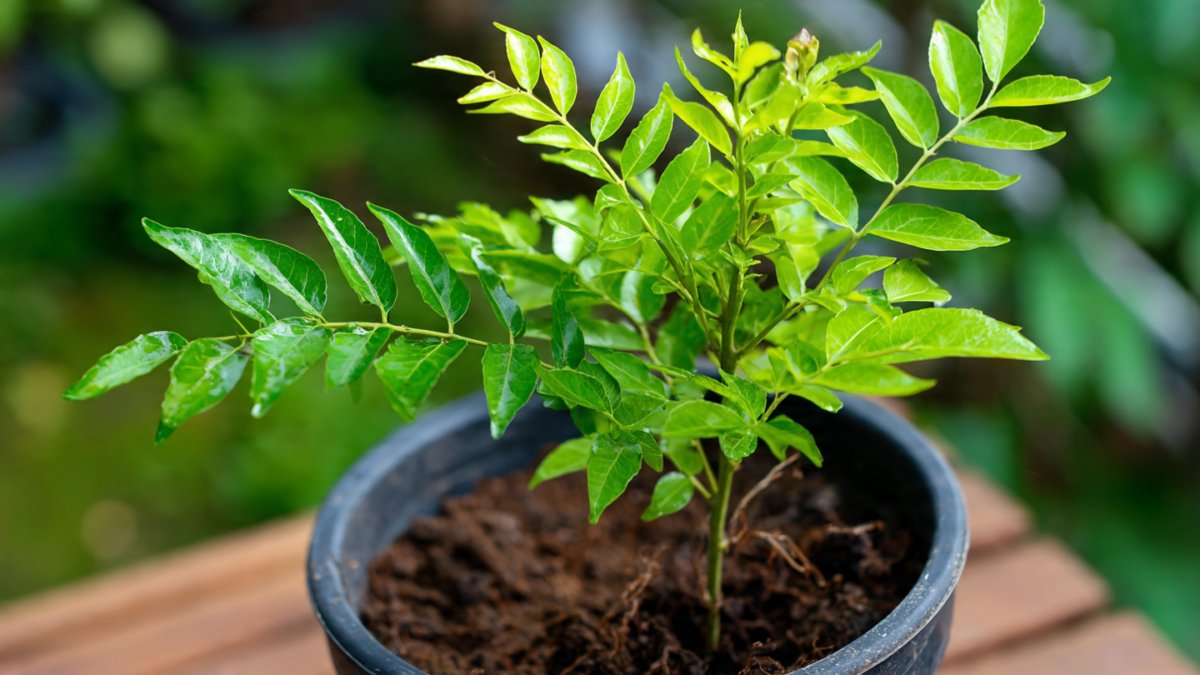
The curry leaf tree (Murraya koenigii) is more than just a culinary delight—it’s a symbol of tradition, health, and flavor in many kitchens around the world. Known for its aromatic leaves, which are indispensable in Indian and Southeast Asian cuisine, this plant also offers numerous health benefits, from improving digestion to providing antioxidants. While many gardeners start curry leaf trees from seeds, growing a tree from a mature stem can be faster, more reliable, and often leads to a stronger plant. If you’ve ever wondered how to grow a thriving curry leaf tree from a mature stem, this guide provides simple, actionable steps and essential tips to ensure success.
Why Choose a Mature Stem?
Growing a curry leaf tree from a mature stem has distinct advantages over seed propagation. Mature stems, sometimes called cuttings, are taken from an already established plant. Unlike seeds, which can take months to germinate and may not always produce strong, true-to-type plants, cuttings have already developed some growth characteristics and are likely to thrive more quickly. Using a mature stem also allows you to bypass the unpredictable germination phase and enjoy a robust tree sooner.
Cuttings from mature stems are more resilient, often carry genetic traits from the parent plant, and tend to produce leaves earlier than seedlings. This makes the method particularly appealing for gardeners who want a quicker yield or live in climates where seed germination can be challenging.

Selecting the Right Stem
The first step in successful propagation is choosing the right stem. Here’s what to look for:
- Age and Size: Opt for a semi-hardwood stem, which is neither too young nor too old. A stem about 6-8 inches long with a diameter of 0.5–1 inch works best. Semi-hardwood cuttings strike the perfect balance—they are mature enough to withstand transplanting but still capable of producing new roots.
- Health: Ensure the stem is healthy, free from pests or disease, and exhibits vibrant, green leaves. Avoid stems that are wilted, brown, or brittle.
- Leaf Nodes: The cutting should have several leaf nodes (points where leaves emerge). These nodes are crucial for rooting since new roots often develop near them.
- Source Plant: Ideally, select a cutting from a well-established, thriving curry leaf tree. The quality of the parent plant significantly affects the cutting’s survival and growth.
Preparing the Stem
Proper preparation increases the chances of successful rooting. Follow these steps carefully:
- Pruning: Remove the lower leaves from the stem, leaving 3-4 leaves at the top. This reduces water loss through transpiration and helps the cutting focus its energy on root development.
- Optional Rooting Hormone: Dip the cut end of the stem in a rooting hormone powder or gel. Rooting hormones contain auxins that stimulate root formation and improve success rates. While not strictly necessary, they are highly recommended, especially for beginners.
- Trimming: Trim any damaged or large leaves to prevent excessive moisture loss. The aim is to reduce stress on the cutting while maintaining enough leaf area for photosynthesis.
Choosing the Right Growing Medium
Curry leaf cuttings need a well-draining medium to prevent rot while retaining some moisture for root development. Here are popular options:

- Sandy Soil: Provides excellent drainage but may require more frequent watering.
- Cocopeat or Peat Moss: Retains moisture without becoming waterlogged, making it ideal for rooting.
- Sand and Soil Mix: A 1:1 mix of garden soil and coarse sand creates a balanced medium that supports root growth while preventing stagnation.
Whatever medium you choose, ensure it is light, airy, and free from pathogens. Sterilizing the soil by baking it in the oven or microwaving can help reduce fungal contamination.
Planting the Stem
Planting a curry leaf cutting correctly is critical for its survival:
- Pot Selection: Use a small pot with drainage holes. Drainage is essential to prevent waterlogging, which can cause the cutting to rot.
- Planting Depth: Insert the cutting 2–3 inches deep into the medium, ensuring that at least two nodes are buried while the top nodes remain above soil. Firmly press the soil around the stem to eliminate air pockets.
- Initial Watering: Water gently but thoroughly after planting. The soil should be moist but not soggy. Overwatering can be fatal at this stage.
- Humidity: Curry leaf cuttings thrive in humid conditions. Cover the pot with a clear plastic bag or dome to create a mini greenhouse. Ensure the covering does not touch the leaves and allow some airflow to prevent fungal growth.
Placement and Light
The right environmental conditions make all the difference in rooting success:

- Light: Place the cutting in bright, indirect sunlight. Direct sun can stress the cutting and cause leaves to burn, while too little light slows root formation. A spot near a window or shaded outdoor area works well.
- Temperature: Maintain a warm temperature between 25–30°C (77–86°F). Curry leaf trees are tropical plants and do not tolerate cold.
- Air Circulation: Ensure gentle air circulation to prevent mold and fungal infections while maintaining humidity.
Watering and Care
Caring for a curry leaf cutting requires careful attention:
- Watering Frequency: Check the moisture of the soil daily. Water lightly when the top inch feels dry. Avoid overwatering, which is a common cause of cutting failure.
- Fertilizing: Avoid fertilizing until roots are well-established (typically 4–6 weeks). Once roots develop, use a diluted, balanced liquid fertilizer to encourage healthy growth.
- Monitoring Growth: Look for signs of new leaves, which indicate successful rooting. This may take 3–6 weeks, depending on environmental conditions.
Transplanting to a Larger Pot or Garden
Once the cutting establishes roots and begins active growth, it’s time to move it to a larger pot or directly into the garden:
- Timing: Wait until the cutting develops a strong root system and at least 6–8 new leaves.
- Soil Preparation: Use nutrient-rich, well-draining soil for transplanting. Adding compost or organic matter improves fertility.
- Acclimatization: Gradually expose the plant to more sunlight and outdoor conditions to prevent shock.
Common Problems and Solutions
Even with proper care, you may encounter challenges. Here are some tips:

- Yellowing Leaves: Often caused by overwatering or nutrient deficiency. Adjust watering frequency and consider adding mild fertilizer.
- Pests: Aphids, mealybugs, and spider mites can attack young cuttings. Use neem oil or insecticidal soap to control infestations.
- Root Rot: This occurs if soil is waterlogged. Ensure proper drainage and avoid excessive watering.
Essential Tips for Success
- Use Healthy Parent Plants: The quality of the cutting directly affects success. Always choose a strong, mature parent tree.
- Patience is Key: Rooting may take several weeks, so avoid disturbing the cutting too frequently.
- Regular Pruning: Once the tree grows, pruning encourages bushier growth and more leaves for harvesting.
- Mulching: Apply organic mulch around the base to retain moisture, regulate temperature, and suppress weeds.
- Container Gardening: Curry leaf trees thrive in pots, making them ideal for balconies or patios. Ensure the container is large enough for root growth.
Harvesting Leaves
Curry leaves can be harvested once the plant is well-established, typically after 6–12 months from a cutting. Pick leaves from the top and outer branches to encourage further growth. Avoid stripping the plant, as this can stress it. Fresh leaves are best used immediately, but they can also be frozen for later use without losing aroma or flavor.
Final Thoughts
Growing a curry leaf tree from a mature stem is a rewarding endeavor, offering both culinary delight and aesthetic value. While it requires careful attention to detail—selecting the right stem, preparing it properly, providing optimal conditions, and monitoring growth—the process is straightforward and highly rewarding. By following these simple steps and essential tips, you can enjoy a thriving curry leaf tree that enhances your dishes, contributes to your garden’s beauty, and provides a satisfying gardening experience. With patience, proper care, and a little nurturing, your curry leaf tree can flourish for many years, offering a continuous supply of aromatic leaves and a deeper connection to the traditions of cooking and gardening. of aromatic leaves and a deeper connection to the traditions of cooking and gardening.


Leave A Comment