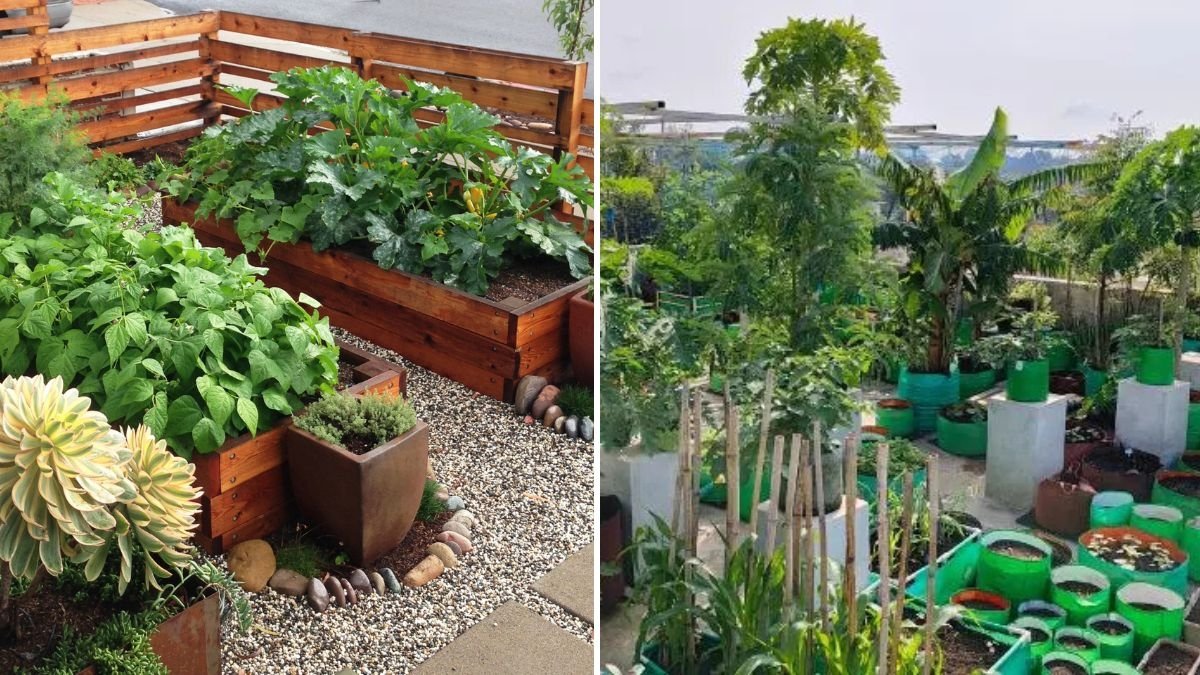
Growing your own food is one of the most satisfying things you can do, and you don’t need a big backyard to get started. A terrace—whether large or small—can become a thriving organic kitchen garden that produces fresh vegetables, herbs, and even fruits all year round. Terrace gardening is becoming increasingly popular, especially in urban areas, because it transforms otherwise unused space into a productive, green oasis.
In this detailed guide, you’ll learn exactly how to start an organic kitchen garden on your terrace, what tools you’ll need, which plants grow best in containers, and the step-by-step method to set up a healthy, chemical-free garden.
Why Choose Organic Terrace Gardening?
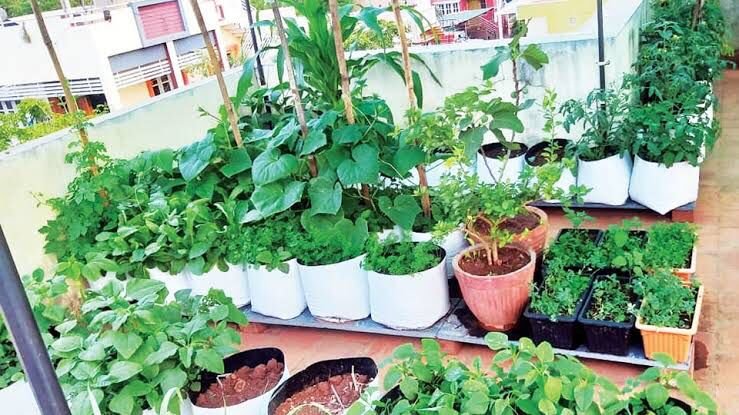
Organic terrace gardening offers many benefits beyond just fresh vegetables:
- Chemical-free food: You control what goes into the soil, ensuring no pesticides or harmful chemicals touch your produce.
- Saves money: Homegrown herbs and vegetables are cheaper than store-bought ones.
- Space efficient: Terraces are perfect for container gardening and vertical setups.
- Healthier produce: Freshly harvested vegetables have better taste and nutrient levels.
- Stress relief: Gardening is therapeutic and helps reduce stress after long workdays.
- Eco-friendly: Growing plants helps improve air quality and reduce carbon footprint.
With basic planning, your terrace can become a mini-farm filled with vibrant plants that feed your family year-round.
Step-by-Step Guide to Start Your Terrace Kitchen Garden
1. Evaluate Your Terrace Space
Before buying pots and seeds, take time to understand your terrace conditions:
Check Sunlight
Most vegetables require 4–6 hours of direct sunlight.
Identify sunny and partially shaded areas—this helps in choosing the right plants.

Check Weight Capacity
Terraces can hold significant weight, but avoid waterlogging or overly heavy pots.
If uncertain, consult a structural engineer.
Ensure Waterproofing & Drainage
Your terrace floor must have proper waterproofing to prevent seepage.
Good drainage ensures water does not accumulate and damage the structure.
2. Gather the Essential Gardening Tools
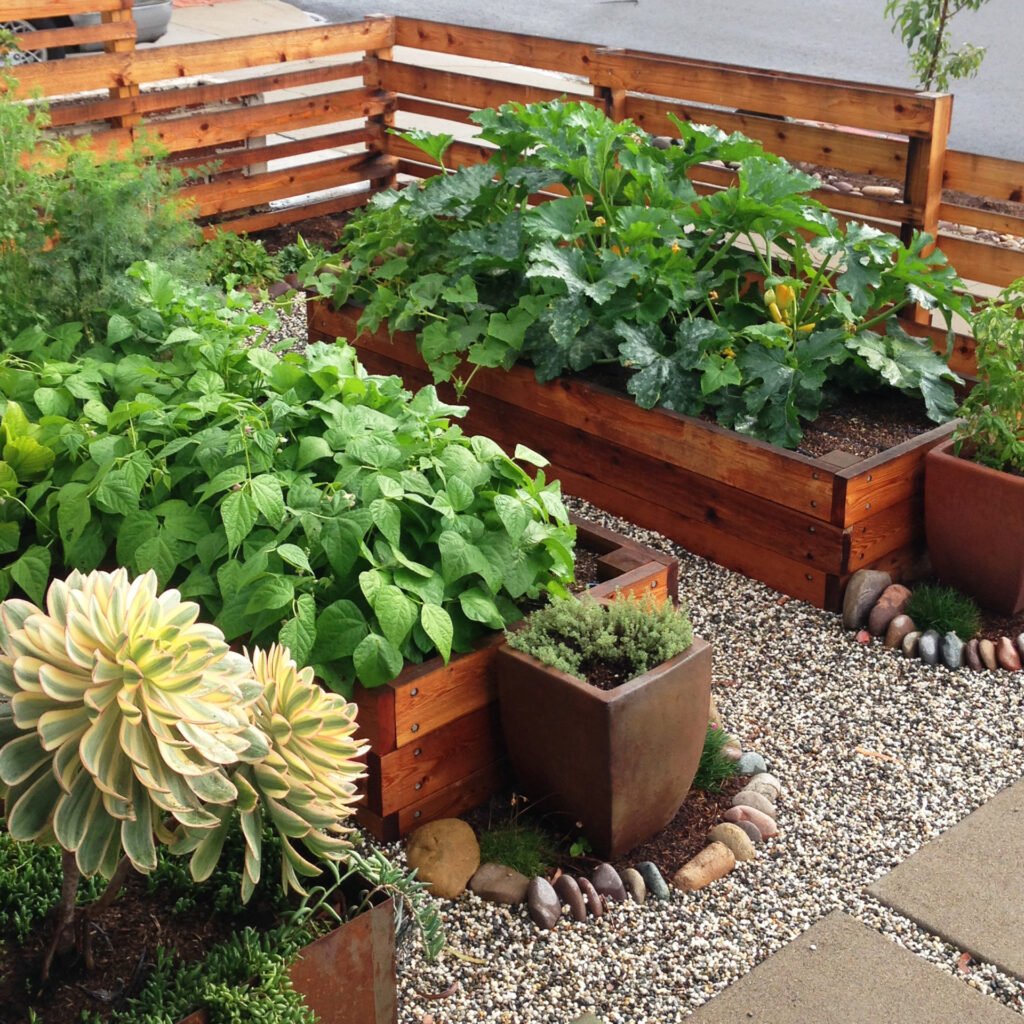
Starting a terrace garden is easier with basic tools such as:
- Gardening gloves
- Watering can/spray bottle
- A small hand trowel and fork
- Pruning scissors
- Organic fertilizer or compost
- Mulch (cocoa shells, straw, dry leaves)
- Quality potting mix
- Sturdy pots and grow bags
You don’t need all tools at once—start simple and upgrade later if needed.
3. Choose the Right Containers
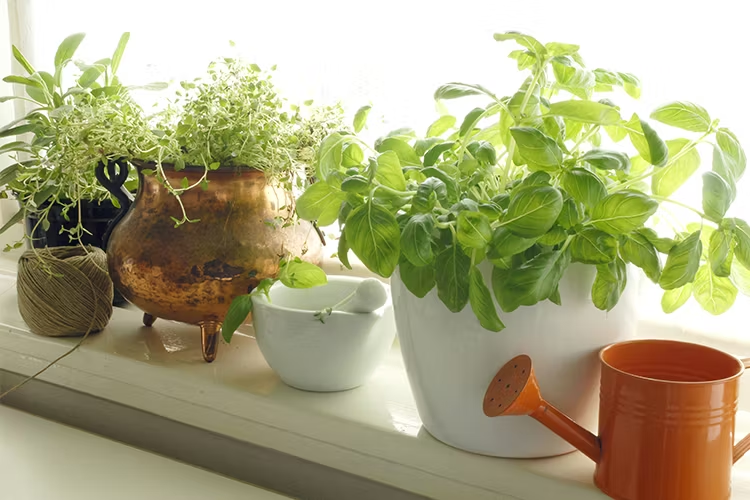
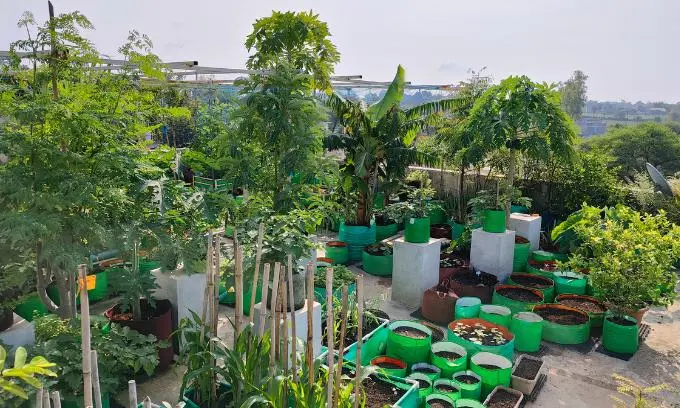
Containers are the backbone of terrace gardening. Almost any container can work as long as it has proper drainage holes.
Types of Containers You Can Use
- Terracotta pots
- Plastic pots
- Metal planters
- Cement pots
- Fabric grow bags (most recommended)
- Recycled buckets or crates
Container Size Guide
- Leafy greens (Spinach, Lettuce): 6–8 inches deep
- Tomatoes, Brinjals, Peppers: 12–15 inches deep
- Root vegetables (Carrot, Beetroot): 10–12 inches deep
- Herbs (Mint, Basil, Coriander): 6-inch pots
- Creepers (Cucumber, Beans, Bottle Gourd): Large grow bags + trellis
Choose lightweight yet durable containers so they don’t overload the terrace.

4. Prepare a High-Quality Organic Potting Mix
Soil is the heart of organic gardening. Plants in containers need loose, nutrient-rich, well-draining soil.
The Ideal Organic Potting Mix Recipe:
- 40% Cocopeat (retains moisture, lightweight)
- 30% Compost (vermicompost or homemade)
- 20% Garden soil
- 10% Sand / Perlite (improves drainage)
You can also add:
- Neem cake powder (to prevent pests)
- Cow dung manure
- Bone meal (for flowering plants)
A good potting mix gives strong roots and steady plant growth.
5. Choose the Best Crops for a Terrace Kitchen Garden
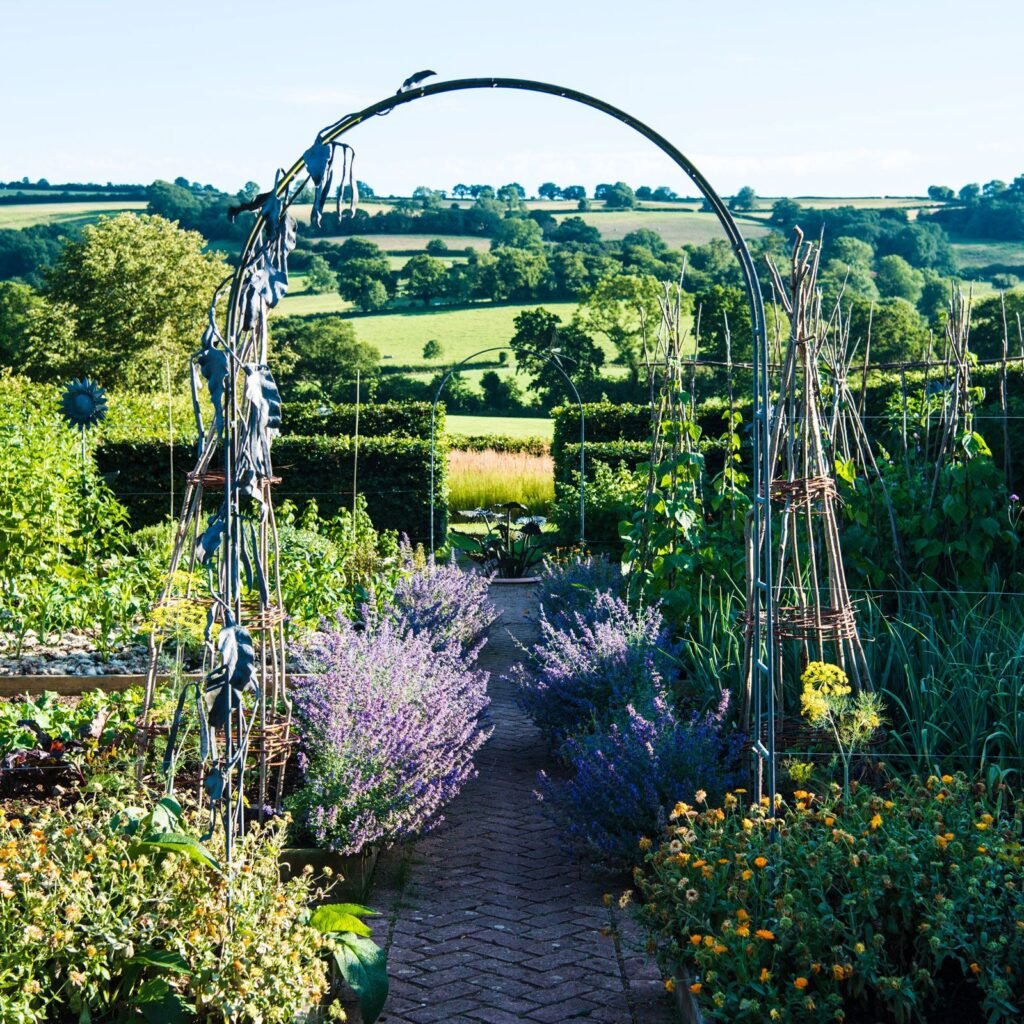
Start with easy, low-maintenance vegetables and herbs. Once you gain confidence, expand to advanced crops like gourds and fruit trees.
Best Vegetables for Beginners
- Spinach
- Amaranthus
- Fenugreek (Methi)
- Coriander
- Lettuce
- Cherry tomatoes
- Chillies
- Brinjal
- Okra
Root Vegetables
- Radishes
- Carrots (choose short varieties)
- Beetroots
- Onions
- Garlic
Herbs to Grow
- Mint
- Basil
- Curry leaves
- Oregano
- Thyme
- Ginger
Climbers / Creepers
Perfect for trellises:
- Beans
- Cucumber
- Bottle gourd
- Bitter gourd
- Ridge gourd
Terrace-friendly Fruits
- Strawberries
- Lemons (dwarf variety)
- Guava (in large pots)
- Papaya (in huge containers)
- Figs
Choose plants depending on your terrace sunlight, climate, and available space.

6. Start Planting: Seeds vs Saplings
Growing from Seeds
- More economical
- Gives stronger, adaptable plants
- Ideal for leafy greens, herbs, and root vegetables
Using Saplings
- Great for beginners
- Saves time
- Ideal for tomatoes, brinjals, and peppers
Follow these steps when sowing seeds:
- Fill a germination tray with seed-starting mix.
- Sow seeds shallowly, cover lightly with soil.
- Keep the tray moist and in partial sunlight.
- Transplant seedlings once they have 3–4 true leaves.
7. Watering Your Terrace Garden Properly
Overwatering is the biggest mistake beginners make.
Rules for Perfect Watering
- Water early morning or late evening.
- Water only when the top 1 inch of soil feels dry.
- Use a watering can with a rose head to avoid soil erosion.
- Mulch the soil surface to retain moisture.
In summers, daily watering may be needed. During monsoons, reduce watering significantly.
8. Use Organic Fertilizers to Boost Growth
Plants in containers need frequent nutrient replenishment.
Best Organic Fertilizers for Terrace Gardening
- Vermicompost
- Cow dung compost
- Mustard cake solution
- Banana peel fertilizer
- Compost tea
- Seaweed extract
- Eggshell powder
Apply fertilizers every 15–20 days for healthy growth.
9. Pest Control the Organic Way
Even terrace gardens attract pests like aphids, mealybugs, caterpillars, and whiteflies.

Organic Solutions
- Neem oil spray (weekly)
- Soap water spray (for soft-bodied insects)
- Garlic-chilli spray (natural repellent)
- Introducing beneficial insects like ladybugs
- Picking caterpillars manually
Avoid chemical pesticides at all costs—they kill good microbes and harm soil health.
10. Use Vertical Gardening to Save Space
If your terrace is small, vertical gardening is the perfect solution.
Ideas to Maximize Space
- Wall-mounted planters
- Hanging pots
- Vertical racks
- Trellises for climbers
- Multi-tier stands
Vertical gardening improves airflow, saves floor space, and makes your terrace look beautiful.
11. Ensure Proper Maintenance
Your terrace garden will thrive with weekly care routines:
- Remove weeds
- Prune dead leaves
- Check for pests
- Loosen topsoil for aeration
- Re-pot crowded plants
- Support tall plants with stakes
Maintaining your garden consistently gives you healthier yields.
Final Thoughts: Your Terrace Garden Can Become a Green Paradise
Starting an organic kitchen garden on your terrace may seem challenging at first, but once you take the initial steps, it becomes an enjoyable part of your daily routine. With every new leaf, flower, and harvest, you’ll feel more connected to nature—right from your own home.

Whether you want pesticide-free vegetables, a peaceful hobby, or a way to brighten your terrace, organic gardening is the perfect solution. Start small, learn from each season, and slowly grow your green kingdom.

Leave A Comment