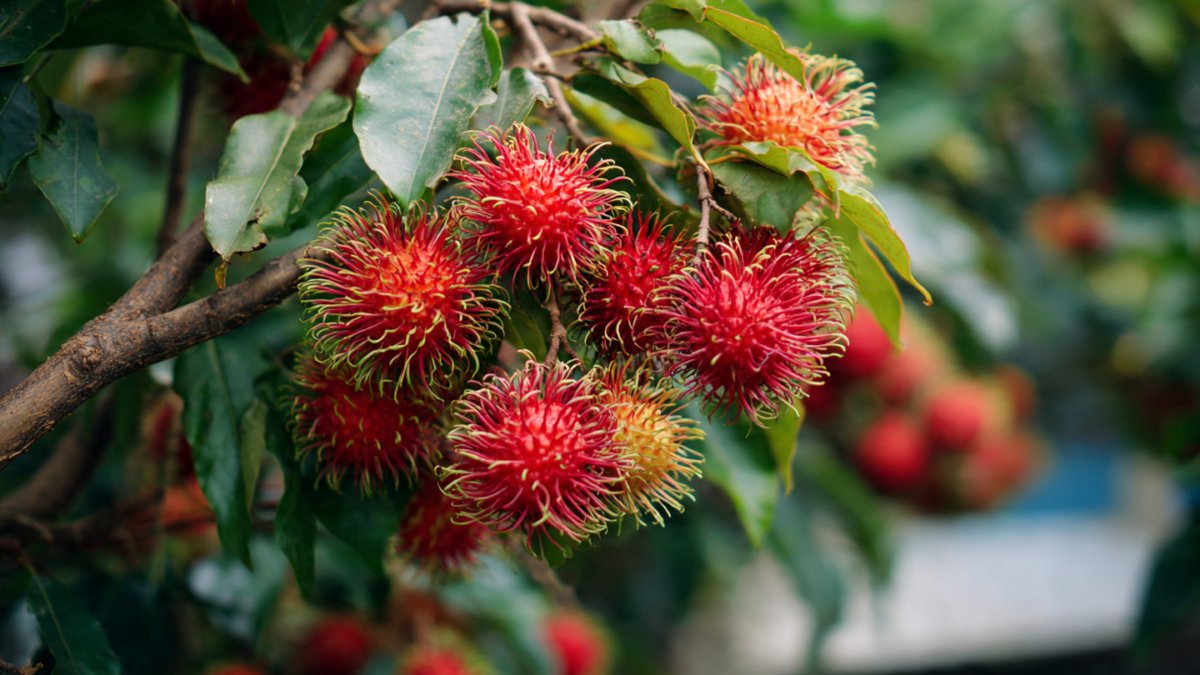
Rambutan (Nephelium lappaceum) is a tropical fruit native to Southeast Asia, famous for its striking appearance, juicy flesh, and sweet, aromatic flavor. Its bright red or yellow spiky exterior makes it stand out, and inside, the translucent, succulent fruit offers a refreshing treat packed with vitamins, minerals, and antioxidants. While rambutan is traditionally grown in tropical regions, home gardeners can successfully cultivate this exotic fruit with the right care, patience, and growing techniques. This guide will provide simple and effective tips to grow rambutan at home and enjoy its delicious fruits straight from your backyard.
Understanding Rambutan Plants
Before planting, it’s essential to understand the rambutan tree. Rambutan is an evergreen tree that can grow up to 50–80 feet tall in the wild, but when cultivated at home, it can be managed to a smaller size through pruning. The tree has shiny, pinnate leaves and produces clusters of flowers that develop into its unique, hairy fruits.
Rambutan is a slow-growing plant, and fruiting may take 3–5 years from seedlings or 2–3 years for grafted saplings. The plant thrives in warm, humid conditions with consistent rainfall, and it is highly sensitive to cold or frost. Replicating these conditions at home is key to successful cultivation.
Choosing the Right Location
Rambutan requires a sunny, sheltered spot with some protection from strong winds. Young trees are sensitive to both direct harsh sunlight and high winds, so planting near taller trees or walls can help shield them.
Soil quality is also crucial. Rambutan prefers deep, well-draining soil rich in organic matter. A slightly acidic soil pH between 5.5 and 6.5 is ideal. If your garden soil is sandy or clay-heavy, amend it with compost, well-rotted manure, or coconut coir to improve fertility, structure, and water retention. Avoid waterlogged areas, as rambutan roots are prone to rot.

Selecting Seeds or Saplings
Rambutan is usually propagated through seeds or grafting. When using seeds, select fresh seeds from ripe fruits, as they lose viability quickly. Seeds should be planted within 24–48 hours after extraction. Soaking seeds overnight before planting can help improve germination.
Grafted saplings are preferred by home gardeners who want quicker fruiting. Grafted trees are propagated from mature, fruit-bearing plants and may start producing fruits in 2–3 years, compared to 3–5 years for seed-grown trees. Always choose disease-free seeds or saplings for the best results.
Planting Rambutan
Whether planting seeds or saplings, proper planting techniques are vital for successful growth.
For seeds:
- Prepare the soil: Dig a hole twice the size of the seed. Mix in compost for nutrients.
- Plant the seed: Place the seed horizontally, about 1 inch deep in the soil.
- Water: Keep the soil moist but not waterlogged.
- Mulch: Apply a layer of organic mulch to retain moisture and regulate soil temperature.
For saplings:

- Dig a hole: Ensure the hole accommodates the root ball without bending the roots.
- Plant the tree: Position the sapling at the same depth as it was in its nursery container.
- Backfill and water: Fill the hole with soil, press lightly, and water thoroughly.
- Support: Stake young trees if your area is windy to prevent damage.
Watering and Humidity
Rambutan thrives in consistently moist and humid conditions. Water the plant regularly, especially during dry periods, but avoid overwatering, which can lead to root rot. The soil should remain damp but not soggy.
In drier climates or indoor settings, misting the foliage can help maintain humidity. Container-grown plants benefit from self-watering pots or trays filled with water to create a humid microenvironment.
Fertilization and Nutrition
Rambutan is a heavy feeder and requires regular nutrition to grow healthy and bear fruits. Young trees need a balanced fertilizer containing nitrogen, phosphorus, and potassium to encourage foliage and root development. As the tree matures and flowers, switch to fertilizers higher in phosphorus and potassium to promote flower and fruit formation.
Organic fertilizers such as compost, well-rotted manure, or seaweed extract work well for rambutan and improve soil fertility over time. Applying a layer of mulch around the base also supplies slow-release nutrients as it decomposes.
Pruning and Tree Maintenance
Rambutan requires minimal pruning, but light pruning improves airflow, sunlight penetration, and overall tree structure. Remove dead, damaged, or crowded branches to reduce disease risk and encourage healthy growth.

Regular inspection for pests is essential. Rambutan trees can be affected by aphids, mealybugs, scales, or fungal infections. Early detection and treatment with natural insecticides or organic remedies help prevent severe infestations.
Flowering and Fruiting
Rambutan produces small, fragrant flowers that grow in clusters. Flowering generally occurs in warm, humid conditions, and fruit development follows shortly after. Seed-grown trees may take 3–5 years to bear fruits, while grafted trees can produce fruits in 2–3 years.
Fruits develop from the flowers and grow in clusters. They are initially green, gradually turning red or yellow as they ripen. Each fruit has a hairy outer skin and juicy translucent flesh surrounding a single seed. Harvesting is done when the fruit color is fully developed and slightly soft to touch.
Growing Rambutan in Containers
For gardeners in non-tropical regions or with limited space, growing rambutan in containers is an effective solution. Use large, deep pots with excellent drainage and a mix of garden soil, compost, and sand for proper aeration. Container-grown trees require careful attention to watering, fertilization, and humidity.
Prune roots periodically if the tree becomes root-bound, and repot every 2–3 years to maintain growth. Containers also allow gardeners to move the plant indoors or under a greenhouse during colder months.

Common Challenges and Solutions
Growing rambutan at home comes with some challenges, primarily due to its sensitivity to cold, specific watering needs, and slow growth. Here are some tips for success:
- Climate adaptation: If you live in a cooler area, consider greenhouses, humidity trays, or indoor growth to mimic tropical conditions.
- Consistent care: Regular watering, fertilization, and pest management are crucial.
- Patience: Rambutan is slow-growing; fruits may take several years to appear.
- Avoid waterlogging: Ensure proper drainage in soil and pots to prevent root rot.
- Mulching and protection: Mulching conserves moisture and regulates soil temperature; shading young trees prevents sunburn.
Health Benefits of Rambutan
Beyond its exotic taste, rambutan is packed with health benefits. It is rich in vitamins C and B, iron, calcium, and antioxidants. Consuming rambutan can boost immunity, improve digestion, support heart health, and promote healthy skin. Having a home-grown supply ensures that you enjoy fresh, chemical-free fruits at their peak flavor.
Conclusion
Growing rambutan at home can be a rewarding experience for passionate gardeners. With the right combination of location, soil, water, and care, you can cultivate this tropical fruit successfully, even outside its native climate. By selecting healthy seeds or grafted saplings, maintaining consistent care, and exercising patience, home gardeners can enjoy juicy, exotic fruits straight from their garden or balcony.
Whether planted in the ground or in containers, rambutan trees not only provide delicious fruits but also add beauty with their glossy leaves, fragrant flowers, and colorful fruits. While the journey requires dedication and patience, the satisfaction of harvesting your own rambutan is truly unmatched. Growing this “hairy fruit” at home transforms your garden into a tropical paradise and introduces a unique, nutritious fruit to your family’s table.


Leave A Comment