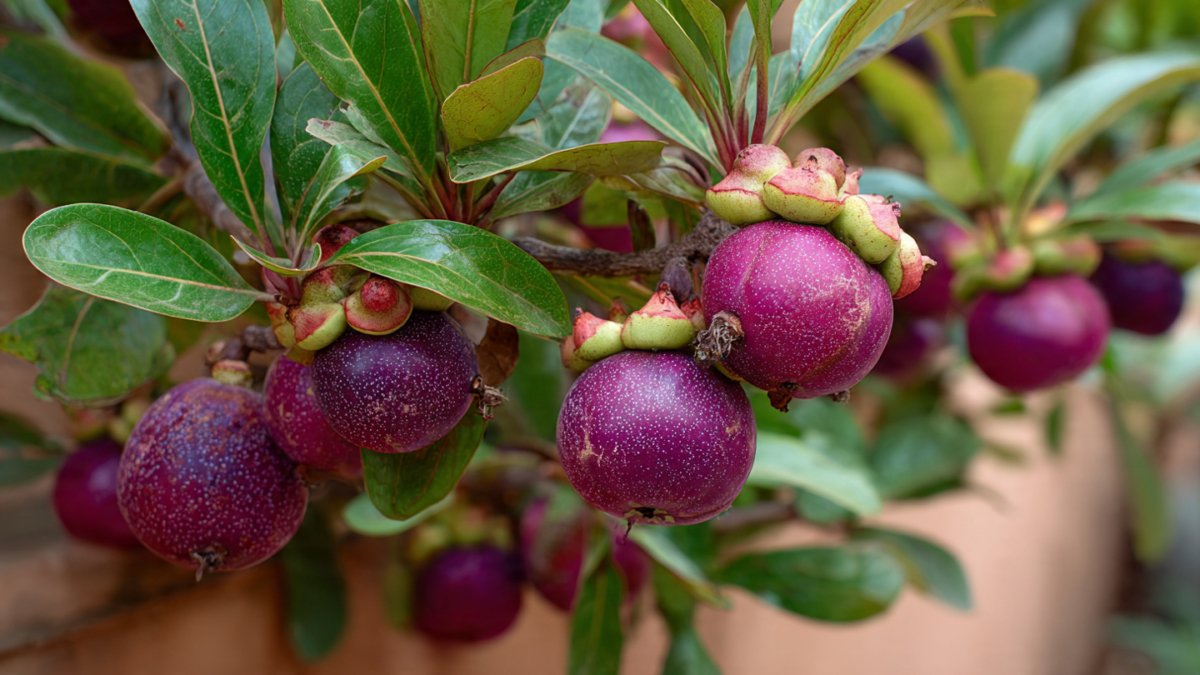
Mangosteen, often hailed as the “Queen of Fruits,” is a tropical delicacy prized for its sweet, tangy flavor and juicy, aromatic flesh. Native to Southeast Asia, this unique fruit is not only delicious but also packed with nutrients, antioxidants, and health benefits. While mangosteen trees are typically grown in tropical climates, with careful attention and proper care, home gardeners can successfully cultivate them in their own gardens. If you’ve ever wondered how to grow mangosteen and enjoy this exotic fruit fresh from your backyard, this guide will provide you with simple and effective tips for successful cultivation.
Understanding Mangosteen
Before planting, it’s important to understand the characteristics of mangosteen trees. Mangosteen (Garcinia mangostana) is an evergreen tree that can grow up to 20–30 feet tall in the wild, although home garden varieties are usually smaller. The tree has glossy, dark green leaves and produces fragrant white flowers that eventually develop into round, purple fruits. Mangosteen trees are slow-growing and take several years to bear fruit, sometimes up to 7–10 years. However, with the right growing conditions, patience, and care, the reward is a steady supply of sweet, juicy fruits.
Mangosteen is highly sensitive to environmental conditions. It thrives in warm, humid climates with consistent rainfall. While it is best suited for USDA zones 10–11, gardeners in slightly cooler areas can grow it in greenhouses or large containers. Understanding its natural requirements will help you replicate the ideal conditions for home cultivation.
Choosing the Right Location
Mangosteen requires a location that provides plenty of sunlight but also protection from harsh winds. A spot with partial shade is ideal, particularly in areas with intense afternoon sun. Young trees are especially vulnerable to direct sunlight and strong winds, so consider planting them near taller trees or structures that can provide natural windbreaks.

Soil quality is another critical factor. Mangosteen prefers deep, well-draining soil rich in organic matter. A slightly acidic soil pH of 5.5 to 6.5 is optimal. If your garden soil is sandy or clay-heavy, you may need to amend it with compost or well-rotted manure to improve fertility and drainage. Avoid waterlogged areas, as mangosteen roots are highly sensitive to excess moisture, which can cause root rot.
Selecting Healthy Seeds or Saplings
Mangosteen trees are commonly propagated from seeds. When choosing seeds, select fresh ones from ripe fruits, as the viability of mangosteen seeds decreases rapidly after harvesting. Fresh seeds should be planted as soon as possible, ideally within 24–48 hours.
For faster results, many home gardeners opt for grafted saplings. Grafted trees are propagated from mature, fruit-bearing trees and can begin producing fruit sooner than seed-grown trees. Regardless of your choice, ensure that the seeds or saplings are free from pests and diseases.
Planting Mangosteen
Whether you’re planting seeds or young saplings, the planting process is straightforward but requires attention to detail. For seeds:

- Prepare the Soil: Loosen the soil in a hole about twice the size of the seed. Mix in compost to enrich the soil.
- Plant the Seeds: Place the seeds horizontally in the soil and cover them lightly, no more than 1 inch deep.
- Watering: Water the soil gently to keep it moist but not waterlogged.
- Mulching: Apply a layer of organic mulch around the base to retain moisture and regulate soil temperature.
For saplings:
- Dig a Hole: Make a hole large enough to accommodate the root ball without bending the roots.
- Plant the Sapling: Place the tree at the same depth it was growing in its container or nursery bed.
- Backfill and Water: Fill the hole with soil, press lightly, and water thoroughly.
- Stake if Necessary: If your area is windy, consider staking the young tree to prevent damage.
Watering and Humidity Needs
Mangosteen thrives in humid conditions with consistent moisture. Regular watering is essential, especially during dry periods. The soil should be kept evenly moist but never soggy. Overwatering can lead to root rot, while underwatering may stunt growth or prevent fruiting.
For potted mangosteen trees, ensure containers have proper drainage holes, and consider using self-watering pots or saucers to maintain adequate moisture. Additionally, misting the foliage occasionally can help maintain humidity, especially in drier climates or indoor environments.
Fertilization and Nutrient Management
Mangosteen trees are heavy feeders and benefit from regular fertilization. Young trees require balanced fertilizer rich in nitrogen, phosphorus, and potassium to promote healthy growth. As the tree matures and starts flowering, switch to a fertilizer higher in potassium and phosphorus to encourage flower and fruit development.

Organic fertilizers, such as compost, well-rotted manure, or seaweed extract, are highly effective and improve soil health over time. Applying mulch around the base of the tree also helps conserve moisture, suppress weeds, and provide slow-release nutrients as it decomposes.
Pruning and Maintenance
Mangosteen trees require minimal pruning, but removing dead, damaged, or overcrowded branches improves airflow and light penetration. Light pruning can also encourage the development of a strong structure, which supports fruiting.
Regularly inspect the tree for pests such as aphids, mealybugs, and scales. While mangosteen is relatively pest-resistant, early intervention with natural remedies or insecticidal soap can prevent infestations from spreading.
Flowering and Fruit Development
Mangosteen trees produce small, fragrant flowers directly on branches, known as cauliflory. Flowering typically occurs in the warmer months, and fruit development can take several months. Patience is key, as mangosteen trees grown from seeds may take 7–10 years to bear fruit, while grafted trees may fruit in 4–6 years.

Once fruits start developing, it’s important to continue providing consistent water, fertilization, and protection from pests. Mangosteen fruits are round, purple, and smooth, with a thick rind encasing the juicy, segmented flesh. Harvesting is done when the fruit turns dark purple and has a slight give when gently pressed.
Growing Mangosteen in Containers
For gardeners outside tropical climates or with limited space, growing mangosteen in containers is a practical option. Use large, deep pots with excellent drainage and fill them with a mix of garden soil, compost, and sand for optimal aeration. Container-grown trees require careful monitoring of water, humidity, and nutrients, as they have limited access to natural soil resources.
Prune roots carefully if the tree becomes root-bound, and repot every 2–3 years to maintain healthy growth. Container cultivation also allows for easier protection against cold weather by moving the tree indoors or under a greenhouse canopy during colder months.
Challenges and Tips for Success
Growing mangosteen at home comes with challenges, primarily due to its slow growth, specific environmental requirements, and susceptibility to root issues. However, the following tips can increase your chances of success:
- Climate Replication: If you live in a non-tropical region, mimic tropical conditions using greenhouses, humidity trays, or controlled indoor environments.
- Consistent Care: Mangosteen requires regular watering, fertilization, and monitoring for pests and diseases.
- Patience: Mangosteen trees are slow-growing and may take several years to fruit. Treat the process as a long-term project.
- Avoid Waterlogging: Ensure proper drainage in soil and containers to prevent root rot.
- Mulch and Protect: Mulching helps retain moisture and regulate temperature, while shade nets or protective structures can shield young trees from excessive sun or wind.
Health Benefits of Mangosteen
Aside from its delicious taste, mangosteen is valued for its health benefits. Rich in antioxidants, vitamins, and minerals, it supports immunity, aids digestion, reduces inflammation, and may contribute to heart health. Having a home-grown supply ensures you enjoy the fruit at its peak freshness, free from pesticides and chemicals.
Conclusion
Growing mangosteen at home can be a rewarding endeavor for dedicated gardeners. While it requires patience, attention to soil, water, and nutrient needs, the reward of enjoying fresh, tropical fruits from your own garden makes the effort worthwhile. By selecting healthy seeds or saplings, providing the right environment, and maintaining consistent care, even home gardeners in less-than-ideal climates can experience the joy of cultivating this “Queen of Fruits.”
Whether planted in the ground or in containers, mangosteen trees add beauty to your garden with their glossy leaves, fragrant flowers, and vibrant purple fruits. With time, care, and a little patience, you can turn your backyard into a tropical haven and savor the exquisite taste and health benefits of home-grown mangosteen.

Leave A Comment