
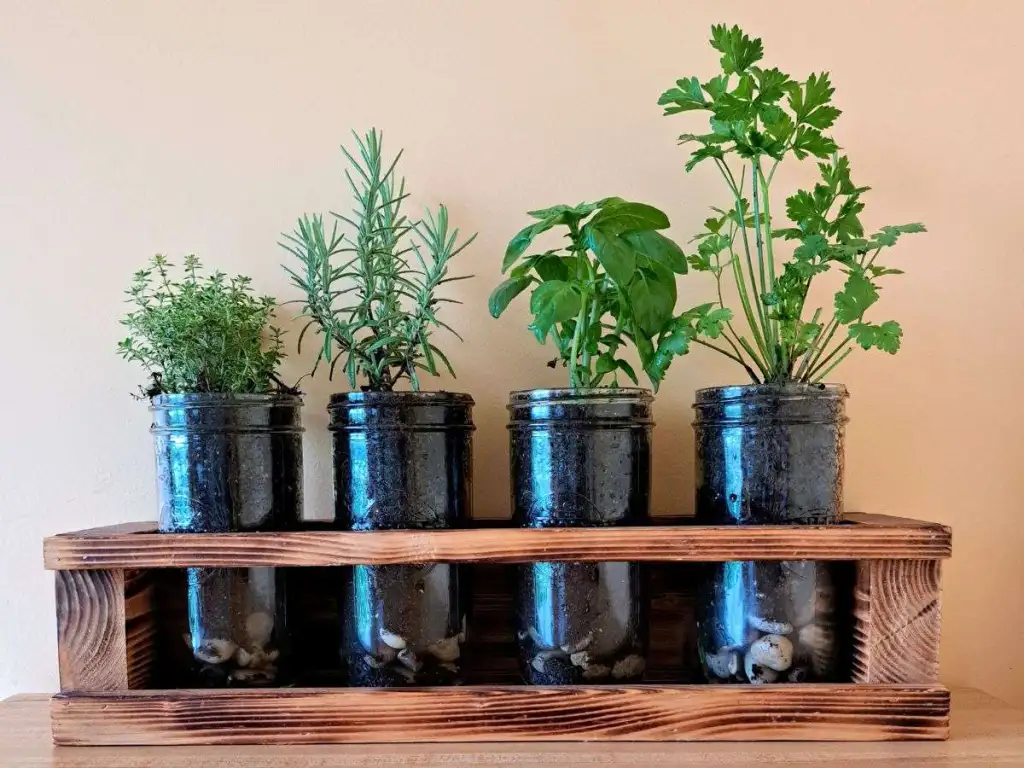
Growing herbs at home doesn’t require a big garden or yard—your windowsill and a few mason jars are enough to create a thriving mini herb garden. This method is perfect for urban gardeners, apartment dwellers, beginners, and anyone who loves fresh, aromatic herbs for cooking. Mason jars are affordable, easy to find, stylish, and surprisingly effective for growing herbs indoors. Plus, they double as charming home décor pieces!
In this 1200-word guide, you’ll learn everything you need to know: which herbs grow best in jars, how to set up your mini garden, soil tips, watering mistakes to avoid, and how to keep your herbs lush and healthy all year long.
Why Grow Herbs in Mason Jars?
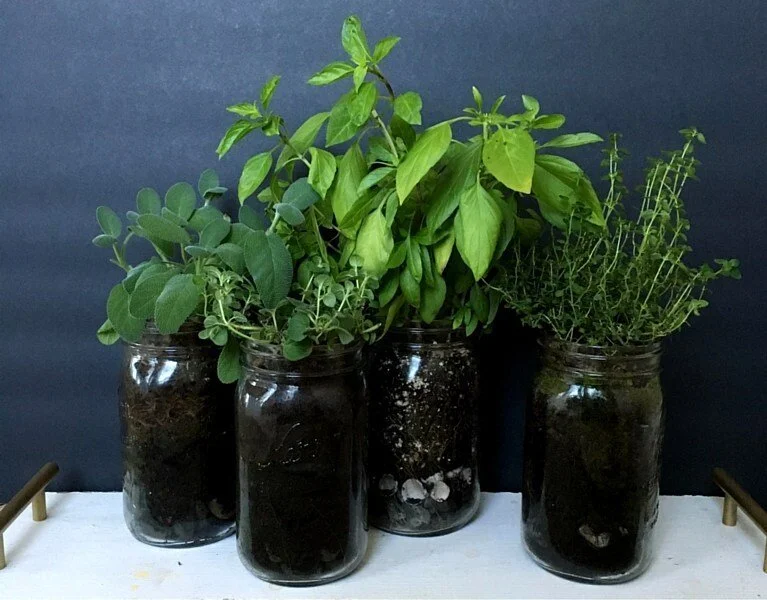
Herbs are some of the easiest plants to grow indoors. When you grow them in mason jars placed on the windowsill, you get several benefits:
✔eed basil for your pasta or mint for your tea? Just reach over to your window.
No outdoor space required
erfect for small apartments, dorms, or compact kitchens.
Beautiful décor
Mason jars have a rustic charm that adds warmth to your living space.
Saves money
Store-bought herbs are expensive—growing your own means endless, fresh supply.
Great for beginners
Herbs are forgiving, and mason jars require minimal tools and setup.
What You Need to Start
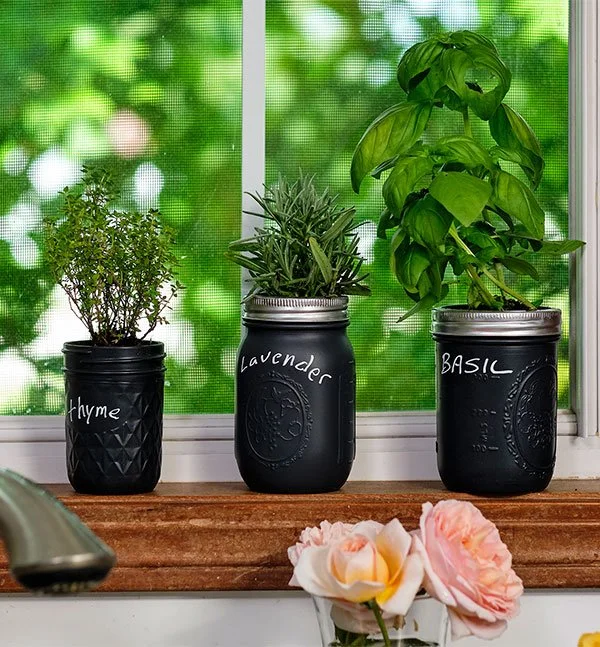
Growing herbs in mason jars doesn’t require specialized gardening tools. Here’s what you’ll need:
1. Mason Jars (16–32 oz)
Choose transparent jars so you can monitor moisture and root growth.
2. Small Stones or Pebbles
Since mason jars don’t have drainage holes, pebbles create a drainage layer at the bottom.

3. Activated Charcoal (optional but recommended)
This prevents odor, bacteria buildup, and root rot.
4. Potting Mix
Use a light, well-draining indoor potting mix. Avoid garden soil.
5. Herb Seeds or Seedlings
Both work, but seedlings give quicker results.
6. Sunny Windowsill
South- or east-facing windows provide the best light.
Best Herbs to Grow in Mason Jars
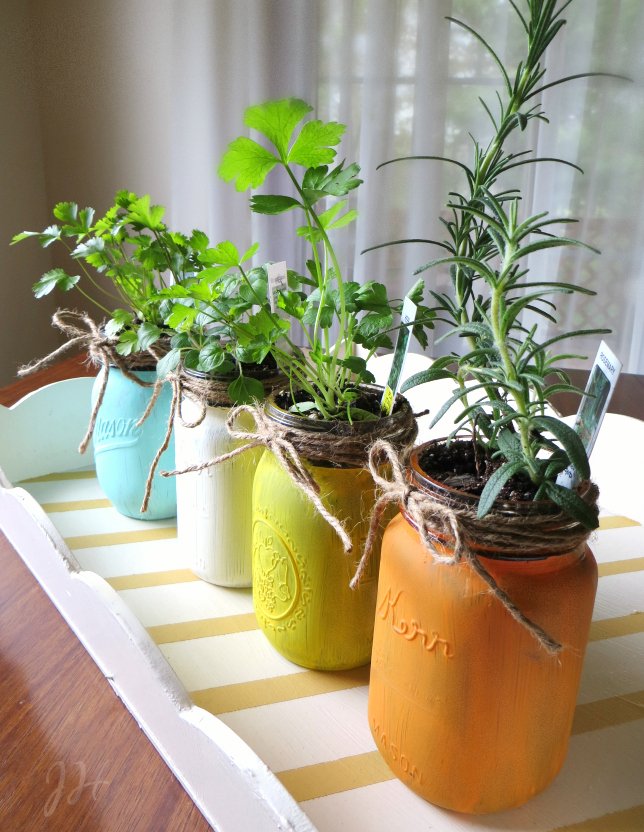
Not all herbs thrive indoors, but these varieties do exceptionally well in jars:
1. Basil
Loves sun and warm temperatures—ideal for sunny kitchens.
2. Mint
Very forgiving, grows fast, and perfect for beginners.
3. Parsley
Takes time to germinate but grows beautifully indoors.
4. Cilantro
Thrives in cool indoor climates with moderate sunlight.
5. Thyme
Hardy and drought-tolerant—great for jars without drainage.

6. Rosemary
Prefers bright light and well-draining soil.
7. Chives
Perfect for cooking and grows easily in jars.
Start with 2–3 herbs and expand later as you gain confidence.
Step-by-Step Guide: How to Grow Herbs in Mason Jars
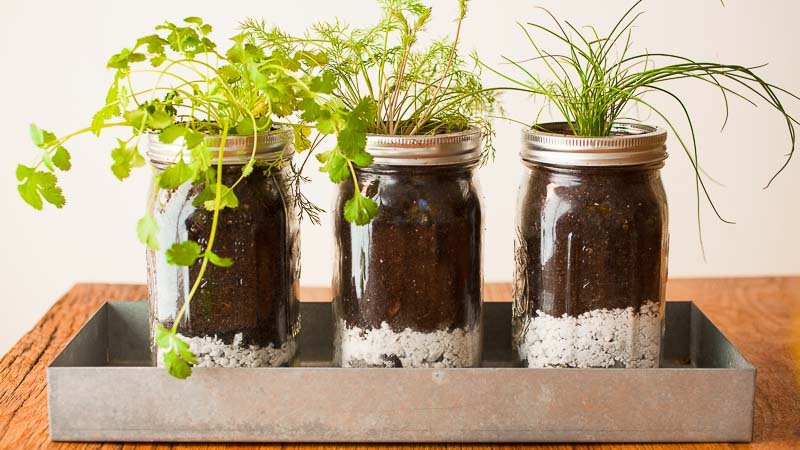
Follow these simple steps to create your own windowsill herb garden:
Step 1: Prepare Your Mason Jar
Since jars don’t have drainage holes, you must create an alternative drainage system.
- Add 1–1.5 inches of pebbles to the bottom.
- Add a thin layer of activated charcoal on top of the pebbles.
This helps prevent mold and improves water flow. - Fill the rest of the jar with potting mix, leaving 1–2 inches of room at the top.
Make sure the soil is loose and airy—herbs hate compacted soil.
Step 2: Plant the Seeds or Seedlings
If using seeds:
- Sprinkle 3–5 seeds on the surface.
- Add a thin layer (¼ inch) of potting soil over them.
- Mist lightly with water.
If using seedlings:
- Make a small hole in the soil.
- Insert the seedling’s root ball gently.
- Fill in the gap around it and press lightly.
Tip: Don’t overcrowd herbs—one plant per mason jar is ideal.
Step 3: Place the Jars in a Sunny Spot
Herbs love light, especially:
- Basil
- Rosemary
- Thyme
Aim for at least 4–6 hours of sunlight daily.
Place jars on:

- Kitchen windowsills
- Balcony windows
- Sunlit corners of your home
If your space doesn’t get enough sunlight, consider using a small grow light.
Step 4: Water Carefully
Overwatering is the most common reason herbs die in mason jars.
How to water correctly:
- Use a spray bottle or narrow-spout watering can.
- Water only when the top inch of soil feels dry.
- Stop watering when you see moisture reaching the pebbles at the bottom.
Avoid waterlogging.
Because jars don’t drain, roots can rot easily.
Signs you’re overwatering:
- Yellowing leaves
- Mushy soil
- Fungus on the soil surface
Step 5: Maintain Your Herbs
Maintenance is simple but essential to keep herbs growing strong.
Pruning
- Regularly pinch off the top leaves to encourage bushy growth.
- For basil, cut just above a leaf node.
Fertilizing
- Use a diluted liquid fertilizer once every 3–4 weeks.
- Avoid overfeeding—herbs grow slowly indoors.
Rotation
Turn the jar every few days so the plant grows evenly toward the light.
Cleaning
Occasionally wipe the inside of the jar to remove condensation or debris.
How to Use Your Fresh Herbs
Growing herbs is rewarding—using them makes it even better!
Here are some practical uses:
Basil
- Pasta
- Soups
- Salads
- Pesto
Mint
- Tea
- Mojitos
- Chutneys
- Smoothies
Parsley
- Garnishing
- Soups
- Sandwiches
Cilantro
- Curry
- Rice dishes
- Salsa
Fresh herbs are flavorsome, aromatic, and much healthier than store-bought packaged ones.
Common Problems (and How to Fix Them)
Even with mason jars, your herbs can thrive if you avoid these common mistakes:

Problem 1: Soil Always Wet or Moldy
Solution:
- Reduce watering.
- Add more pebbles or charcoal.
- Move plants to a sunnier spot.
Problem 2: Plants Growing Tall but Thin
This is called “leggy” growth—caused by insufficient light.
Solution:
- Move them to a brighter window.
- Rotate the jars regularly.
Problem 3: Yellow or Drooping Leaves
Possible reasons:
- Overwatering
- Underwatering
- Poor soil
Solution:
Check moisture levels and adjust your watering schedule.
Problem 4: Herb Stops Growing After a Few Weeks
Herbs need nutrients.
Solution:
Use a light indoor fertilizer once every few weeks.
Creative Ideas to Style Your Mason Jar Herb Garden
Growing herbs doesn’t have to be just functional—it can be beautiful too.
Try these styling tips:
1. Label Your Jars
Use chalkboard stickers or wooden tags.

2. Hang the Mason Jars
Use a wooden board and metal rings to mount the jars vertically.
3. Paint or Decorate the Jars
Spray-paint the bottom half or wrap with jute rope for a rustic feel.
4. Arrange in Tiers
Use a tiered shelf to display 3–6 jars together.
5. Use Different Jar Sizes
Mix small jars for herbs like thyme and larger jars for basil or mint.
Your windowsill herb garden can become a beautiful décor statement.
Final Thoughts
Growing herbs in mason jars on the windowsill is one of the easiest and most rewarding home gardening projects. It requires minimal space, very little investment, and offers endless benefits—fresh flavors in your kitchen, improved indoor air quality, and a constant connection to nature.
Whether you choose basil for cooking, mint for drinks, or rosemary for fragrance, your mason jar herb garden can flourish with just a little care and sunlight. With the steps and tips in this guide, you can enjoy fresh homegrown herbs all year long—right from your windowsill.

Leave A Comment