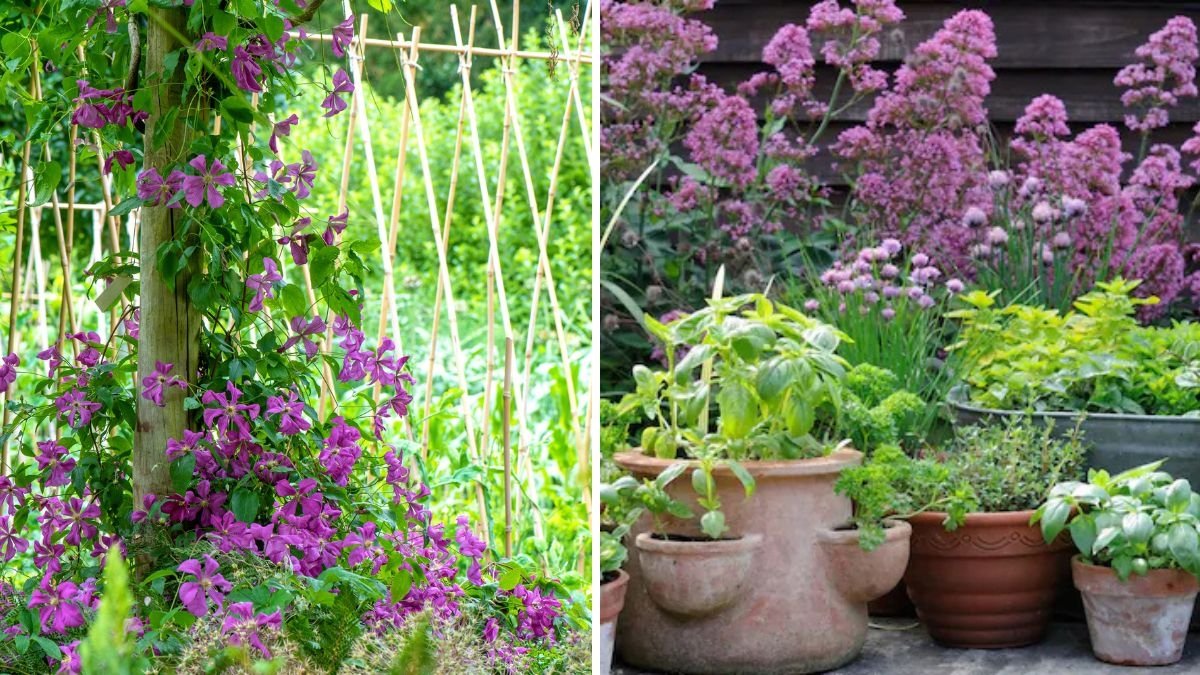
Flowering vines are some of the most striking and versatile plants you can grow. From cascading blooms that adorn trellises to climbing flowers that enhance walls and balconies, these plants add beauty and fragrance to any space. Imagine being able to grow flowering vines in pots and enjoy 200+ flowers daily—even in limited space! With the right care, soil, pruning, and feeding strategies, this is not only possible but easier than most gardeners think. This guide covers everything you need to cultivate flourishing flowering vines in containers.
Why Flowering Vines in Pots Are Ideal
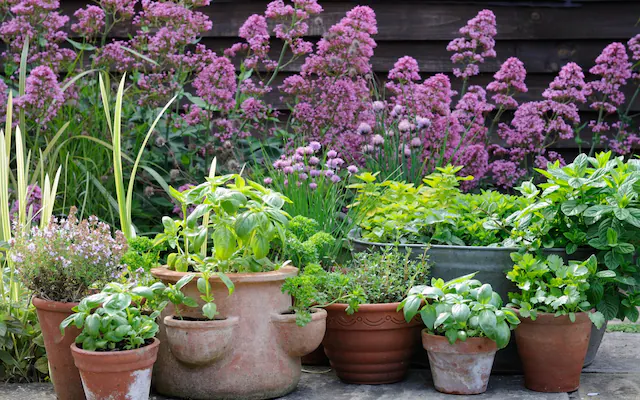
Growing vines in pots has several advantages:
- Space Efficiency: Perfect for balconies, patios, and small gardens.
- Control Over Soil: You can customize soil conditions for optimal growth.
- Mobility: Move pots to take advantage of sunlight or protect plants during extreme weather.
- Enhanced Flower Production: With proper feeding and pruning, potted vines can produce more flowers than in-ground counterparts.
By harnessing these advantages, you can enjoy a profusion of blooms year-round.
Choosing the Right Flowering Vines for Pots
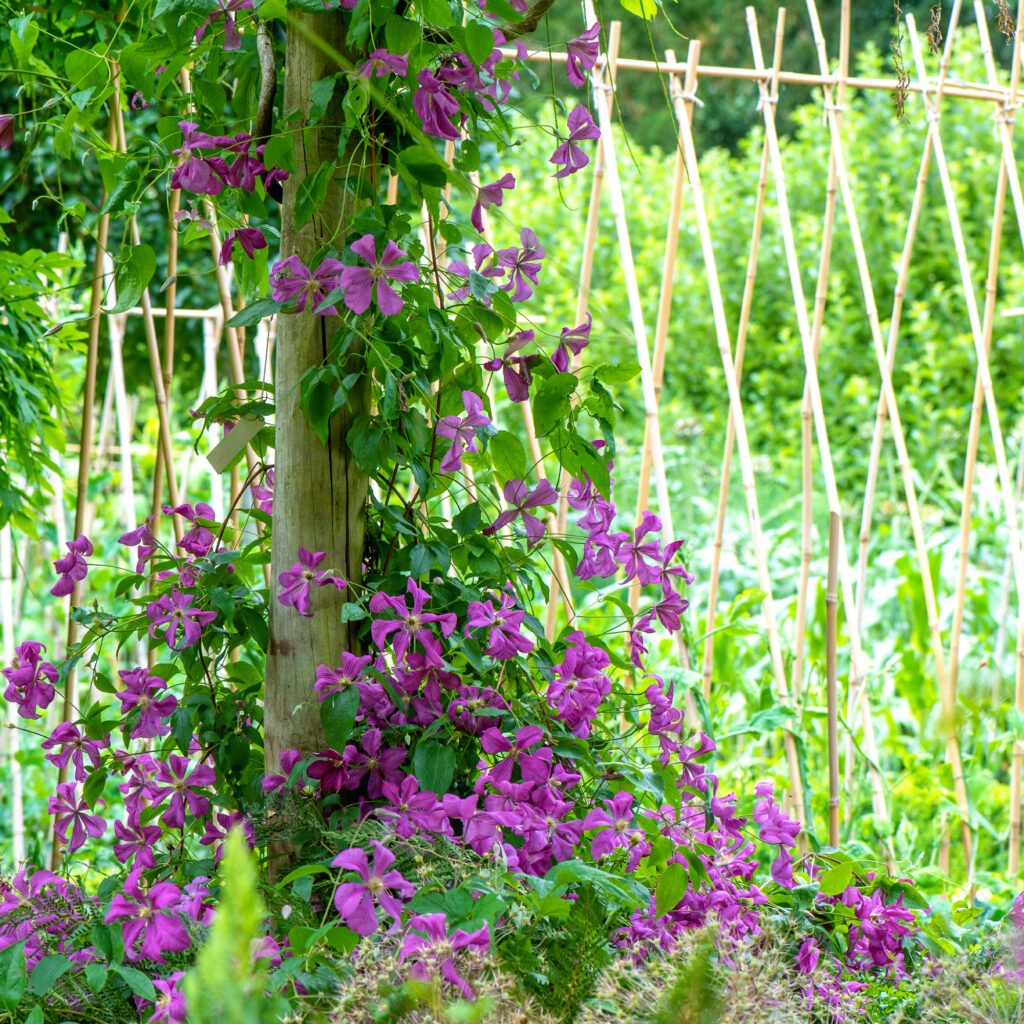
Not all flowering vines thrive in containers. Choose varieties known for prolific blooms and manageable growth:
- Bougainvillea: Known for vibrant bracts in pink, red, purple, and orange. Thrives in sunny, dry conditions.
- Morning Glory (Ipomoea): Fast-growing, producing numerous trumpet-shaped flowers.
- Mandevilla: Tropical vine with large, showy blooms ideal for pots.
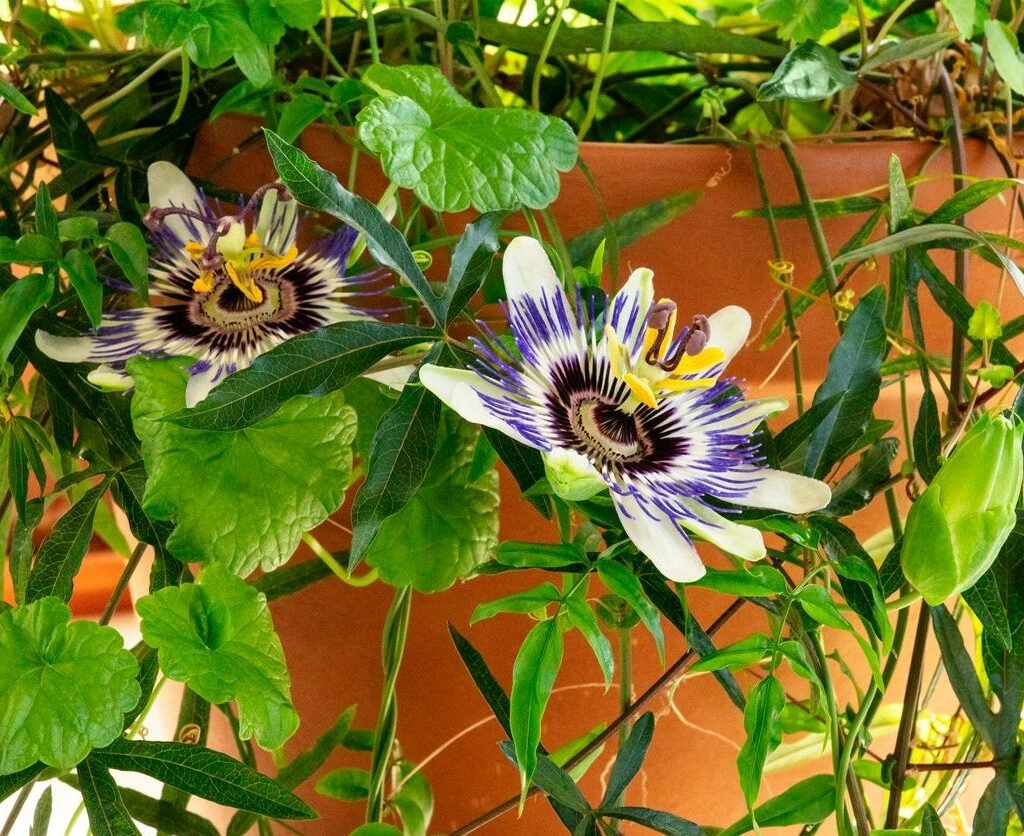
- Passionflower: Exotic flowers with intricate structures, great for vertical growth.
- Climbing Roses: Compact varieties do well in large pots, providing abundant blooms.
Selecting the right vine sets the foundation for daily flower production.

Pot Selection and Soil Preparation
The pot and soil combination is crucial for supporting heavy flowering:
Pot Guidelines:
- Use large, sturdy containers (15–20 inches or bigger) to accommodate root growth.
- Ensure good drainage; excess water can lead to root rot.
- Terracotta or ceramic pots are ideal because they allow airflow and prevent waterlogging.
Soil Mix:
- Use well-draining potting soil enriched with compost or organic matter.
- A mix of garden soil, cocopeat, compost, and sand (in equal parts) works well.
- Maintain slightly acidic to neutral pH (6–7) for optimal nutrient absorption.
Healthy roots mean healthy vines, which directly translates to more blooms.
Planting and Supporting Vines
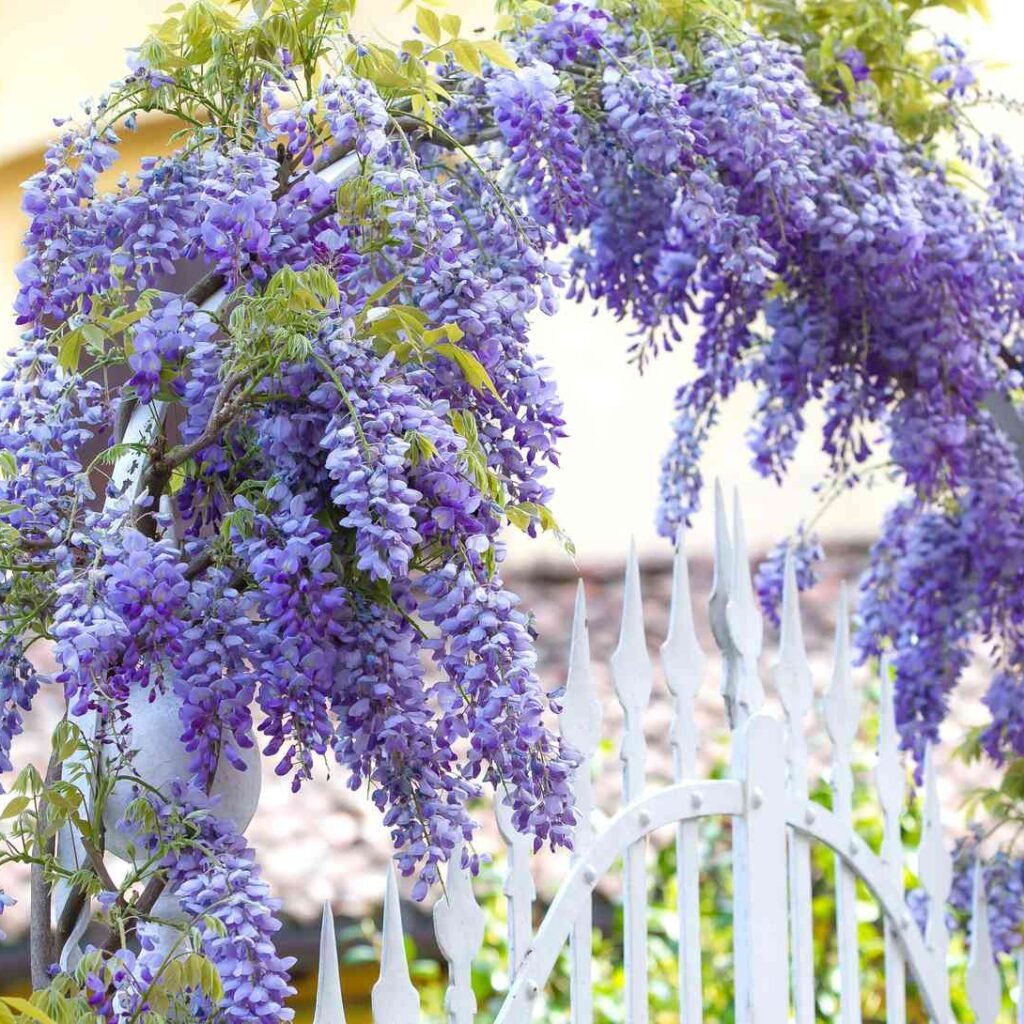
Flowering vines need structural support to climb and bloom effectively:

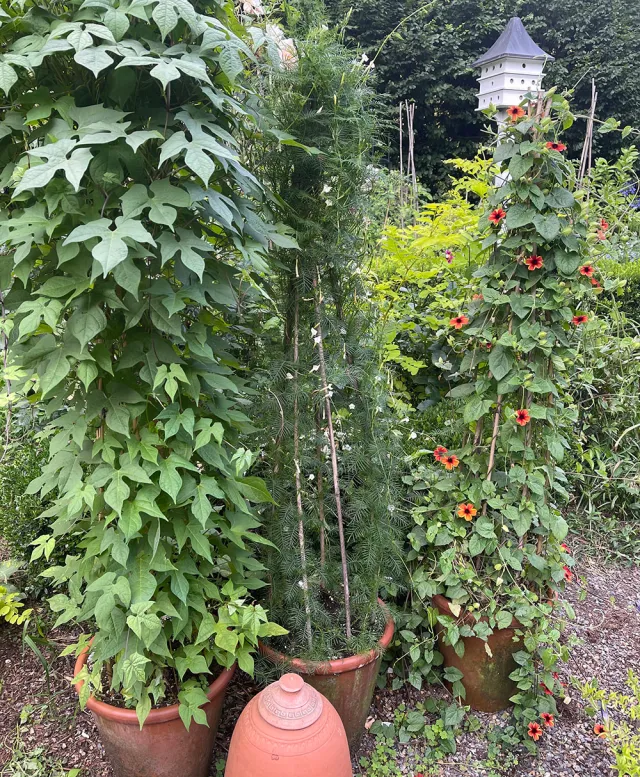
- Install trellises, stakes, or wires inside the pot for vertical growth.
- Ensure the vine is tied loosely with soft ties or twine to prevent stem damage.
- Plant at the correct depth; the root ball should sit slightly below the rim of the pot for stability.
Proper support encourages upward growth and maximizes flower exposure.
Watering Tips for Maximum Blooms
Watering is critical for potted vines, especially during flowering:
- Deep Watering: Ensure water reaches the root zone; shallow watering encourages weak roots.
- Frequency: Water every 2–3 days during hot weather; reduce during cooler months.
- Avoid Wet Foliage: Prevent fungal infections by watering at the base.
- Mulching: Apply a 2-inch layer of mulch to retain moisture and keep roots cool.
Consistent watering promotes healthy growth, which is essential for producing hundreds of flowers daily.
Sunlight Requirements
Most flowering vines need full sun (6–8 hours per day) for abundant blooms:
- Place pots in areas with direct morning sunlight and partial afternoon shade in extremely hot climates.
- Rotate pots occasionally to ensure even light exposure for all stems.
- In low-light areas, supplemental grow lights can encourage flowering.
Sunlight fuels photosynthesis, producing energy for continuous flower production.

Fertilization for Continuous Flowering
To achieve 200+ blooms daily, potted vines need a consistent nutrient supply:
- Balanced Fertilizer: Use an NPK ratio of 10:10:10 during vegetative growth.
- Bloom Booster: Switch to a phosphorus-rich fertilizer (high middle number, e.g., 10:30:10) before and during flowering.
- Frequency: Feed every 2–3 weeks during the growing season.
- Organic Supplements: Compost tea, seaweed extract, or well-rotted manure can enhance flower size and longevity.
Regular fertilization ensures the plant has enough energy to produce numerous flowers consistently.
Pruning and Deadheading
Pruning is key for controlling growth and stimulating more flowers:
- Deadheading: Remove faded blooms promptly to encourage new flowers.
- Shaping: Trim excess growth to direct energy to flowering stems.
- Timing: Prune lightly every 4–6 weeks during flowering season.
- Tools: Use sharp, clean pruners to prevent infections.
Strategic pruning multiplies blooms and prevents the plant from becoming leggy or overgrown.
Pest and Disease Management
Healthy plants produce more flowers, so protecting your vines from pests and diseases is crucial:

- Common Pests: Aphids, spider mites, whiteflies. Spray with neem oil or insecticidal soap.
- Fungal Diseases: Powdery mildew, rust, or leaf spot can reduce blooms. Ensure proper spacing, airflow, and avoid wetting leaves.
- Preventive Care: Regularly inspect leaves, stems, and flowers; remove infected parts immediately.
Preventing stress allows the plant to focus its energy on flowering rather than defense.
Training and Supporting Flower Production
Training vines for optimal flower production involves guiding growth for maximum exposure:
- Trellis Arrangement: Spread branches horizontally to expose more buds to sunlight.
- Pinching Tips: Pinch soft stem tips during early growth to promote branching and multiple flowering shoots.
- Layering: Encourage secondary stems to climb and fill gaps, increasing the number of blooms.
Proper training can dramatically increase the number of flowers per plant.
Seasonal Care Updates
- Spring: Focus on planting, fertilizing, and training new shoots.
- Summer: Water deeply, feed regularly, and deadhead blooms.
- Monsoon or Rainy Season: Ensure pots drain well to prevent root rot; reduce watering.
- Autumn and Winter: Protect sensitive vines from frost or extreme cold; continue light feeding to maintain blooms.
Following seasonal updates ensures consistent flowering and peak bloom production year-round.
Tips for Indoor and Balcony Gardening
If growing flowering vines in small spaces or indoors:

- Choose compact or dwarf vine varieties suitable for pots.
- Place near windows with bright indirect sunlight.
- Use vertical space efficiently with trellises or wall-mounted supports.
- Rotate pots to ensure even sunlight distribution and healthy growth.
- Maintain moderate humidity (50–60%) for tropical vines like Mandevilla.
Even in limited spaces, you can achieve 200+ blooms daily with careful management.
Conclusion
Growing flowering vines in pots and harvesting 200+ flowers daily is entirely possible with the right combination of variety selection, soil, watering, fertilization, sunlight, pruning, and pest management. By paying attention to each aspect of care and following seasonal updates, your potted vines can become a daily source of color, fragrance, and joy.
Whether it’s for your balcony, patio, or indoor décor, these flowering vines can transform your space into a vibrant floral paradise. With dedication, regular observation, and the tips outlined in this guide, you’ll enjoy a spectacular, ever-blooming garden right from your pots.
Start implementing these strategies today, and watch your flowering vines flourish with hundreds of blooms every single day!

Leave A Comment