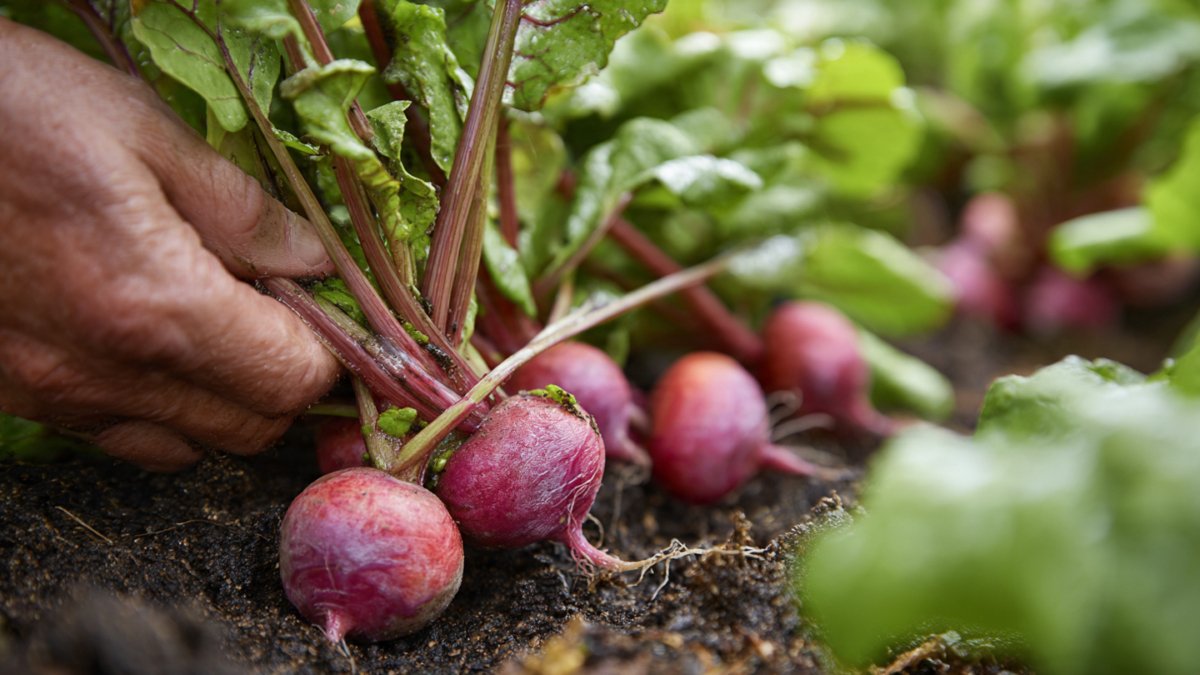
Growing your own vegetables no longer requires a large backyard or a traditional garden. With modern techniques, creative use of space, and a little dedication, anyone can grow fresh, healthy produce at home—even in a small apartment or urban setting. Whether you live in a high-rise, rent a small room, or simply lack outdoor space, you can still enjoy the satisfaction of harvesting your own food. This guide will show you how to grow and harvest vegetables at home without a garden, using practical, affordable, and effective methods.
Understanding Container and Indoor Gardening
When you don’t have a garden, container and indoor gardening become your best allies. Instead of planting directly in the ground, you grow vegetables in pots, boxes, buckets, or recycled containers. These portable mini-gardens can be placed on balconies, windowsills, rooftops, staircases, or even indoors near sunlight.
Indoor gardening relies heavily on light, proper soil, and controlled watering. While outdoor gardens depend on natural weather cycles, home-grown setups allow you to manage growing conditions more precisely. This makes it possible to grow vegetables year-round, regardless of climate.
Choosing the Right Location
The first step to successful garden-free gardening is selecting the right spot. Most vegetables need at least six hours of sunlight per day. Look for areas in your home that receive good natural light, such as:
- Sunny windowsills
- Balconies
- Terraces
- Rooftops
- Near glass doors
If natural light is limited, consider using grow lights. LED grow lights are energy-efficient and can replace sunlight when necessary. Place them 6 to 12 inches above plants and keep them on for 10 to 14 hours daily.
Good air circulation is also important. Avoid cramped, damp spaces, as stagnant air encourages pests and diseases.
Selecting Suitable Containers
Almost any container can become a plant home if it has proper drainage. Popular choices include:
- Clay or plastic pots
- Buckets
- Wooden boxes
- Recycled bottles
- Storage bins
- Fabric grow bags
Ensure every container has drainage holes at the bottom to prevent waterlogging. Standing water can rot roots and kill plants.
The size of the container matters. Shallow-rooted vegetables like lettuce need smaller pots, while tomatoes and peppers require deeper ones. As a general rule, the bigger the container, the healthier the plant.

Preparing the Right Soil Mix
Garden soil is usually too heavy for containers. Instead, use a light, well-draining potting mix. You can buy ready-made potting soil or make your own by mixing:
- 40% garden soil or coco peat
- 30% compost or vermicompost
- 20% sand or perlite
- 10% organic fertilizer
This blend ensures proper drainage, aeration, and nutrients. Compost is especially important because container plants depend entirely on soil nutrients.
Refresh your soil every few months by adding compost to maintain fertility.
Choosing Easy-to-Grow Vegetables
Not all vegetables grow well in limited spaces. Start with varieties that adapt easily to containers and indoor conditions.
Best vegetables for small spaces include:
- Leafy greens: spinach, lettuce, fenugreek, kale
- Herbs: basil, coriander, mint, parsley
- Root vegetables: radish, carrots (short varieties), beetroot
- Fruiting plants: tomatoes, chili peppers, eggplant
- Climbers: beans, peas, cucumbers (with support)
Beginner gardeners should start with leafy greens and herbs, as they grow quickly and require less maintenance.
Planting Seeds and Seedlings
You can grow vegetables from seeds or buy young seedlings from nurseries. Seeds are cheaper, while seedlings save time.
Steps for planting:
- Fill containers with prepared soil mix.
- Make small holes according to seed depth instructions.
- Place seeds or seedlings gently.
- Cover lightly with soil.
- Water carefully.
Avoid planting too many seeds in one container. Overcrowding reduces growth and increases disease risk.

For indoor sowing, keep soil moist but not soaked until seedlings emerge.
Watering Correctly
Proper watering is essential for container gardening. Pots dry out faster than ground soil, so regular watering is necessary.
Basic watering tips:
- Water when the top inch of soil feels dry
- Use a spray bottle for young plants
- Avoid overwatering
- Water early morning or evening
- Ensure excess water drains out
Different vegetables have different needs. Leafy greens prefer moist soil, while tomatoes prefer slightly drier conditions between watering.
Observe your plants closely. Wilting, yellow leaves, or fungus growth may indicate watering problems.
Providing Nutrients and Fertilizer
Since container soil holds limited nutrients, regular feeding is necessary. Organic fertilizers are safer and improve soil health.
Recommended options include:
- Compost tea
- Vermicompost
- Banana peel water
- Mustard cake solution
- Seaweed extract
Apply liquid fertilizer every two to three weeks. Solid compost can be mixed into soil monthly.
Avoid chemical fertilizers if possible, as they may damage beneficial microbes and affect food quality.

Supporting and Pruning Plants
Some vegetables need physical support to grow properly. Tomatoes, beans, and cucumbers benefit from stakes, trellises, or strings. These supports save space and prevent plants from collapsing.
Pruning is equally important. Remove yellow leaves, dead branches, and overcrowded shoots. This improves airflow and directs energy toward fruit production.
Pinch herbs regularly to encourage bushier growth and prevent flowering too early.
Preventing Pests and Diseases Naturally
Even indoor plants can attract pests like aphids, spider mites, and whiteflies. Avoid chemical pesticides and use natural solutions instead.
Effective organic methods include:
- Neem oil spray
- Soap water spray
- Garlic-chili solution
- Sticky traps
- Regular leaf inspection
Keep plants clean and remove infected leaves immediately. Good ventilation and sunlight also reduce disease risk.
Rotate crops occasionally to prevent soil-borne problems.
Harvesting Your Vegetables
Harvesting at the right time improves taste and encourages further growth. Most vegetables should be picked when young and tender.
General harvesting tips:

- Use clean scissors or hands
- Harvest in the morning
- Don’t pull plants aggressively
- Pick regularly to promote production
Leafy greens can be harvested by cutting outer leaves while keeping the center intact. This allows continuous growth. Tomatoes and peppers should be harvested when fully colored.
Herbs taste best before flowering. Frequent harvesting keeps them productive.
Reusing and Regrowing Vegetables
Many vegetables can be regrown from kitchen scraps, saving money and reducing waste.
Examples include:
- Spring onions from roots
- Lettuce from base
- Coriander from stems
- Garlic from cloves
- Potatoes from sprouts
Place scraps in water until roots form, then transfer to soil. This simple method makes home gardening even more accessible.
Managing Space Creatively
Limited space doesn’t mean limited harvest. Use vertical and multi-level gardening techniques.
Ideas include:
- Hanging pots
- Wall-mounted planters
- Shelf gardens
- Stackable pots
- Ladder stands
Vertical gardening allows you to grow more plants in less area and improves sunlight exposure.
Window boxes are also excellent for herbs and greens.
Maintaining Consistency and Patience
Successful home gardening requires regular care and patience. Plants won’t grow overnight, and mistakes are part of learning. Observe your plants daily, adjust watering and feeding routines, and stay consistent.
Keep a simple gardening journal to track planting dates, watering schedules, and results. This helps improve future harvests.
Start small, master basics, and gradually expand your mini-garden.
Benefits of Growing Vegetables Without a Garden
Growing vegetables at home offers many advantages beyond fresh food:
- Saves money on groceries
- Ensures chemical-free produce
- Reduces stress
- Improves air quality
- Encourages healthy eating
- Builds environmental awareness
It also creates a sense of achievement and connection with nature, even in urban environments.
Conclusion
You don’t need a backyard to enjoy homegrown vegetables. With containers, sunlight, proper soil, and consistent care, anyone can create a productive mini-garden at home. From leafy greens on windowsills to tomatoes on balconies, garden-free gardening is practical, rewarding, and sustainable.
By choosing the right plants, managing water and nutrients, preventing pests naturally, and harvesting wisely, you can enjoy fresh vegetables year-round. Start small, stay patient, and let your home become a thriving green space—one pot at a time.

Leave A Comment