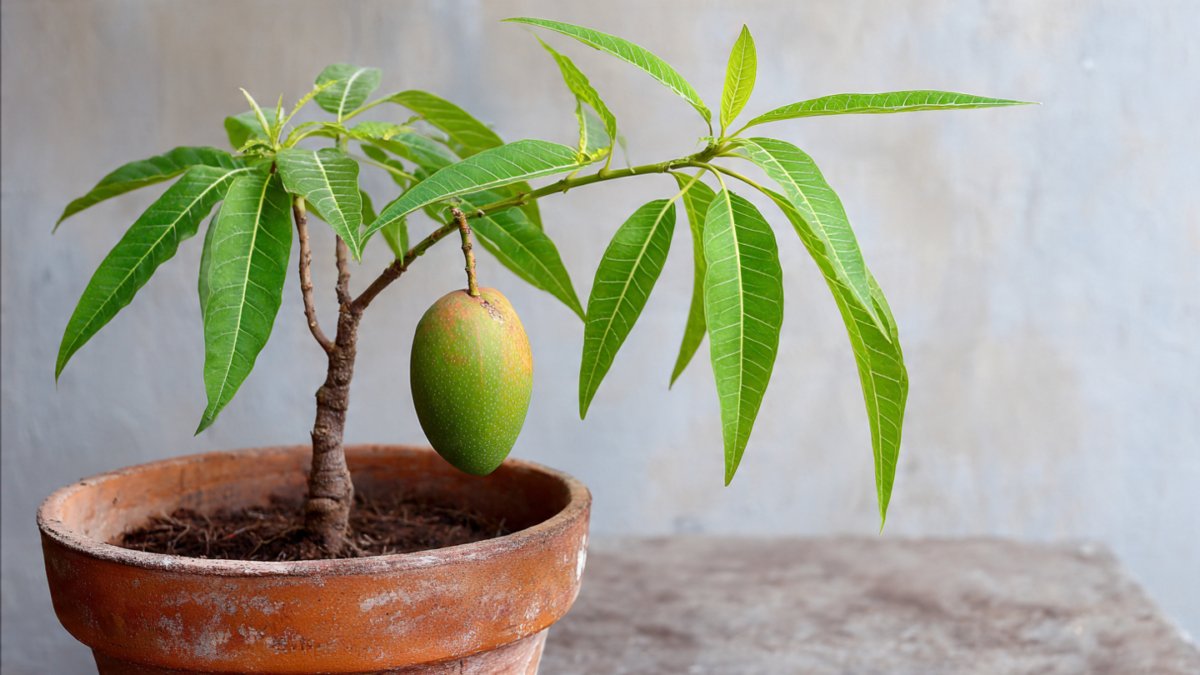
Mangoes are often called the “king of fruits,” and for good reason. With their sweet, juicy flesh and vibrant aroma, they are a favorite in kitchens worldwide. While many enjoy buying mangoes from the store, growing a mango tree from seed can be an immensely rewarding experience. Not only does it provide a sustainable supply of fresh fruit in the long run, but it also allows gardeners to experience the joy of nurturing a plant from the very beginning. In this guide, we’ll explore a simple, effective method to grow a mango tree from seed in just 6 weeks, with tips for achieving noticeable time-lapse growth.
Understanding Mango Trees
Before you start, it’s important to understand what you’re cultivating. Mango trees (Mangifera indica) are tropical evergreen trees that can grow tall, with broad canopies and deep green leaves. While trees grown from seed may take several years to bear fruit, the early stages of growth are fascinating to watch. Key points to consider include:
- Climate: Mango trees thrive in warm, frost-free climates.
- Sunlight: Full sun for at least 6–8 hours a day.
- Soil: Well-draining, slightly acidic to neutral soil.
- Watering: Moderate watering, keeping the soil consistently moist but not waterlogged.
Selecting the Right Mango Seed
The journey begins with choosing a healthy mango seed. Here’s how to select the best seed for successful germination:
- Pick a ripe mango: Choose a mango that is fully ripe, as mature fruit seeds have higher germination success.
- Remove the seed carefully: Cut the mango open and remove the large seed inside. Be careful not to damage the inner kernel.
- Clean the seed: Wash away all fruit pulp, as leftover pulp can promote mold growth.
- Inspect the seed: Only use seeds that are plump, firm, and free from cracks or mold.
Preparing the Mango Seed
Mango seeds are encased in a hard shell, which requires some preparation before planting. The process varies slightly depending on whether the seed is fibrous (from larger mangoes) or thin-shelled (from smaller mango varieties).

- Remove the outer husk: Carefully peel away the fibrous husk to expose the inner kernel. This is the part that will germinate.
- Soak the kernel: Place the kernel in warm water for 24 hours. This softens the seed and promotes faster germination.
- Optional scarification: For faster sprouting, lightly nick the seed’s outer skin with a knife. Be careful not to damage the embryo inside.
Planting the Mango Seed
Once prepared, the seed is ready to be planted. The goal is to create conditions similar to its natural tropical environment:
- Choose a container: Use a pot with drainage holes. A depth of 6–8 inches is ideal to accommodate root growth.
- Soil mix: A well-draining mix of potting soil, sand, and compost works best. The soil should be loose to allow roots to penetrate easily.
- Planting depth: Place the seed horizontally or at a slight angle, with the pointed end facing upward. Cover lightly with 1–2 inches of soil.
- Watering: Water gently to moisten the soil, but avoid overwatering.
Creating the Perfect Environment
Mango seeds need warmth, moisture, and indirect sunlight to germinate successfully. Here are some tips:
- Temperature: Keep the pot in a warm area around 75–85°F (24–29°C).
- Humidity: Cover the pot with a clear plastic bag or mini greenhouse to maintain humidity. Ventilate daily to prevent mold.
- Light: Place the pot in bright, indirect sunlight. Avoid direct harsh sunlight, which may dry out the seed.
Under ideal conditions, the mango seed can sprout in 2–4 weeks, sometimes showing dramatic growth in just 6 weeks. Time-lapse observations can capture the transformation from a dormant kernel to a young seedling, which is not only educational but also highly satisfying for gardeners.
Watering and Maintenance During Early Growth
Proper care during the early stages is critical for establishing a strong, healthy seedling:

- Keep soil moist: Check the soil daily and water lightly if the surface feels dry.
- Avoid waterlogging: Excess water can cause the seed to rot.
- Monitor for mold or fungus: Remove any seedlings or debris that appear unhealthy.
- Rotate the pot: Ensure even light exposure and prevent leaning growth.
By week six, a healthy mango seedling should have several small leaves emerging, and its stem should be firm and upright. This is an exciting milestone and a sign that the plant is ready for further growth.
Transplanting to a Larger Container or Outdoors
After six weeks, the mango seedling may need more space to grow. Transplanting helps ensure healthy development:
- Choose the location: If planting outdoors, pick a sunny spot with well-draining soil. For container planting, select a large pot with at least 12 inches in diameter.
- Prepare soil: Mix compost and sand into garden soil or potting soil to improve fertility and drainage.
- Transplant carefully: Remove the seedling gently, keeping the soil around the roots intact. Avoid damaging the young roots.
- Water thoroughly: After transplanting, water the plant well to help settle the soil.
Ongoing Care for a Thriving Mango Tree
Growing a mango tree from seed is only the first step. Proper care ensures long-term health and potential fruiting:
- Sunlight: Ensure the tree receives at least 6–8 hours of direct sunlight daily.
- Fertilization: Feed every 4–6 weeks with a balanced fertilizer or organic compost.
- Pruning: Remove dead or weak branches to encourage healthy growth.
- Pest control: Watch for aphids, mealybugs, and scale insects. Organic sprays like neem oil can help.
- Mulching: Add mulch around the base to retain moisture and regulate soil temperature.
Tips for Encouraging Faster Growth
Mango trees grown from seed can take years to produce fruit, but early care can accelerate healthy development:

- Warm environment: Heat encourages faster sprouting and growth.
- Regular watering: Consistent moisture supports root establishment.
- Light exposure: Adequate sunlight promotes photosynthesis and strong leaves.
- Nutrient-rich soil: Healthy soil provides essential nutrients for vigorous growth.
Observing Time-Lapse Growth
One of the most rewarding aspects of growing a mango tree from seed is watching the transformation over time. By taking photographs or notes at regular intervals, you can create a time-lapse record showing:
- The kernel swelling and splitting
- First tiny roots emerging
- The stem elongating and leaves unfolding
- Rapid leaf growth and overall plant development
Time-lapse growth not only provides a visual record but also allows you to monitor the plant’s health and detect early signs of stress or disease.
Common Problems and How to Fix Them
Even with the best care, challenges may arise. Here’s how to troubleshoot common issues:
- Seed not sprouting: May be due to low temperature, dry soil, or a non-viable seed. Re-soak and provide warmth and humidity.
- Yellowing leaves: Often caused by overwatering, poor drainage, or nutrient deficiency. Adjust watering and fertilize appropriately.
- Leggy growth: Occurs when the seedling lacks light. Move to a brighter location or use supplemental grow lights.
The Joy of Growing Your Own Mango Tree
Growing a mango tree from seed in just six weeks offers a sense of accomplishment and a direct connection to nature. Even though fruit may take years to appear, the process teaches patience, observation, and responsibility. In the meantime, the plant serves as a beautiful, vibrant addition to your garden or home, with its glossy green leaves and tropical appeal.

With each week, the seedling becomes a reminder of the amazing potential hidden within a tiny seed, ready to transform into a fruit-bearing tree with the right care.
Final Thoughts
Growing a mango tree from seed is easier than most people think, especially with a clear, step-by-step approach. By selecting a healthy seed, preparing it carefully, providing a warm and humid environment, and maintaining proper care, you can witness remarkable growth in just six weeks. Documenting this process with time-lapse photography adds another layer of enjoyment, allowing you to appreciate every stage of development.
Whether you are a beginner gardener or an experienced horticulturist, this method provides a simple, practical way to start your mango-growing journey. With patience, consistent care, and attention to detail, your mango tree can flourish, eventually offering a bounty of delicious, homegrown fruit for years to come.


Leave A Comment