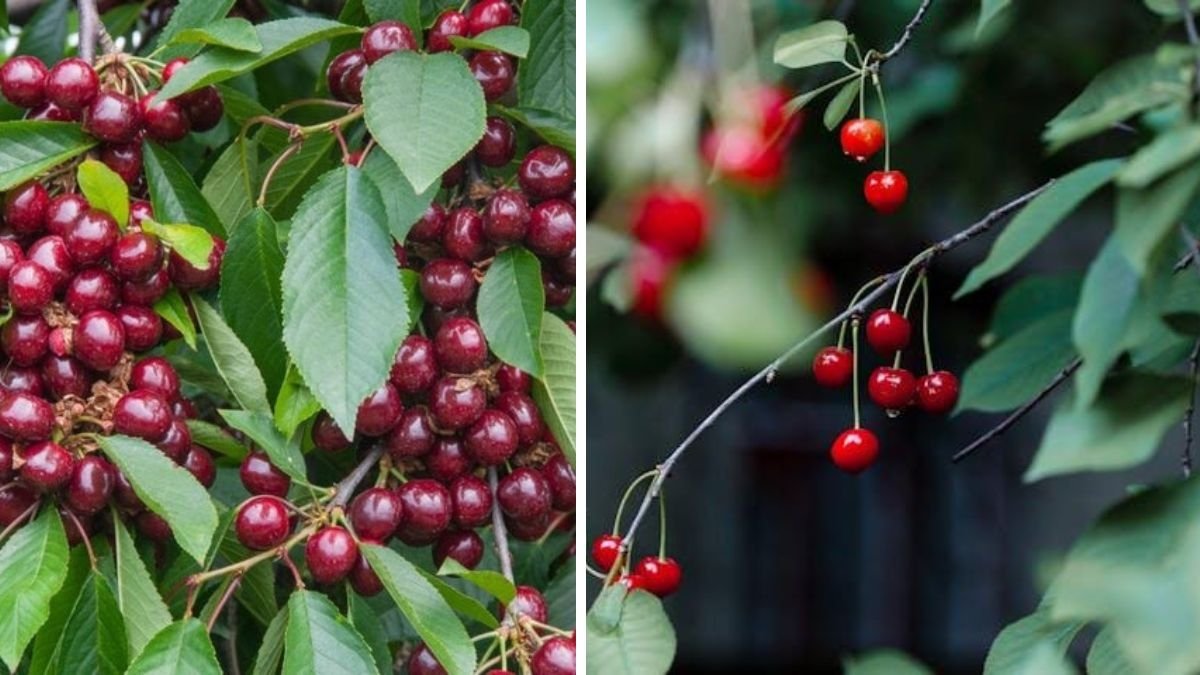
Have you ever eaten a sweet, juicy cherry and wondered if you could grow your own cherry tree from the pit? The answer is yes! Growing a cherry tree from a pit is a fun, rewarding, and budget-friendly gardening project that lets you experience the full life cycle of one of the world’s most beloved fruit trees.
While it takes patience, watching a tiny seed grow into a beautiful flowering tree is incredibly satisfying. Whether you’re a home gardener, a fruit lover, or simply curious about growing trees from scratch, this step-by-step guide will walk you through everything you need to know.
Why Grow a Cherry Tree from a Pit?
Growing a cherry tree from seed is not only enjoyable, but it also comes with several benefits:
- It’s an inexpensive way to grow a fruit tree
- It’s a fun project for kids and families
- It allows you to understand plant life cycles
- It creates a beautiful ornamental tree
- You can eventually harvest your own cherries
Plus, cherry trees are famous for their stunning spring blossoms.
Things to Know Before You Start
Before planting a cherry pit, it’s important to understand a few things:
- Trees grown from pits may not produce identical fruit to the parent cherry
- It can take 3–5 years for a seed-grown tree to bear fruit
- Some cherry varieties need a second tree for pollination
- Patience is essential
That said, growing from seed is still a wonderful experience and a great way to grow a healthy tree.

What You’ll Need
To get started, gather these simple supplies:
- Fresh cherries
- Paper towel
- Plastic bag or container
- Potting soil
- Small pots
- Sunny growing space
Step 1: Choose the Right Cherries
For best results, use cherries that are:
- Fresh and fully ripe
- Locally grown if possible
- Organic (to avoid chemical treatments)
Avoid store-bought cherries that may be treated to prevent sprouting.
Step 2: Remove and Clean the Pits
- Eat the cherries and save the pits
- Rinse pits thoroughly to remove all fruit residue
- Let pits air-dry for 24 hours
This prevents mold during storage.
Step 3: Stratify the Cherry Pits (Cold Treatment)
Cherry seeds require cold exposure to germinate. This process mimics winter conditions.
How to Stratify
- Wrap pits in a damp paper towel
- Place them in a plastic bag or container
- Store in the refrigerator for 8–12 weeks
- Keep the paper towel slightly moist
This cold period breaks dormancy and prepares seeds to sprout.

Step 4: Plant the Cherry Pits
After stratification, it’s time to plant.
Indoor Planting
- Fill small pots with well-draining soil
- Plant pits about 1 inch deep
- Water lightly
- Place in a sunny location
Outdoor Planting
If it’s spring and frost has passed, you can plant directly in the ground.
Step 5: Germination and Early Growth
Cherry pits usually sprout in 2–4 weeks after planting.
Care Tips for Seedlings
- Keep soil moist but not soggy
- Provide bright sunlight
- Protect from strong winds
- Use a spray bottle for gentle watering
Once seedlings grow 4–6 inches tall, they’re ready for transplanting.
Step 6: Transplanting Your Cherry Seedling
When your seedling is strong enough:
- Choose a sunny planting location
- Dig a hole twice the size of the root ball
- Gently remove the plant from its pot
- Place in the hole and fill with soil
- Water thoroughly
Cherry trees love full sun and well-drained soil.

Step 7: Caring for Your Cherry Tree
Watering
- Water regularly during the first year
- Deep watering encourages strong roots
- Reduce watering once established
Fertilizing
- Use balanced fertilizer in spring
- Compost works well for organic feeding
Pruning
- Prune in late winter
- Remove weak or crossing branches
- Shape for airflow and sunlight
How Long Does It Take to Grow a Cherry Tree?
Cherry trees grow slowly but steadily.
Growth Timeline
- Year 1: Seedling establishment
- Year 2–3: Tree growth and branching
- Year 3–5: Flowering and fruiting
Some varieties may take longer, but the wait is worth it.
Pollination Requirements
Many cherry varieties need cross-pollination.
Tips
- Plant at least two cherry trees
- Encourage bees and pollinators
- Avoid using pesticides during flowering
Sweet cherries usually need a pollination partner, while sour cherries are often self-pollinating.
Common Problems and Solutions
Seed Not Sprouting
Cause: Insufficient cold treatment
Solution: Extend stratification period
Yellow Leaves
Cause: Overwatering
Solution: Improve drainage

Pests
Cause: Aphids or caterpillars
Solution: Use neem oil or organic insecticide
Slow Growth
Cause: Poor soil or low sunlight
Solution: Improve soil and move to sunnier spot
Can You Grow a Cherry Tree in a Pot?
Yes, dwarf cherry varieties grow well in containers.
Container Tips
- Use a large pot (at least 18–24 inches)
- Ensure good drainage
- Use nutrient-rich soil
- Place in full sun
Container trees may produce fewer fruits but are perfect for small spaces.
Benefits of Growing Cherry Trees at Home
- Fresh organic cherries
- Beautiful spring blossoms
- Shade and landscaping value
- Attracts birds and pollinators
- Increases garden biodiversity
A cherry tree is both a fruit producer and an ornamental beauty.
Fun Facts About Cherry Trees
- Cherry blossoms are Japan’s national symbol
- Some cherry trees can live over 100 years
- There are over 1,000 cherry varieties worldwide
- Cherry wood is prized for furniture
Final Thoughts
Growing a cherry tree from a pit is a beautiful journey from seed to fruit. While it requires patience, care, and dedication, the rewards are more than worth the effort. From watching your first sprout emerge to enjoying homegrown cherries years later, the experience is deeply satisfying.

So next time you snack on cherries, don’t throw away the pits. Save them, plant them, and start your very own cherry tree adventure today!

Leave A Comment