
Mussaenda, also known as Queen Sirikit or Bangkok Rose, is a stunning flowering shrub admired for its bright, showy bracts and long-lasting blooms. Its colorful flowers, ranging from pink, red, to white, make it a favorite choice for gardens, patios, and landscape decoration. Whether you want a bushy hedge, a potted beauty, or a vibrant garden centerpiece, Mussaenda is perfect for every gardener.
In this guide, you’ll learn how to grow Mussaenda step by step, including soil selection, watering, sunlight requirements, propagation, fertilization, pruning, and pest control. This comprehensive care guide ensures your Mussaenda thrives beautifully.
Why Grow Mussaenda?
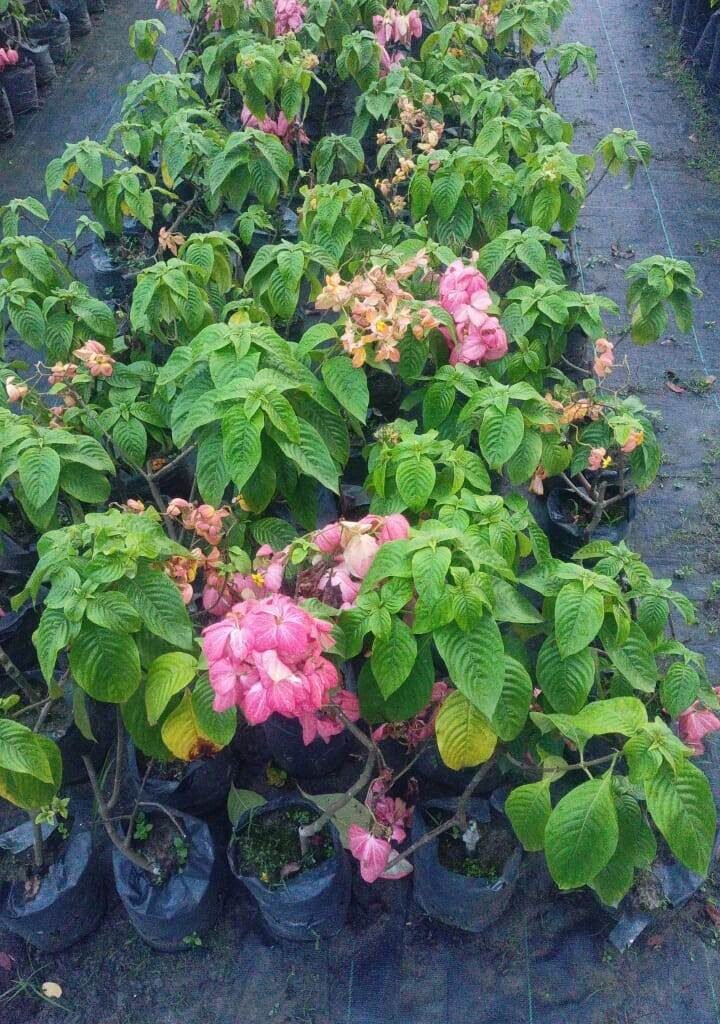
Mussaenda is a versatile plant that offers multiple benefits:

- Produces large, colorful bracts that resemble flowers
- Flowers bloom year-round in tropical climates
- Attracts butterflies, bees, and birds
- Suitable for garden beds, borders, hedges, and pots
- Low maintenance if proper care is given
Whether you’re a beginner or an experienced gardener, Mussaenda adds color and elegance to any space.
Best Time to Plant Mussaenda
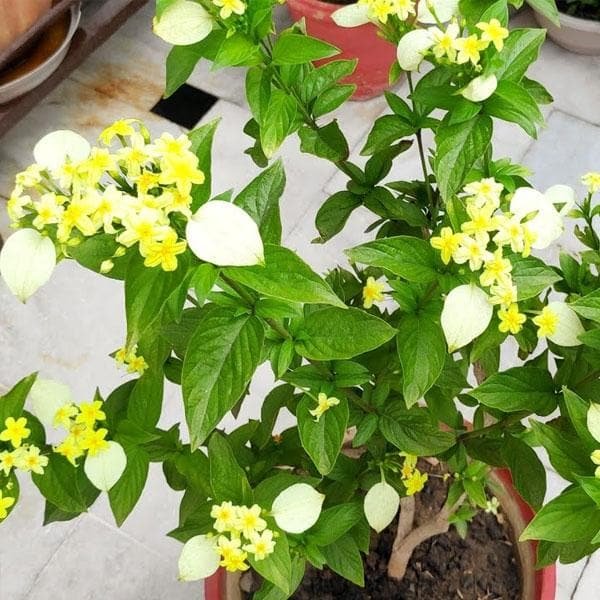
- The ideal time to plant is during spring or early summer when temperatures are warm.
- Avoid planting during heavy rainfall or extreme cold, as young plants are sensitive to waterlogging and frost.
Choosing the Right Variety
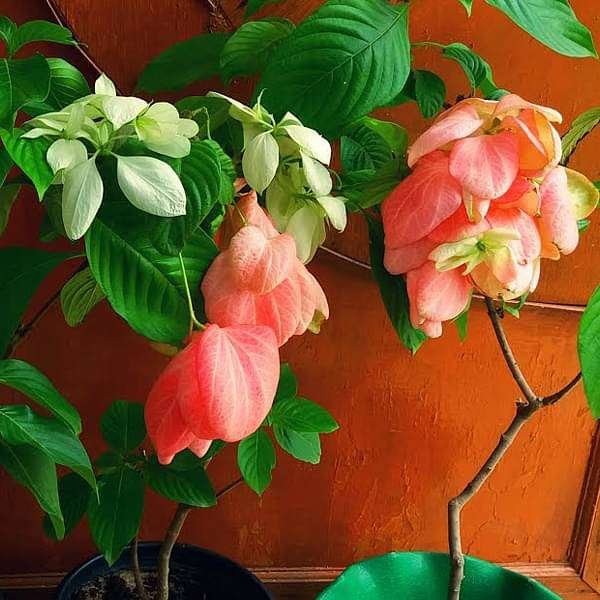
Mussaenda comes in several popular varieties:
- Mussaenda erythrophylla – Bright red bracts, tropical favorite
- Mussaenda philippica – Pink or white bracts, medium-sized shrub
- Mussaenda macrophylla – Larger leaves, bushy growth, white flowers
Tip: Select a variety based on your garden space, climate, and preferred color.

Planting Mussaenda: Step-by-Step
Step 1: Prepare the Soil
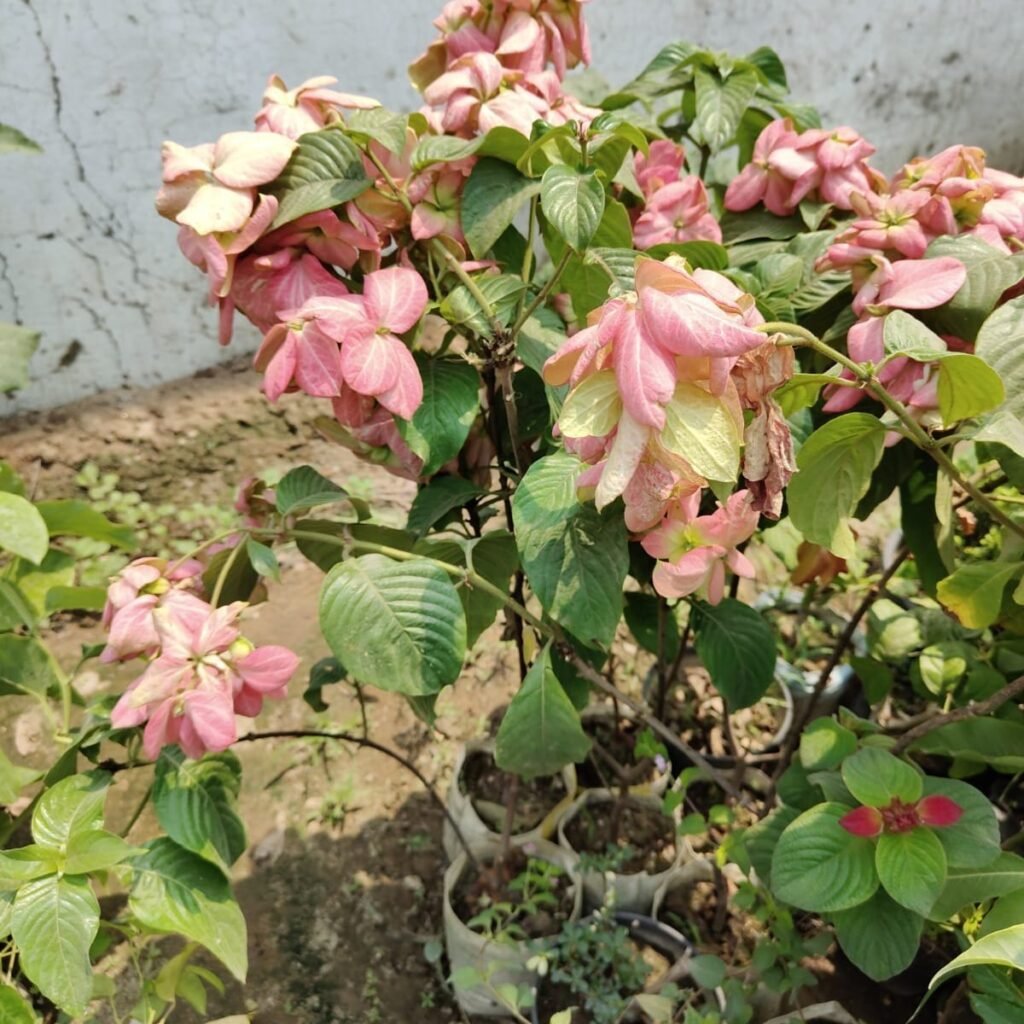
- Mussaenda thrives in well-draining, fertile soil.
- Mix garden soil with compost or organic manure for better fertility.
- Slightly acidic to neutral soil (pH 6–7) works best.
- Avoid heavy clay soil that retains water.
Step 2: Select a Healthy Plant or Cutting
- Mussaenda can be grown from nursery saplings, stem cuttings, or seeds.
- Stem cuttings are ideal for beginners—they root quickly and flower faster.
Step 3: Planting
- Dig a hole twice the size of the root ball.
- Place the plant and fill the hole with soil, pressing gently to remove air pockets.
- Water immediately to help settle the soil.
Watering Mussaenda
- Water regularly during the growing season (spring–summer) to keep the soil moist.
- Reduce watering in winter when the plant’s growth slows.
- Avoid waterlogging, as it can lead to root rot.
- Tip: Mulch around the base to retain moisture and reduce weeds.
Sunlight Requirements
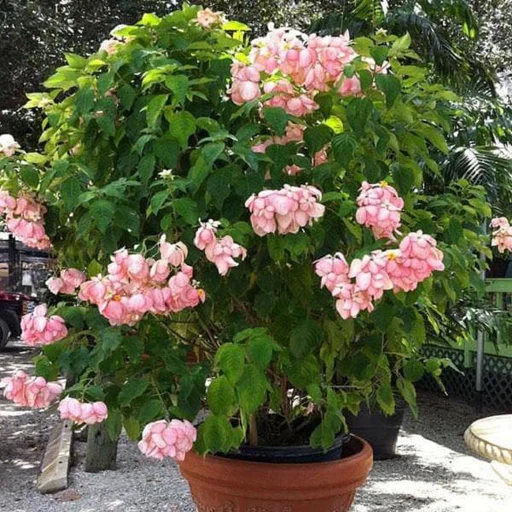
- Mussaenda prefers full sunlight for 5–6 hours daily.
- Partial shade is acceptable but may result in fewer blooms.
- Indoors or balcony planting should ensure bright, indirect sunlight.
Fertilizing Your Mussaenda
Proper nutrition ensures vibrant blooms:
- Organic Fertilizers: Use compost, vermicompost, or cow dung monthly
- Chemical Fertilizers: NPK 10-10-10 or 20-20-20 every 20–25 days during active growth
- Bloom Booster: High phosphorus fertilizer (0-52-34) once a month encourages flowering
Tip: Avoid over-fertilization to prevent excessive leaf growth at the expense of flowers.
Pruning and Training
Pruning keeps Mussaenda healthy and bushy:

- Remove dead or weak branches regularly
- Prune after flowering to maintain shape
- For climbing or sprawling varieties, provide trellises or support structures
- Pinch tips to encourage bushy, dense growth
Common Pests and Diseases
Pests:
- Aphids, mealybugs, whiteflies
- Spray neem oil or mild insecticidal soap
- Regular inspection prevents infestations
Diseases:
- Leaf spot – fungal disease in humid conditions
- Root rot – caused by waterlogged soil
- Ensure well-draining soil and avoid overwatering
Propagation of Mussaenda
1. From Stem Cuttings (Fastest Method)
- Take a 6–8 inch semi-hardwood cutting from a healthy plant
- Remove lower leaves and dip the end in rooting hormone
- Plant in well-draining soil or place in water until roots develop
2. From Seeds
- Plant seeds in a light, sandy soil mix
- Keep soil moist and warm
- Seeds germinate slowly, usually taking 2–3 weeks, but flowering may take longer
Tip: Beginners prefer cuttings for faster flowering and easier care.
Step-by-Step Growth & Care Timeline (With Updates)
Week 1–2 – Planting Stage
- Roots settle in soil
- Water lightly, keep soil moist
- Avoid direct harsh sunlight for young plants
Week 3–4 – Early Growth
- New leaves appear
- Stem strengthens and grows taller
- Fertilize lightly with organic compost
Week 5–6 – Active Growth
- Branching begins
- Plant grows bushier
- Continue sunlight care and regular watering
Week 8–10 – Flower Bud Formation
- Small buds appear at branch tips
- Ensure full sunlight for vibrant blooms
Month 3–4 – First Blooms
- Bright, colorful bracts open
- Regular pruning encourages more buds
Month 5+ – Established Plant
- Full, bushy shrub with multiple flowers
- Year-round flowering possible in tropical climates
Pro Tips for Fast & Easy Mussaenda Growth
- Ensure full sunlight for abundant blooms
- Use semi-hardwood cuttings for faster flowering
- Keep soil well-draining and fertile
- Prune regularly to maintain bushy growth
- Mulch to retain soil moisture and reduce weeds
- Monitor pests early and treat promptly
Conclusion
Mussaenda is a vibrant, easy-to-grow flowering shrub that brings color, life, and elegance to any garden. With the right soil, watering routine, sunlight, pruning, and fertilization, even beginners can enjoy lush foliage and stunning blooms year-round.
Following this guide with step-by-step care tips, propagation methods, and growth updates ensures your Mussaenda grows fast, healthy, and flowering abundantly, making your garden a beautiful, lively paradise.


Leave A Comment