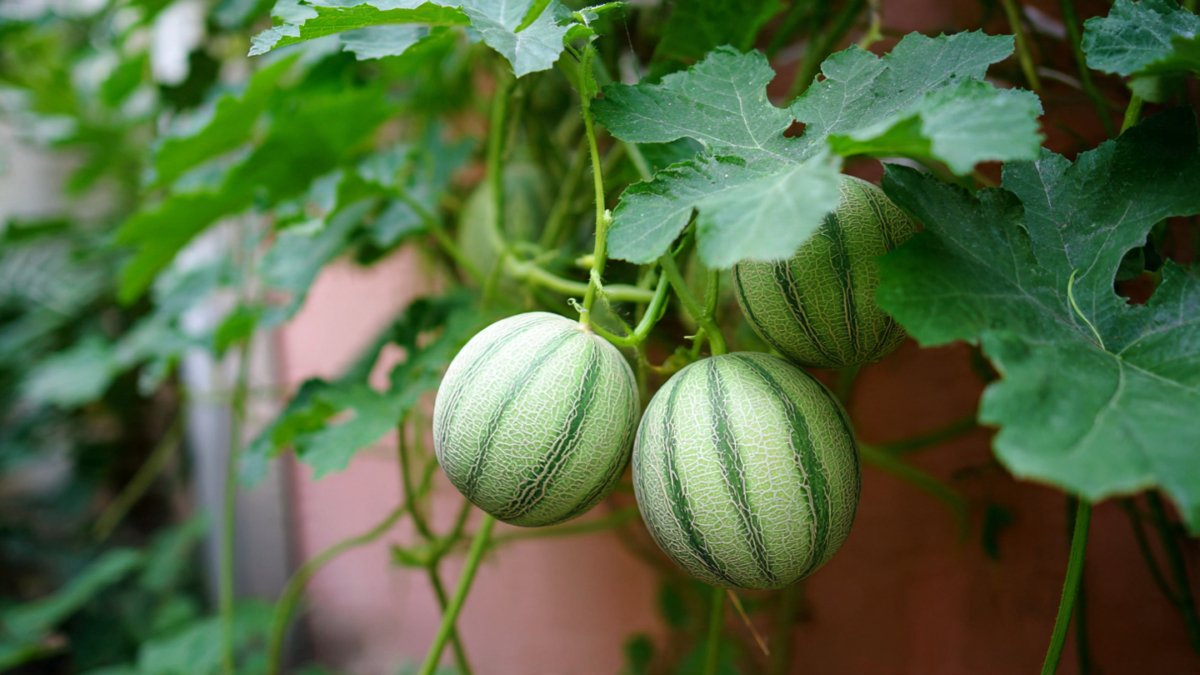
Growing melons at home may sound like a challenge, especially if you don’t have a large garden. However, with the right techniques and a little planning, you can successfully grow sweet, juicy melons beside your house, even in small spaces. Whether you have a narrow backyard, a side yard, or a sunny wall, these areas can become productive growing spots for melons.
Melons such as watermelon, muskmelon, and cantaloupe are rewarding crops that thrive in warm conditions and full sunlight. With proper soil preparation, smart space management, and consistent care, home gardeners can enjoy fresh, homegrown melons without needing a farm-sized garden. This guide explains an easy and practical method to grow melons beside your house.
Why Grow Melons Beside Your House?
The area beside your house is often underused. It usually receives good sunlight, has protection from strong winds, and is close to water sources. These factors make it an ideal location for growing melons.
Growing melons near your home also makes maintenance easier. You can monitor plants daily, water them conveniently, and protect them quickly from pests or weather changes.
Another advantage is space efficiency. Instead of letting vines spread randomly, you can train them vertically along walls or fences, saving ground space and improving air circulation.
Homegrown melons are fresher, tastier, and free from harmful chemicals, making the effort worthwhile.
Choosing the Right Melon Variety
Selecting the right variety is essential for success, especially in limited spaces.
Some melon types are better suited for home gardens:
- Cantaloupe (muskmelon) grows well in containers and small plots
- Sugar Baby watermelon is compact and suitable for small spaces
- Honeydew needs more space but can be trained vertically
- Mini watermelons are ideal for side yards
Look for varieties labeled as “compact,” “bush,” or “container-friendly.” These types produce manageable vines and adapt better to home settings.
Always choose high-quality seeds from reliable sources for better germination and disease resistance.
Understanding Sunlight and Temperature Needs
Melons are sun-loving plants. They require at least six to eight hours of direct sunlight every day. The side of your house that faces south or west is usually the best location.
Temperature also plays a major role. Melons grow best in warm conditions between 22°C and 32°C. Cold temperatures slow growth and affect fruit development.
Avoid planting melons in shaded or damp areas. Lack of sunlight leads to weak vines and poor fruit quality.

If you live in a cooler region, wait until all risk of frost has passed before planting.
Preparing the Growing Area
Proper soil preparation is the foundation of healthy melon plants.
Start by clearing weeds, stones, and debris from the side yard. Loosen the soil to a depth of at least 30 centimeters. This allows roots to grow freely.
Melons prefer well-draining, fertile soil rich in organic matter. Improve soil quality by mixing in:
- Compost or well-rotted manure
- Vermicompost
- Coco peat or sand for drainage
The ideal soil pH is between 6.0 and 6.8. Slightly acidic soil helps plants absorb nutrients efficiently.
If your soil is poor or space is limited, you can use large containers, grow bags, or raised beds beside the house.
Planting Melon Seeds or Seedlings
You can grow melons from seeds or seedlings. Seeds are cheaper, while seedlings save time.
For direct sowing:
Make small holes about 2 centimeters deep. Place two or three seeds in each hole and cover lightly with soil. Water gently.
For seedlings:
Dig holes slightly larger than the root ball. Place the plant carefully and cover with soil. Press gently and water well.
Space plants about 60 to 90 centimeters apart. Proper spacing improves airflow and reduces disease.
If planting near a wall, leave enough distance for roots to spread and vines to climb.

Training Vines Along Walls and Supports
One of the best ways to grow melons beside your house is vertical gardening. Training vines upward saves space and keeps fruits clean.
You can use:
- Trellises
- Bamboo frames
- Wire mesh
- Wall hooks with strings
- Fences
Install supports before vines grow long. Gently guide young vines toward the structure and tie them loosely with soft string.
As fruits develop, support them using cloth slings, net bags, or old fabric. This prevents them from falling and breaking off.
Vertical growing improves sunlight exposure and reduces pest problems.
Watering Correctly
Watering is crucial for melon growth and fruit quality.
Melons need consistent moisture, especially during flowering and fruit development. However, overwatering can cause root rot and bland-tasting fruits.
Follow these watering tips:
- Water deeply two to three times a week
- Keep soil moist but not soggy
- Avoid wetting leaves excessively
- Water early morning or evening
Reduce watering slightly when fruits begin to ripen. This helps improve sweetness.
Mulching with straw, dry leaves, or grass clippings helps retain moisture and control weeds.
Feeding and Fertilizing
Melons are heavy feeders and require regular nutrients for healthy growth.
Before planting, mix compost into the soil. During growth, apply organic fertilizers such as:
- Vermicompost
- Compost tea
- Cow dung liquid
- Fish emulsion
- Seaweed extract
Apply fertilizer every two to three weeks during the growing season.

Use nitrogen-rich fertilizer early for leaf growth, and switch to potassium-rich fertilizer during flowering and fruiting.
Avoid excessive chemical fertilizers, as they can harm soil health and reduce fruit quality.
Pruning and Managing Growth
Pruning helps direct plant energy toward fruit production.
Remove weak, damaged, or overcrowded vines. Pinch off excess side shoots if the plant becomes too dense.
Once the main vine produces several fruits, trim unnecessary growth. This improves airflow and sunlight penetration.
Limit each plant to three to five fruits for better size and sweetness.
Regular pruning also reduces pest and disease problems.
Controlling Pests and Diseases
Common melon pests include aphids, spider mites, fruit flies, and beetles. Diseases such as powdery mildew and leaf spot are also common.
Prevent problems by:
- Inspecting plants regularly
- Removing infected leaves
- Keeping area clean
- Maintaining proper spacing
- Improving air circulation
Use natural remedies such as neem oil, garlic spray, or soap water for pest control.
Avoid spraying chemicals during flowering, as they harm pollinators.
Healthy plants are naturally more resistant to pests and diseases.
Pollination and Fruit Development
Melon plants produce male and female flowers. Pollination is necessary for fruit formation.

Bees and insects usually handle this naturally. However, if pollinators are scarce, you can hand-pollinate.
Use a soft brush to transfer pollen from male flowers to female flowers. Female flowers have a small fruit-like swelling at the base.
Proper pollination ensures well-shaped, fully developed fruits.
Harvesting Melons at the Right Time
Harvesting at the correct stage is important for flavor and sweetness.
Signs of ripe melons include:
- Sweet fragrance near the stem
- Yellowing of the underside
- Drying of the stem
- Easy separation from vine
- Deepened color
For watermelons, a hollow sound when tapped often indicates ripeness.
Use clean scissors or a knife to cut fruits. Do not pull them forcefully.
Harvest in the morning for best freshness.
Growing Melons in Containers Beside the House
If soil space is limited, containers are a great alternative.
Use large pots or grow bags of at least 40 liters capacity. Fill with rich potting mix and compost.
Place containers near a sunny wall. Provide strong supports for climbing.
Container-grown melons require more frequent watering and feeding but are easy to manage.
They are ideal for balconies, patios, and narrow side spaces.

Common Mistakes to Avoid
Beginners often make mistakes that affect melon production.
Avoid these common errors:
- Planting in shaded areas
- Overwatering
- Poor soil preparation
- Ignoring supports
- Overcrowding plants
- Skipping fertilization
Learning from these mistakes improves success in future seasons.
Benefits of Growing Melons at Home
Growing melons beside your house offers many advantages.
You get fresh, chemical-free fruits.
You save money on groceries.
You improve food security.
You enjoy gardening as a hobby.
You enhance your home environment.
Watching fruits grow from flowers is deeply satisfying and rewarding.
Conclusion
Growing melons beside your house is an easy and practical method for home gardeners who want fresh, healthy fruits without needing a large garden. With proper sunlight, fertile soil, vertical supports, and regular care, even small spaces can produce abundant harvests.
By choosing the right variety, managing water and nutrients, controlling pests naturally, and harvesting at the right time, you can enjoy sweet, juicy melons straight from your home garden.
Start small, stay consistent, and learn from each season. With patience and dedication, your side yard can become a productive melon garden that brings joy, nutrition, and satisfaction to your daily life.

Leave A Comment