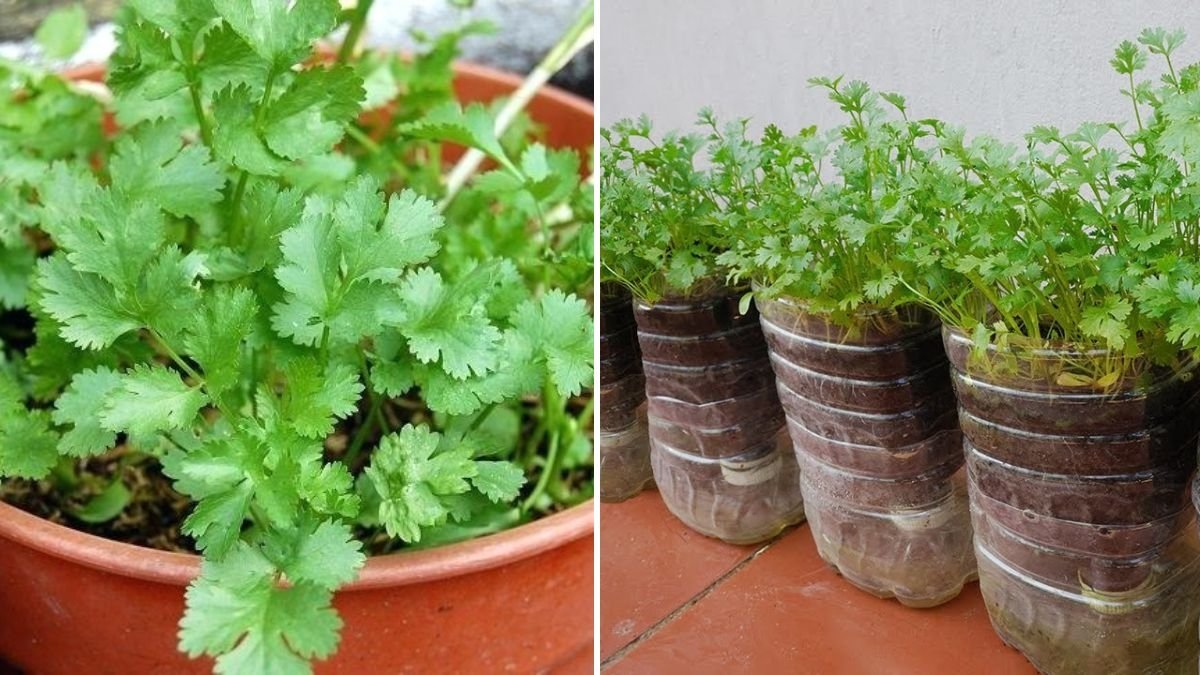
Growing your own leafy greens at home is one of the most rewarding gardening experiences—especially when the plants grow fast, require low maintenance, and give you fresh harvests almost every week. Two of the easiest and most useful greens you can grow are coriander (cilantro) and spinach. Whether you have a backyard, a terrace garden, or just a small balcony with pots, both of these plants grow beautifully even in limited space.
In this complete guide, you’ll learn everything from soil preparation, seeds selection, sowing method, watering schedule, sunlight needs, pest control, and harvesting—with realistic time-based growth updates for beginners.
Why Grow Coriander and Spinach at Home?
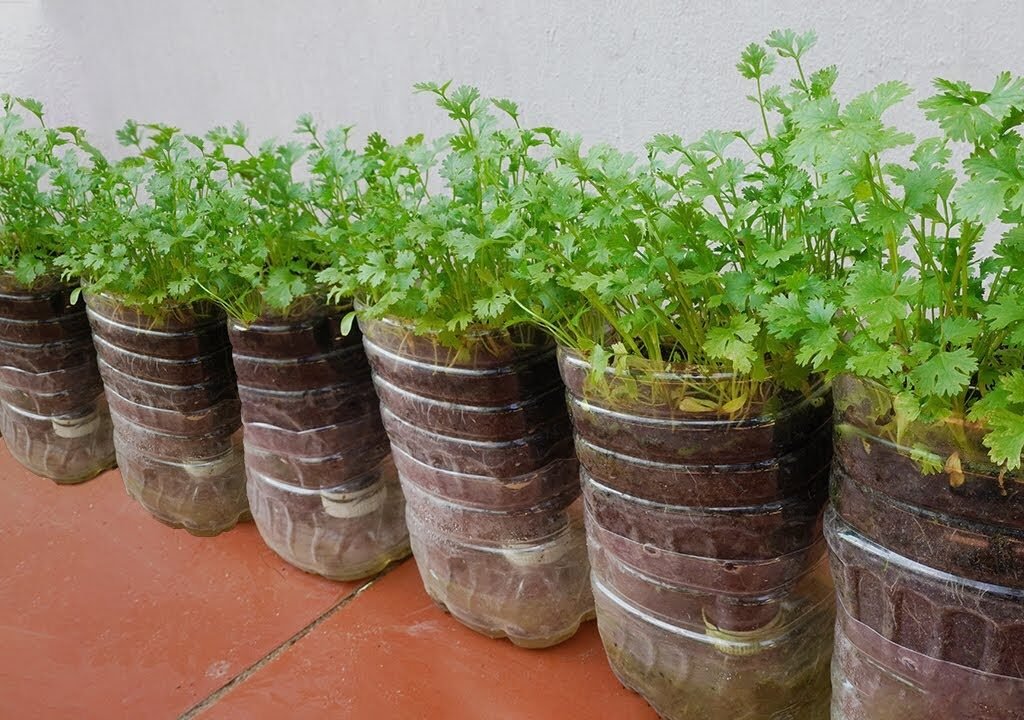
- Fresh and chemical-free leaves
- No need to buy from the market every week
- Harvest again and again from the same plant
- Suitable for all climates and small spaces
- Saves money and supports healthy eating
Coriander adds aroma to dishes, while spinach offers nutrition and versatility for salads, smoothies, and curries. Together, they make a perfect home garden combination.
What You Need Before Starting
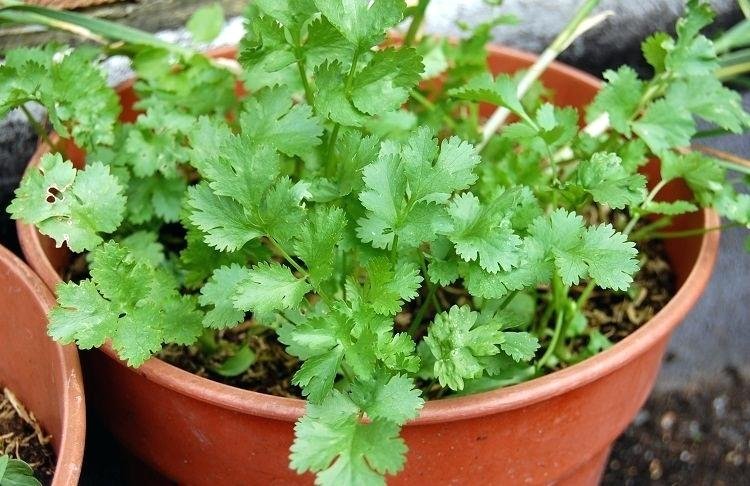
Medium or large containers (6–10 inches depth)
Good quality seeds (fresh and untreated)
Well-draining soil mix
Spray bottle or watering can
Organic fertilizer (vermicompost or compost)
A soil mix that works best:

- 50% garden soil or cocopeat
- 30% compost (vermicompost works best)
- 20% sand or perlite for drainage
Mix everything well to avoid waterlogging, which is the most common cause of plant failure.
How to Grow Coriander at Home
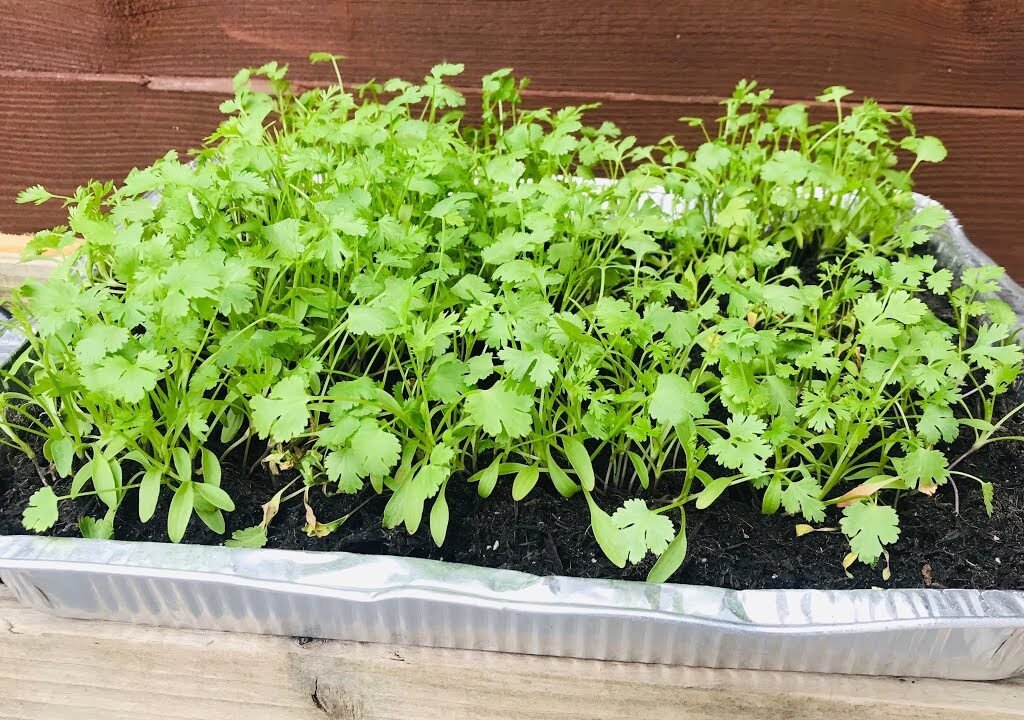
Step 1: Prepare the Seeds
Coriander seeds are actually two seeds joined together. To speed up germination:
- Slightly crush the seeds using a rolling pin
- Soak in water for 6–8 hours
This softens the outer shell and increases germination success.
Step 2: Sowing
- Fill the pot with your soil mix.
- Sprinkle the seeds evenly.
- Cover lightly with ½ inch soil.
- Spray water gently.
Do not bury the seeds too deep—coriander needs light to germinate.
Step 3: Watering & Light
- Keep soil moist, not soggy.
- Place in a bright area with 4–5 hours of sunlight.
Coriander Growth Timeline (Full Updates)

| Day | Progress |
|---|---|
| Day 3–7 | Seeds start sprouting |
| Day 10–15 | Small leaves appear |
| Day 25–30 | Ready for first harvest |
| After Harvest | Regrows multiple times if cut properly |
Harvesting tips
- Cut the leaves when they reach 4–6 inches tall.
- Always cut upper leaves, not from the base.
- Leave at least 2 inches of stems to encourage regrowth.
You can harvest coriander 2–3 times from one sowing.

How to Grow Spinach at Home
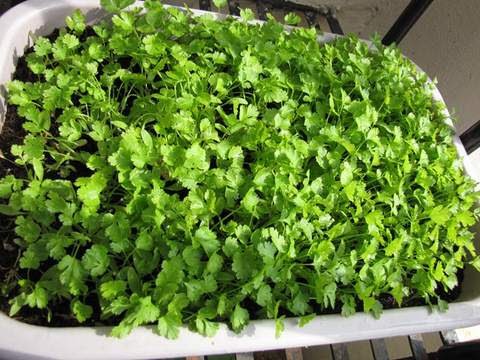
Spinach is one of the fastest-growing vegetables and grows well in cool to warm climates.
Step 1: Soil and Pot
Spinach requires slightly deeper pots (8–10 inches) because of its taproot system.
Use the same soil mix mentioned earlier.
Step 2: Sowing the Seeds
- Make small lines or rows in the soil about 1 cm deep.
- Sow seeds with a little spacing.
- Cover lightly and water.
Spacing is important—crowded spinach grows thin and weak.
Step 3: Sunlight & Watering
- Needs 3–4 hours of sunlight (morning sun preferred).
- Water regularly but avoid water stagnation.
Spinach loves moist soil.

Spinach Growth Timeline (Full Updates)
| Day | Progress |
|---|---|
| Day 4–8 | Germination starts |
| Day 10–15 | Small baby spinach leaves visible |
| Day 20–25 | Leaves grow bigger and lush |
| Day 30–35 | Ready for harvesting |
Harvesting Spinach
There are two methods:
- Cut-and-Grow
Cut outer large leaves and let the center continue growing. - Full Harvest
Pull out the plant when it matures and replant new seeds.
The cut-and-grow method provides continuous spinach for weeks.
Common Problems and Solutions
| Problem | Cause | Solution |
|---|---|---|
| Seeds not germinating | Old or deep sowing | Use fresh seeds & sow shallow |
| Yellow leaves | Overwatering | Reduce watering |
| Slow growth | Low sunlight or poor soil | Add compost & provide sunlight |
| Pests (aphids/mealybugs) | Weak plant health | Neem oil spray weekly |
Neem oil + mild soap spray is safe for edible leaves.
Feeding The Plants
To keep your plants productive:
- Add one handful of compost every 15 days
- Avoid chemical fertilizers
- Mulch with dry leaves to retain moisture
Healthy soil = healthy plants.

Regrowing and Success Tips
- Always sow coriander every 20–30 days to ensure continuous supply.
- Sow spinach again after the first batch finishes.
- Rotate pots to ensure sunlight distribution.
- Avoid harvesting too early—wait until plants are strong.
Final Results and Expectations
Within just 3–5 weeks, you’ll have lush, green pots full of coriander and spinach. The satisfaction of plucking fresh leaves and adding them directly to your meal is priceless.
Growing leafy vegetables at home is not just a gardening hobby—it’s a lifestyle shift towards healthier, chemical-free food.
Conclusion
Whether you’re a beginner or an experienced gardener, coriander and spinach are perfect plants to start your home garden journey. With minimal care, you’ll enjoy multiple harvests, beautiful greenery, and the joy of self-grown food.
So grab a pot, soil, and seeds—your mini kitchen farm is just a few steps away!


Leave A Comment