
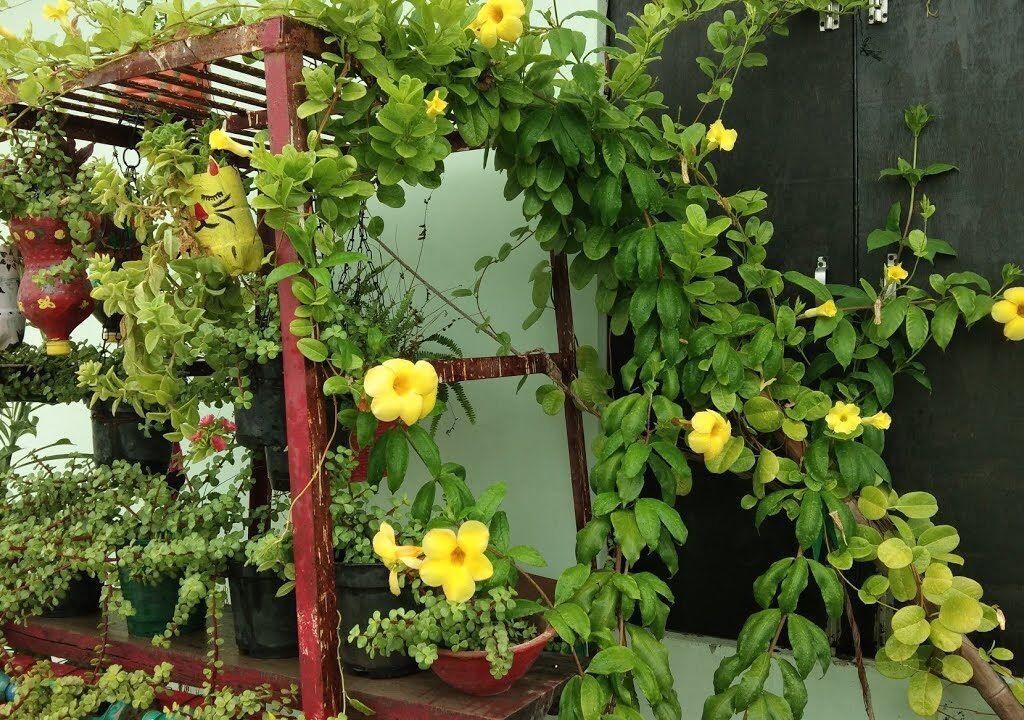
Allamanda, popularly known as Golden Trumpet, is a stunning flowering plant admired for its vibrant yellow blooms and glossy green foliage. Whether you want to grow it in your garden, balcony, or as a decorative hedge, Allamanda is one of the easiest flowering plants to cultivate—fast, easy, and highly rewarding.
In this detailed guide, you’ll learn how to grow Allamanda step by step, with tips on soil, watering, sunlight, pruning, fertilizing, pest management, and everything needed to maintain a healthy, flowering plant.
Why Grow Allamanda?
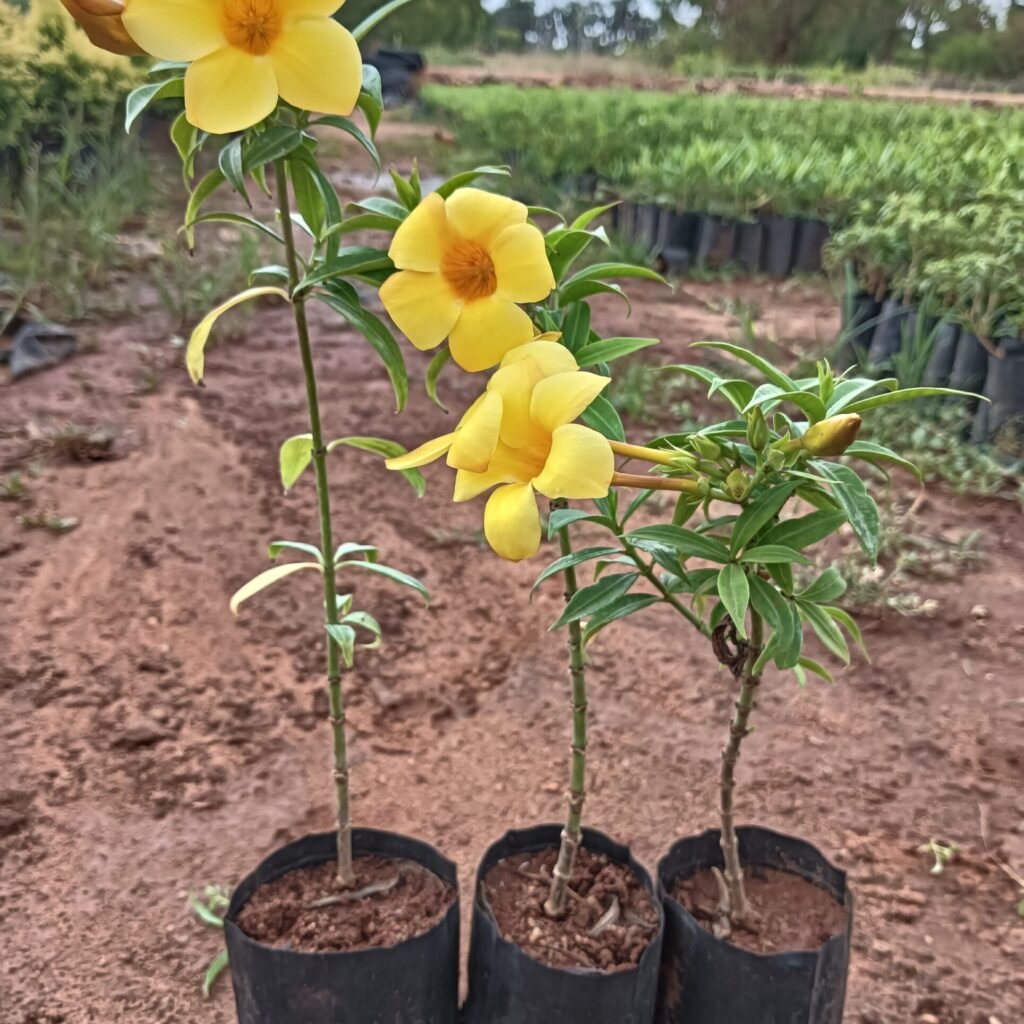
Allamanda is a popular choice for gardeners because:

- It produces bright, trumpet-shaped yellow flowers almost all year round in tropical climates.
- It is low-maintenance and adapts well to different growing conditions.
- It can be grown as a bush, climber, or hedge.
- It attracts butterflies and bees, enhancing your garden ecosystem.
Whether you are a beginner or an experienced gardener, Allamanda is a must-have plant for its aesthetic appeal and easy care.
Best Time to Plant Allamanda
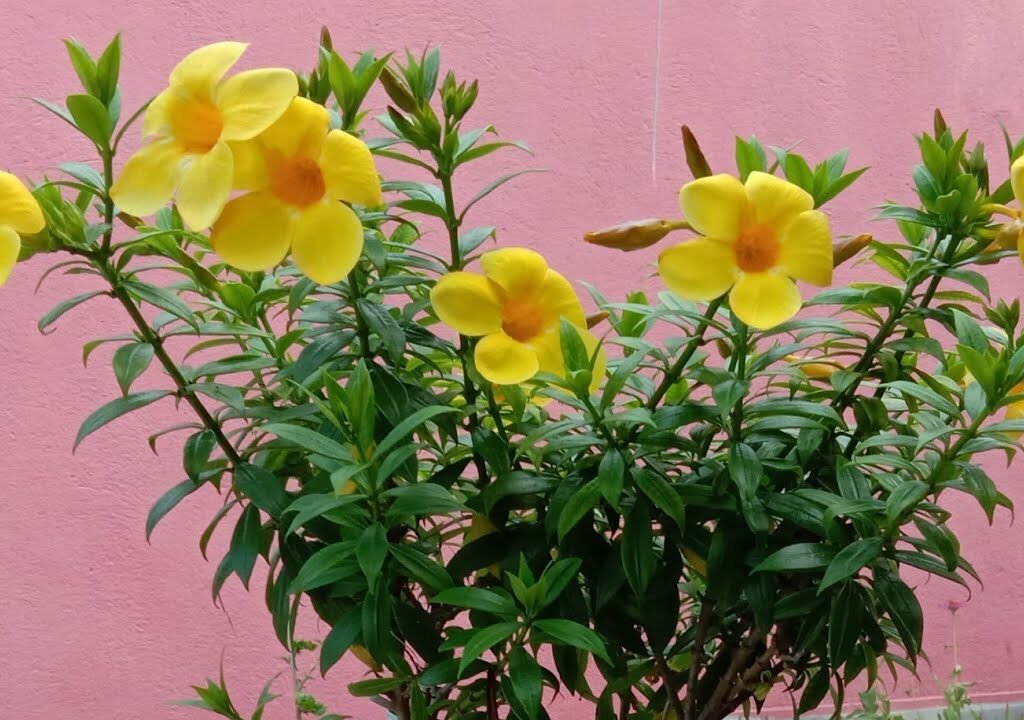
- The ideal time to plant Allamanda is during spring or early summer, when the weather is warm.
- Avoid planting during heavy rains or frost, as young plants are sensitive to waterlogging and cold.
Choosing the Right Variety
Allamanda comes in a few varieties:
- Allamanda cathartica – Classic golden trumpet, large yellow flowers
- Allamanda blanchetii – Violet or pinkish trumpet blooms
- Allamanda neriifolia – Compact variety, suitable for pots
Tip: Choose the variety based on space and desired aesthetics.

Planting Allamanda: Step by Step
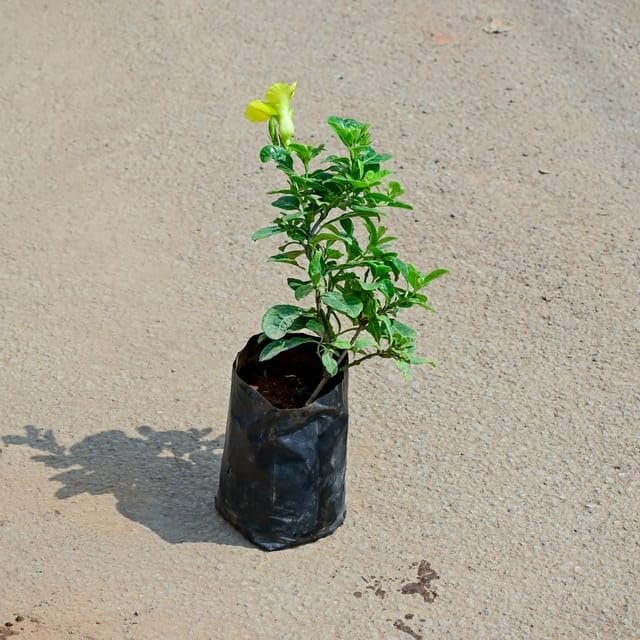
Step 1: Prepare the Soil
- Allamanda prefers well-draining, slightly acidic to neutral soil (pH 6–7).
- Mix garden soil with compost and sand for optimum drainage.
- Avoid clay-heavy soils that retain water.
Step 2: Select a Healthy Plant or Cutting
- You can grow Allamanda from seeds, cuttings, or nursery saplings.
- Stem cuttings are faster for flowering and easier for beginners.
Step 3: Planting
- Dig a hole twice the size of the pot or root ball.
- Place the plant and backfill with soil, ensuring roots are well-covered.
- Water immediately to help settle the soil.
Watering Allamanda
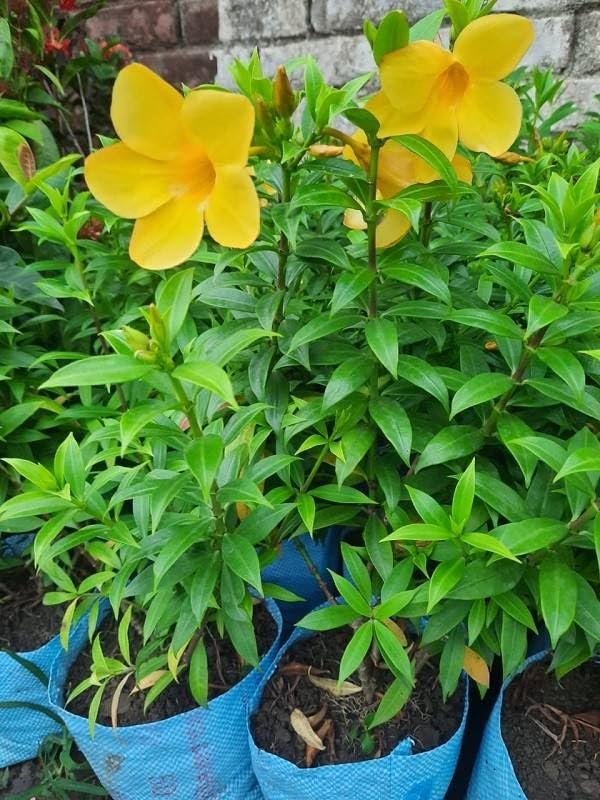
- Water regularly during the growing season (spring–summer).
- Reduce watering in winter when the plant’s growth slows.
- Avoid overwatering to prevent root rot.
- Tip: Keep the soil slightly moist, not soggy.
Sunlight Requirements
- Allamanda thrives in full sunlight (6–8 hours daily).
- Partial shade is acceptable but may reduce flowering.
- Indoors or balcony planting should be near a sunny window or balcony.
Fertilizing Allamanda
Proper nutrition boosts flower production:
- Organic Fertilizers: Compost, vermicompost, or cow dung every 2–3 weeks
- Chemical Fertilizers: NPK 10-10-10 or 19-19-19 diluted every 20 days during growing season
- Bloom Booster: High-phosphorus fertilizer (e.g., 0-52-34) once a month for prolific flowering
Tip: Avoid over-fertilization, which may lead to more leaves and fewer flowers.
Pruning and Training
Pruning keeps Allamanda healthy and encourages bushy growth:

- Remove dead, diseased, or weak branches regularly
- Prune after flowering to maintain shape
- For climbing varieties, provide trellises or supports
- Pinching tips encourages dense, bushy growth
Common Pests and Diseases
Pests:
- Aphids, mealybugs, and spider mites
- Spray neem oil or mild insecticidal soap regularly
Diseases:
- Root rot – caused by waterlogged soil
- Leaf spots – fungal infection in humid conditions
- Use well-draining soil and avoid overhead watering
Propagation of Allamanda
1. From Cuttings (Fastest Method)
- Take a 6–8 inch semi-hardwood cutting from a healthy plant
- Remove lower leaves and dip the end in rooting hormone
- Plant in well-draining soil or place in water until roots develop
2. From Seeds
- Plant seeds in a light, sandy soil mix
- Keep soil moist and warm
- Seeds germinate in 2–3 weeks but take longer to flower
Tip: Beginners prefer cuttings for faster flowering and easier care.
Step-by-Step Growth & Care Timeline (With Updates)
Week 1–2 – Planting Stage
- Roots settle in soil
- Keep soil moist
- Avoid direct harsh sunlight for young plants
Week 3–4 – Early Growth
- New leaves appear
- Stem becomes firm and strong
- Fertilize lightly with organic compost
Week 5–6 – Active Growth
- Plant grows taller
- Branching begins
- Continue watering and sunlight care
Week 8–10 – Flower Bud Formation
- Small buds appear at branch tips
- Ensure full sunlight for vibrant blooms
Month 3–4 – First Blooms
- Bright yellow flowers open
- Regular pruning encourages more buds
Month 5+ – Established Plant
- Full, bushy plant with multiple flowers
- Regular care ensures year-round flowering
Pro Tips for Fast & Easy Allamanda Growth
- Sunlight is crucial – full sun ensures abundant blooms
- Prune regularly to keep plant shape and health
- Use semi-hardwood cuttings for fast flowering
- Avoid waterlogging – proper drainage is key
- Fertilize moderately for bushy growth and vibrant flowers
- Monitor pests early and treat with neem or insecticidal soap
Conclusion
Allamanda is not just a plant—it’s a vibrant addition to any garden. With simple care steps, proper soil, regular watering, sunlight, and pruning, even beginners can enjoy lush green foliage and radiant yellow blooms all year round.
Whether grown in pots, hanging baskets, or as a climbing shrub, Allamanda brings color, life, and joy to your outdoor or indoor space. Following this guide with care tips, propagation methods, and an update timeline ensures your plant grows fast, healthy, and flowering abundantly.


Leave A Comment