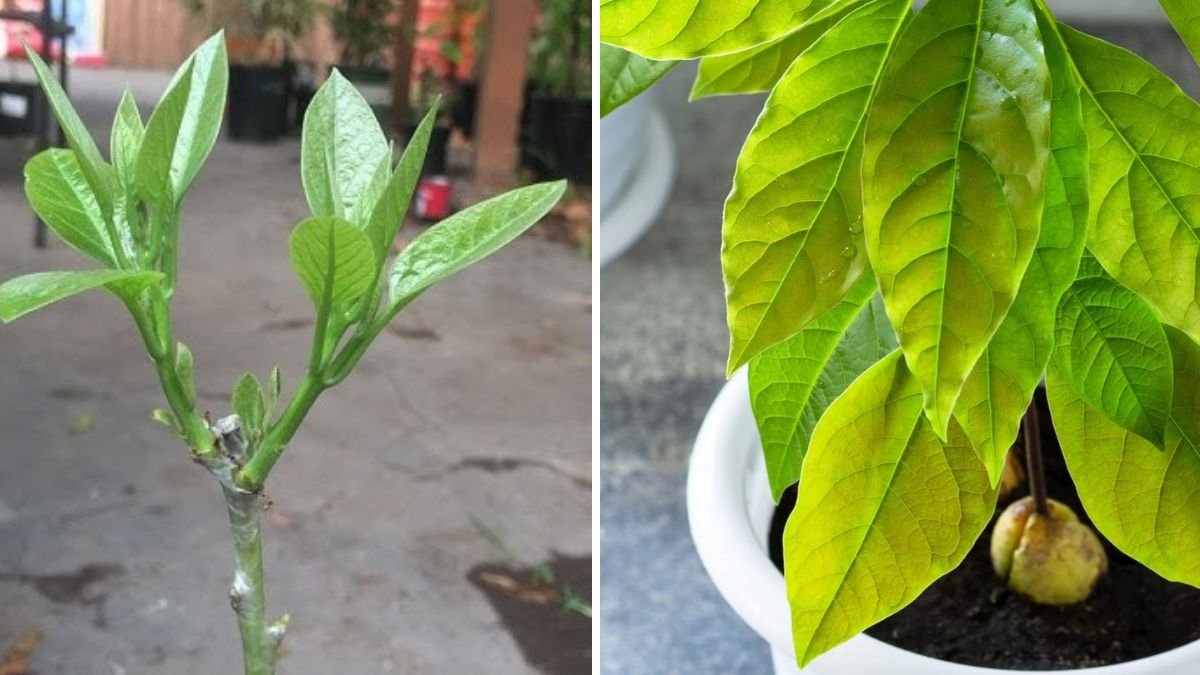
Avocados are a beloved fruit worldwide, prized for their creamy texture, rich flavor, and numerous health benefits. While you can grow avocados from seeds, grafting is a proven method to produce strong, high-yielding trees that inherit the best qualities of the parent plant. Grafting allows you to combine a healthy rootstock with a desirable scion (fruiting branch) to ensure better growth, disease resistance, and fruit quality. In this guide, we’ll explore how to graft avocados at home with a simple, step-by-step approach suitable for beginners and enthusiasts alike.
Why Graft Avocados?
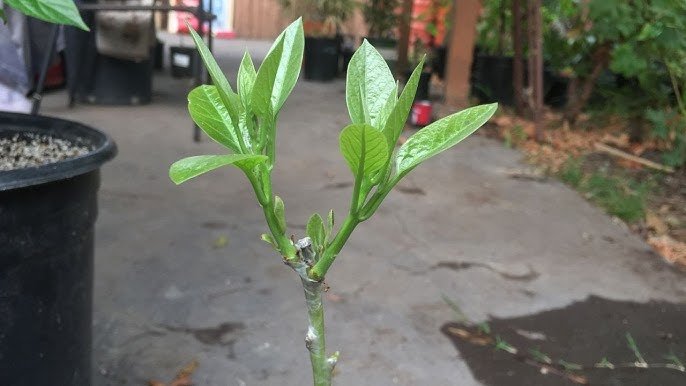
Grafting offers several advantages over growing avocados from seeds:
- Faster Fruit Production: Seed-grown trees can take 7–15 years to bear fruit, while grafted trees often produce fruit within 2–4 years.
- Predictable Fruit Quality: Grafted trees inherit the flavor, size, and texture of the scion variety.
- Disease Resistance: Choosing healthy rootstock reduces susceptibility to soil-borne diseases.
- Dwarfing Options: Certain rootstocks can help control tree size, making them easier to manage in small spaces.
Choosing the Right Rootstock and Scion
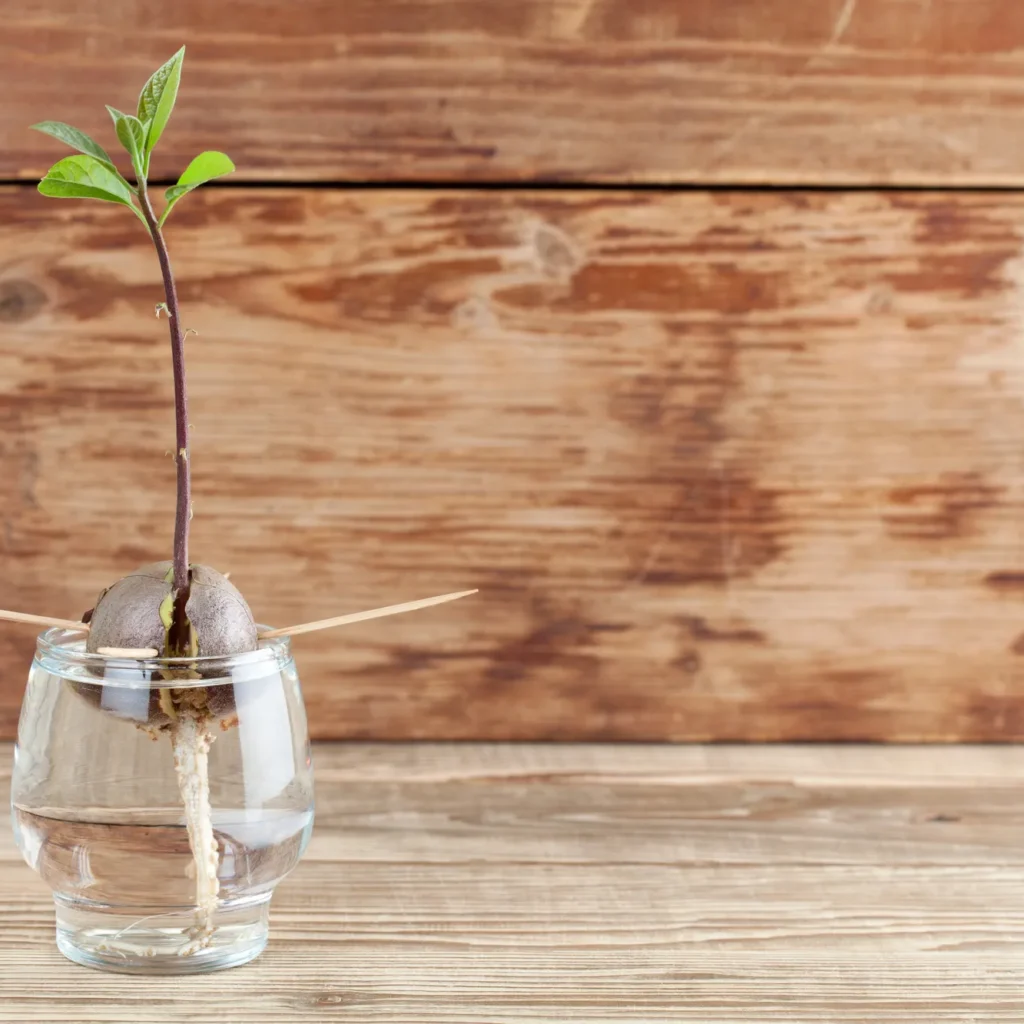
Success begins with selecting healthy and compatible plant material:
Rootstock:

- Choose a vigorous, disease-free seedling or young avocado tree.
- Common rootstocks include Mexican, Guatemalan, or hybrid varieties suited to your climate.
- Ensure the rootstock is at least 6–12 months old and strong enough to support grafting.
Scion:
- Select a branch from a healthy, fruit-producing tree.
- Look for young, semi-hardwood branches with active growth.
- Avoid diseased, damaged, or overly woody branches.
Tools and Materials Needed
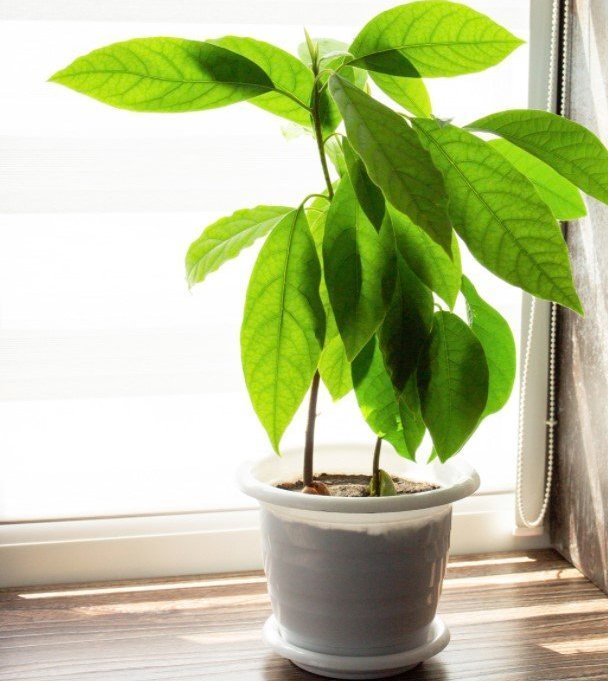
Before starting the grafting process, gather these essentials:
- Sharp, clean grafting knife or razor
- Pruning shears
- Grafting tape or rubber bands
- Wax or grafting sealant (optional)
- Rootstock seedling and scion cuttings
- Labeling tags for identification
Step-by-Step Guide to Grafting Avocados
1. Prepare the Rootstock
- Select a healthy rootstock and remove any side shoots near the grafting site.
- Make a clean cut at the top of the rootstock to create a flat or angled surface for joining with the scion.
2. Prepare the Scion

- Cut a 4–6 inch section of the scion with at least 2–3 nodes.
- Make a diagonal or wedge-shaped cut at the base of the scion, ensuring a smooth surface for maximum contact with the rootstock.
3. Join the Scion and Rootstock
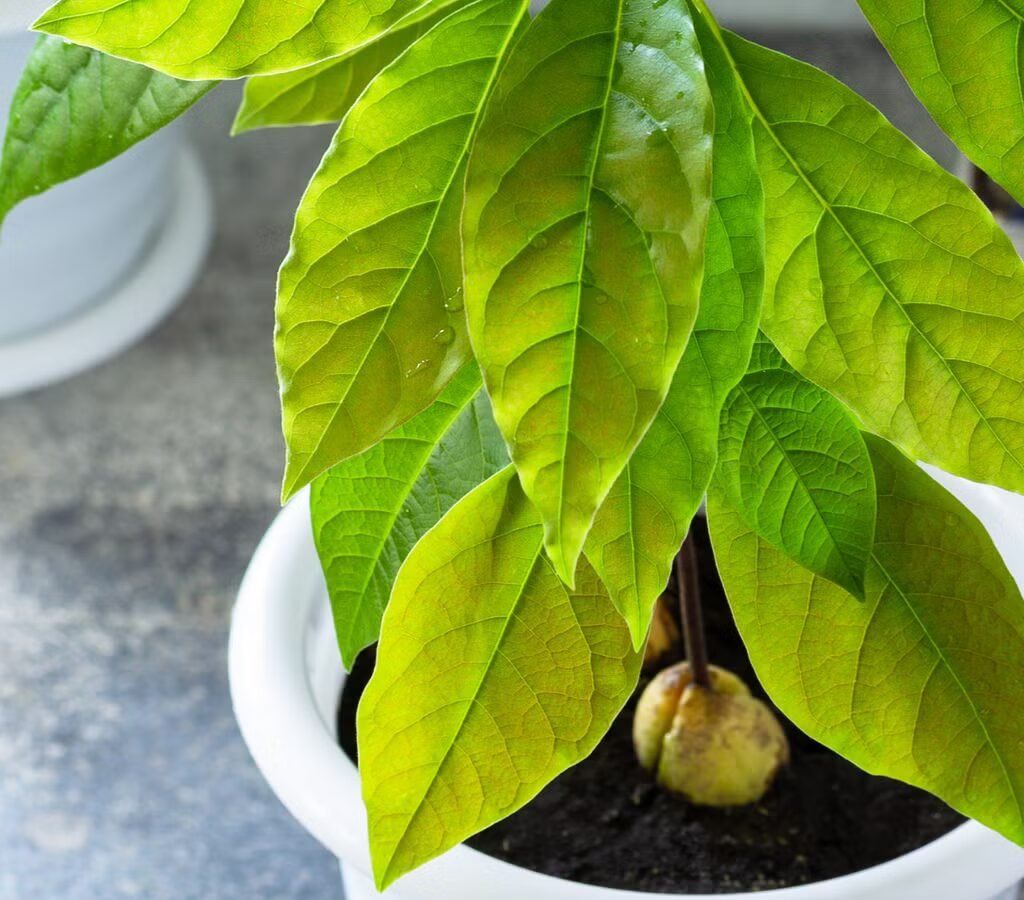
- Fit the scion onto the rootstock carefully so the cambium layers (the green layer beneath the bark) align as closely as possible.
- Proper cambium contact is crucial for successful grafting and nutrient flow.
4. Secure the Graft
- Use grafting tape, rubber bands, or strips of parafilm to hold the scion in place.
- Wrap tightly enough to maintain contact but not so tight that it damages the plant tissue.
5. Seal the Graft (Optional)
- Apply grafting wax or sealant around the junction to prevent moisture loss and protect against infection.
6. Care for the Grafted Plant

- Place the grafted tree in a warm, shaded area for 2–4 weeks to encourage healing.
- Maintain consistent moisture in the soil without overwatering.
- Avoid direct sunlight on the graft initially to reduce stress on the scion.
Tips for Successful Grafting
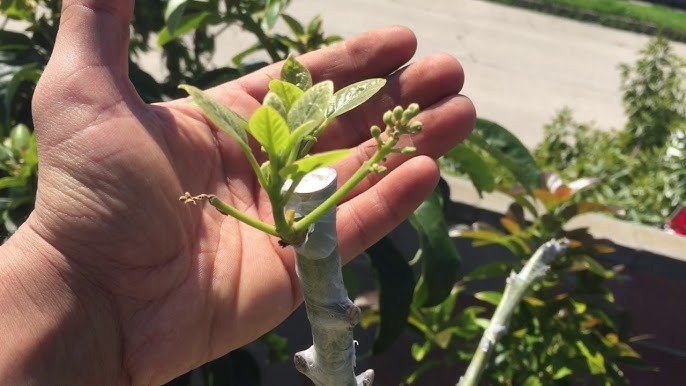
- Timing: Late spring to early summer is ideal when the plant is actively growing.
- Clean Tools: Sterilize knives and shears to prevent bacterial or fungal infection.
- Healthy Material: Only use disease-free rootstock and scion to ensure a high success rate.
- Proper Alignment: Misalignment of the cambium layers is the most common cause of graft failure.
- Protect Young Grafts: Shield newly grafted plants from wind, excessive sun, or pests.
Common Grafting Methods for Avocados
- Whip-and-Tongue Graft: Ideal for young seedlings, offers strong union and fast healing.
- Cleft Graft: Suitable for older rootstocks or thicker stems; provides stability for larger scions.
- Bark Grafting: Used for larger trees during active sap flow; allows multiple scions to be grafted at once.
Caring for the Grafted Tree
Once the graft has taken and the scion shows new growth, ongoing care is essential:
- Watering: Keep the soil consistently moist, particularly during the first few months. Avoid waterlogging.
- Fertilization: Apply balanced fertilizers to support growth. After 2–3 months, supplement with phosphorus and potassium for root and fruit development.
- Pruning: Remove competing shoots from the rootstock to ensure the scion gets maximum energy.
- Pest Management: Monitor for aphids, mites, or fungal infections. Organic treatments like neem oil can be effective.
- Sunlight: Gradually acclimate the grafted plant to full sunlight as it strengthens.
Troubleshooting Graft Problems
1. Scion Wilting: Often caused by insufficient water, poor cambium alignment, or heat stress. Ensure proper moisture and shading.
2. Graft Union Failure: Can occur if cambium layers are not aligned or if the tape is too loose/tight. Re-grafting may be necessary.
3. Disease or Rot: Ensure clean tools, healthy material, and good air circulation to prevent fungal infections.

Harvesting Fruit from Grafted Trees
One of the biggest advantages of grafting is faster fruiting:
- Grafted avocado trees may produce fruit in 2–4 years, compared to 7–15 years from seed-grown trees.
- Monitor the scion for flowers and fruit set. Proper fertilization, irrigation, and pruning are critical for good yields.
- Harvest avocados when they reach the desired size and maturity, typically indicated by slight softening or color changes depending on the variety.
Advantages of Home Grafting
- Cost Savings: Propagate desired varieties without buying expensive nursery trees.
- Preserve Favorite Varieties: Clone a tree with excellent fruit quality.
- Experiment and Learn: Grafting allows home gardeners to explore different combinations of rootstocks and scions.
Final Thoughts
Grafting avocados at home is a rewarding technique that allows gardeners to produce healthy, high-yield trees with desirable fruit qualities. While it requires patience, attention to detail, and careful handling, even beginners can achieve success by following the step-by-step process outlined above.
By selecting healthy rootstock and scion, using clean tools, aligning cambium layers carefully, and providing optimal post-grafting care, you can create strong, productive avocado trees in your backyard or home garden. Grafted avocados not only produce fruit faster but also bring the joy of nurturing a tree that reflects the best characteristics of its parent plants.
Whether you’re an avid gardener or a curious home grower, mastering the art of avocado grafting opens the door to delicious, homegrown avocados and the satisfaction of cultivating a thriving fruit tree from your own hands.


Leave A Comment