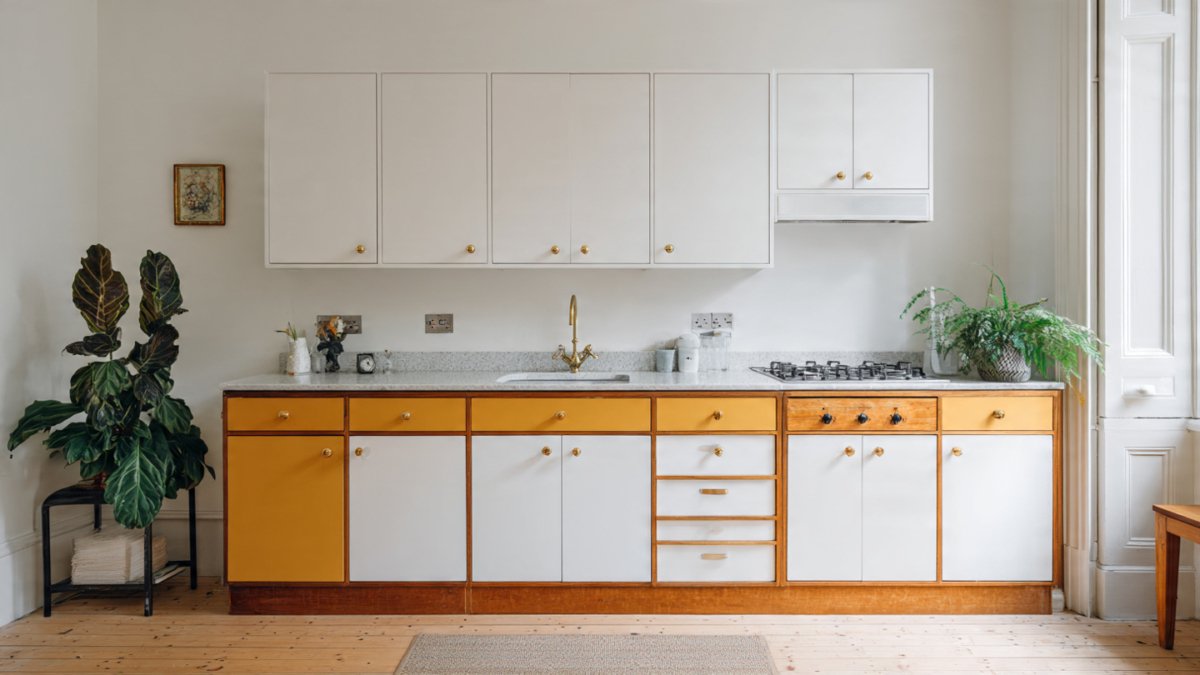
For decades, traditional kitchen cabinets have been considered an essential part of every home. Made mostly from wood, plywood, or MDF, these cabinets once symbolized durability and style. However, in many modern homes, especially in humid or tropical regions, conventional cabinets are proving to be more trouble than they are worth. Warping doors, peeling surfaces, swelling panels, and stubborn mould growth have become common complaints.
As homeowners look for affordable, long-lasting, and low-maintenance alternatives, a new trend is rapidly replacing traditional cabinetry: modular open shelving and waterproof composite storage systems. This modern approach is not only cheaper but also resistant to moisture, heat, and fungal damage. In many ways, it represents the future of kitchen design.
Let’s explore why people are saying goodbye to traditional cabinets and embracing this smarter, more practical solution.
Why Traditional Kitchen Cabinets Are Losing Popularity
Traditional cabinets are usually made from materials such as solid wood, particle board, or MDF. While these look attractive at first, they are highly vulnerable to environmental conditions.
One of the biggest problems is moisture. Kitchens are naturally humid spaces because of cooking, boiling water, washing dishes, and steam. Over time, this moisture seeps into cabinet materials. Wood and MDF absorb water easily, causing them to swell, bend, or crack. Hinges loosen, doors stop closing properly, and shelves begin to sag.
Mould and mildew are another serious issue. When moisture combines with warmth and darkness inside cabinets, it creates the perfect breeding ground for fungi. Mould not only damages cabinets but also affects indoor air quality and can cause health problems.
Maintenance is also costly. Traditional cabinets often need polishing, repainting, repairs, and replacements. Termites, scratches, stains, and peeling laminates add to the burden. For many families, this ongoing expense is becoming unacceptable.
As lifestyles become busier and budgets tighter, homeowners are searching for alternatives that require less effort and money.
The Rise of Open Shelving and Composite Storage
The new trend replacing bulky cabinets is a combination of open shelving systems and moisture-resistant modular storage units made from advanced materials such as PVC, WPC (Wood Plastic Composite), aluminum, and high-grade plastic.

These systems are designed specifically for modern kitchens. Instead of closed wooden boxes, homeowners now prefer lightweight, ventilated, and flexible storage options that adapt to daily needs.
Open shelving involves installing sturdy wall-mounted shelves where utensils, jars, and cookware are displayed neatly. Composite cabinets, on the other hand, look similar to traditional ones but are made from waterproof and mould-resistant materials.
Together, they create a kitchen that is practical, affordable, and stylish.
What Makes These New Systems So Durable?
The biggest advantage of this new trend lies in the materials used.
PVC and WPC boards are highly resistant to water. Unlike wood, they do not absorb moisture. Even in humid conditions, they maintain their shape and strength. This means no swelling, no bending, and no cracking.
Aluminum cabinets are another popular option. They are rust-resistant, lightweight, and extremely durable. They are commonly used in professional kitchens because of their hygiene and longevity.
High-grade plastic cabinets are also gaining popularity. These are specially designed for kitchen use and can withstand heat, steam, and spills without damage.
Because these materials are non-porous, mould and bacteria cannot grow easily on them. This keeps the kitchen cleaner and healthier.
Cost Benefits: Why This Trend Is Cheaper
One of the main reasons homeowners are switching is affordability.

Traditional wooden cabinets involve expensive raw materials, skilled labor, polishing, laminating, and frequent repairs. The initial installation cost is high, and maintenance adds to long-term expenses.
In contrast, composite and open shelving systems are mass-produced and easy to install. The materials are cheaper and require minimal finishing. Many modular units come pre-fabricated, reducing labor costs.
Open shelves further reduce expenses because they eliminate the need for doors, hinges, and internal fittings. A few strong brackets and shelves can replace an entire cabinet system.
Over time, savings continue because these systems rarely need replacement or repair. No repainting, no termite treatment, and no polishing are required.
Improved Airflow and Hygiene
Closed cabinets trap moisture and odors inside. When steam from cooking enters, it often remains trapped for hours. This leads to dampness, unpleasant smells, and mould formation.
Open shelving allows continuous air circulation. Moisture evaporates quickly, keeping storage areas dry. Utensils and containers remain fresh and clean.
Composite cabinets also feature better ventilation designs, preventing condensation buildup. Their smooth surfaces are easy to wipe, making daily cleaning effortless.
For families concerned about hygiene, especially in warm climates, this is a major advantage.
Modern Aesthetic Appeal
Beyond practicality, this new trend is also transforming kitchen aesthetics.

Open shelving creates a spacious and airy feeling. Small kitchens appear larger and brighter when heavy cabinets are removed. Decorative jars, plates, and plants can be displayed, adding personality to the space.
Composite cabinets are available in many colors and finishes, including matte, glossy, wood-like, and metallic styles. They blend easily with both modern and traditional interiors.
Minimalist designs, clean lines, and clutter-free layouts are becoming increasingly popular. This trend fits perfectly with contemporary home décor preferences.
Flexibility and Customization
Another key benefit is flexibility.
Modular systems can be rearranged easily. Shelves can be moved, added, or removed according to changing needs. If you buy new appliances or cookware, storage can be adjusted without major renovation.
Traditional cabinets are fixed and difficult to modify. Any change requires carpentry work and extra cost.
With modern storage systems, homeowners enjoy greater freedom to redesign their kitchens whenever needed.
Eco-Friendly Advantages
Sustainability is becoming an important consideration in home design.
Traditional wooden cabinets contribute to deforestation. MDF and particle boards often contain harmful chemicals and adhesives.

Many composite materials use recycled plastic and wood fibers, reducing environmental impact. Aluminum is fully recyclable. Open shelving also requires fewer materials overall.
By choosing these alternatives, homeowners can reduce their ecological footprint while enjoying long-lasting furniture.
Are There Any Drawbacks?
Like any trend, this one has a few challenges.
Open shelves require better organization. Since everything is visible, clutter can ruin the look. Regular cleaning is needed to prevent dust buildup.
Some people prefer hidden storage for privacy and neatness. In such cases, combining open shelves with composite cabinets works best.
However, most users find that the benefits far outweigh these minor inconveniences.
How to Transition from Traditional Cabinets
Switching does not always require a complete renovation.
Homeowners can start by removing upper cabinets and installing open shelves. Lower cabinets can be replaced gradually with waterproof modular units.
Choosing moisture-resistant materials for sink areas and cooking zones is especially important. Professional installation ensures stability and safety.

With proper planning, the transition can be smooth and budget-friendly.
The Future of Kitchen Storage
As housing spaces become smaller and lifestyles faster, people are prioritizing efficiency, durability, and affordability. The era of heavy wooden cabinets is slowly fading.
The new generation of kitchen storage focuses on:
- Moisture resistance
- Low maintenance
- Modular design
- Affordable pricing
- Modern aesthetics
- Long-term durability
This shift reflects a smarter way of living, where functionality meets style.
Conclusion
Traditional kitchen cabinets, once seen as indispensable, are now being replaced by a cheaper, stronger, and more hygienic alternative. Open shelving combined with waterproof composite storage offers a practical solution to problems like warping, mould, and high maintenance costs.
These modern systems are easy to install, cost-effective, visually appealing, and built to last. They suit today’s fast-paced lifestyles and adapt well to changing needs.
For homeowners tired of repairing swollen doors and cleaning mouldy corners, this new trend offers a refreshing change. Saying goodbye to old-style cabinets is not just a design choice—it is a smart investment in comfort, health, and long-term savings.

Leave A Comment