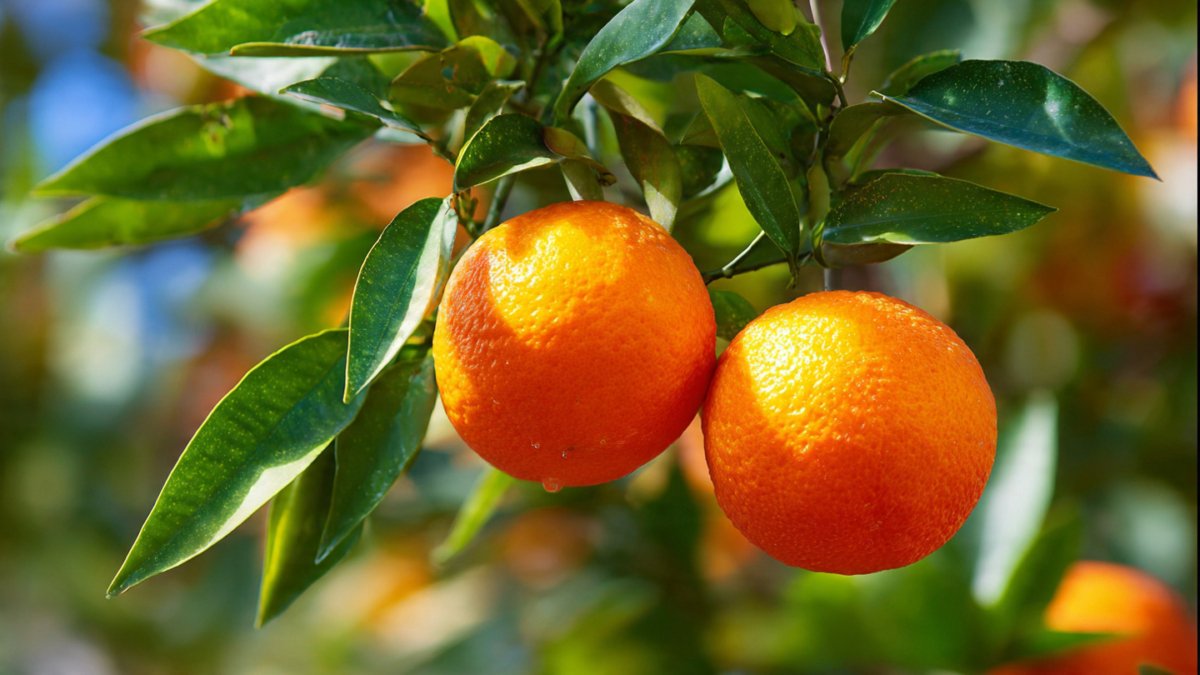
Growing an orange tree from a fresh orange is a rewarding and fascinating experience. It allows you to witness the entire life cycle of a plant, from a tiny seed to a thriving fruit-bearing tree. While it requires patience and care, this process is accessible even to beginners and can be done at home with simple materials. Whether you want to grow an orange tree for fun, decoration, or eventual fruit production, this complete guide will walk you through every step.
Understanding Orange Seeds and Their Potential
Oranges contain small seeds that can sprout and grow into trees under the right conditions. These seeds are capable of producing healthy plants, although it is important to understand that trees grown from seed may not produce fruit identical to the parent fruit. This is because many commercial oranges are hybrids.
Seed-grown orange trees often take longer to bear fruit than grafted nursery trees. However, they are usually strong, adaptable, and suitable for home growing, especially in containers.
Growing from seed is best viewed as a long-term project and a learning experience rather than a quick way to harvest fruit.
Choosing the Right Orange
The quality of your orange plays an important role in successful germination. Always choose fresh, ripe, and preferably organic oranges. Organic fruits are less likely to be treated with chemicals that may affect seed viability.
Avoid oranges that are overly processed, waxed, or stored for long periods. Freshly purchased or homegrown oranges work best.
Select fruits that contain well-developed seeds. Some modern varieties are seedless, so check before starting.
Extracting and Preparing the Seeds
Begin by cutting the orange and removing the seeds carefully. Avoid damaging them during extraction. Rinse the seeds under clean water to remove any pulp or sugar residue, as leftover fruit material can cause mold.
Once cleaned, inspect the seeds. Healthy seeds are plump, firm, and light-colored. Discard any that appear dark, shriveled, or damaged.
Some gardeners prefer to soak seeds in lukewarm water for 12 to 24 hours. This softens the seed coat and improves germination. After soaking, gently dry them on a paper towel.
Do not allow the seeds to dry completely for long periods, as citrus seeds lose viability when fully dried.

Preparing the Growing Medium
Orange seeds need well-draining, nutrient-rich soil to germinate and grow properly. Regular garden soil is often too heavy for young seedlings, so a lighter potting mix is recommended.
You can prepare a suitable mix by combining:
- Two parts potting soil
- One part compost or vermicompost
- One part sand or perlite
This blend ensures good drainage, aeration, and nutrient availability. Slightly acidic soil with a pH between 6 and 7 is ideal for citrus plants.
Fill small pots or seed trays with the prepared soil and moisten it lightly before planting.
Planting the Seeds
Make small holes about one centimeter deep in the soil. Place one seed in each hole with the pointed end facing downward, if visible. Cover gently with soil and press lightly to secure the seed.
Water the soil carefully so it becomes evenly moist but not waterlogged. Excess water can cause seeds to rot.
If planting multiple seeds, space them a few centimeters apart or use separate containers. This prevents root competition later.
Label your pots with the planting date to track progress.
Creating the Right Environment for Germination
Orange seeds need warmth, moisture, and light to germinate. Place the pots in a warm location with temperatures between 20°C and 30°C.
Covering the pots with transparent plastic wrap or a plastic dome helps retain humidity. Make small holes for ventilation to prevent mold.
Keep the soil consistently moist during germination. Use a spray bottle to avoid disturbing the seeds.

Germination usually takes two to four weeks, though some seeds may sprout earlier or later.
Caring for Young Seedlings
Once seedlings emerge, remove any plastic covering and place the pots in a bright area with indirect sunlight. Direct intense sunlight can burn tender leaves.
Young orange plants need at least six hours of light daily. A sunny windowsill or balcony works well. If natural light is limited, grow lights can be used.
Water regularly, allowing the top layer of soil to dry slightly between watering. Overwatering is a common cause of seedling failure.
As the plants grow, thin out weaker seedlings if multiple sprouts appear in one pot. Keep only the strongest one.
Transplanting to Larger Containers
When seedlings reach 10 to 15 centimeters in height and develop several true leaves, they are ready for transplanting. Choose a larger pot with good drainage holes.
Gently remove the seedling along with its root ball to avoid damage. Place it in the new container filled with fresh potting mix.
Press the soil lightly around the roots and water thoroughly. Allow the plant to adjust in a shaded area for a few days before returning it to full light.
As the tree grows, continue repotting every one to two years into slightly larger containers.
Providing Proper Sunlight and Temperature
Orange trees thrive in full sunlight. Mature plants require six to eight hours of direct sunlight daily. Place them in the brightest available location.
If grown outdoors, protect young plants from strong winds and extreme temperatures. Indoor plants should be kept away from cold drafts and air conditioners.

Ideal growing temperatures range from 18°C to 32°C. Prolonged exposure to cold below 10°C can damage citrus plants.
In colder regions, orange trees should be grown in pots and brought indoors during winter.
Watering and Feeding Schedule
Proper watering is essential for healthy growth. Water deeply when the top few centimeters of soil feel dry. Ensure excess water drains freely.
Avoid letting the pot sit in standing water, as this causes root rot.
Orange trees are heavy feeders and require regular nutrients. Use organic compost, vermicompost, or citrus-specific fertilizer.
Feed young plants every four to six weeks during the growing season. Reduce feeding during winter when growth slows.
Liquid fertilizers are useful for quick nutrient absorption, while slow-release fertilizers provide long-term nourishment.
Pruning and Shaping the Tree
Pruning helps develop a strong structure and improves air circulation. Begin light pruning when the tree reaches about 40 centimeters in height.
Remove weak, damaged, or crossing branches. Pinch the tips of young shoots to encourage bushier growth.
Avoid heavy pruning in the first two years, as the plant needs foliage for photosynthesis.
Once mature, annual pruning keeps the tree healthy and productive.

Managing Pests and Diseases
Orange trees can attract pests such as aphids, spider mites, and scale insects. Regular inspection helps detect problems early.
Use natural remedies like neem oil spray, soap water, or garlic solution to control pests. Avoid harsh chemical pesticides, especially for indoor plants.
Fungal diseases can occur in humid conditions. Ensure good ventilation and avoid wetting leaves excessively.
Remove infected leaves promptly to prevent spread.
Flowering and Fruit Development
Seed-grown orange trees typically take three to seven years to produce flowers and fruit. Patience is essential.
When the tree matures, it will produce fragrant white blossoms. These flowers are self-pollinating, so manual pollination is usually unnecessary.
After flowering, small green fruits begin to form. Provide consistent watering and feeding during this stage for healthy development.
Fruit may take six to twelve months to ripen fully, depending on variety and conditions.
Growing Orange Trees Indoors vs Outdoors
Indoor orange trees are easier to control but may grow more slowly. They are ideal for apartments and cold climates.
Outdoor trees grow faster and may produce more fruit if climate conditions are suitable. They need protection from frost and strong winds.
Container-grown trees offer flexibility, allowing you to move them as needed.

Choose the method that best suits your climate and living space.
Common Mistakes to Avoid
Many beginners face challenges when growing orange trees from seed. Avoid these common errors:
- Overwatering or underwatering
- Using heavy, poorly draining soil
- Insufficient sunlight
- Neglecting fertilization
- Exposing young plants to cold
- Expecting quick fruiting
Understanding these issues improves long-term success.
Benefits of Growing an Orange Tree from Seed
Growing an orange tree from a fresh fruit offers many rewards. It promotes patience, responsibility, and environmental awareness.
Homegrown trees improve indoor air quality and add natural beauty to living spaces. Watching a tree grow from seed creates a strong emotional connection with nature.
It also reduces reliance on commercially grown plants and encourages sustainable living practices.
Conclusion
Growing an orange tree from a fresh orange is a fulfilling journey that transforms a simple seed into a living, productive plant. While it requires time, care, and consistency, the process is accessible to anyone willing to learn.
By choosing healthy seeds, preparing proper soil, providing sufficient light and water, and maintaining regular care, you can successfully grow your own orange tree at home. Although fruit production may take years, the experience itself is deeply rewarding.
From fruit to tree, this process teaches patience, appreciation for nature, and the joy of nurturing life. With dedication and attention, your small seed can one day become a beautiful tree that symbolizes growth, perseverance, and sustainability.

Leave A Comment