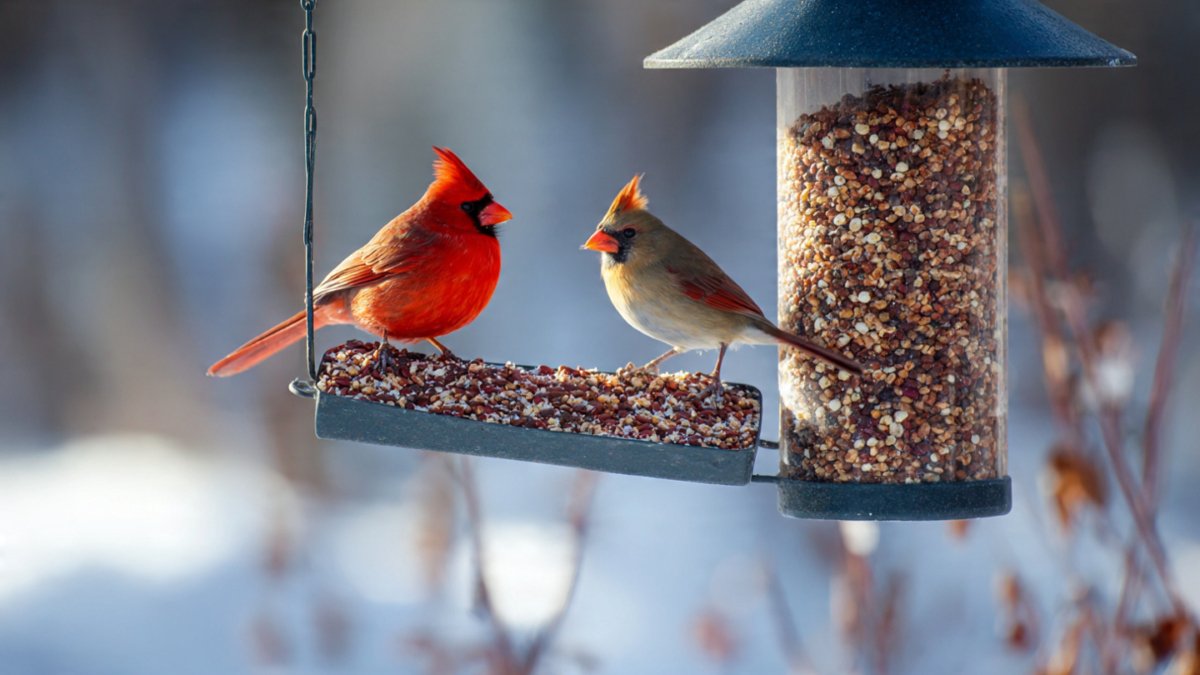
As winter winds continue to blow and days remain short and cold, backyard bird enthusiasts often wonder how to keep their feathered visitors happy and healthy. February can be a particularly challenging month for birds, as natural food sources become scarce, temperatures remain low, and energy demands soar. One of the simplest and most effective ways to support your local bird population—and enjoy their daily visits—is by offering a reliable, inexpensive treat that keeps them coming back every morning.
Why Birds Need Extra Food in February
Even though winter is slowly giving way to spring, February is still a time of scarcity for wild birds. In many regions, insects are dormant, berries are limited, and seeds in the wild may be covered by frost or snow. Birds expend considerable energy simply staying warm, meaning they require more calories to survive.
Providing supplemental food not only helps birds maintain their strength but also encourages them to visit your yard consistently. Early-morning visits are particularly crucial because birds burn a significant amount of energy overnight. A quick breakfast at your feeder can make the difference between life and death in harsher climates.
The Power of Affordable Feeding
Feeding birds does not have to be expensive. In fact, some of the most effective treats are inexpensive, easy to source, and widely available. Choosing the right food can influence which species visit your yard, how frequently they return, and how long they stay.
Birds are highly motivated by high-energy treats that are easy to digest and rich in fats, proteins, and essential nutrients. While premium bird foods exist, February feeders can achieve excellent results using simple, affordable options like seeds, suet, or homemade mixes. These options not only save money but also allow bird lovers to feed responsibly and consistently.

The February Favorite: Sunflower Seeds
Among all winter bird foods, sunflower seeds—particularly black oil sunflower seeds—remain a top choice for attracting a wide variety of birds. They are inexpensive, calorie-dense, and easily accessible at most garden centers or online. Black oil sunflower seeds have thin shells, which makes them easier for smaller birds to crack open, unlike striped sunflower seeds with thicker shells.
Sunflower seeds appeal to species ranging from chickadees, nuthatches, and titmice to cardinals, finches, and even woodpeckers. Their high-fat content provides the energy birds need to maintain body heat, and their protein levels support feather growth and overall health.
By keeping a constant supply of sunflower seeds in February, you can ensure a steady flow of bird visitors each morning. Birds quickly learn which feeders are reliable, and they will return daily to get their morning meal.
Suet: A Budget-Friendly Energy Boost
While sunflower seeds are excellent for general feeding, suet is the ultimate high-energy treat for birds during the coldest months. Suet cakes are made from rendered animal fat and often include seeds, nuts, or dried fruits. They provide a concentrated source of calories, ideal for species such as woodpeckers, jays, and chickadees.
The best part is that suet is incredibly affordable. You can purchase pre-made cakes or make your own at home using simple ingredients like beef fat, peanut butter, and birdseed. Homemade suet is easy to customize, allowing you to cater to the birds most common in your area. Hanging suet in February ensures that birds have a quick energy source to sustain them during chilly mornings.

DIY Treats for Backyard Birds
For those who enjoy a hands-on approach, DIY bird treats are both fun and cost-effective. Simple homemade options can be made using ingredients commonly found in your pantry. Some ideas include:
- Peanut Butter and Seed Cakes – Mix peanut butter with seeds and oats, press into molds, and chill until firm. Hang in mesh bags or place on a platform feeder.
- Fruit and Nut Skewers – Thread dried fruits and unsalted nuts onto a skewer. Birds such as cardinals, bluebirds, and titmice love these quick snacks.
- Pinecone Feeders – Spread peanut butter on a pinecone and roll it in birdseed. Hang it in a tree for a natural, inexpensive feeder.
These DIY treats are not only budget-friendly but also provide mental stimulation for birds, as they work to access the food.
Placement Matters: How to Keep Birds Coming Back
Providing the right food is only part of the equation. Placement and consistency play a huge role in ensuring that birds return each morning. Here are some tips to maximize the effectiveness of your feeders in February:
- Visibility and Safety: Place feeders in areas where birds can see them but remain safe from predators. Bushes or nearby trees provide cover and quick escape routes.
- Multiple Feeders: Using several small feeders instead of one large one can reduce competition and allow shy or smaller birds to feed comfortably.
- Keep Feeders Full: Birds quickly learn which feeders are reliable. Refill them regularly, particularly in winter when natural food is scarce.
- Avoid Crowding: Leave enough space around feeders to prevent stress and aggressive behavior among birds.
By following these guidelines, you encourage consistent visits and create a safe, welcoming environment.
The Morning Ritual: Why Birds Return Daily
Birds are creatures of habit. They establish daily routines that involve foraging, feeding, and resting. By providing a dependable food source each February morning, you tap into their natural behavior patterns. Birds remember which feeders consistently offer food, and they will often return at the same time each day.
For bird watchers, this predictability is a delight. Early mornings become opportunities to observe natural behavior, identify species, and enjoy the vibrant energy of a winter backyard. Over time, the birds may even develop a sense of trust, approaching closer than they would in areas with less reliable food.
Affordable Treats for Every Backyard
One of the advantages of the February feeding strategy is its accessibility. Many inexpensive treats provide more than enough nutrition to attract a wide range of species:
- Black Oil Sunflower Seeds: Widely available, high energy, suitable for most backyard birds.
- Suet Cakes: Affordable, high-fat, supports energy needs for cold mornings.
- Peanuts: Unsalted peanuts, either whole or chopped, appeal to woodpeckers, jays, and titmice.
- Oats and Grain Mixes: Low-cost, easy to store, perfect for mixing into DIY treats.
- Dried Fruits: Raisins, cranberries, or chopped apples provide vitamins and energy for fruit-eating species.
By rotating or combining these options, you create a varied menu that keeps birds engaged and nourished throughout February.
Avoiding Common Feeding Mistakes
To ensure that your cheap treat strategy works effectively, it’s important to avoid common feeding pitfalls:
- Moldy or Spoiled Food: Remove old seeds and suet to prevent illness. Moisture and cold can cause some foods to spoil if left too long.
- Salty or Flavored Snacks: Avoid human snacks with salt, sugar, or additives. They can harm birds.
- Overfeeding: While consistency is key, avoid overfilling feeders, which can attract pests or create dependency.
- Dirty Feeders: Clean feeders regularly to prevent disease transmission between birds.
Maintaining these habits ensures a healthy and sustainable feeding routine.

Observing Benefits Beyond the Birds
Feeding birds during February offers more than just the joy of watching them. Gardeners and homeowners may notice additional benefits, such as:
- Pest Control: Many backyard birds eat insects, helping to naturally reduce pest populations as the weather warms.
- Pollination Assistance: Some species contribute to pollination, particularly in early blooms.
- Natural Entertainment: Bird feeding fosters mindfulness, reduces stress, and provides a daily connection to nature.
- Educational Opportunities: Children and adults alike can learn about species identification, migration patterns, and behavior.
The simple act of providing a cheap treat can enrich your household and your environment in multiple ways.
Conclusion: A Simple Habit With Big Rewards
February may be a challenging month for birds, but it is also a perfect opportunity for bird enthusiasts to make a meaningful impact. By offering inexpensive, high-energy treats like black oil sunflower seeds, suet, or simple homemade options, you can ensure that birds return to your feeders each morning.
Consistency, thoughtful placement, and attention to quality are key to creating a reliable feeding station. Birds are quick learners, and they will remember the sources that support their energy needs. Over time, your yard can become a hub of winter activity, full of life, color, and movement—even in the coldest months.
Feeding birds doesn’t require extravagant purchases or complex setups. A small investment in cheap, nutritious treats paired with a little care and planning can foster daily visits, support wildlife during a tough season, and bring joy and education to your mornings. February feeders who embrace this simple habit often find that the reward—watching a flock of birds return each morning—is priceless.

By focusing on affordable, accessible options and understanding birds’ energy needs, you can create a winter haven for local wildlife while enjoying one of the simplest forms of outdoor connection and delight. In short, a little preparation in February ensures that your feathered friends greet you each morning, bringing energy, movement, and beauty to your backyard.

Leave A Comment