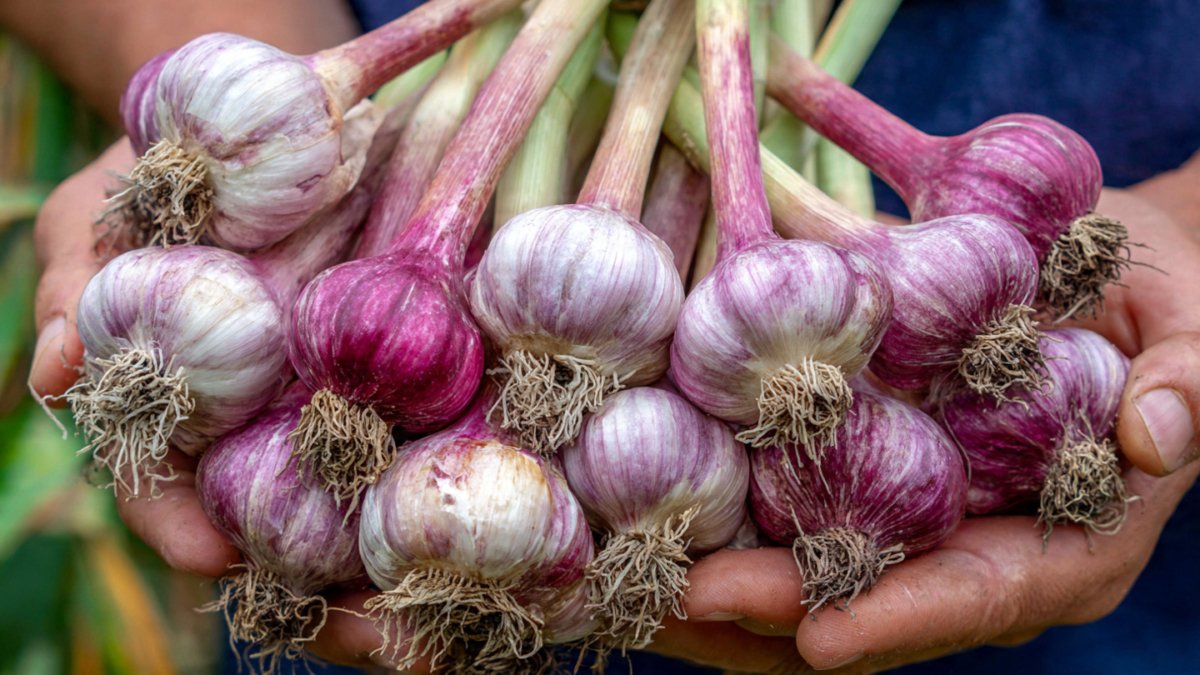
Garlic is one of those garden staples that can transform your cooking while also being surprisingly easy to grow—if you know the right techniques. Planting garlic in the fall is the secret to producing large, flavorful bulbs, giving you a bountiful harvest the following summer. In this guide, we’ll cover everything you need to know about propagating, growing, and harvesting garlic, ensuring your plants thrive and deliver the biggest bulbs possible.
Why Fall Is the Best Time to Plant Garlic
Garlic is a hardy plant that benefits from cold weather. When planted in the fall, garlic cloves have enough time to establish roots before winter sets in, but they won’t sprout above ground until spring. This slow start allows the plant to focus on root development, which is crucial for forming large, healthy bulbs. Fall planting also helps garlic avoid summer heat stress, reduces competition from weeds, and often results in more flavorful bulbs compared to spring-planted garlic.
Generally, the best time to plant garlic is about 4–6 weeks before the ground freezes in your area. This timing allows the cloves to establish roots without producing shoots that could be damaged by frost. In most climates, this means planting sometime between late September and early November.

Choosing the Right Garlic Varieties
Garlic comes in two main types: hardneck and softneck. Choosing the right variety is key to successful growth and bulb size.
- Hardneck Garlic: Known for its strong flavor and large cloves, hardneck varieties are ideal for cold climates. They produce a central flowering stalk called a scape, which should be removed to encourage bulb growth.
- Softneck Garlic: These varieties store longer and are often sold braided. Softneck garlic thrives in milder climates and tends to produce more cloves per bulb but slightly smaller in size than hardneck types.
Popular hardneck varieties include Rocambole, Porcelain, and Purple Stripe, while softneck varieties include Silverskin and Artichoke types. When selecting garlic, also consider your local climate and your flavor preferences, as different varieties offer subtle differences in taste.
Preparing Your Garden for Garlic
Garlic thrives in fertile, well-drained soil with plenty of organic matter. Before planting, prepare your garden bed to give your cloves the best start:

- Soil Testing: Garlic prefers a soil pH between 6.0 and 7.0. Conduct a soil test to determine if amendments like lime or sulfur are needed to balance pH levels.
- Adding Compost: Incorporate 2–4 inches of compost or well-rotted manure to improve soil fertility and structure. Garlic loves nutrient-rich soil, which contributes to bigger bulbs.
- Choosing the Right Location: Garlic requires full sun—at least six hours of direct sunlight daily. Avoid planting in areas with heavy shade or poor drainage.
- Tilling the Soil: Loosen the soil to a depth of 6–8 inches to allow the garlic roots to spread easily. Remove stones and debris, as garlic bulbs can be sensitive to compacted soil.
Propagating Garlic Cloves
Garlic is grown from individual cloves rather than seeds. Here’s how to select and prepare cloves for planting:
- Choose Healthy Bulbs: Select firm, disease-free garlic bulbs from a reputable source. Avoid grocery store garlic, which is often treated to prevent sprouting.
- Separate Cloves: Just before planting, break the bulb into individual cloves, keeping the papery skin intact. The largest cloves typically produce the biggest bulbs, so prioritize planting these.
- Inspect for Damage: Discard any cloves that are soft, shriveled, or show signs of mold or disease. Healthy cloves are crucial for a successful harvest.
Planting Garlic
With soil prepared and cloves selected, it’s time to plant:
- Spacing: Plant cloves 4–6 inches apart in rows 12–18 inches apart. Proper spacing allows bulbs to expand fully without competition.
- Depth: Place cloves pointed end up, 2–3 inches deep for softneck varieties and 3–4 inches deep for hardneck varieties. Cover with soil and lightly firm it down.
- Mulching: Apply a thick layer of mulch—straw, shredded leaves, or grass clippings—over the bed. Mulch insulates the cloves during winter, retains soil moisture, and suppresses weeds.
- Watering: Water thoroughly after planting to help cloves establish roots. Avoid waterlogging, as garlic bulbs can rot in soggy soil.
Caring for Garlic in Fall and Winter
Once planted, garlic requires minimal maintenance during fall and winter. The focus is mainly on protecting the cloves and maintaining soil conditions:
- Mulch Management: Check your mulch layer occasionally to ensure it hasn’t shifted or decomposed excessively. Replace or top up if necessary.
- Watering: Garlic needs little water during dormancy, but if your fall is dry, provide occasional irrigation to prevent soil from completely drying out.
- Pest Protection: Keep an eye out for rodents like voles that may dig up cloves. Using a wire mesh beneath the soil can prevent this.
Spring Growth and Summer Maintenance
As temperatures rise, garlic will begin to sprout and grow vigorously in spring. At this stage, proper care can make the difference between average and large bulbs:
- Fertilization: Garlic is a heavy feeder. Apply a nitrogen-rich fertilizer as shoots emerge. Follow up with additional fertilization every few weeks, tapering off as the plant begins to bulb.
- Weeding: Keep the garlic bed weed-free. Weeds compete for nutrients and can stunt bulb growth. Mulching can reduce weeding, but manual removal may still be necessary.
- Watering: Garlic needs consistent moisture during spring and early summer. Deep watering encourages strong root development and bigger bulbs. Reduce watering as the bulbs mature to prevent rot.
- Scape Removal: For hardneck garlic, remove the flower stalks (scapes) once they appear. Scapes can be harvested for cooking, and removing them directs energy back to the bulb, promoting larger growth.
Harvesting Garlic
Timing is critical for harvesting garlic to ensure maximum size and storage life:
- When to Harvest: Garlic is ready to harvest when the lower leaves turn brown, but the upper leaves remain green. This typically occurs in mid to late summer, depending on your planting date and climate.
- How to Harvest: Loosen the soil gently with a garden fork and lift the bulbs carefully. Avoid pulling by the stalk to prevent breaking bulbs.
- Curing: After harvesting, garlic needs to cure to develop flavor and store well. Hang bulbs in a dry, well-ventilated area out of direct sunlight for 2–4 weeks. Once the outer skins are papery, trim the roots and cut the stalks to about an inch above the bulb for softneck varieties. Hardneck garlic may be braided or trimmed as desired.
- Storage: Store cured garlic in a cool, dark, and dry location. Softneck garlic stores longer than hardneck varieties, sometimes up to 9 months, while hardneck garlic typically lasts 4–6 months.
Tips for Growing Big Garlic Bulbs
- Plant the Largest Cloves: The size of the clove determines the potential size of the bulb.
- Ensure Proper Spacing: Crowded garlic produces smaller bulbs.
- Fertilize Regularly: Use organic compost or balanced fertilizers to provide essential nutrients.
- Remove Scapes: For hardneck garlic, this boosts bulb growth.
- Consistent Watering: Avoid drought stress and waterlogging.
- Rotate Crops: Avoid planting garlic in the same spot every year to prevent disease buildup.
Common Challenges and Solutions
- Garlic Rust: Fungal disease causing orange pustules on leaves. Solution: Remove affected leaves and rotate crops.
- Pests: Onion maggots and nematodes can damage bulbs. Solution: Use row covers and crop rotation.
- Small Bulbs: Often caused by overcrowding or nutrient-poor soil. Solution: Plant large cloves, space properly, and fertilize adequately.
Cooking and Enjoying Your Garlic
Growing your own garlic means more than just a beautiful garden—it transforms your kitchen. Freshly harvested garlic is more flavorful than store-bought and can be used in countless dishes. Garlic scapes can be sautéed or blended into pesto, while bulbs can be roasted, pickled, or minced for sauces and marinades.

Conclusion
Fall planting garlic is a rewarding garden endeavor that requires minimal effort but offers maximum results. By selecting the right variety, preparing your soil carefully, planting healthy cloves at the correct depth, and maintaining your crop through winter and spring, you can enjoy bountiful, large garlic bulbs come harvest time. With patience, proper care, and attention to detail, your garlic harvest will be both prolific and delicious, elevating your culinary creations for months to come.

Leave A Comment