Heart disease remains one of the leading causes of death worldwide, often linked to high cholesterol levels, poor diet, and sedentary lifestyles. While modern medicine offers a range of cholesterol-lowering drugs, many people are turning to natural alternatives to complement their treatment plans. Among these, one Eastern spice is gaining significant attention for its potential to improve cardiovascular health and lower cholesterol levels within as little as three months.
This spice, commonly used in traditional Asian cuisine, has a centuries-old reputation for its medicinal properties. Recent scientific research is now validating these claims, revealing how it works at a cellular level to support arterial health, reduce inflammation, and promote overall heart function.
Understanding Cholesterol and Heart Health
Cholesterol is a fatty substance found in the blood, essential for building cells and producing certain hormones. However, when low-density lipoprotein (LDL), often referred to as “bad” cholesterol, accumulates in the arteries, it can lead to plaque formation. This plaque narrows the arteries, restricts blood flow, and increases the risk of heart attacks, strokes, and other cardiovascular diseases.
High-density lipoprotein (HDL), or “good” cholesterol, plays a protective role by transporting excess cholesterol from the arteries to the liver for excretion. Maintaining a balance between LDL and HDL is crucial for optimal heart health. Diet, lifestyle, and genetics all influence these levels, and addressing imbalances early is key to preventing long-term cardiovascular complications.

The Eastern Spice Making Waves
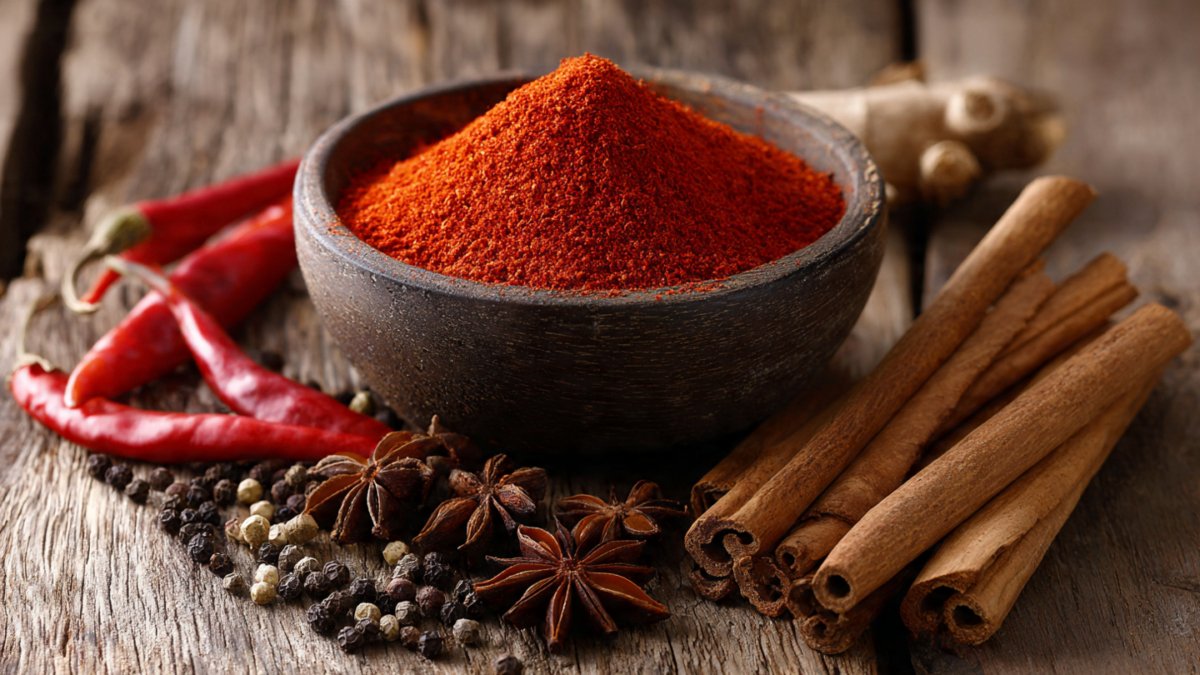
The spice in question is turmeric, a golden-yellow root native to Southeast Asia and widely used in Indian, Thai, and Middle Eastern cuisines. Its primary bioactive compound, curcumin, is responsible for its distinctive color and powerful medicinal effects.
Curcumin is a natural polyphenol with potent antioxidant and anti-inflammatory properties. These effects make turmeric particularly beneficial for cardiovascular health. Clinical studies suggest that regular consumption of turmeric or curcumin supplements can improve cholesterol levels, reduce arterial inflammation, and enhance endothelial function—the lining of the blood vessels—which is essential for maintaining healthy blood flow.
How Turmeric Works to Lower Cholesterol
- Reduces LDL Levels:
LDL cholesterol is notorious for forming arterial plaque, leading to atherosclerosis. Curcumin inhibits certain enzymes that promote cholesterol synthesis in the liver while enhancing LDL receptor activity. This dual action helps reduce circulating LDL levels and prevents plaque buildup. - Boosts HDL Levels:
In addition to lowering LDL, curcumin has been shown to increase HDL cholesterol. Higher HDL levels facilitate the removal of excess cholesterol from the bloodstream, protecting the arteries and improving overall lipid balance. - Fights Inflammation:
Chronic inflammation is a major contributor to cardiovascular disease. Curcumin blocks inflammatory molecules such as cytokines and enzymes that damage arterial walls. By reducing inflammation, turmeric helps arteries remain flexible and less prone to plaque accumulation. - Prevents Oxidative Damage:
Oxidative stress occurs when harmful free radicals damage cells and tissues, including the lining of blood vessels. Turmeric’s antioxidant properties neutralize these free radicals, protecting the arteries and supporting long-term heart health. - Improves Endothelial Function:
The endothelium regulates blood vessel dilation and blood pressure. Curcumin enhances nitric oxide production, which relaxes blood vessels and improves circulation. This effect contributes to reduced arterial stiffness and better cardiovascular performance.
Evidence from Research
Multiple clinical trials have highlighted the cholesterol-lowering potential of turmeric. In one study, participants with elevated cholesterol levels were given a daily curcumin supplement for three months. By the end of the trial, their LDL levels had dropped significantly, while HDL levels improved. Participants also showed reduced markers of inflammation, including C-reactive protein (CRP), which is closely associated with heart disease risk.
Another research trial compared turmeric supplementation to a standard cholesterol-lowering medication. While the drug showed a faster initial effect, participants taking curcumin experienced steady improvements in both LDL and HDL levels over three months without any significant side effects. This indicates that turmeric can be a safe and effective adjunct to conventional treatment, especially for those seeking natural alternatives.

How to Incorporate Turmeric Into Your Diet
To reap cardiovascular benefits, turmeric can be consumed in various forms:
- Fresh Root: Grate fresh turmeric into soups, smoothies, or teas.
- Powdered Spice: Add turmeric powder to curries, rice dishes, or roasted vegetables.
- Golden Milk: A traditional drink made with milk (or plant-based alternatives) and turmeric, often combined with black pepper to enhance absorption.
- Supplements: Curcumin capsules or tablets are widely available. Look for formulations combined with piperine (from black pepper) to improve bioavailability.
Experts recommend a daily intake of 500–1,000 mg of curcumin for heart health. However, it’s important to consult a healthcare professional before starting any supplement, especially for individuals on blood-thinning or cholesterol-lowering medications, as turmeric may interact with these drugs.
Enhancing Turmeric’s Effectiveness
Curcumin’s absorption in the body is naturally low, but several methods can enhance its effectiveness:
- Combine with Black Pepper: Piperine, found in black pepper, increases curcumin absorption by up to 2,000%.
- Consume with Healthy Fats: Curcumin is fat-soluble, so pairing it with olive oil, coconut oil, or avocado can improve uptake.
- Heat Slightly: Cooking turmeric lightly can increase the bioavailability of curcumin without diminishing its antioxidant properties.
By following these methods, individuals can maximize the cardiovascular benefits of turmeric and see measurable results within months.

Lifestyle Measures to Complement Turmeric
While turmeric is a powerful ally for heart health, its effects are amplified when combined with other healthy lifestyle practices:
- Balanced Diet: Emphasize whole grains, fruits, vegetables, lean proteins, and healthy fats while minimizing processed foods, sugar, and trans fats.
- Regular Exercise: Aerobic exercise and strength training improve lipid profiles, blood pressure, and overall cardiovascular fitness.
- Stress Management: Chronic stress contributes to inflammation and heart disease. Meditation, yoga, and adequate sleep help maintain arterial health.
- Avoid Smoking and Limit Alcohol: Both increase oxidative stress and promote plaque formation in the arteries.
When integrated into a holistic heart-healthy routine, turmeric can accelerate improvements in cholesterol and arterial function.
Success Stories
Many individuals who have incorporated turmeric into their daily routines report noticeable improvements in their cardiovascular health within three months. Blood tests often reveal lower LDL levels, higher HDL levels, and reduced inflammatory markers. Some people also notice better energy, improved circulation, and reduced joint inflammation—a common secondary benefit of turmeric’s anti-inflammatory effects.
These anecdotal successes, combined with growing scientific evidence, are fueling renewed interest in this age-old spice as a natural remedy for modern cardiovascular challenges.

Precautions and Considerations
Although turmeric is generally considered safe, excessive consumption may cause gastrointestinal discomfort, nausea, or mild bleeding, particularly in individuals taking blood-thinning medications. Pregnant women and people with gallbladder conditions should consult a healthcare professional before using high-dose supplements.
Moderation and proper guidance are key. Using culinary amounts of turmeric daily, complemented by lifestyle changes, provides a safe and effective approach to improving arterial health.
The Takeaway
Turmeric, the golden spice long revered in Eastern medicine, is emerging as a powerful tool for cardiovascular health. Its active compound, curcumin, targets the root causes of arterial damage: high LDL cholesterol, inflammation, oxidative stress, and impaired endothelial function. Evidence suggests that regular consumption, combined with healthy lifestyle habits, can lead to measurable improvements in cholesterol levels within three months.
As researchers continue to explore the full potential of turmeric, one thing is clear: this humble spice could become a staple in heart-healthy diets worldwide. For anyone seeking a natural, effective way to support their arteries and lower cholesterol, incorporating turmeric is an excellent step toward long-term cardiovascular wellness.


Leave A Comment