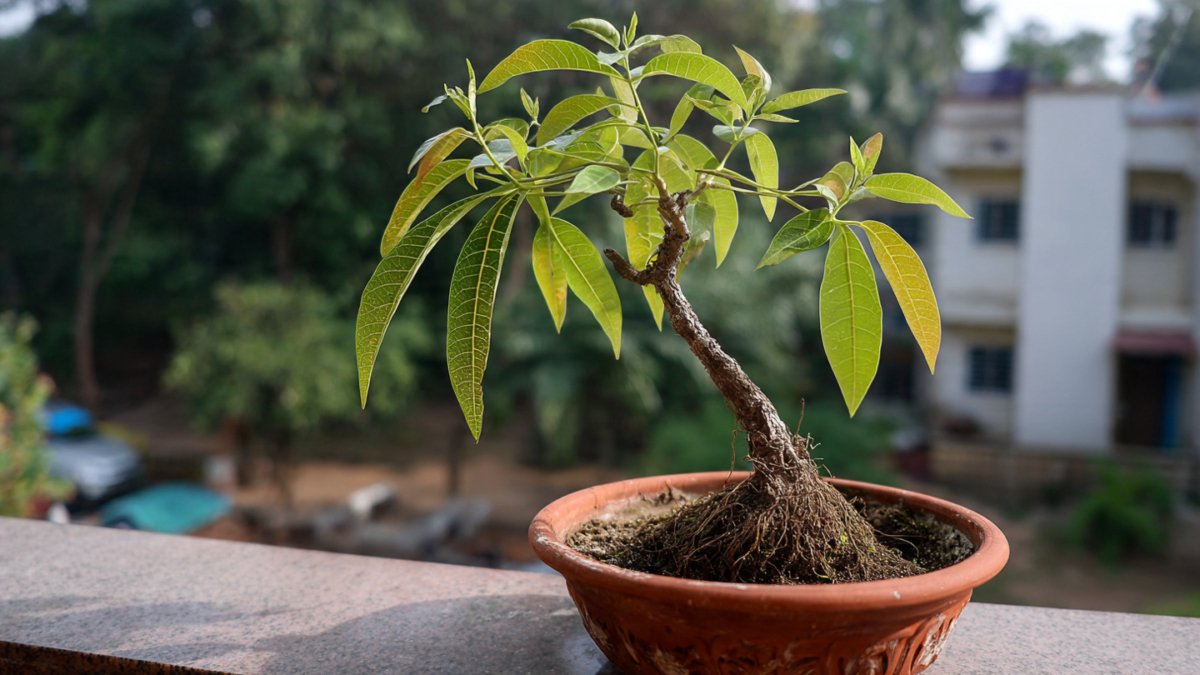
Mangoes are beloved worldwide for their sweet, juicy fruit and luscious aroma. While most people buy mango saplings from nurseries, it is entirely possible—and surprisingly simple—to propagate your own mango tree from a branch right at home. Rooting a mango branch is not only cost-effective but also rewarding, giving you a sense of accomplishment as you watch your plant grow from a small cutting into a thriving tree. In this guide, we will cover an easy technique for beginners to root a mango branch at home successfully.
Why Propagate Mango from a Branch?
Mango trees can be propagated through seeds, grafting, and branch cuttings. While seed-grown trees take longer to bear fruit, rooting a branch from a mature tree ensures that the new plant retains the characteristics of the parent, including fruit quality and growth habits. This method is also faster than waiting for a seedling to mature, allowing your tree to produce flowers and fruit sooner.

Additionally, rooting a branch at home is a great way to experiment with plant propagation, learn basic horticultural techniques, and potentially create multiple trees from a single parent plant.
Choosing the Right Mango Branch
Success begins with selecting the correct branch. Here’s what to look for:

- Healthy Branch: Choose a branch that is healthy, free of disease or pests. Avoid any branches with discoloration, cracks, or fungal growth.
- Semi-Hardwood Branch: Mango branches are best propagated when they are semi-hardwood—firm but still flexible. These are typically 6–12 months old. Too soft or too old branches are less likely to root successfully.
- Size: Select a branch approximately 1–2 feet long with a diameter of about 1–2 inches. Make sure it has at least 3–4 nodes (the small bumps or marks where leaves grow), as these nodes are crucial for root formation.
- Timing: The best time to take a cutting is during the tree’s active growth period, usually in spring or early summer. Avoid the rainy season, as excessive moisture can lead to rotting.
Preparing the Branch for Rooting
Once you’ve selected the branch, preparation is key. Here’s how to get your cutting ready:
- Prune the Branch: Trim the branch to remove any leaves and flowers, leaving only 2–3 leaves at the top. This reduces water loss and directs the plant’s energy toward root development.
- Cut Properly: Use a sharp, sterilized knife or pruning shears to make a clean cut at the base of the branch. A clean cut prevents infection and increases the chances of rooting.
- Optional Hormone Treatment: While not absolutely necessary, dipping the cut end of the branch in a rooting hormone can increase the success rate. Rooting hormones stimulate root formation and help the cutting develop a stronger root system.
Rooting Techniques for Mango Branches
There are several methods to root a mango branch, but we’ll focus on the easiest techniques suitable for beginners: soil propagation and water propagation.

1. Soil Propagation Method
Soil propagation is the most natural and effective method for mango branches. Follow these steps:
- Choose the Right Container: Use a pot or container with good drainage. Mango cuttings are sensitive to waterlogging, which can cause rotting.
- Prepare the Soil: Mix garden soil with sand and compost in a 2:1:1 ratio. The soil should be light, well-draining, and nutrient-rich. Adding some organic matter helps the cutting develop roots faster.
- Plant the Cutting: Make a hole in the soil with a stick or your finger and insert the cut end of the mango branch about 4–6 inches deep. Firm the soil gently around the cutting to eliminate air pockets.
- Watering: Water the cutting lightly but consistently. The soil should be moist, not soggy. Overwatering is a common mistake that can cause the cutting to rot.
- Create a Humid Environment: Cover the cutting with a plastic bag or transparent bottle to maintain humidity. Make sure to allow some ventilation to prevent fungal growth.
- Sunlight: Place the pot in a warm, bright location, preferably with indirect sunlight. Too much direct sun can dry out the cutting, while too little light can slow root formation.
- Patience: Rooting takes time—typically 4–8 weeks. During this period, check for signs of root growth by gently tugging the cutting. Resistance indicates roots are developing.
2. Water Propagation Method
Water propagation is an alternative for beginners and allows you to see roots as they form. Follow these steps:

- Prepare a Container: Use a clean glass jar or container filled with water. Make sure the water is at room temperature.
- Insert the Cutting: Place the cut end of the mango branch in the water, ensuring that at least one node is submerged. Avoid submerging leaves.
- Change Water Regularly: To prevent bacterial growth, change the water every 3–4 days. Keep the container in a bright, warm location, but away from direct sunlight.
- Monitor Root Growth: After 3–6 weeks, you should see roots developing from the submerged nodes. Once the roots are about 2–4 inches long, the cutting is ready for planting in soil.
Caring for Your Rooted Mango Cutting
Once your cutting has successfully developed roots, it’s time to plant it permanently. Here’s how to ensure it grows into a healthy mango tree:
- Transplanting: Choose a sunny location in your garden with well-draining soil. Dig a hole large enough to accommodate the roots comfortably. Plant the cutting and water thoroughly.
- Watering: Keep the soil consistently moist for the first few weeks after transplanting. Gradually reduce watering as the plant establishes itself.
- Mulching: Apply a layer of organic mulch around the base of the plant to retain soil moisture, suppress weeds, and regulate temperature.
- Fertilization: Start applying a balanced organic fertilizer after the first month. Mango trees are heavy feeders, and proper nutrition encourages healthy growth.
- Pruning: Prune the cutting lightly to encourage branching and a strong structure. Avoid heavy pruning until the plant is well-established.
- Protection: Protect the young plant from strong winds, pests, and extreme temperatures. Using a protective mesh or temporary shelter can help during its early stages.
Common Challenges and Solutions
- Cutting Rot: Often caused by overwatering or poor drainage. Solution: Use well-draining soil and water moderately.
- No Root Growth: Could be due to improper cutting selection or timing. Solution: Use semi-hardwood branches and try again during the active growth period.
- Pests: Aphids and mites may attack young cuttings. Solution: Inspect regularly and use natural pest control methods like neem oil.
Tips for Beginners
- Start with more than one cutting to increase your chances of success.
- Keep a propagation journal to note planting dates, observations, and root development.
- Avoid disturbing the cutting too often; patience is key.
- Use sterilized tools to prevent infections.
- Ensure the cutting is in a warm, bright, and humid environment for faster root growth.
Enjoying the Fruits of Your Labor
Rooting a mango branch at home allows you to enjoy the satisfaction of growing your own tree from a simple cutting. With care and patience, your cutting can develop into a strong, fruit-bearing mango tree within 2–4 years, depending on the variety and growing conditions. Not only will you save money, but you’ll also have the joy of harvesting mangoes that you nurtured from the very beginning.

Conclusion
Rooting a mango branch at home is an easy, rewarding process that even beginners can master. By selecting the right branch, preparing it properly, and providing the ideal conditions for root growth, you can grow your own mango tree without stepping into a nursery. Whether you choose soil or water propagation, patience, care, and attention to detail are key. Before you know it, your small cutting will transform into a flourishing tree, offering sweet, juicy mangoes for years to come. This simple technique is a perfect way to expand your home garden and experience the joy of growing fruit from scratch.

Leave A Comment