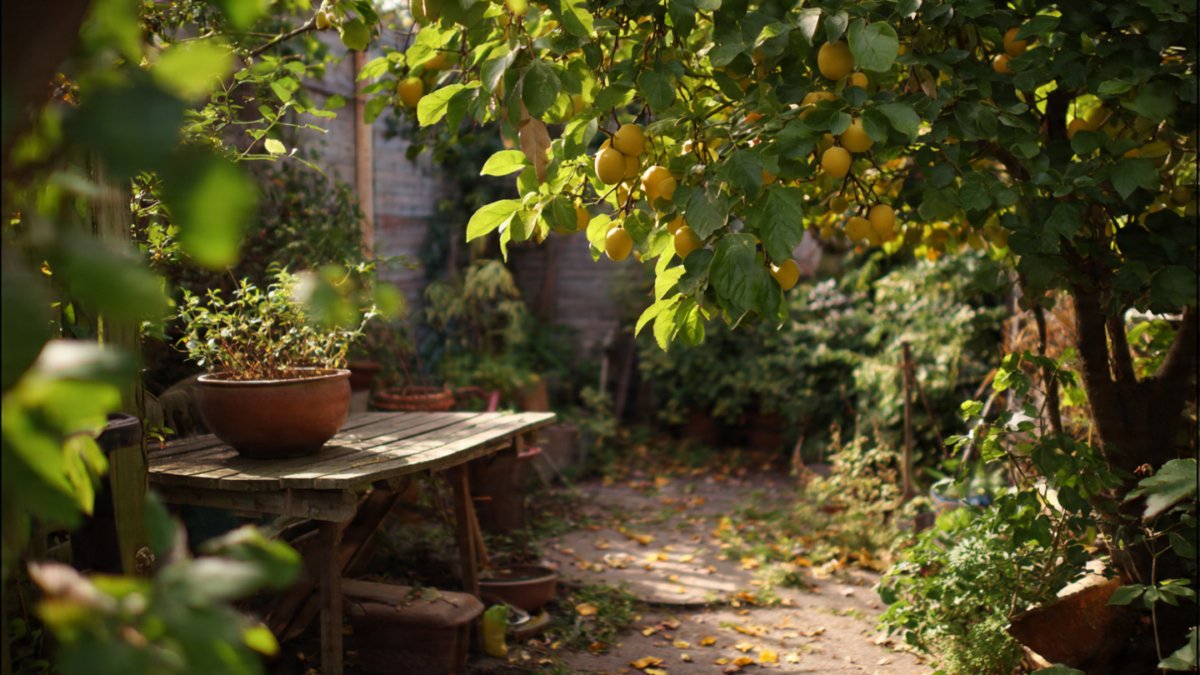
Many tenants enjoy having a garden—whether it’s a small patch in an apartment complex or a larger backyard in a rented home. The ability to grow flowers, vegetables, or fruit trees offers a sense of independence, relaxation, and self-sufficiency. But what happens when a landlord decides to step in—literally—and pick fruit from your garden? This raises an important question: does your landlord have the legal right to enter your garden to take produce, and under what circumstances? Understanding the laws, tenant rights, and practical solutions can prevent disputes and protect your privacy.
Understanding Tenant Rights and Property Law
When you rent a property, you generally gain the right to quiet enjoyment. Quiet enjoyment is a legal principle that ensures tenants can use and enjoy the rented property without interference from the landlord, as long as the property is used reasonably and according to the lease agreement.
This principle typically extends to all areas of the property that are included in your rental agreement, including gardens. If your lease specifies that you have access to and responsibility for the garden, it generally implies that the garden is for your use. This means the landlord cannot simply enter to pick fruit or vegetables without your permission.
Landlord entry rights are usually restricted to specific situations, such as:

- Maintenance and Repairs: Landlords may enter to carry out necessary repairs or inspections, but must provide proper notice.
- Emergency Situations: If there is an urgent safety or health concern, such as a fire or flood, the landlord may enter without prior notice.
- Lease Provisions: If the lease explicitly allows landlord access for gardening purposes or shared produce, then entry may be permitted.
Outside of these circumstances, taking fruit from your garden without consent can violate tenant rights.
Legal Framework
Laws regarding landlord access vary depending on the country, state, or region. However, most jurisdictions share common principles:
- Notice Requirements: Landlords must usually provide notice before entering the property. The notice period may vary—often 24 to 48 hours is standard.
- Reasonable Hours: Entry is typically limited to reasonable hours, usually during the day.
- Consent for Non-Emergency Entry: For routine inspections or maintenance, landlords must obtain your consent unless otherwise stated in the lease.
- Tenant Property Rights: Anything you grow in your garden is generally considered your personal property. This means the landlord cannot take produce without permission, even if they technically own the land.
For example, in many parts of the UK and the US, the fruits, vegetables, and plants you grow in a leased garden belong to the tenant, not the landlord. Similarly, landlords cannot enter solely for personal benefit, such as harvesting fruit for themselves, without explicit agreement.
Scenarios Where Landlord Access May Be Permitted
There are situations where landlords may have limited rights to access a garden:

- Shared Gardens: If the rental agreement specifies a communal garden area, landlords may enter to maintain or harvest shared produce. Tenants should be informed in advance.
- Lease Clauses Allowing Access: Some rental contracts include clauses that permit landlord access for inspection or maintenance of garden features, irrigation systems, or trees. Such clauses usually do not automatically give rights to harvest fruit for personal use unless explicitly stated.
- Safety Concerns: If a tree is diseased, blocking property boundaries, or posing a hazard, a landlord may have the right to prune or remove it, which could involve entering the garden.
In all these cases, transparency, communication, and notice are key to ensuring that tenant rights are respected.
Privacy and Garden Use
A garden is considered part of the tenant’s rented space and is subject to privacy protections. Unpermitted entry by a landlord may constitute trespass. Trespass occurs when someone enters property without consent or legal right. In this context, taking fruit without permission could legally be considered trespass and theft.
Tenants also have the right to install simple barriers, fences, or signs indicating private property to reinforce privacy. While landlords may have overarching property ownership, tenants’ rights to quiet enjoyment and personal use of leased space take precedence, especially for non-emergency access.
Practical Steps for Tenants
If your landlord attempts to enter your garden or take fruit without permission, there are several steps you can take to protect your rights:

- Review Your Lease: Check for any clauses regarding garden use, maintenance, or shared produce. Understanding your contractual rights is the first step.
- Communicate Clearly: Speak with your landlord in a polite but firm manner. Explain that the garden is part of your rented space and that any fruit harvested is your property. Written communication is recommended for record-keeping.
- Document the Garden: Take photos or keep records of the produce you grow, especially if you anticipate disputes.
- Provide Reasonable Access for Maintenance: If the landlord needs to enter for genuine maintenance, coordinate a time that works for both parties. This cooperation can reduce conflict.
- Seek Legal Advice: If the landlord enters or takes fruit without consent, contact a local tenants’ rights organization or attorney. Many regions have free advice services that can clarify your legal options.
Negotiating with Your Landlord
While tenants have rights, building a cooperative relationship with the landlord can make garden use smoother. Consider the following approaches:
- Offer Shared Harvests: If the landlord enjoys fruit, you could agree to share a portion of the harvest. This can foster goodwill and avoid conflict.
- Agree on Maintenance Schedule: Allowing the landlord to prune trees or care for garden plants at agreed times ensures safety without compromising your enjoyment.
- Document Agreements: Any arrangement should be in writing, clearly specifying rights, responsibilities, and access schedules.
Negotiation often prevents legal disputes and maintains a positive landlord-tenant relationship.
Common Misconceptions
Many tenants mistakenly believe that because the landlord owns the property, they have automatic rights to the garden produce. However, the law distinguishes between property ownership and tenant rights. When a lease grants exclusive use of a garden area to the tenant, the landlord cannot simply take fruits or vegetables for personal use.
Similarly, landlords may assume that trimming or harvesting trees falls under routine maintenance. While pruning for safety is usually allowed, taking fruit for personal benefit without consent is not.

Legal Remedies
If a landlord unlawfully enters your garden or takes produce, tenants have legal recourse:
- Formal Complaint: Submit a written complaint to the landlord documenting the incident.
- Mediation: Many areas offer landlord-tenant mediation services to resolve disputes without litigation.
- Civil Action: In severe cases, tenants may sue for trespass, conversion (taking of property), or breach of lease terms. Courts typically consider the lease agreement, notice given, and tenant privacy rights.
- Tenants’ Rights Organizations: Contacting local advocacy groups can provide guidance and help enforce rights effectively.
Legal remedies should be considered carefully, as cooperation and negotiation often yield faster results than litigation.
Protecting Your Garden
To prevent future conflicts:
- Clearly Mark Garden Areas: Signs indicating “Private Garden – Tenant Use Only” can discourage unauthorized entry.
- Secure Fencing or Gates: Installing barriers helps protect both privacy and produce.
- Maintain Records: Keep receipts or records of seeds, plants, or maintenance to show investment in the garden.
- Communicate Early: Notify the landlord of major changes in the garden or fruit production. Transparency reduces misunderstandings.
These measures ensure that your garden remains your private space and your produce belongs to you.

Conclusion
The garden in a rented property is more than just a patch of land—it represents personal space, effort, and enjoyment. Legally, tenants generally have the right to exclusive use of the garden and ownership of anything they cultivate, including fruit. Landlords cannot enter or pick produce without proper notice, consent, or valid contractual authority.
If a landlord attempts to take fruit without permission, tenants should review their lease, communicate clearly, document the garden, and seek legal guidance if necessary. Negotiation and transparency often resolve issues without conflict, but understanding your rights is crucial.
By knowing the legal framework, respecting tenant rights, and fostering open communication, both landlords and tenants can enjoy a respectful and harmonious relationship. In the end, a rented garden can be a sanctuary for tenants—both legally and personally—without interference from unauthorized fruit-picking.

Leave A Comment