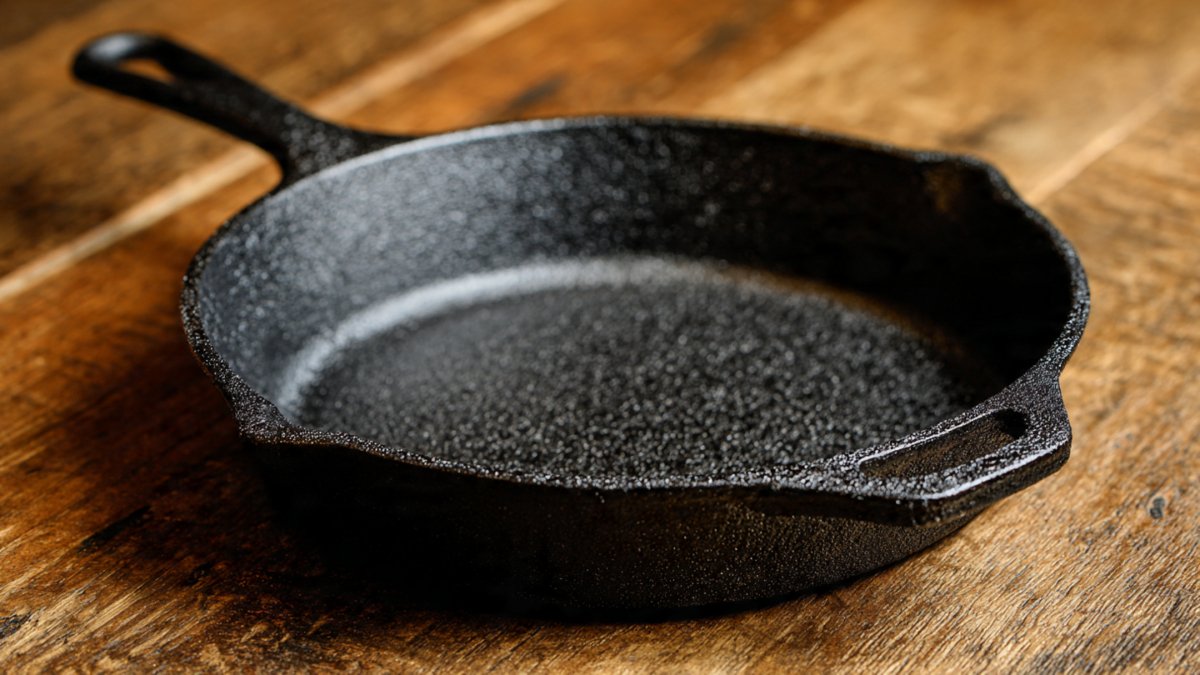
Cast iron cookware has earned a permanent place in kitchens around the world. From professional chefs to home cooks, many swear by its durability, heat retention, and ability to develop a naturally nonstick surface over time. However, one of the most misunderstood aspects of cast iron care is seasoning. While many people believe that higher heat leads to better seasoning, experienced chefs consistently recommend seasoning at low to moderate heat for longer-lasting results. Understanding why this method works can help you protect your cookware and improve your cooking for years to come.
What Is Cast Iron Seasoning?
Seasoning is the process of coating cast iron with oil and heating it to create a protective, nonstick layer. When oil is heated, it undergoes a chemical reaction called polymerization. During this process, the oil molecules bond together and attach to the metal surface, forming a thin, hard layer.
This layer serves three main purposes. First, it prevents rust by blocking moisture. Second, it reduces sticking when cooking. Third, it enhances flavor by creating a stable cooking surface that improves with use.
Proper seasoning is not a one-time task. It is built gradually over time, reinforced every time you cook with oil or fat. However, the initial seasoning process plays a major role in how durable that surface will be.
The Common Myth: High Heat Equals Better Seasoning
Many people assume that extreme heat is necessary to “burn in” the oil and create a strong layer. This belief often leads cooks to place cast iron in very hot ovens or directly over intense flames. While high heat can cause oil to polymerize quickly, it also creates several problems.
Chefs explain that rapid heating causes oil to break down unevenly. Instead of forming a smooth, bonded layer, it often creates patches, flakes, or sticky spots. Over time, these weak areas chip away, forcing you to reseason frequently.
High temperatures can also damage the pan itself. Excessive heat may warp the metal, weaken the seasoning, and even cause cracking in extreme cases. Rather than improving durability, overheating shortens the lifespan of both the seasoning and the cookware.
Why Low Heat Works Better
Seasoning at low to moderate heat allows oil to polymerize slowly and evenly. This controlled process leads to stronger chemical bonds between the oil and the iron surface. Chefs describe it as “building a foundation” rather than “burning a coating.”
When oil heats gradually, it spreads more uniformly across the pan. It penetrates tiny pores in the metal and settles into microscopic grooves. As polymerization occurs slowly, the layer hardens evenly, forming a smooth and resilient surface.

Low heat also reduces the risk of oil burning before it can bond. When oil burns, it turns into carbon residue instead of useful seasoning. This residue weakens the coating and causes uneven texture.
By using gentle heat, you give the oil enough time to transform properly, resulting in a tougher, longer-lasting layer.
The Science Behind Slow Polymerization
Polymerization is a temperature-dependent process. Each type of oil has a specific smoke point, which is the temperature at which it begins to burn and degrade. If you exceed this point too quickly, the oil breaks down before polymerizing fully.
At lower temperatures, oil molecules rearrange gradually. They form long, interconnected chains that bond tightly to the iron. These chains create a flexible yet strong surface, similar to a natural resin.
Chefs compare this to curing paint or concrete. Rushing the process leads to cracks and weak spots. Allowing slow curing creates strength and longevity. The same principle applies to cast iron seasoning.
Benefits of Low-Heat Seasoning
Seasoning at low heat provides several long-term advantages that chefs rely on in professional kitchens.
First, it creates a smoother surface. Slow heating prevents bubbling and blistering, which can make the pan rough. A smooth surface improves food release and makes cleaning easier.
Second, it improves durability. Evenly polymerized layers resist scratching and peeling. This means your pan stays seasoned longer, even with frequent use.
Third, it reduces smoke and odor. High-heat seasoning often fills kitchens with unpleasant fumes. Low-heat methods are safer and more comfortable, especially indoors.

Fourth, it protects the pan. Gentle heating minimizes thermal shock and prevents warping or cracking, preserving the structural integrity of the cookware.
Finally, it saves time in the long run. While low-heat seasoning may take slightly longer initially, it reduces the need for frequent reseasoning later.
Chef-Recommended Low-Heat Seasoning Method
Professional chefs often follow a simple, controlled process to achieve reliable results.
Begin by cleaning the pan thoroughly. Remove any rust, old residue, or sticky buildup using warm water and a stiff brush. Dry it completely to prevent moisture from interfering with seasoning.
Next, apply a very thin layer of oil. Use oils with high unsaturated fat content, such as flaxseed, grapeseed, sunflower, or canola oil. Wipe away excess oil with a cloth or paper towel. The surface should look almost dry.
Place the pan in an oven set between 180°C and 200°C (350°F to 400°F). This range is hot enough for polymerization but low enough to prevent burning. Place the pan upside down to avoid pooling.
Heat the pan for about one hour. Then turn off the oven and let it cool slowly inside. Rapid cooling can weaken the layer.
Repeat this process two to three times for a strong base layer. Afterward, regular cooking with oils will maintain and improve the seasoning.
Why Thin Layers Matter
Chefs strongly emphasize the importance of thin oil layers. Thick coatings trap moisture and heat unevenly. Instead of curing properly, they become sticky or brittle.

Thin layers allow oxygen to interact evenly with the oil, which is essential for polymerization. They also prevent drips and patches that later peel off.
Building seasoning is like stacking sheets of paper rather than bricks. Multiple thin layers are stronger and more flexible than one thick one.
Cooking at Low Heat Reinforces Seasoning
Seasoning does not end in the oven. Every time you cook with oil, you contribute to the protective layer. Low and medium heat cooking plays a major role in maintaining it.
When you cook gently, fats continue to polymerize gradually, strengthening the surface. High-heat frying and burning, on the other hand, strip away layers and create carbon buildup.
Chefs often recommend starting with low to medium heat when using cast iron, especially with new seasoning. This habit protects the coating and improves its longevity.
Common Mistakes That Shorten Seasoning Life
Many cooks unintentionally damage their seasoning through avoidable habits.
Using excessive heat is the most common mistake. Constant overheating causes cracking and peeling.
Applying too much oil leads to sticky patches that never cure properly.
Soaking cast iron in water weakens the polymerized layer and encourages rust.

Using harsh detergents strips away protective oils.
Storing pans while damp promotes corrosion under the seasoning.
Avoiding these mistakes helps preserve the benefits of low-heat seasoning.
Why Professional Kitchens Prefer This Method
In busy kitchens, chefs need cookware that performs consistently without constant maintenance. Low-heat seasoning provides reliability. It creates a surface that withstands daily use, frequent washing, and varied cooking styles.
Because the seasoning is stronger and more uniform, food releases more easily, and cleanup is faster. This efficiency matters in professional environments where time and consistency are essential.
Chefs also appreciate that low-heat seasoning adapts over time. It improves with regular use rather than degrading quickly.
Long-Term Care After Seasoning
Once your cast iron is properly seasoned, maintaining it becomes simple. Clean it with warm water and a soft brush. Dry it immediately. Apply a light coat of oil while warm. Store it in a dry place.
Occasionally, repeat a low-heat seasoning cycle if the surface looks dull or sticky. This refreshes the protective layer without starting from scratch.
With proper care, a well-seasoned cast iron pan can last generations.

Conclusion
Seasoning cast iron at low heat lasts much longer because it allows oil to polymerize slowly, evenly, and completely. This process creates stronger chemical bonds, smoother surfaces, and greater resistance to wear. High heat may seem faster, but it often produces fragile layers that peel and fail.
Chefs rely on low-heat seasoning because it builds durability, protects cookware, and improves cooking performance over time. By applying thin oil layers, using moderate temperatures, and practicing gentle cooking habits, you can develop a resilient, naturally nonstick surface that only gets better with age.
When you treat seasoning as a gradual craft rather than a rushed task, your cast iron becomes more than just cookware. It becomes a reliable kitchen companion that rewards patience with lasting performance and exceptional results.

Leave A Comment