Orange trees are not only beautiful but also incredibly rewarding to grow. The vibrant green leaves, fragrant blossoms, and juicy fruits make them a favorite among gardeners. While most people enjoy oranges as a delicious snack or a refreshing juice, few realize that the seeds inside these fruits can be the start of your very own citrus tree. With patience, care, and the right technique, you can transform an ordinary orange snack into a thriving orange tree right at home. This complete guide will walk you through every step of growing an orange tree from a fresh orange, from seed preparation to harvest.
Why Grow an Orange Tree From a Seed?
Growing an orange tree from seed offers several benefits:
- Educational experience: It’s a hands-on way to learn about plant growth, germination, and horticulture.
- Sustainable gardening: You reuse seeds that would otherwise go to waste.
- Decorative and productive: Even if it takes years to bear fruit, an orange tree adds greenery and beauty to your home.
- Cost-effective: It’s cheaper than buying a young tree from a nursery.
However, it’s important to understand that seed-grown orange trees take longer to produce fruit than grafted ones from nurseries. You may need to wait 3 to 10 years for fruiting, depending on the variety and growing conditions. Despite the wait, the journey is rewarding and offers immense satisfaction.
Choosing the Right Orange
Not all oranges are equally suitable for seed planting. Choose fresh, juicy, and healthy oranges from a reliable source. Organic oranges are preferable, as chemically treated fruits may have seeds that won’t germinate. Valencia, Navel, or Blood oranges are excellent choices, as they produce strong and healthy seedlings. Avoid using dried or old fruits, as their seeds are less likely to sprout.
Extracting and Preparing Seeds
The first step is to remove seeds from the orange carefully:
- Cut the orange and remove the seeds. Rinse them under running water to remove any pulp or sugar residues, which can cause mold during germination.
- Pat the seeds dry with a paper towel. Avoid letting them sit in direct sunlight for too long, as this can dry them out excessively.
- Optional: Some gardeners soak the seeds in warm water for 12 to 24 hours to soften the seed coat and improve germination rates.
Proper seed preparation increases the chances of successful sprouting.
Germinating the Seeds
Germination is a critical phase in growing an orange tree. There are a few methods to start seeds effectively:
Method 1: Paper Towel Method
- Place the seeds between two damp paper towels.
- Keep them in a warm, dark place.
- Check daily to ensure the paper towel remains moist.
- In 2 to 4 weeks, seeds will begin to sprout tiny roots.
Method 2: Direct Planting
- Fill small pots with a light, well-draining potting mix. A mixture of potting soil and sand or perlite works well.
- Plant the seeds about 1/2 inch deep.
- Water gently and cover the pot with plastic wrap to retain moisture.
- Place the pot in a warm, sunny spot. Germination usually occurs within 2 to 6 weeks.
Keep the soil consistently moist but not waterlogged during this stage. Overwatering can cause seeds to rot, while dry soil may halt germination.
Choosing the Right Pot and Soil
Once your seeds sprout and develop small leaves, it’s time to transplant them into larger pots. Select a container that is at least 6 to 8 inches deep and wide, with drainage holes at the bottom. Good drainage is crucial to prevent root rot.
Orange trees prefer slightly acidic, well-draining soil. A mix of potting soil, sand, and compost works well. Adding a little perlite can improve aeration. Avoid heavy garden soil, which can compact in pots and restrict root growth.
Providing Proper Sunlight
Orange trees thrive in full sunlight. Young seedlings require at least 6 to 8 hours of sunlight per day. Place your pot near a sunny window or on a balcony where it can receive direct sunlight.
If natural light is limited, you can use grow lights for 12 to 14 hours a day. Proper lighting ensures healthy growth, strong stems, and vibrant leaves.
Watering and Care
Consistent watering is key to healthy growth. Water the tree when the top inch of soil feels dry. Avoid overwatering, as orange seedlings are sensitive to waterlogging. As the plant grows, you can reduce the frequency slightly, allowing the soil to dry out between watering.
Mulching with organic matter like shredded leaves or coconut coir can help retain moisture and regulate soil temperature.
Fertilizing Your Orange Tree
Young orange trees benefit from balanced nutrition. Use a diluted liquid fertilizer every 4 to 6 weeks during the growing season. Look for fertilizers labeled for citrus plants, which typically have the right balance of nitrogen, phosphorus, and potassium.
Once your tree develops stronger roots and leaves, you can switch to slow-release granular fertilizers. Avoid over-fertilizing, as excessive nitrogen can lead to lush foliage but weak fruit production.
Pruning and Training
Pruning is essential for shaping your orange tree and promoting healthy growth. When the tree is small, remove weak or damaged branches. As it matures, prune to encourage a strong central stem and an even canopy.
Training young branches with soft ties can help maintain the desired shape and prevent breakage. Regular pruning also improves air circulation, reducing the risk of fungal diseases.
Pest and Disease Management
Orange trees can be susceptible to pests like aphids, scale insects, spider mites, and whiteflies. Regularly inspect leaves and stems for signs of infestation. For small infestations, wash pests off with water or use neem oil.
Fungal diseases like root rot and leaf spot may occur if the soil remains too wet. Ensure proper drainage, avoid overhead watering, and provide adequate sunlight and airflow to minimize disease risk.
Transplanting Outdoors
If you have space in a garden or larger container, your orange tree can eventually be transplanted outdoors. Choose a location with full sunlight, good drainage, and protection from strong winds.
Harden off your tree gradually by placing it outside for a few hours daily over 1 to 2 weeks before permanent planting. This helps the plant adjust to outdoor conditions without shock.
Patience Is Key
Growing an orange tree from a seed requires patience. Seedlings typically take 3 to 5 years to produce fruit, though some varieties may take longer. During this time, focus on providing proper care, watering, sunlight, and nutrition. Even without immediate fruit, your tree will develop beautiful foliage and fragrant blossoms.
Harvesting Fruit
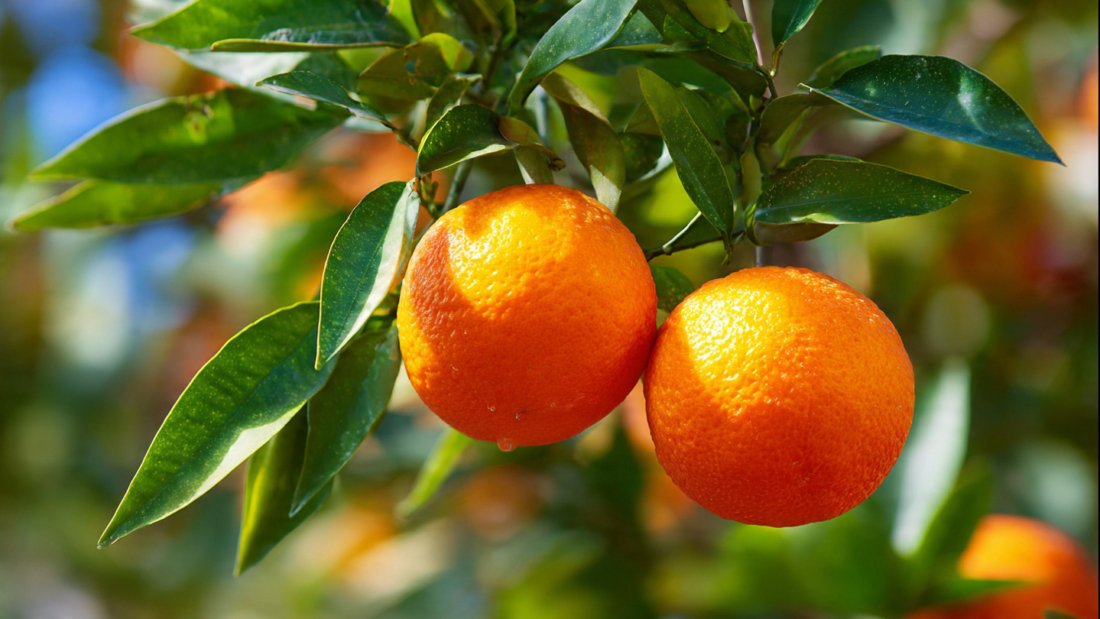
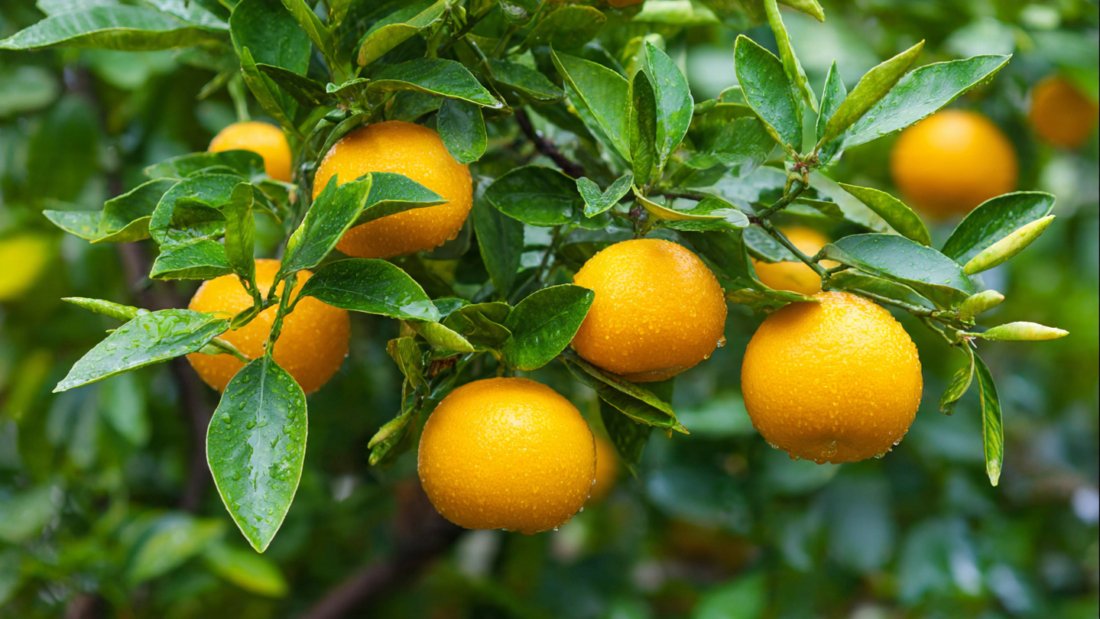
When your tree finally produces flowers and fruit, harvesting requires careful timing. Oranges are usually ready when they are fully colored, firm, and aromatic. Pick them gently to avoid damaging branches. Seed-grown oranges may vary slightly in taste and size compared to the parent fruit, but homegrown oranges often have exceptional flavor.
Additional Tips for Success
- Label your tree: Note the date of planting and the variety of orange.
- Rotate pots: If grown indoors, rotate pots regularly for even sunlight exposure.
- Protect from frost: Young trees are sensitive to cold, so bring pots indoors or cover them during winter.
- Repot as needed: As the tree grows, move it to larger containers to accommodate root expansion.
- Experiment with varieties: Trying different orange types can diversify your harvest and improve the gardening experience.
Benefits of Growing an Orange Tree at Home
Growing an orange tree from a snack fruit is more than just a gardening project. It offers numerous benefits:
- Fresh fruit at home: Enjoy chemical-free oranges straight from your tree.
- Environmental impact: You reuse seeds and reduce waste.
- Aesthetic value: Orange trees enhance indoor and outdoor spaces with greenery and fragrance.
- Educational value: It teaches patience, responsibility, and plant care.
- Health benefits: Consuming homegrown citrus provides vitamin C, antioxidants, and other nutrients.
Final Thoughts
Transforming an orange from a simple snack into a thriving citrus tree is a fulfilling and rewarding journey. With proper seed preparation, careful watering, adequate sunlight, and patient care, anyone can grow an orange tree at home.
While it may take years for your tree to bear fruit, the experience is worth every step. From sprouting seeds to nurturing seedlings and finally enjoying homegrown oranges, this process connects you with nature and promotes sustainable living.
By starting with a fresh orange, you not only create a beautiful plant but also embrace a more eco-conscious lifestyle. Growing your own oranges is a reminder that even the smallest seeds can lead to incredible growth, both in your garden and in your life.