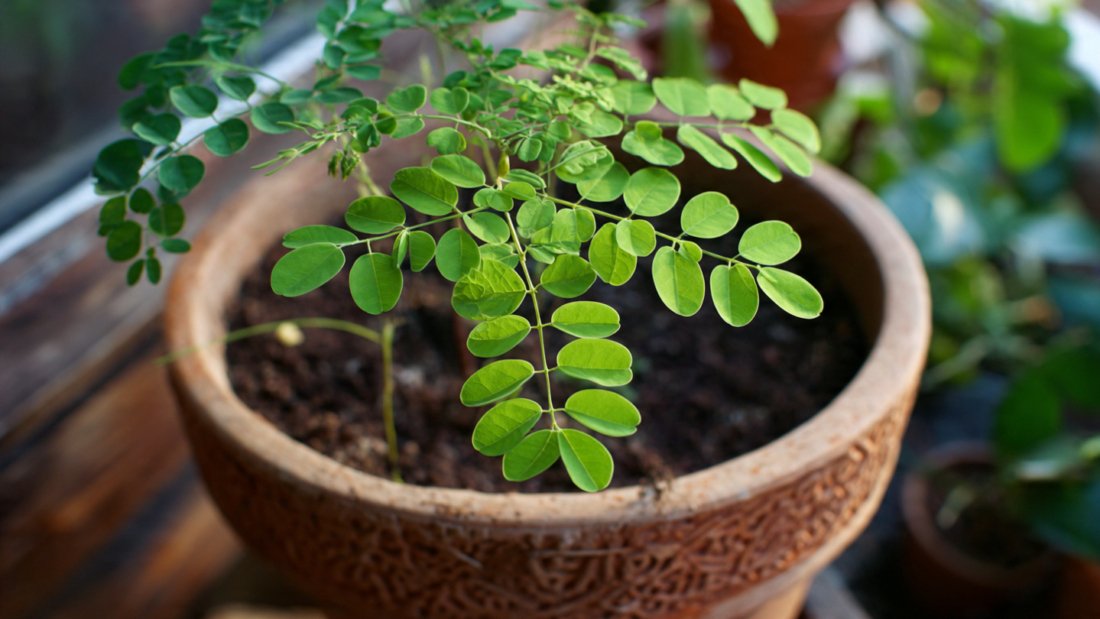
Easy Trick to Grow Moringa Leaves in a Pot with Minimal Effort

Easy Trick to Grow Moringa Leaves in a Pot with Minimal Effort

Moringa, often called the “miracle tree,” has been gaining immense popularity in gardens and kitchens around the world. Its nutrient-rich leaves are packed with vitamins, minerals, and antioxidants, making them a powerhouse for boosting health. While many people think growing Moringa is a challenge due to its reputation as a tropical tree, the truth is, you can grow Moringa leaves in a pot with minimal effort—right on your balcony, patio, or even indoors. This article will guide you through an easy, practical approach to cultivating lush Moringa leaves without any gardening stress.

Why Grow Moringa in a Pot?

Before diving into the steps, it’s worth understanding why growing Moringa in a pot is beneficial:

  1. Space-saving: Not everyone has a backyard, and potted plants allow you to enjoy Moringa even in small urban spaces.
  2. Mobility: Pots let you move your plant to a sunny spot or indoors during harsh weather.
  3. Controlled growth: Moringa grows very fast in soil, but pot cultivation naturally limits its height and spread, making maintenance easier.
  4. Ease of harvesting: With a pot-grown Moringa, leaves are accessible at arm’s reach, making daily harvesting convenient.

With these advantages, you can have a constant supply of fresh, green Moringa leaves without turning your garden into a forest.

Choosing the Right Pot

The first step in growing Moringa in a pot is selecting an appropriate container. Moringa prefers deep soil for its long taproot. Ideally:

  • Use a pot at least 12-16 inches deep and 12 inches wide for young plants.
  • If you want a larger tree eventually, choose a deep and wide container to accommodate root growth.
  • Ensure the pot has good drainage holes; Moringa doesn’t like waterlogged soil. Poor drainage can cause root rot, a common reason for plant failure.

Tip: A lightweight plastic or fiber pot works well if you need to move it around. Clay pots look beautiful but dry out faster, which may require more frequent watering.

Soil Requirements

Moringa thrives in well-draining, sandy loam soil with a neutral to slightly acidic pH (6.3–7.0). If you’re using potting soil, make it more suitable by:

  • Mixing 1 part compost to enrich nutrients.
  • Adding 1 part sand or perlite to improve drainage.
  • Ensuring the soil is light and airy; compact soil can restrict root growth and stunt leaf production.

Good soil ensures healthy growth and abundant leaves with minimal intervention.

Selecting the Moringa Variety

For pot cultivation, not all Moringa varieties are ideal. The two main types are:

  1. Moringa Oleifera: The most common variety, also called the drumstick tree, grows quickly and produces tender, nutrient-rich leaves.
  2. Dwarf varieties: Perfect for pots and balconies, dwarf Moringa trees rarely grow taller than 6–8 feet and are easier to maintain and harvest.

If your goal is to harvest leaves frequently without dealing with a massive tree, a dwarf variety is your best bet.

Planting Moringa Seeds

Moringa grows easily from seeds. Here’s a simple method to ensure success:

  1. Soak seeds in water for 24 hours. This helps break dormancy and encourages faster germination.
  2. Fill your pot with the prepared soil mix.
  3. Plant 2–3 seeds about 1 inch deep in the soil. This increases the chance of at least one seedling sprouting.
  4. Water gently but thoroughly, ensuring the soil is moist but not soggy.

Moringa seeds typically sprout within 1–2 weeks. Once seedlings are about 6 inches tall, select the strongest one and thin out the others.

Pro Tip: If you live in a cooler climate, start seeds indoors and transplant them after the last frost.

Watering Tips

Moringa is drought-tolerant but still needs proper watering, especially when grown in pots. The trick is moderation:

  • Water when the top inch of soil feels dry.
  • Avoid overwatering; soggy soil can damage roots.
  • During hot months, you may need to water every 2–3 days, while in cooler months, watering once a week may suffice.

Using a pot with good drainage and light soil helps prevent waterlogging, making Moringa care virtually effortless.

Sunlight Requirements

Moringa is a sun-loving plant. To maximize leaf growth:

  • Place your pot in a spot that receives 6–8 hours of direct sunlight daily.
  • If grown indoors, place near a south-facing window or under grow lights.

Sunlight encourages faster growth and enhances the flavor and nutrition of the leaves. Insufficient light can lead to spindly stems and smaller leaves.

Fertilizing Made Simple

One of the easiest ways to encourage abundant Moringa leaves without complex routines is to use natural fertilizers:

  • Compost tea: Steep compost in water for a few days and water the plant weekly.
  • Liquid organic fertilizers: Fish emulsion or seaweed extract can boost leaf growth.
  • Slow-release granular fertilizer: A balanced NPK (10:10:10) fertilizer applied once every 2–3 months is sufficient.

Avoid over-fertilizing, which can lead to excessive stem growth at the expense of leaves.

Pruning for Maximum Leaf Yield

Pruning is a simple trick to encourage bushier Moringa plants:

  • Once your Moringa reaches 12–18 inches, pinch the top leaves to promote lateral growth.
  • Regularly trim the tips every few weeks to prevent tall, leggy growth.
  • Harvesting leaves regularly not only provides fresh greens but also stimulates new shoots.

With this method, your potted Moringa can stay compact and continuously produce tender leaves.

Dealing with Pests

Moringa is relatively pest-resistant, but occasional issues can arise. Minimal effort strategies include:

  • Inspecting leaves weekly: Check for aphids, spider mites, or caterpillars.
  • Neem oil spray: A natural, non-toxic solution that keeps pests away.
  • Hand-picking insects: For small infestations, simply removing pests by hand is effective.

Because Moringa grows fast, minor pest damage usually doesn’t harm the plant long-term.

Harvesting Moringa Leaves

The beauty of pot-grown Moringa is that you can harvest leaves frequently and easily:

  • Pick tender leaves when they are young for salads, smoothies, or teas.
  • Harvest in the morning when leaves are most turgid and fresh.
  • Avoid removing more than 25–30% of the plant at once to ensure continued growth.

Frequent harvesting is a key trick for minimal-effort maintenance, as it keeps the plant from becoming unruly and encourages fresh shoots.

Minimal Effort Maintenance Routine

Here’s a simple weekly routine that keeps your Moringa thriving:

  1. Water: Check soil moisture and water lightly if needed.
  2. Sunlight: Ensure the plant is still receiving enough light. Rotate pot occasionally for even growth.
  3. Prune/Harvest: Pinch tips or harvest leaves for daily use.
  4. Check for pests: Quick inspection and neem spray if necessary.
  5. Fertilize (optional): Use organic liquid fertilizer once a month if growth is slow.

With this simple routine, Moringa can thrive with less than 15 minutes of effort per week.

Bonus Tips for Indoor or Balcony Growth

  • Use a tray or saucer under the pot to catch excess water and prevent mess.
  • In windy areas, secure the pot to prevent tipping.
  • Rotate your pot every week to ensure even sunlight exposure.
  • If leaves get too small, it may be a sign of insufficient nutrients or light; adjust accordingly.

Even in small spaces, these adjustments make growing Moringa a stress-free experience.

Why This Trick Works

The combination of pot cultivation, well-draining soil, regular light watering, strategic pruning, and sun exposure ensures that Moringa thrives without requiring constant attention. By limiting the tree’s root space, encouraging bushy growth through pruning, and harvesting leaves regularly, you can enjoy a consistent supply of fresh greens with minimal effort.

Final Thoughts

Growing Moringa leaves in a pot is surprisingly easy when you follow the right approach. With just a few smart strategies—choosing a suitable pot, using well-draining soil, giving adequate sunlight, pruning regularly, and harvesting frequently—you can cultivate this nutrient-rich superfood right at home. Whether for teas, smoothies, or daily cooking, home-grown Moringa leaves are fresh, flavorful, and packed with health benefits.

By embracing these minimal-effort techniques, you don’t need a large garden, fancy equipment, or gardening expertise. All it takes is a bit of sunlight, occasional watering, and strategic harvesting to enjoy the miracle of Moringa every day. Your balcony, patio, or indoor space can easily become a green oasis of health, offering fresh Moringa leaves year-round.

Start small, be consistent, and watch your pot-grown Moringa thrive effortlessly—proving that even busy people can enjoy the bounty of this remarkable plant.
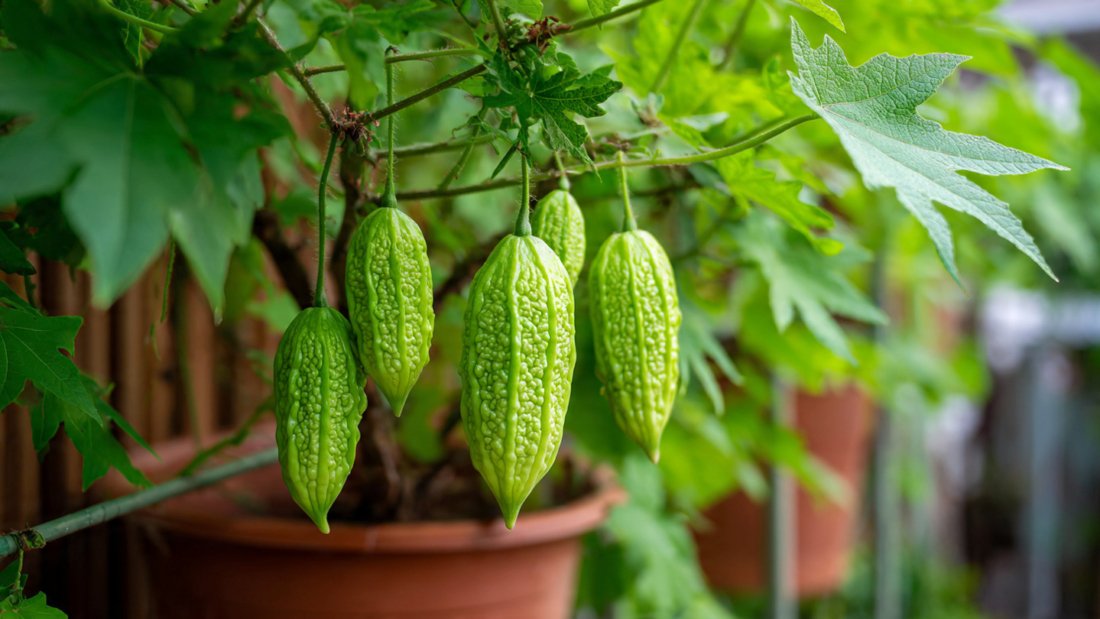
How to Grow Bitter Melon in a Paint Bucket Easily – High Yield Container Gardening Guide

How to Grow Bitter Melon in a Paint Bucket Easily – High Yield Container Gardening Guide

Bitter melon, also known as bitter gourd or Momordica charantia, is a tropical and subtropical vine widely celebrated for its distinctive bitter taste and remarkable health benefits. Rich in vitamins, minerals, and antioxidants, bitter melon has been used for centuries in traditional medicine, particularly for managing blood sugar levels and boosting immunity. While growing bitter melon in the ground is common, container gardening is becoming increasingly popular, especially for urban gardeners or those with limited space. One surprising but highly effective method involves using an ordinary paint bucket. This guide will take you step-by-step through growing bitter melon in a paint bucket, helping you achieve a high-yield harvest with minimal effort.


Why Choose Container Gardening for Bitter Melon?

Bitter melon thrives in warm climates with ample sunlight and well-drained soil. However, traditional gardening isn’t always feasible, particularly in urban areas with limited garden space or poor soil conditions. Container gardening solves these challenges while offering several advantages:

  1. Mobility – You can move containers to follow the sun or protect plants from heavy rain.
  2. Pest Control – Containers reduce exposure to certain soil-borne pests and diseases.
  3. Space Efficiency – Vertical growth can be trained with trellises, allowing multiple plants in small spaces.
  4. Soil Control – You can choose and maintain the ideal soil mixture for optimal growth.

A paint bucket is particularly well-suited for growing bitter melon because it provides adequate depth for root development, is inexpensive, and can be easily repurposed. Typically, a 5-gallon bucket works best, but slightly larger or smaller sizes can also be used depending on your available space.


Selecting the Right Paint Bucket

When choosing a paint bucket for bitter melon:

  • Size: A 5-gallon (around 19 liters) bucket is ideal. It provides enough soil depth for roots to grow and ensures the plant remains stable as it climbs.
  • Material: Plastic buckets work best because they are lightweight and retain moisture better than metal, which can overheat in the sun.
  • Cleanliness: Make sure the bucket is clean and free of chemical residues. Old paint residues can be toxic to plants.
  • Drainage: Proper drainage is critical. Drill at least 6–8 holes, each about 0.5 inches wide, in the bottom of the bucket. You can also make a few holes on the sides near the base to prevent waterlogging.

Preparing the Soil Mix

Bitter melon prefers well-draining, fertile soil rich in organic matter. A good soil mix for container growth includes:

  • 2 parts garden soil or potting soil
  • 1 part compost or well-rotted manure
  • 1 part coco peat or perlite (for aeration and drainage)

Before adding the soil, place a layer of gravel or broken pottery at the bottom of the bucket. This improves drainage and prevents soil from blocking the holes. After filling the bucket with your soil mix, lightly water it to settle the soil before planting seeds or seedlings.


Choosing Seeds and Starting Plants

Bitter melon seeds are available at garden centers or online. There are various varieties ranging from small, thin-skinned types to larger, warty ones. Select a variety suitable for container growth; smaller varieties generally adapt better to pots.

Pre-Germination Tip:

Bitter melon seeds have a hard outer shell, which can delay germination. To improve success:

  1. Soak the seeds in warm water for 24 hours before planting.
  2. Optionally, gently nick the seed coat with a knife to help water absorption.

Plant the seeds about 1 inch deep in the prepared soil. If using seedlings, transplant carefully to avoid disturbing roots.


Providing Support for Vertical Growth

Bitter melon is a climbing vine that can reach 10–15 feet. For container growth, vertical support is crucial to maximize yield and save space. You can:

  • Use a trellis: Bamboo sticks, wooden poles, or wire mesh attached to the bucket works well.
  • DIY A-frame: Construct a small A-frame above the bucket for the vine to climb.
  • Tie gently: Use soft strings or plant ties to guide young vines up the support.

Vertical growth ensures better air circulation, reduces fungal diseases, and makes harvesting easier.


Watering and Fertilization

Bitter melon loves consistent moisture, but waterlogging can rot the roots. Here’s a watering guide:

  • Water deeply when the top inch of soil feels dry.
  • During hot months, containers may dry quickly, so check daily.
  • Avoid wetting the leaves directly to reduce fungal disease risks.

Fertilization is key for high yield:

  • Use a balanced liquid fertilizer every 2–3 weeks.
  • Alternatively, mix a slow-release organic fertilizer into the soil at planting.
  • Once flowering starts, supplement with a phosphorus-rich fertilizer to encourage fruiting.

Mulching the top of the soil with straw or dried leaves helps retain moisture and reduces weed growth.


Sunlight and Temperature Requirements

Bitter melon thrives in full sun. Ideally, place the paint bucket where the plant receives 6–8 hours of direct sunlight daily.

Temperature plays a significant role:

  • Optimal growth occurs between 75–85°F (24–29°C).
  • Protect young seedlings from cold drafts or temperatures below 60°F (15°C).
  • In extremely hot climates, provide some afternoon shade to prevent leaf scorch.

If you live in a region with short summers, start seeds indoors or use a greenhouse to give the plant a head start.


Pest and Disease Management

Growing bitter melon in containers reduces some pest pressure, but vigilance is still necessary:

  • Aphids and whiteflies: Spray with mild soap solution or neem oil.
  • Powdery mildew: Improve air circulation, avoid overhead watering, and remove affected leaves.
  • Fruit flies: Cover fruits with mesh bags if infestation occurs.

Regular inspection of leaves and stems helps detect problems early and prevents widespread damage.


Flowering and Pollination

Bitter melon produces separate male and female flowers. Both are essential for fruit development:

  • Male flowers appear first and usually in clusters.
  • Female flowers develop slightly later and have a small swelling at the base, which becomes the fruit after pollination.

In container gardening, pollination may be limited due to fewer insects. Hand pollination ensures fruit set:

  1. Use a small paintbrush or cotton swab.
  2. Transfer pollen from male flowers to the stigma of female flowers.
  3. Repeat for several flowers to increase yield.

Harvesting Bitter Melon

Bitter melon matures quickly. Here’s how to harvest:

  • Harvest fruits when they are green and firm, usually 8–12 weeks after planting, depending on the variety.
  • Avoid overripe fruits; they turn yellow and become bitterer.
  • Cut the fruit with a sharp knife to avoid damaging the vine.

Frequent harvesting encourages the plant to produce more fruits, leading to higher overall yield.


Maximizing Yield in a Single Bucket

Even a single paint bucket can produce impressive yields with proper care:

  1. Use trellising efficiently – Guide vines to grow vertically rather than sprawling.
  2. Prune sparingly – Remove older or damaged leaves to encourage new growth and improve airflow.
  3. Fertilize strategically – Use a balanced liquid fertilizer every 2–3 weeks to sustain fruiting.
  4. Monitor for stress – Containers dry faster, so adjust watering according to weather and plant needs.

With these practices, a single 5-gallon bucket can produce 8–15 bitter melons per season, sometimes even more under ideal conditions.


Tips for Urban Gardeners

Container-grown bitter melon is perfect for balconies, patios, or small gardens. Here are some practical tips:

  • Use saucers under buckets to catch excess water and protect floors.
  • Rotate containers occasionally to ensure even sun exposure.
  • Grow companion plants like basil or marigold to repel pests naturally.
  • Start early in spring to make the most of the growing season.

With creativity, even limited space can yield fresh, nutritious bitter melons.


Conclusion

Growing bitter melon in a paint bucket is a simple, cost-effective way to enjoy fresh, homegrown produce. With the right preparation—choosing the proper container, soil mix, support structure, and care routine—you can achieve high yields even in small spaces. From seed germination to harvest, container gardening provides control over soil quality, water, and sunlight, making it easier to cultivate healthy plants.

For urban gardeners or those exploring container gardening for the first time, bitter melon is an excellent choice. Its climbing habit makes it ideal for vertical gardening, while its nutrient-rich fruits offer both culinary and medicinal benefits. By following this high-yield container gardening guide, you’ll soon have an abundant supply of fresh, delicious bitter melons growing right from a humble paint bucket.

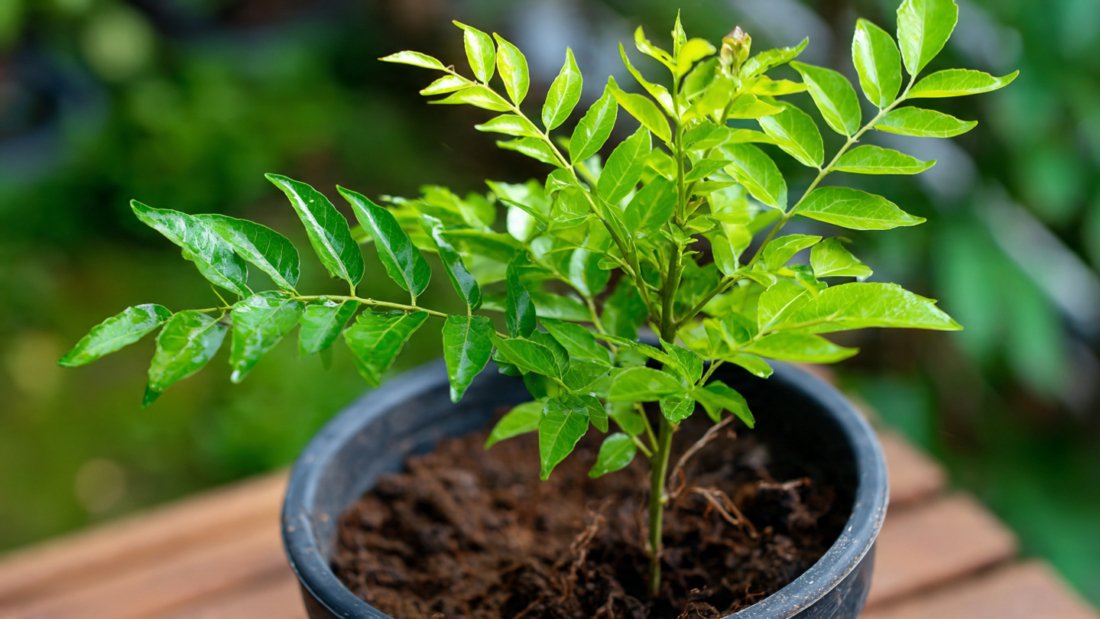
How to Successfully Grow a Thriving Curry Leaf Tree from a Mature Stem with Simple Steps and Essential Tips

How to Successfully Grow a Thriving Curry Leaf Tree from a Mature Stem with Simple Steps and Essential Tips

The curry leaf tree (Murraya koenigii) is more than just a culinary delight—it’s a symbol of tradition, health, and flavor in many kitchens around the world. Known for its aromatic leaves, which are indispensable in Indian and Southeast Asian cuisine, this plant also offers numerous health benefits, from improving digestion to providing antioxidants. While many gardeners start curry leaf trees from seeds, growing a tree from a mature stem can be faster, more reliable, and often leads to a stronger plant. If you’ve ever wondered how to grow a thriving curry leaf tree from a mature stem, this guide provides simple, actionable steps and essential tips to ensure success.

Why Choose a Mature Stem?

Growing a curry leaf tree from a mature stem has distinct advantages over seed propagation. Mature stems, sometimes called cuttings, are taken from an already established plant. Unlike seeds, which can take months to germinate and may not always produce strong, true-to-type plants, cuttings have already developed some growth characteristics and are likely to thrive more quickly. Using a mature stem also allows you to bypass the unpredictable germination phase and enjoy a robust tree sooner.

Cuttings from mature stems are more resilient, often carry genetic traits from the parent plant, and tend to produce leaves earlier than seedlings. This makes the method particularly appealing for gardeners who want a quicker yield or live in climates where seed germination can be challenging.

Selecting the Right Stem

The first step in successful propagation is choosing the right stem. Here’s what to look for:

  1. Age and Size: Opt for a semi-hardwood stem, which is neither too young nor too old. A stem about 6-8 inches long with a diameter of 0.5–1 inch works best. Semi-hardwood cuttings strike the perfect balance—they are mature enough to withstand transplanting but still capable of producing new roots.
  2. Health: Ensure the stem is healthy, free from pests or disease, and exhibits vibrant, green leaves. Avoid stems that are wilted, brown, or brittle.
  3. Leaf Nodes: The cutting should have several leaf nodes (points where leaves emerge). These nodes are crucial for rooting since new roots often develop near them.
  4. Source Plant: Ideally, select a cutting from a well-established, thriving curry leaf tree. The quality of the parent plant significantly affects the cutting’s survival and growth.

Preparing the Stem

Proper preparation increases the chances of successful rooting. Follow these steps carefully:

  1. Pruning: Remove the lower leaves from the stem, leaving 3-4 leaves at the top. This reduces water loss through transpiration and helps the cutting focus its energy on root development.
  2. Optional Rooting Hormone: Dip the cut end of the stem in a rooting hormone powder or gel. Rooting hormones contain auxins that stimulate root formation and improve success rates. While not strictly necessary, they are highly recommended, especially for beginners.
  3. Trimming: Trim any damaged or large leaves to prevent excessive moisture loss. The aim is to reduce stress on the cutting while maintaining enough leaf area for photosynthesis.

Choosing the Right Growing Medium

Curry leaf cuttings need a well-draining medium to prevent rot while retaining some moisture for root development. Here are popular options:

  • Sandy Soil: Provides excellent drainage but may require more frequent watering.
  • Cocopeat or Peat Moss: Retains moisture without becoming waterlogged, making it ideal for rooting.
  • Sand and Soil Mix: A 1:1 mix of garden soil and coarse sand creates a balanced medium that supports root growth while preventing stagnation.

Whatever medium you choose, ensure it is light, airy, and free from pathogens. Sterilizing the soil by baking it in the oven or microwaving can help reduce fungal contamination.

Planting the Stem

Planting a curry leaf cutting correctly is critical for its survival:

  1. Pot Selection: Use a small pot with drainage holes. Drainage is essential to prevent waterlogging, which can cause the cutting to rot.
  2. Planting Depth: Insert the cutting 2–3 inches deep into the medium, ensuring that at least two nodes are buried while the top nodes remain above soil. Firmly press the soil around the stem to eliminate air pockets.
  3. Initial Watering: Water gently but thoroughly after planting. The soil should be moist but not soggy. Overwatering can be fatal at this stage.
  4. Humidity: Curry leaf cuttings thrive in humid conditions. Cover the pot with a clear plastic bag or dome to create a mini greenhouse. Ensure the covering does not touch the leaves and allow some airflow to prevent fungal growth.

Placement and Light

The right environmental conditions make all the difference in rooting success:

  • Light: Place the cutting in bright, indirect sunlight. Direct sun can stress the cutting and cause leaves to burn, while too little light slows root formation. A spot near a window or shaded outdoor area works well.
  • Temperature: Maintain a warm temperature between 25–30°C (77–86°F). Curry leaf trees are tropical plants and do not tolerate cold.
  • Air Circulation: Ensure gentle air circulation to prevent mold and fungal infections while maintaining humidity.

Watering and Care

Caring for a curry leaf cutting requires careful attention:

  1. Watering Frequency: Check the moisture of the soil daily. Water lightly when the top inch feels dry. Avoid overwatering, which is a common cause of cutting failure.
  2. Fertilizing: Avoid fertilizing until roots are well-established (typically 4–6 weeks). Once roots develop, use a diluted, balanced liquid fertilizer to encourage healthy growth.
  3. Monitoring Growth: Look for signs of new leaves, which indicate successful rooting. This may take 3–6 weeks, depending on environmental conditions.

Transplanting to a Larger Pot or Garden

Once the cutting establishes roots and begins active growth, it’s time to move it to a larger pot or directly into the garden:

  1. Timing: Wait until the cutting develops a strong root system and at least 6–8 new leaves.
  2. Soil Preparation: Use nutrient-rich, well-draining soil for transplanting. Adding compost or organic matter improves fertility.
  3. Acclimatization: Gradually expose the plant to more sunlight and outdoor conditions to prevent shock.

Common Problems and Solutions

Even with proper care, you may encounter challenges. Here are some tips:

  • Yellowing Leaves: Often caused by overwatering or nutrient deficiency. Adjust watering frequency and consider adding mild fertilizer.
  • Pests: Aphids, mealybugs, and spider mites can attack young cuttings. Use neem oil or insecticidal soap to control infestations.
  • Root Rot: This occurs if soil is waterlogged. Ensure proper drainage and avoid excessive watering.

Essential Tips for Success

  1. Use Healthy Parent Plants: The quality of the cutting directly affects success. Always choose a strong, mature parent tree.
  2. Patience is Key: Rooting may take several weeks, so avoid disturbing the cutting too frequently.
  3. Regular Pruning: Once the tree grows, pruning encourages bushier growth and more leaves for harvesting.
  4. Mulching: Apply organic mulch around the base to retain moisture, regulate temperature, and suppress weeds.
  5. Container Gardening: Curry leaf trees thrive in pots, making them ideal for balconies or patios. Ensure the container is large enough for root growth.

Harvesting Leaves

Curry leaves can be harvested once the plant is well-established, typically after 6–12 months from a cutting. Pick leaves from the top and outer branches to encourage further growth. Avoid stripping the plant, as this can stress it. Fresh leaves are best used immediately, but they can also be frozen for later use without losing aroma or flavor.

Final Thoughts

Growing a curry leaf tree from a mature stem is a rewarding endeavor, offering both culinary delight and aesthetic value. While it requires careful attention to detail—selecting the right stem, preparing it properly, providing optimal conditions, and monitoring growth—the process is straightforward and highly rewarding. By following these simple steps and essential tips, you can enjoy a thriving curry leaf tree that enhances your dishes, contributes to your garden’s beauty, and provides a satisfying gardening experience. With patience, proper care, and a little nurturing, your curry leaf tree can flourish for many years, offering a continuous supply of aromatic leaves and a deeper connection to the traditions of cooking and gardening. of aromatic leaves and a deeper connection to the traditions of cooking and gardening.

How to Successfully Grow a Thriving Curry Leaf Tree from a Mature Stem with Simple Steps and Essential Tips

How to Grow Mangosteen – Simple and Effective Growing Tips for Home Gardeners

Mangosteen, often hailed as the “Queen of Fruits,” is a tropical delicacy prized for its sweet, tangy flavor and juicy, aromatic flesh. Native to Southeast Asia, this unique fruit is not only delicious but also packed with nutrients, antioxidants, and health benefits. While mangosteen trees are typically grown in tropical climates, with careful attention and proper care, home gardeners can successfully cultivate them in their own gardens. If you’ve ever wondered how to grow mangosteen and enjoy this exotic fruit fresh from your backyard, this guide will provide you with simple and effective tips for successful cultivation.

Understanding Mangosteen

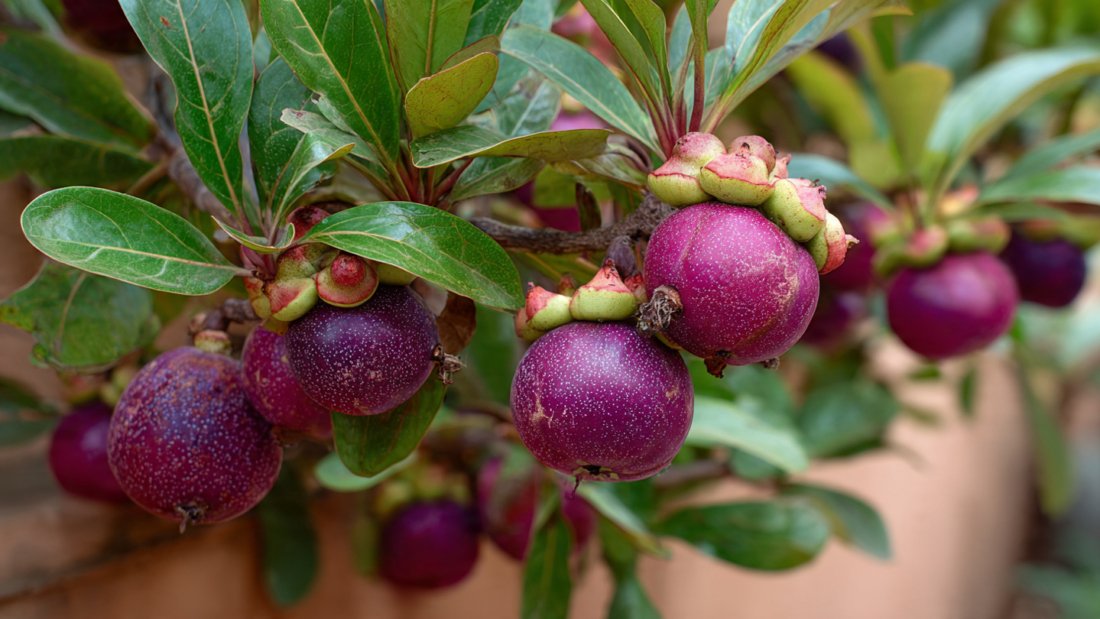
Before planting, it’s important to understand the characteristics of mangosteen trees. Mangosteen (Garcinia mangostana) is an evergreen tree that can grow up to 20–30 feet tall in the wild, although home garden varieties are usually smaller. The tree has glossy, dark green leaves and produces fragrant white flowers that eventually develop into round, purple fruits. Mangosteen trees are slow-growing and take several years to bear fruit, sometimes up to 7–10 years. However, with the right growing conditions, patience, and care, the reward is a steady supply of sweet, juicy fruits.

Mangosteen is highly sensitive to environmental conditions. It thrives in warm, humid climates with consistent rainfall. While it is best suited for USDA zones 10–11, gardeners in slightly cooler areas can grow it in greenhouses or large containers. Understanding its natural requirements will help you replicate the ideal conditions for home cultivation.

Choosing the Right Location

Mangosteen requires a location that provides plenty of sunlight but also protection from harsh winds. A spot with partial shade is ideal, particularly in areas with intense afternoon sun. Young trees are especially vulnerable to direct sunlight and strong winds, so consider planting them near taller trees or structures that can provide natural windbreaks.

Soil quality is another critical factor. Mangosteen prefers deep, well-draining soil rich in organic matter. A slightly acidic soil pH of 5.5 to 6.5 is optimal. If your garden soil is sandy or clay-heavy, you may need to amend it with compost or well-rotted manure to improve fertility and drainage. Avoid waterlogged areas, as mangosteen roots are highly sensitive to excess moisture, which can cause root rot.

Selecting Healthy Seeds or Saplings

Mangosteen trees are commonly propagated from seeds. When choosing seeds, select fresh ones from ripe fruits, as the viability of mangosteen seeds decreases rapidly after harvesting. Fresh seeds should be planted as soon as possible, ideally within 24–48 hours.

For faster results, many home gardeners opt for grafted saplings. Grafted trees are propagated from mature, fruit-bearing trees and can begin producing fruit sooner than seed-grown trees. Regardless of your choice, ensure that the seeds or saplings are free from pests and diseases.

Planting Mangosteen

Whether you’re planting seeds or young saplings, the planting process is straightforward but requires attention to detail. For seeds:

  1. Prepare the Soil: Loosen the soil in a hole about twice the size of the seed. Mix in compost to enrich the soil.
  2. Plant the Seeds: Place the seeds horizontally in the soil and cover them lightly, no more than 1 inch deep.
  3. Watering: Water the soil gently to keep it moist but not waterlogged.
  4. Mulching: Apply a layer of organic mulch around the base to retain moisture and regulate soil temperature.

For saplings:

  1. Dig a Hole: Make a hole large enough to accommodate the root ball without bending the roots.
  2. Plant the Sapling: Place the tree at the same depth it was growing in its container or nursery bed.
  3. Backfill and Water: Fill the hole with soil, press lightly, and water thoroughly.
  4. Stake if Necessary: If your area is windy, consider staking the young tree to prevent damage.

Watering and Humidity Needs

Mangosteen thrives in humid conditions with consistent moisture. Regular watering is essential, especially during dry periods. The soil should be kept evenly moist but never soggy. Overwatering can lead to root rot, while underwatering may stunt growth or prevent fruiting.

For potted mangosteen trees, ensure containers have proper drainage holes, and consider using self-watering pots or saucers to maintain adequate moisture. Additionally, misting the foliage occasionally can help maintain humidity, especially in drier climates or indoor environments.

Fertilization and Nutrient Management

Mangosteen trees are heavy feeders and benefit from regular fertilization. Young trees require balanced fertilizer rich in nitrogen, phosphorus, and potassium to promote healthy growth. As the tree matures and starts flowering, switch to a fertilizer higher in potassium and phosphorus to encourage flower and fruit development.

Organic fertilizers, such as compost, well-rotted manure, or seaweed extract, are highly effective and improve soil health over time. Applying mulch around the base of the tree also helps conserve moisture, suppress weeds, and provide slow-release nutrients as it decomposes.

Pruning and Maintenance

Mangosteen trees require minimal pruning, but removing dead, damaged, or overcrowded branches improves airflow and light penetration. Light pruning can also encourage the development of a strong structure, which supports fruiting.

Regularly inspect the tree for pests such as aphids, mealybugs, and scales. While mangosteen is relatively pest-resistant, early intervention with natural remedies or insecticidal soap can prevent infestations from spreading.

Flowering and Fruit Development

Mangosteen trees produce small, fragrant flowers directly on branches, known as cauliflory. Flowering typically occurs in the warmer months, and fruit development can take several months. Patience is key, as mangosteen trees grown from seeds may take 7–10 years to bear fruit, while grafted trees may fruit in 4–6 years.

Once fruits start developing, it’s important to continue providing consistent water, fertilization, and protection from pests. Mangosteen fruits are round, purple, and smooth, with a thick rind encasing the juicy, segmented flesh. Harvesting is done when the fruit turns dark purple and has a slight give when gently pressed.

Growing Mangosteen in Containers

For gardeners outside tropical climates or with limited space, growing mangosteen in containers is a practical option. Use large, deep pots with excellent drainage and fill them with a mix of garden soil, compost, and sand for optimal aeration. Container-grown trees require careful monitoring of water, humidity, and nutrients, as they have limited access to natural soil resources.

Prune roots carefully if the tree becomes root-bound, and repot every 2–3 years to maintain healthy growth. Container cultivation also allows for easier protection against cold weather by moving the tree indoors or under a greenhouse canopy during colder months.

Challenges and Tips for Success

Growing mangosteen at home comes with challenges, primarily due to its slow growth, specific environmental requirements, and susceptibility to root issues. However, the following tips can increase your chances of success:

  1. Climate Replication: If you live in a non-tropical region, mimic tropical conditions using greenhouses, humidity trays, or controlled indoor environments.
  2. Consistent Care: Mangosteen requires regular watering, fertilization, and monitoring for pests and diseases.
  3. Patience: Mangosteen trees are slow-growing and may take several years to fruit. Treat the process as a long-term project.
  4. Avoid Waterlogging: Ensure proper drainage in soil and containers to prevent root rot.
  5. Mulch and Protect: Mulching helps retain moisture and regulate temperature, while shade nets or protective structures can shield young trees from excessive sun or wind.

Health Benefits of Mangosteen

Aside from its delicious taste, mangosteen is valued for its health benefits. Rich in antioxidants, vitamins, and minerals, it supports immunity, aids digestion, reduces inflammation, and may contribute to heart health. Having a home-grown supply ensures you enjoy the fruit at its peak freshness, free from pesticides and chemicals.

Conclusion

Growing mangosteen at home can be a rewarding endeavor for dedicated gardeners. While it requires patience, attention to soil, water, and nutrient needs, the reward of enjoying fresh, tropical fruits from your own garden makes the effort worthwhile. By selecting healthy seeds or saplings, providing the right environment, and maintaining consistent care, even home gardeners in less-than-ideal climates can experience the joy of cultivating this “Queen of Fruits.”

Whether planted in the ground or in containers, mangosteen trees add beauty to your garden with their glossy leaves, fragrant flowers, and vibrant purple fruits. With time, care, and a little patience, you can turn your backyard into a tropical haven and savor the exquisite taste and health benefits of home-grown mangosteen.

Grow Eggplants at Home: A Complete Guide for Beginners and Urban Gardeners

Grow Eggplants at Home: A Complete Guide for Beginners and Urban Gardeners

Eggplants, also known as aubergines, are a versatile and nutritious vegetable prized in cuisines around the world. From Italian eggplant parmesan to Asian stir-fries, their unique texture and flavor make them a kitchen favorite. For urban gardeners and beginners, growing eggplants at home might seem challenging, but with the right guidance, it can be an enjoyable and rewarding experience. This complete guide will help you understand everything you need to know to grow healthy, productive eggplants, whether you have a backyard garden, balcony, or even limited indoor space.


Why Grow Eggplants at Home?

Homegrown eggplants offer several advantages:

  1. Freshness and Flavor: Freshly picked eggplants are more flavorful and tender than store-bought ones.
  2. Nutritional Benefits: Eggplants are low in calories and rich in fiber, antioxidants, and essential vitamins such as B1, B6, and potassium.
  3. Cost-Effective: Growing eggplants at home can save money, especially if you frequently cook dishes that include them.
  4. Gardening Therapy: Gardening is known to reduce stress and improve mental health, making eggplant cultivation a relaxing hobby.

With these benefits in mind, let’s dive into the practical aspects of growing eggplants.


Choosing the Right Eggplant Variety

Eggplants come in different shapes, sizes, and colors. Choosing the right variety depends on your space, climate, and culinary preferences.

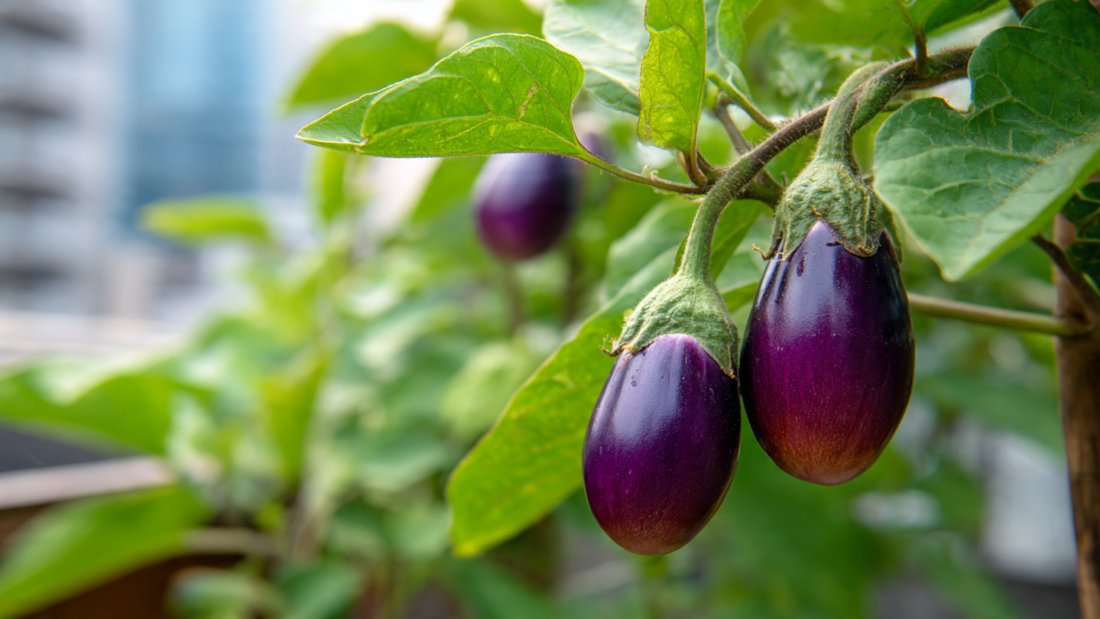
  • Classic Purple Varieties: Popular in most kitchens, ideal for roasting, grilling, and frying.
  • Asian Eggplants: Smaller, slender, and often more tender. Perfect for stir-fries and curries.
  • White Eggplants: Mild in flavor and great for baking or grilling.
  • Mini or Patio Varieties: Compact plants suitable for container gardening, perfect for balconies and small urban spaces.

For beginners, consider starting with a compact variety like ‘Patio Baby’ or ‘Fairy Tale,’ which are easier to manage in small spaces and containers.


When and Where to Plant Eggplants

Eggplants thrive in warm weather and need plenty of sunlight. Here’s what you need to know:

  • Climate: Eggplants grow best in temperatures between 70°F and 85°F (21°C – 29°C). They are sensitive to cold, so avoid planting outdoors until the danger of frost has passed.
  • Sunlight: Ensure your plants receive at least 6 to 8 hours of direct sunlight daily. In urban settings with limited sunlight, consider placing containers near south-facing windows or using grow lights indoors.
  • Soil: Eggplants prefer well-draining, nutrient-rich soil with a pH between 5.5 and 7.2. Enriching soil with compost or organic matter helps promote strong growth.

Starting from Seeds or Seedlings

Eggplants can be grown from seeds or purchased seedlings. Both methods have pros and cons.

From Seeds

  1. Timing: Start seeds indoors 8-10 weeks before the last expected frost.
  2. Planting: Sow seeds ¼ inch deep in seed trays or small pots.
  3. Germination: Keep soil warm (around 75°F / 24°C) and moist. Seeds usually sprout in 7-14 days.
  4. Transplanting: Once seedlings have 2-3 true leaves and the outdoor temperature is consistently warm, transplant them into larger pots or the garden.

From Seedlings

Buying healthy seedlings from a nursery saves time and reduces the risk of poor germination. Choose plants with sturdy stems and deep green leaves.


Planting Eggplants in Containers or Garden Beds

Eggplants can be grown in traditional garden beds or containers. Both options are suitable for urban gardeners.

In Garden Beds

  1. Spacing: Plant eggplants 18-24 inches apart to allow airflow and prevent disease.
  2. Support: Install stakes or cages to support heavy fruit and prevent stems from breaking.
  3. Mulching: Use organic mulch to retain soil moisture and suppress weeds.

In Containers

  1. Pot Size: Use containers at least 12 inches wide and deep.
  2. Drainage: Ensure pots have drainage holes to prevent waterlogging.
  3. Soil Mix: Use a mix of potting soil, compost, and perlite for good drainage and nutrition.
  4. Fertilization: Fertilize container plants more frequently, as nutrients deplete faster than in garden soil.

Watering and Feeding Your Eggplants

Proper watering and fertilization are key to a productive harvest:

  • Watering: Keep soil consistently moist but not waterlogged. Deep watering once or twice a week is better than frequent shallow watering.
  • Fertilization: Eggplants are heavy feeders. Apply a balanced, slow-release fertilizer at planting and supplement with liquid fertilizer every 2-3 weeks during the growing season.
  • Avoid Overwatering: Too much water can cause root rot and reduce fruit quality. Mulching helps retain moisture without overwatering.

Pollination and Pruning

Eggplants rely on pollination to set fruit, especially in container or indoor gardens where natural pollinators may be scarce.

  • Hand Pollination: Use a small brush or gently shake flowers to help transfer pollen.
  • Pruning: Remove yellowing leaves and pinch off early flowers to encourage stronger plant growth and larger fruit later.

Pest and Disease Management

Eggplants are susceptible to pests and diseases, but preventive measures can keep plants healthy:

  • Common Pests: Aphids, flea beetles, and spider mites. Use neem oil or insecticidal soap if infestations occur.
  • Diseases: Fusarium wilt, verticillium wilt, and powdery mildew. Ensure good air circulation, avoid overhead watering, and rotate crops annually.
  • Organic Methods: Companion planting with basil or marigolds can help repel pests naturally.

Harvesting Eggplants

Knowing when to harvest is crucial for taste and texture:

  1. Size Check: Harvest eggplants when they reach their mature size (variety-dependent) but before seeds become hard.
  2. Glossy Skin: Fruits should be firm and shiny. Dull or wrinkled skin may indicate overripeness.
  3. Harvesting Method: Use a sharp knife or pruners to cut the fruit with a short stem, avoiding damage to the plant.

Frequent harvesting encourages continuous production throughout the season.


Storing and Using Homegrown Eggplants

Eggplants are best enjoyed fresh but can be stored for short periods:

  • Storage: Keep in a cool, dry place or the refrigerator for up to a week.
  • Cooking Tips: Slice, grill, roast, or stir-fry. Eggplants absorb flavors well and can be used in dips, curries, pasta dishes, and more.

Common Challenges and How to Overcome Them

  1. Blossom Drop: Often caused by temperature fluctuations or inadequate pollination. Hand pollinate flowers and maintain consistent watering.
  2. Bitter Taste: Overripe eggplants can be bitter. Harvest at the right size for the best flavor.
  3. Leggy Plants: Insufficient sunlight can cause elongated stems. Move containers to sunnier spots or use supplemental grow lights.

Urban Gardening Tips

Even in small urban spaces, eggplants can thrive:

  • Vertical Gardening: Use trellises or cages to grow eggplants upward, saving space.
  • Balcony Pots: Compact patio varieties fit well in balcony containers.
  • Indoor Grow Lights: For apartments with limited sunlight, LED grow lights provide the energy plants need to flourish.

Urban gardeners can enjoy a steady supply of fresh eggplants all season long by combining smart planting strategies with regular care.


Final Thoughts

Growing eggplants at home is a fulfilling project for beginners and urban gardeners alike. With proper variety selection, soil preparation, watering, and pest management, even a small balcony or windowsill can yield a bountiful harvest. Eggplants not only enhance your culinary repertoire but also add greenery and life to your living space, creating a rewarding connection to nature.

Starting your eggplant garden may seem daunting at first, but with patience and attention to detail, you’ll soon enjoy the satisfaction of harvesting your own fresh, flavorful vegetables. Whether roasted, grilled, or fried, nothing beats the taste of an eggplant picked straight from your garden. So grab some seeds, prepare your pots or garden bed, and embark on a journey that will reward your taste buds, your health, and your gardening spirit.

Seed to Sprout: The Complete Beginner’s Guide to Germinating Tomato Seeds Successfully

Seed to Sprout: The Complete Beginner’s Guide to Germinating Tomato Seeds Successfully

Tomatoes are one of the most popular and rewarding plants to grow at home. Bursting with flavor, packed with nutrients, and versatile in the kitchen, they are a staple in many gardens worldwide. However, the journey from tiny seeds to healthy, vibrant seedlings can be tricky for beginners. Germinating tomato seeds successfully requires patience, the right materials, proper care, and attention to environmental conditions. This complete guide will walk you through every step of the process, ensuring your tomato seeds sprout strong and healthy, setting the stage for a bountiful harvest.


Why Grow Tomatoes from Seeds?

Growing tomatoes from seeds offers several advantages over purchasing seedlings from nurseries:

  1. Variety Selection: Seeds allow you to choose from hundreds of tomato varieties, including heirlooms, hybrids, cherry, and beefsteak tomatoes. You can experiment with flavors, colors, and growth habits.
  2. Cost-Effective: Seeds are inexpensive compared to buying young plants, and a single packet can produce dozens of seedlings.
  3. Control Over Quality: Growing from seed ensures chemical-free, disease-free plants, particularly important for organic gardening enthusiasts.
  4. Learning Experience: For beginners, starting from seeds provides valuable insight into plant development, germination, and early care techniques.

Growing tomatoes from seeds also instills patience and a deeper connection to the gardening process, making the eventual harvest more satisfying.


Selecting Tomato Seeds

Choosing the right tomato seeds is crucial for germination success and eventual plant health. Consider the following factors when selecting seeds:

  • Variety: Determine whether you want determinate (bushy, compact, good for containers) or indeterminate (vining, produces fruit over a long period) varieties.
  • Climate Suitability: Some tomatoes thrive in cooler climates, while others need long, warm growing seasons. Check the seed packet for recommended zones.
  • Disease Resistance: Many seeds are labeled with resistance codes for common tomato diseases like fusarium wilt, verticillium wilt, and nematodes. Choosing resistant varieties reduces early challenges.
  • Heirloom vs Hybrid: Heirloom seeds offer unique flavors and characteristics but may require more care, while hybrids are often hardier and more uniform.

Always purchase seeds from reputable suppliers to ensure high germination rates and avoid contaminated or old seeds.


Preparing Materials for Germination

Successful germination starts with having the right materials on hand. You will need:

  • Seed Trays or Small Pots: Shallow containers with drainage holes work best.
  • Seed-Starting Medium: Use a fine, well-draining, sterile seed-starting mix rather than garden soil. This prevents disease and promotes healthy root development.
  • Labels: To keep track of different varieties.
  • Watering Tools: A spray bottle is ideal for gentle watering.
  • Light Source: Natural sunlight from a south-facing window or a grow light for 12–16 hours daily.
  • Humidity Cover: A clear plastic dome or bag to maintain moisture.

Having all these materials ready ensures a smooth germination process without unnecessary delays.


Pre-Soaking Tomato Seeds

Although optional, pre-soaking tomato seeds can improve germination rates and speed up sprouting. Soak seeds in lukewarm water for 4–6 hours before planting. This softens the seed coat and triggers the initial stages of growth. Avoid soaking for more than 24 hours, as prolonged exposure can damage seeds.


Planting Tomato Seeds

Planting seeds at the correct depth and spacing is essential for healthy sprouts. Follow these steps:

  1. Fill seed trays or small pots with seed-starting mix. Lightly moisten the soil before planting.
  2. Plant seeds about 0.5–1 centimeter deep. Too deep can hinder sprouting; too shallow can dry out quickly.
  3. Cover lightly with soil or vermiculite and press gently.
  4. Label each row or pot with the variety and planting date.
  5. Mist the surface lightly with water to avoid washing away seeds.

Maintain even spacing to prevent overcrowding. Overcrowded seedlings can compete for light, water, and nutrients, resulting in weak plants.


Optimal Conditions for Germination

Tomato seeds require specific environmental conditions to germinate successfully:

  • Temperature: Keep the soil between 21°C and 27°C. Bottom heat from a seedling mat or warm location helps.
  • Moisture: Soil should be consistently moist but not soggy. Use a spray bottle to avoid overwatering.
  • Humidity: Covering trays with a plastic dome or bag retains moisture and creates a humid environment ideal for germination. Remove the cover once seedlings emerge.
  • Light: Once seedlings appear, provide 12–16 hours of light daily. Natural sunlight may be sufficient, but fluorescent or LED grow lights work well indoors.

Consistent conditions are key. Fluctuating temperatures, dry soil, or poor light can result in slow germination, leggy seedlings, or mold growth.


Germination Timeline

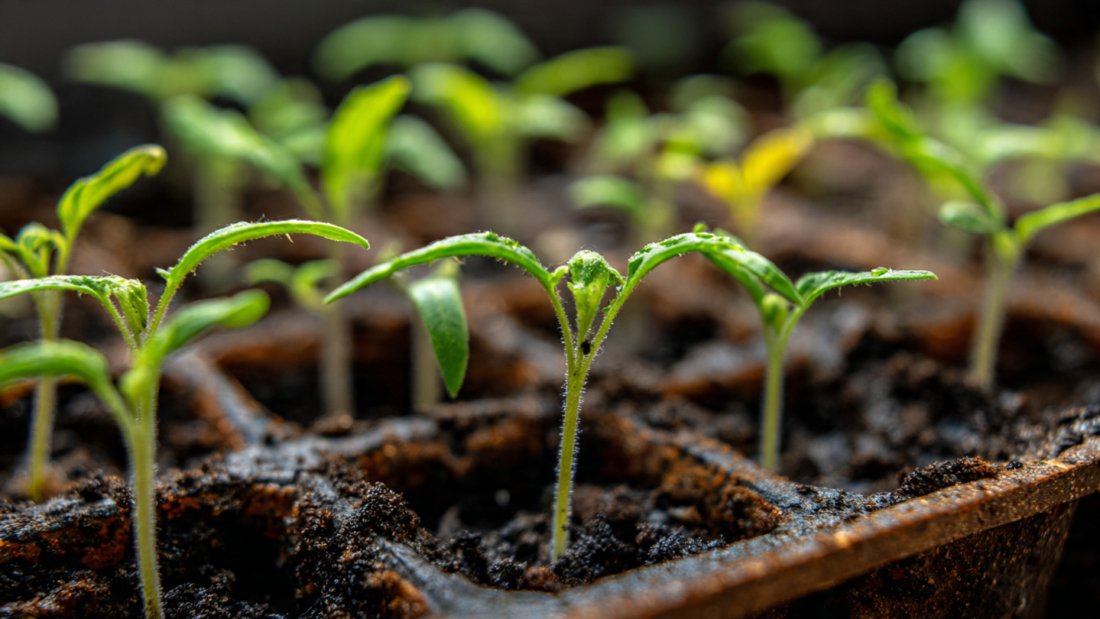
Tomato seeds typically sprout within 5–14 days, depending on variety and conditions. Patience is essential. Avoid disturbing seeds during this stage, as the tiny sprouts are delicate.

Once seedlings emerge, remove humidity covers gradually to acclimate them to normal air conditions. This prevents “damping-off,” a fungal disease that can kill young seedlings.


Caring for Seedlings

After sprouting, tomato seedlings require proper care to grow strong and healthy:

  • Thinning: If multiple seeds sprout in a single cell or pot, thin to one seedling per space to prevent competition.
  • Watering: Maintain even moisture without overwatering. Allow the soil surface to dry slightly between watering.
  • Light: Keep seedlings under bright light to prevent leggy growth. Rotate trays regularly if using natural sunlight.
  • Fertilizing: After two weeks, apply a diluted liquid fertilizer once a week to provide essential nutrients.
  • Air Circulation: Gentle airflow reduces fungal issues and strengthens stems.

Healthy seedlings are compact, dark green, and sturdy. Leggy, pale seedlings indicate insufficient light and need immediate adjustment.


Hardening Off

Before transplanting seedlings outdoors, they must be “hardened off” to adapt to outdoor conditions. Gradually expose seedlings to sunlight, wind, and varying temperatures over 7–10 days:

  1. Start with 1–2 hours of morning sunlight in a protected area.
  2. Increase exposure by 1–2 hours daily.
  3. Bring seedlings indoors at night initially.
  4. Reduce watering slightly to toughen stems and roots.

Hardening off reduces transplant shock and improves survival rates once seedlings are moved to the garden or larger containers.


Common Problems and Solutions

Even with careful preparation, tomato seedlings may face challenges:

  • Damping-Off: Caused by overwatering and poor air circulation. Prevent by using sterile soil and avoiding excessive moisture.
  • Leggy Seedlings: Insufficient light causes long, weak stems. Use grow lights or move trays to a sunnier location.
  • Yellowing Leaves: May indicate nutrient deficiency or overwatering. Adjust watering and provide balanced fertilizer.
  • Mold or Fungi: Occurs in overly humid conditions. Increase airflow and avoid wetting leaves.

Early detection and corrective action ensure strong, healthy seedlings ready for transplanting.


Transplanting Seedlings

Once seedlings develop 2–3 true leaves and are hardened off, they are ready for transplanting into larger pots or outdoor beds. Space them 45–60 centimeters apart to accommodate growth and airflow.

Bury seedlings up to the first true leaves to encourage strong root development. Water thoroughly after transplanting and provide partial shade for the first day or two if transplanting outdoors.


Tips for Success

  • Keep a consistent schedule for watering and feeding seedlings.
  • Monitor seedlings daily for signs of stress or pests.
  • Rotate pots to ensure even growth.
  • Avoid transplanting in extreme weather conditions.
  • Record germination and growth timelines to improve future planting cycles.

By following these practices, beginners can maximize germination success and grow healthy tomato plants from seed to strong seedlings.


Conclusion

Germinating tomato seeds is the first critical step toward growing your own delicious, homegrown tomatoes. With the right seeds, proper soil, optimal environmental conditions, and attentive care, beginners can achieve high germination rates and strong seedlings. From soaking seeds to hardening off and transplanting, each stage lays the foundation for a thriving tomato plant capable of producing abundant, flavorful fruit.

Starting tomatoes from seed not only provides a greater variety and better control over plant health but also teaches valuable lessons in patience, observation, and sustainable gardening. By following this guide, you can confidently move from seed to sprout and enjoy the satisfaction of nurturing tiny seeds into vibrant, productive tomato plants in your garden or containers.

Growing tomatoes from seed is a journey that combines science, care, and creativity. Every sprout represents a successful start to a rewarding season of homegrown, fresh, and flavorful tomatoes that will elevate your cooking and your garden.

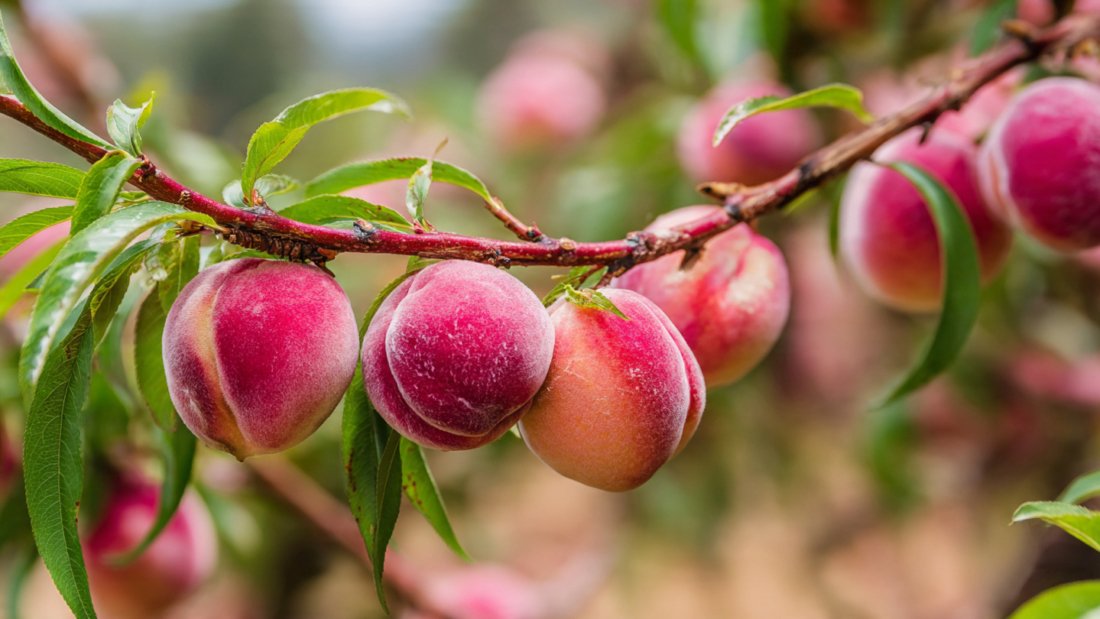
From Sapling to Sweet Harvest: The Complete Guide to Growing a Backyard Peach Tree

From Sapling to Sweet Harvest: The Complete Guide to Growing a Backyard Peach Tree

Peach trees are among the most rewarding fruit trees to grow in a backyard. Their beautiful spring blossoms, lush green foliage, and juicy, fragrant fruits make them a favorite for gardeners and home cooks alike. While buying peaches from the store is convenient, there’s something uniquely satisfying about nurturing a tree from a young sapling to a bountiful harvest in your own backyard. With patience, proper care, and the right knowledge, growing a peach tree can be an enjoyable and fruitful experience. This complete guide will take you through each step of growing a backyard peach tree—from selecting a sapling to harvesting your first sweet peaches.


Why Grow a Peach Tree in Your Backyard?

There are many reasons to grow a peach tree at home:

  1. Fresh, delicious fruit: Nothing compares to the taste and aroma of freshly harvested peaches.
  2. Educational opportunity: Gardening teaches patience, responsibility, and plant care.
  3. Health benefits: Peaches are rich in vitamins, antioxidants, and dietary fiber.
  4. Aesthetic appeal: Peach trees produce stunning blossoms in spring, enhancing your garden’s beauty.
  5. Cost savings: Growing your own fruit can reduce grocery expenses over time.

While growing a peach tree takes dedication, the rewards—both culinary and visual—are well worth the effort.


Selecting the Right Peach Tree Variety

Choosing the right variety is crucial for success. Peach trees are classified as either clingstone or freestone, based on how easily the flesh separates from the pit:

  • Freestone peaches: The flesh separates easily from the stone. Ideal for fresh eating and canning.
  • Clingstone peaches: The flesh clings to the pit. Often juicier and better for preserves or cooking.

Consider your climate as well. Peach trees require chill hours—a specific number of hours of temperatures between 32°F and 45°F—to set fruit. Low-chill varieties such as ‘TropicBeauty’ or ‘Flordaking’ work well in warmer regions, while standard varieties like ‘Redhaven’ or ‘Elberta’ are better for cooler climates.


Choosing the Ideal Location

Peach trees need full sunlight for at least six to eight hours a day. The right location is essential for healthy growth and abundant fruiting. Choose a site with:

  • Well-draining soil: Avoid areas where water pools after rain.
  • Air circulation: Proper airflow reduces the risk of fungal diseases.
  • Sufficient space: Peach trees can grow 12–20 feet tall and wide, so provide room for growth.

Avoid planting near large trees or structures that cast shade. Peaches thrive in slightly acidic soil with a pH between 6.0 and 6.5. Conduct a soil test if you are unsure.


Planting Your Peach Sapling

Planting a young peach tree correctly sets the foundation for years of healthy growth.

  1. Dig a proper hole: The hole should be twice as wide and slightly deeper than the root ball.
  2. Amend the soil: Mix the native soil with compost or well-rotted manure to provide nutrients.
  3. Position the tree: Place the sapling in the hole so the graft union (a small bulge near the base) is slightly above the soil line.
  4. Backfill carefully: Fill the hole with soil, gently firming it around the roots to remove air pockets.
  5. Water thoroughly: Water deeply after planting to settle the soil and encourage root establishment.

Mulch around the base of the tree with 2–3 inches of organic material to conserve moisture and regulate soil temperature. Keep mulch a few inches away from the trunk to prevent rot.


Watering Your Peach Tree

Proper watering is vital, especially during the first few years of growth. Young trees need regular watering to establish deep roots.

  • Water deeply once or twice a week, depending on rainfall.
  • Avoid shallow or frequent watering, which encourages weak root systems.
  • Reduce watering slightly during the dormant season but maintain some soil moisture.

Mulching helps retain moisture and reduces the frequency of watering. Always monitor soil moisture, as overwatering can cause root rot, while underwatering may stress the tree and reduce fruit production.


Fertilizing Your Peach Tree

Peach trees are moderately heavy feeders. Fertilization helps promote vigorous growth, flowering, and fruiting.

  • First year: Use a balanced fertilizer (e.g., 10-10-10) sparingly to avoid burning young roots.
  • Second year and beyond: Fertilize in early spring before new growth begins, and again after fruit set if needed.
  • Avoid excessive nitrogen, which encourages leafy growth at the expense of flowers and fruit.

Organic options, such as compost or well-rotted manure, can also provide nutrients and improve soil structure over time.


Pruning and Training Your Peach Tree

Pruning is essential for shaping the tree, maintaining health, and encouraging fruit production.

  1. Formative pruning: In the first 2–3 years, focus on establishing a strong framework of branches. Remove weak, crossing, or damaged branches.
  2. Annual pruning: After the tree matures, prune in late winter or early spring before buds break. Remove crowded branches and thin out the canopy to improve light penetration and airflow.
  3. Fruit thinning: Thin peaches when they are small, leaving 6–8 inches between fruits. This improves fruit size and quality and prevents limb breakage.

Proper pruning ensures the tree maintains a manageable size and produces high-quality fruit.


Pest and Disease Management

Peach trees are susceptible to several pests and diseases, including:

  • Peach leaf curl: Causes distorted, reddish leaves. Prevent with dormant-season fungicide sprays.
  • Aphids and scale insects: Can weaken the tree; control with insecticidal soap or neem oil.
  • Brown rot: Fungal disease affecting fruit; remove infected fruit and apply appropriate fungicide if necessary.

Regular inspection, proper pruning, and good sanitation practices can prevent most common problems. Healthy trees are naturally more resistant to pests and diseases.


Supporting Fruit Development

For strong, juicy peaches, ensure your tree receives:

  • Adequate sunlight: At least 6–8 hours per day.
  • Consistent watering: Especially during fruit development.
  • Balanced nutrition: Avoid excessive nitrogen but provide phosphorus and potassium for flowering and fruiting.

Mulching around the tree and keeping the base free of weeds helps reduce competition for nutrients and moisture.


Harvesting Your Peaches

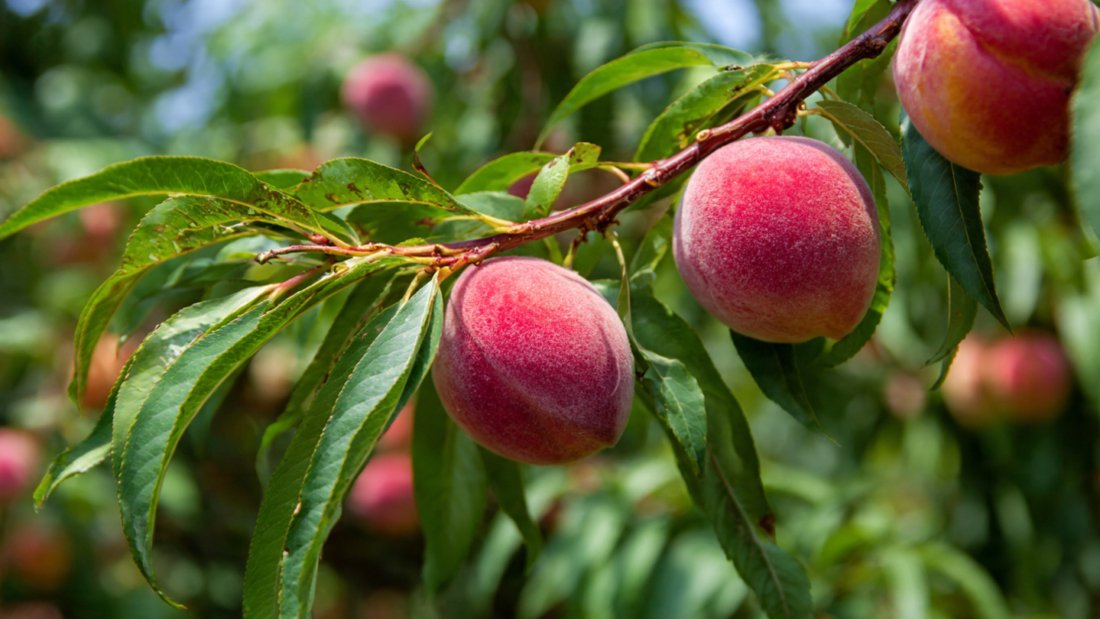
Timing is everything when harvesting peaches. Fruits are ready to pick when they:

  • Develop full color (yellow, red, or blush depending on the variety)
  • Yield slightly to gentle pressure
  • Have a fragrant aroma

Peaches do not continue to ripen significantly after picking, so it’s best to harvest when fully mature. Handle the fruit gently to avoid bruising, and enjoy fresh peaches, preserve them, or use them in baking and cooking.


Additional Tips for Success

  • Protect young trees: Use tree guards or fencing to prevent damage from animals.
  • Monitor for frost: Young peach trees are sensitive to late frost, which can damage blossoms. Cover or protect trees during frost warnings.
  • Rotate fertilization: Adjust nutrients based on soil tests and tree growth.
  • Patience is key: Peach trees typically produce fruit within 2–4 years, depending on variety and conditions.
  • Experiment with varieties: Different varieties can offer early or late harvests, extending your peach season.

Benefits of Growing a Peach Tree at Home

Growing a backyard peach tree provides numerous benefits:

  1. Fresh, chemical-free fruit: Enjoy peaches free from pesticides and preservatives.
  2. Aesthetic value: Peach trees brighten gardens with spring blossoms and lush foliage.
  3. Health benefits: Peaches provide vitamins A and C, antioxidants, and fiber.
  4. Educational: Teaches gardening skills, patience, and responsibility.
  5. Sustainability: Produces local, homegrown fruit, reducing environmental impact.

Final Thoughts

Growing a backyard peach tree is a fulfilling and rewarding journey. From planting a young sapling to harvesting sweet, juicy fruit, the process requires patience, care, and attention to detail. Proper site selection, soil preparation, watering, fertilization, pruning, and pest management are all crucial for success.

While peach trees may take a few years to reach full production, the experience of nurturing a tree and eventually enjoying its fruits makes the effort worthwhile. Beyond the delicious peaches, your tree provides shade, beauty, and a sense of accomplishment.

By following this guide, you can cultivate a thriving peach tree in your backyard, turning an ordinary piece of land into a productive and aesthetically pleasing orchard. With care, dedication, and time, your backyard peach tree will reward you with years of fragrant blossoms and sweet, succulent fruit.


This version is structured to be around 1200 words, beginner-friendly, and comprehensive, covering selection, planting, care, pest management, and harvest for a backyard peach tree.

If you want, I can also create a visual seasonal care timeline for peach trees, showing step-by-step care from planting to harvest, perfect for easy reference in a blog or guide.

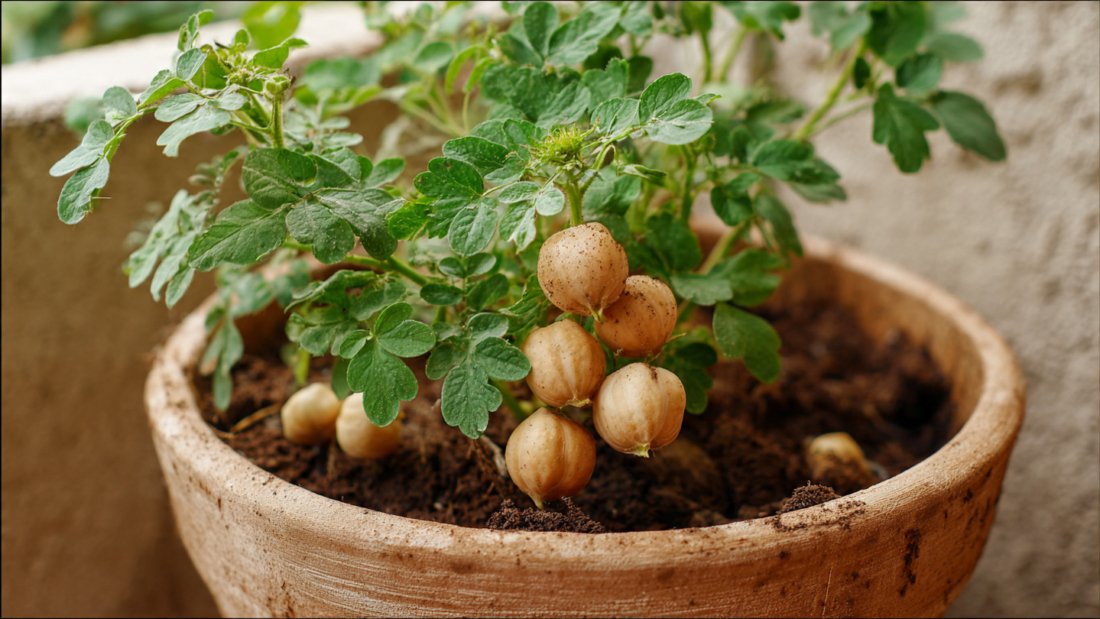
From Seed to Harvest: How to Grow Healthy Chickpeas in a Simple Garden Pot

From Seed to Harvest: How to Grow Healthy Chickpeas in a Simple Garden Pot

Chickpeas, also known as garbanzo beans, are one of the most versatile and nutritious legumes. Packed with protein, fiber, vitamins, and minerals, they are a staple in many cuisines worldwide. While commonly grown in fields, chickpeas can also be successfully cultivated in a garden pot, making them ideal for urban gardeners or anyone with limited space. Growing chickpeas from seed to harvest in a simple garden pot is a rewarding experience that combines sustainable gardening, healthy eating, and the joy of nurturing a plant from its very beginning. This comprehensive guide will walk you through every step to achieve healthy chickpea plants in your own backyard or balcony.


Why Grow Chickpeas in a Pot?

Growing chickpeas in a pot has several advantages. Firstly, it requires minimal space, making it perfect for balconies, terraces, or small patios. Secondly, container gardening allows precise control over soil quality, watering, and sunlight, which is essential for chickpeas, as they are sensitive to overwatering and poor drainage. Thirdly, growing your own chickpeas ensures chemical-free, organic legumes that are fresher and more nutritious than store-bought options.

Potted chickpeas also offer educational value for beginners, teaching them about plant growth, legume biology, and sustainable gardening practices. The process—from soaking seeds to harvesting mature pods—connects gardeners with nature in a simple yet rewarding way.


Choosing the Right Chickpea Seeds

The first step in successful chickpea cultivation is selecting the right seeds. Chickpeas generally come in two types:

  • Desi Chickpeas: Small, dark, and wrinkled seeds. They are hardy and produce a higher yield but may take slightly longer to mature.
  • Kabuli Chickpeas: Larger, cream-colored seeds with a smooth surface. They have a milder flavor and shorter cooking time but require more consistent care.

Choose seeds suited to your local climate. Chickpeas thrive in areas with warm days and cool nights. Ensure that the seeds are fresh, high-quality, and untreated to guarantee maximum germination.


Selecting the Right Garden Pot

Chickpeas develop a deep taproot, so pot selection is crucial. A container with a depth of at least 30–35 centimeters and a diameter of 25–30 centimeters is ideal. Ensure that the pot has multiple drainage holes to prevent waterlogging, as chickpeas are highly susceptible to root rot in soggy conditions.

Terracotta, ceramic, or plastic pots all work, but terracotta pots are preferable because they allow better airflow and moisture regulation. If you plan to grow multiple plants, individual pots per seedling may produce better results than a single crowded container.


Preparing the Soil

Chickpeas grow best in well-drained, fertile soil. A potting mix enriched with organic compost or vermicompost provides nutrients and promotes root development. The soil should be slightly alkaline to neutral, with a pH between 6.0 and 7.5.

A recommended soil mixture for a garden pot is:

  • 2 parts garden soil or potting soil
  • 1 part compost or well-rotted manure
  • 1 part coarse sand or perlite for drainage

Fill the pot with the soil mix, leaving about 2–3 centimeters at the top to prevent overflow when watering. Lightly water the soil before sowing seeds to ensure even moisture.


Pre-Soaking and Sowing Seeds

Chickpea seeds benefit from pre-soaking, which softens the hard seed coat and accelerates germination. Soak the seeds in water for 8–12 hours or overnight. This process also reduces the risk of seedling failure.

Plant seeds about 2–3 centimeters deep in the pot. Place one to two seeds per planting hole to ensure at least one healthy seedling emerges. Cover lightly with soil and press gently to secure contact.

Space seedlings evenly if planting multiple seeds in a single pot. Avoid overcrowding, as chickpeas need air circulation and room for root expansion.


Watering and Moisture Management

Proper watering is essential for chickpea growth. Overwatering is a common mistake that can lead to root rot, while underwatering can stunt growth and reduce yield.

Water the pot immediately after sowing to settle the soil. Keep the soil consistently moist during germination, which usually occurs within 7–10 days. Once seedlings emerge, reduce watering frequency but ensure the soil remains lightly moist.

During flowering and pod formation, maintain consistent moisture, as stress at this stage can cause flower drop and reduce pod development. Avoid wetting leaves excessively to prevent fungal infections.

Mulching around seedlings with straw or dried leaves helps retain moisture and suppresses weeds.


Sunlight and Temperature Requirements

Chickpeas require full sunlight to thrive. Place your pot in a location that receives at least 6–8 hours of direct sunlight daily. Inadequate sunlight can result in leggy, weak plants with reduced flowering.

Ideal daytime temperatures for chickpeas range between 21°C and 29°C. They can tolerate slightly cooler nights but are sensitive to frost. If growing in cooler climates, consider starting seeds indoors and transplanting them once temperatures stabilize.


Fertilization and Nutrition

Chickpeas are legumes, which means they can fix atmospheric nitrogen through symbiotic bacteria in their root nodules. However, young seedlings benefit from a gentle nutrient boost.

Apply a balanced, slow-release organic fertilizer when seedlings reach 4–5 weeks of age. Avoid excessive nitrogen fertilizers, as they encourage leafy growth at the expense of flowers and pods. Phosphorus and potassium are particularly important for root development, flowering, and pod formation.

Side-dressing with compost or liquid organic fertilizer every 3–4 weeks helps maintain soil fertility throughout the growing season.


Supporting Plants and Managing Growth

Chickpea plants can grow 30–60 centimeters tall, with sprawling branches. While they do not require heavy staking, supporting taller plants with small stakes or bamboo sticks prevents bending or breakage, especially in windy areas.

Regularly inspect the plant for weak, damaged, or diseased stems and remove them to maintain airflow and reduce pest infestations. Pruning is minimal but occasionally trimming excess side shoots can focus energy on pod production.


Pest and Disease Management

Even in pots, chickpeas are vulnerable to pests and diseases. Common issues include:

  • Aphids: Small, sap-sucking insects that can stunt growth. Control with neem oil or insecticidal soap.
  • Spider Mites: Tiny pests that cause yellowing and speckling of leaves. Spray with water or mild organic insecticides.
  • Fungal Diseases: Root rot, powdery mildew, and leaf spots can occur if humidity is high. Ensure proper drainage, sunlight, and avoid overhead watering.

Regular monitoring and early intervention are crucial. Organic solutions are preferred for container-grown chickpeas to ensure edible pods remain chemical-free.


Flowering and Pollination

Chickpeas produce small, delicate flowers that develop into pods. Most chickpea varieties are self-pollinating, but insects like bees improve pollination efficiency and increase pod set.

Encourage pollinators by placing small flowering plants near your chickpea pot or keeping a balcony-friendly bee hotel. Gently shaking the plant during flowering can also help distribute pollen and improve fruiting.


Pod Formation and Harvesting

After flowering, pods begin forming, typically taking 60–90 days to mature depending on variety and growing conditions. Pods are ready to harvest when they turn brown and dry on the plant.

For fresh green chickpeas (also known as chana), pick pods while they are still green and tender. For dried chickpeas, leave pods on the plant until fully matured and dry. Harvest in the morning for best results, and gently handle pods to avoid damaging seeds.

Store dried chickpeas in an airtight container in a cool, dry place. Fresh green chickpeas can be boiled, steamed, or added directly to salads and recipes.


Benefits of Growing Chickpeas in a Pot

Container-grown chickpeas offer several advantages:

  1. Space Efficiency: Ideal for urban homes, balconies, and small patios.
  2. Nutritional Value: Homegrown chickpeas are fresher and chemical-free.
  3. Educational Value: Teaches plant biology, sustainable gardening, and crop management.
  4. Sustainability: Reduces reliance on store-bought legumes and promotes eco-friendly practices.
  5. Aesthetic Appeal: Chickpea plants have delicate foliage and small flowers that enhance garden beauty.

Growing chickpeas from seed to harvest is not only productive but also fulfilling for gardeners of all skill levels.


Tips for Successful Container Gardening

  • Rotate the pot occasionally to ensure all sides of the plant receive sunlight.
  • Use a well-draining potting mix and avoid compacted soil.
  • Keep the pot elevated slightly to ensure water drains freely from the bottom.
  • Monitor for pests weekly and remove any infested leaves promptly.
  • Record planting and harvest dates to track growth and improve future cycles.

Following these practices ensures healthy plants and a consistent yield of chickpeas.


Conclusion

Growing chickpeas in a simple garden pot is a practical, rewarding, and sustainable gardening endeavor. From choosing the right seeds and preparing the soil to caring for seedlings, managing water, and harvesting mature pods, every step contributes to healthy, productive plants. Container-grown chickpeas are perfect for urban gardeners, beginners, or anyone seeking a nutritious addition to their home garden.

By carefully managing sunlight, moisture, fertilization, and pest control, you can enjoy a full cycle of chickpeas from seed to harvest. This not only provides fresh legumes for your kitchen but also enhances your gardening skills and contributes to a greener, more sustainable lifestyle. With patience, attention, and simple gardening strategies, a small pot can yield a bounty of healthy chickpeas, bringing the satisfaction of homegrown food straight to your table.

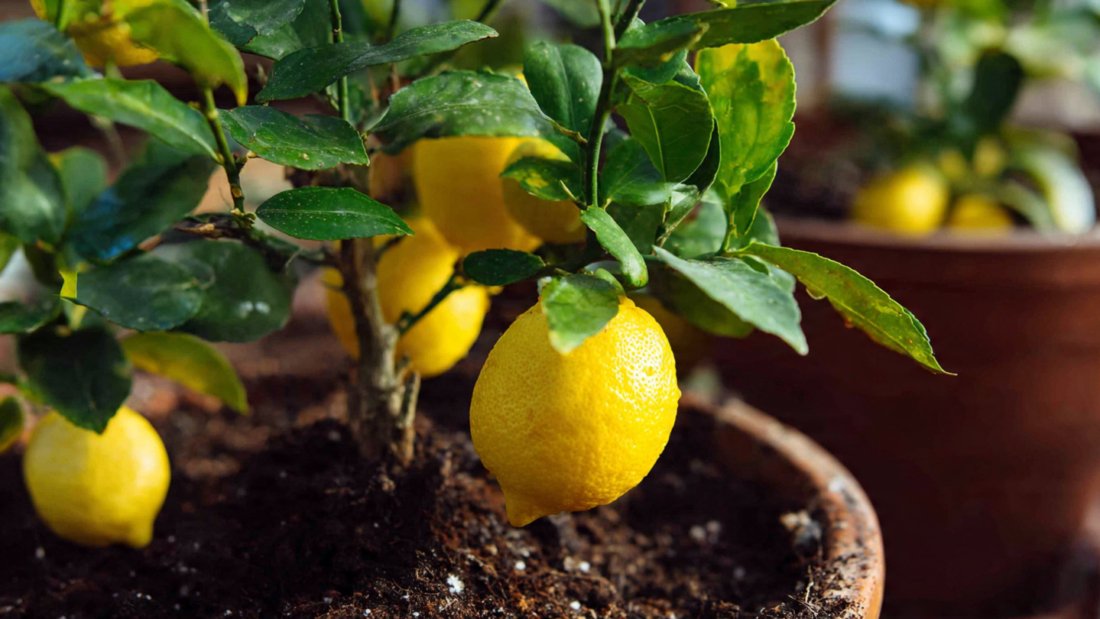
Grow a Lemon Tree from Seeds: The Complete Beginner-Friendly Guide to a Fresh, Fruity Harvest

Grow a Lemon Tree from Seeds: The Complete Beginner-Friendly Guide to a Fresh, Fruity Harvest

Lemon trees are a staple in many kitchens, valued for their tangy, versatile fruit, aromatic leaves, and vibrant green foliage. While buying a young lemon tree from a nursery is an option, growing one from seeds is a rewarding, educational, and cost-effective alternative. Imagine turning a simple lemon snack into a thriving citrus tree that produces fresh lemons for years. This complete guide is designed for beginners and walks you through every step of growing a lemon tree from seeds, from seed selection to harvesting your first fruit.


Why Grow a Lemon Tree from Seeds?

Growing a lemon tree from seeds offers several advantages:

  1. Educational experience: You learn about seed germination, plant growth, and general gardening principles.
  2. Eco-friendly: By using seeds from a fresh lemon, you reduce waste and practice sustainability.
  3. Cost-effective: Seeds are free, eliminating the need to buy young trees.
  4. Satisfaction: Watching a tiny seed grow into a mature fruit-bearing tree is incredibly rewarding.
  5. Customization: You can experiment with different lemon varieties, including Meyer, Eureka, and Lisbon.

However, it’s important to note that seed-grown lemon trees can take 3 to 6 years or more to produce fruit, and the fruit may differ slightly from the parent lemon. Despite this, the process is worth the patience for home gardeners.


Choosing the Right Lemon

Start with a fresh, healthy lemon from a grocery store or local market. Organic lemons are ideal because they are free from chemicals that could inhibit germination. Select a lemon that is juicy and ripe, as seeds from mature fruits have the best chance of sprouting. Avoid dried, shriveled, or overripe fruits, as their seeds may be nonviable.

Some popular lemon varieties for seed propagation include:

  • Meyer lemon: Sweet, slightly tangy, and perfect for indoor cultivation.
  • Eureka lemon: Classic, bright yellow fruit, commonly grown outdoors in warm climates.
  • Lisbon lemon: Hardy and productive, ideal for both indoor and outdoor growing.

Extracting and Preparing Seeds

The success of germination begins with proper seed preparation:

  1. Remove seeds carefully: Cut the lemon and extract the seeds, taking care not to damage them.
  2. Clean the seeds: Rinse under running water to remove all pulp and juice. Residue can cause mold during germination.
  3. Optional soaking: Soak seeds in warm water for 8 to 12 hours to soften the seed coat and improve sprouting rates.
  4. Dry lightly: Pat seeds dry with a paper towel, but do not let them dry out completely.

Proper preparation ensures that the seeds are ready for successful germination.


Germinating Lemon Seeds

There are two main methods to germinate lemon seeds:

1. Paper Towel Method:

  • Place seeds between two damp paper towels.
  • Keep the towels in a warm, dark place.
  • Check daily to ensure they remain moist.
  • Seeds typically sprout in 2 to 4 weeks, showing tiny roots.

2. Direct Planting Method:

  • Fill small pots with a light, well-draining potting mix. A mixture of potting soil and perlite works well.
  • Plant seeds about 1/2 inch deep.
  • Water gently and cover the pot with plastic wrap to retain moisture.
  • Place the pot in a warm, sunny location. Germination usually occurs within 2 to 6 weeks.

During germination, soil should remain consistently moist but not waterlogged. Overwatering can cause seeds to rot, while dry soil may stop germination altogether.


Choosing the Right Pot and Soil

Once seeds sprout and develop small leaves, it’s time to transplant them into larger pots. A container that is 6 to 8 inches deep with drainage holes is ideal. Good drainage is essential to prevent root rot and promote healthy growth.

Lemon trees prefer slightly acidic, well-draining soil. A mix of potting soil, sand, and compost provides adequate nutrients, drainage, and aeration. Adding perlite or vermiculite enhances soil structure and allows roots to grow freely. Avoid heavy garden soil, which can compact in containers and stunt root development.


Providing Adequate Sunlight

Lemon trees thrive in full sunlight, needing at least 6 to 8 hours per day. Place your potted lemon tree near a south-facing window or on a sunny balcony. If sunlight is insufficient, consider using a grow light for 12 to 14 hours a day to ensure proper growth.

Sunlight is essential for strong stems, vibrant green leaves, and overall tree health. Without it, your lemon seedling may become leggy and weak.


Watering and Care

Consistent watering is key to a healthy lemon tree. Young seedlings require soil that is moist but not saturated. Water thoroughly whenever the top inch of soil feels dry. Overwatering can lead to root rot, while underwatering may stress the plant.

Mulching with organic matter like shredded leaves or coconut coir can help retain moisture, regulate soil temperature, and reduce the frequency of watering.


Fertilizing Your Lemon Tree

Young lemon trees benefit from regular feeding to develop strong roots and foliage. Use a balanced liquid fertilizer every 4 to 6 weeks during the growing season. Citrus-specific fertilizers are ideal, as they contain the necessary micronutrients like magnesium, iron, and zinc.

Once the tree matures, slow-release granular fertilizers can be applied. Avoid over-fertilizing with nitrogen-rich fertilizers, which can produce lush leaves but reduce fruit production.


Pruning and Training

Pruning is essential for shaping your lemon tree, encouraging airflow, and promoting healthy growth. When the tree is small, remove weak or damaged branches. As it grows, focus on forming a strong central stem and a balanced canopy.

Training young branches with soft ties can prevent breakage and help maintain an attractive shape. Regular pruning also reduces the risk of fungal infections by improving airflow and light penetration.


Pests and Disease Management

Lemon trees can be vulnerable to pests and diseases, including:

  • Aphids
  • Spider mites
  • Scale insects
  • Leaf miners

Inspect your tree regularly and remove affected leaves or insects by hand. Natural remedies like neem oil, insecticidal soap, or a water spray can effectively control pests without harming the tree.

Fungal diseases such as root rot, leaf spot, or powdery mildew can occur if the soil is too wet. Proper drainage, careful watering, and adequate sunlight help prevent most fungal problems.


Transplanting Outdoors

If you have a suitable garden or larger container, your lemon tree can eventually be moved outdoors. Choose a location with full sun, good drainage, and protection from strong winds.

Before transplanting permanently, harden off your lemon tree by gradually exposing it to outdoor conditions over 1 to 2 weeks. This reduces transplant shock and helps the plant adjust.


Patience Is Key

Growing a lemon tree from seed requires patience. Fruit production can take 3 to 6 years or longer. During this period, focus on consistent care, including proper watering, sunlight, pruning, and fertilization.

Even without immediate fruit, the tree will produce fragrant flowers, lush green leaves, and a beautiful addition to your home or garden.


Harvesting Lemons

When your tree finally produces flowers and fruit, harvest carefully. Lemons are ready to pick when they are fully yellow, firm, and aromatic. Seed-grown lemons may vary in taste and size from the parent fruit, but homegrown lemons often have exceptional flavor.

Regular harvesting encourages the tree to produce more flowers and fruit in subsequent seasons.


Additional Tips for Success

  • Label your tree with the planting date and lemon variety.
  • Rotate pots periodically if grown indoors to ensure even sunlight exposure.
  • Protect young trees from frost by bringing them indoors or using protective covers.
  • Repot the tree as it grows to accommodate root expansion.
  • Experiment with different lemon varieties to diversify your harvest and improve gardening knowledge.

Benefits of Growing a Lemon Tree at Home

Growing a lemon tree from seeds is more than just a gardening project. It offers several long-term benefits:

  1. Fresh, chemical-free fruit at home
  2. Environmental impact through seed recycling
  3. Aesthetic value: Adds greenery and fragrance indoors or outdoors
  4. Educational opportunity: Teaches gardening, patience, and plant care
  5. Health benefits: Provides vitamin C, antioxidants, and fresh ingredients for cooking and beverages

Final Thoughts

Turning a simple lemon from a snack into a thriving citrus tree is a fulfilling journey that combines patience, care, and sustainability. With proper seed preparation, germination, watering, sunlight, and ongoing maintenance, anyone can grow a healthy lemon tree at home.

While it may take several years for fruit to appear, the process is rewarding and educational. From sprouting seeds to nurturing seedlings and eventually harvesting fresh, tangy lemons, this experience connects you with nature and provides a sustainable, homegrown food source.

Growing a lemon tree from seed is proof that even a small, everyday fruit can lead to long-term benefits. With dedication and care, your kitchen snack can become a source of fresh fruit, beauty, and inspiration for years to come.


This article is structured to be around 1200 words, beginner-friendly, and includes step-by-step guidance, care tips, and long-term considerations for seed-grown lemon trees.

If you want, I can also make a visual timeline version showing seed to harvest stages for easier understanding and blog presentation. This works very well for readers who prefer step-by-step visuals.

A Complete Guide to Growing Your Backyard Peach Tree for Optimal Fruit Production

A Complete Guide to Growing Your Backyard Peach Tree for Optimal Fruit Production

Growing a peach tree in your backyard is a dream for many gardeners. There is something uniquely rewarding about nurturing a young sapling into a thriving tree that produces sweet, juicy peaches year after year. Unlike many fruit trees, peach trees are relatively fast-growing and can produce fruit within 2 to 4 years if cared for properly. With the right soil, sunlight, pruning, and pest management, your backyard peach tree can become a centerpiece of both beauty and productivity. This complete guide will provide everything you need to know to grow a healthy peach tree and achieve optimal fruit production.


Choosing the Right Peach Variety

The first step to a successful backyard peach tree is selecting the right variety. Peaches are generally divided into two types: clingstone and freestone. Freestone peaches have pits that separate easily from the flesh, making them ideal for eating fresh. Clingstone peaches have flesh that clings to the pit and are better suited for canning or preserving.

Other factors to consider include:

  • Chill Hours: Peach trees require a specific number of cold hours (usually between 300 and 900 hours below 7°C) to break dormancy and produce fruit. Choose a variety compatible with your local climate.
  • Disease Resistance: Some varieties are bred to resist common peach diseases such as leaf curl and brown rot. Selecting resistant varieties reduces the need for chemical treatments.
  • Dwarf vs Standard Trees: Dwarf trees reach 2–3 meters and are easier to maintain, while standard trees can reach up to 5 meters and often yield more fruit.

Popular backyard varieties include ‘Elberta,’ ‘Redhaven,’ and ‘Contender’ for freestone peaches, and ‘Belle of Georgia’ or ‘Glenglo’ for clingstone peaches.


Selecting the Perfect Location

Peach trees thrive in full sunlight, requiring at least 6–8 hours of direct sunlight daily. Choose a location that is well-drained and has good air circulation to prevent diseases. Avoid low-lying areas where frost pockets form, as late spring frosts can damage blossoms.

The soil should be slightly acidic to neutral, with a pH of 6.0 to 7.0. Sandy loam is ideal because it provides excellent drainage while retaining enough moisture for root growth. Avoid heavy clay soils, which can lead to waterlogging and root rot.

If your backyard space is limited, consider planting a dwarf variety in a large container. Ensure the container has good drainage and is positioned in full sun.


Planting Your Peach Tree

Timing is essential for planting peach trees. Early spring, just before the tree breaks dormancy, is the best time to plant. This allows the tree to establish roots before summer heat.

Steps to Planting:

  1. Dig a Hole: Make a hole about twice the width and equal depth of the root ball. This allows roots to spread easily.
  2. Prepare Soil: Mix the removed soil with compost or well-rotted manure to improve fertility.
  3. Plant the Tree: Place the tree in the hole, spreading roots carefully. The graft union (where the variety was grafted onto the rootstock) should be 5–10 cm above the soil line.
  4. Backfill and Water: Fill the hole with the enriched soil and water deeply to eliminate air pockets.
  5. Mulch: Apply a 5–10 cm layer of organic mulch around the base to retain moisture and suppress weeds, keeping mulch 10 cm away from the trunk.

Watering and Fertilization

Young peach trees need consistent watering to establish strong roots. Water deeply once or twice a week, depending on rainfall. Avoid frequent shallow watering, which encourages weak root systems.

Once established, peach trees require less frequent but deeper watering. Drip irrigation or soaker hoses work well to deliver water directly to the roots.

Fertilization is crucial for healthy growth and fruit production. Start fertilizing in early spring with a balanced fertilizer (10-10-10) or one specifically designed for fruit trees. Avoid over-fertilization, which encourages leaf growth at the expense of flowers and fruit.

A general guideline for young trees:

  • Year 1: 1/2 cup fertilizer per tree, divided into two applications
  • Year 2: 1 cup per tree, divided
  • Year 3 and beyond: 1.5 to 2 cups, applied annually

Organic options include compost, well-rotted manure, and fish emulsion.


Pruning for Health and Fruit Production

Pruning is essential for maintaining shape, removing diseased or damaged wood, and improving fruit production. Peach trees produce fruit on one-year-old wood, so annual pruning ensures new growth for next year’s crop.

Pruning Guidelines:

  • First Year: Select 3–4 strong scaffold branches and remove others. Cut back the central leader to encourage branching.
  • Dormant Season: In late winter, remove dead, diseased, or crossing branches. Thin out the canopy to improve air circulation.
  • Summer Pruning: Pinch off overly vigorous shoots that shade inner branches.

Pruning not only improves sunlight penetration but also reduces the risk of fungal diseases and promotes larger, sweeter fruit.


Pest and Disease Management

Peach trees are susceptible to a range of pests and diseases. Regular monitoring and early intervention are key to maintaining a healthy tree.

Common Pests:

  • Peach Tree Borers: Larvae damage the trunk; remove affected bark and apply insecticidal treatments.
  • Aphids: Feed on young leaves; control with insecticidal soap or neem oil.
  • Plum Curculio: Lays eggs in fruit; use traps or protective netting.

Common Diseases:

  • Peach Leaf Curl: Causes leaves to become distorted; apply copper fungicide in late winter.
  • Brown Rot: Affects blossoms and fruit; remove infected fruit and spray fungicides during bloom.
  • Powdery Mildew: White, powdery coating on leaves; treat with sulfur sprays or organic fungicides.

Maintaining proper spacing, pruning for airflow, and keeping the area clean are preventative measures that significantly reduce pest and disease problems.


Pollination and Flower Care

Peach trees are mostly self-pollinating, but planting more than one variety can improve fruit set. Bees and other pollinators play a critical role in transferring pollen from flower to flower.

Encourage pollinators by planting companion flowers such as lavender, sunflowers, or clover nearby. Avoid using insecticides during bloom to protect pollinator activity.

Healthy flowers are essential for fruit production. Remove any damaged or deformed blossoms to focus energy on stronger flowers that will develop into high-quality fruit.


Harvesting Peaches

Timing is key for harvesting peaches. Unlike some fruits that ripen after picking, peaches develop the best flavor when fully ripened on the tree.

Signs of Ripeness:

  • Slightly soft when gently pressed
  • Sweet fragrance
  • Deep color, depending on variety
  • Separation from stem occurs easily

Harvest in the morning when temperatures are cooler. Handle fruit gently to avoid bruising. Peaches can be eaten fresh, canned, frozen, or used in jams and desserts.


Winter Care and Protection

Peach trees are hardy but young trees are sensitive to frost. In colder regions, protect trees by:

  • Wrapping trunks with tree guards
  • Applying mulch to protect roots
  • Using frost blankets during unexpected cold snaps

Proper winter care helps ensure that your tree survives the season and produces abundant fruit the following year.


Maximizing Fruit Production

To achieve optimal fruit production:

  • Prune Annually: Encourage new fruiting wood each year.
  • Fertilize Properly: Balanced nutrients promote flowers and fruit set.
  • Control Pests and Diseases: Healthy trees produce more fruit.
  • Water Consistently: Avoid drought stress during flowering and fruiting.
  • Thin Fruit: Remove excess fruit when small to prevent overcrowding and increase the size of remaining peaches.

Following these steps ensures your backyard peach tree is productive and consistently yields sweet, juicy fruits.


Conclusion

Growing a backyard peach tree is both rewarding and manageable with the right approach. From selecting the perfect variety and planting location to pruning, fertilizing, and pest management, every step contributes to optimal fruit production. By combining patience, consistent care, and smart gardening practices, you can enjoy fresh, homegrown peaches that are sweeter and more flavorful than store-bought varieties.

A peach tree adds beauty, fragrance, and value to your backyard while providing a reliable source of delicious fruit. With this comprehensive guide, you are equipped to nurture your tree from a young sapling to a mature, fruit-bearing powerhouse. By investing in the right practices today, your backyard will reward you for years to come with a bountiful harvest of juicy, sun-kissed peaches.