How to Make Neem Oil Spray to Protect Plants Naturally

How to Make Neem Oil Spray to Protect Plants Naturally

Neem oil has become one of the most popular natural solutions for gardeners who want to protect their plants without resorting to harmful chemicals. Whether you’re dealing with aphids, whiteflies, mites, mealybugs, scale insects, fungus gnats, or fungal issues like powdery mildew, neem oil is one of the most powerful, versatile, and eco-friendly tools in organic gardening.

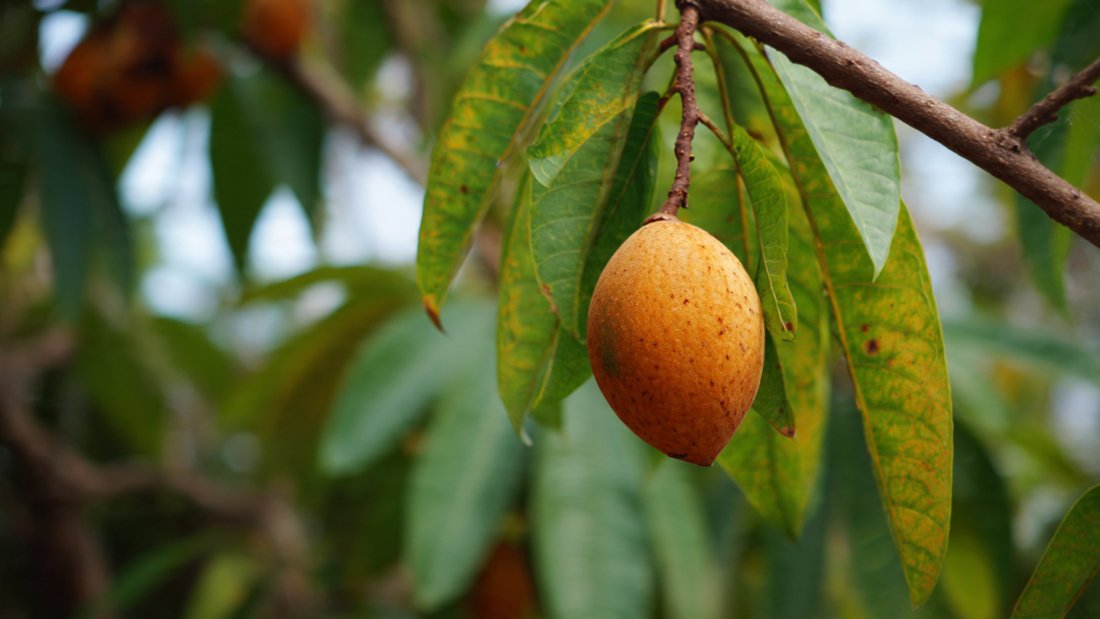
Derived from the seeds of the neem tree (Azadirachta indica), neem oil has been used for centuries in traditional farming systems in India and other tropical regions. Today, gardeners around the world rely on its insect-repelling and antifungal properties to keep plants healthy—all without harming beneficial insects, pollinators, pets, or the environment.

If you’re looking to protect your plants naturally, learning how to make neem oil spray at home is essential. In this article, you’ll discover what neem oil is, how it works, how to prepare the perfect spray, how to apply it safely, and the best ways to use it for long-term plant protection.


What Is Neem Oil and Why Is It So Effective?

Neem oil is a natural plant extract that comes from neem tree seeds. It is rich in a compound called azadirachtin, which makes it a powerful pest repellent and insect growth regulator. Instead of killing beneficial insects—like bees, ladybugs, and butterflies—neem oil primarily targets harmful pests.

How Neem Oil Works

Neem oil works in several ways:

  • Repels insects before they feed
  • Disrupts growth and molting cycles of pests
  • Prevents reproduction, reducing future outbreaks
  • Coats pests, causing them to suffocate
  • Stops fungal growth, especially powdery mildew

Because neem oil interrupts many stages of pest development, it provides long-lasting protection when used properly.


Why Gardeners Prefer Neem Oil Over Chemical Pesticides

Many gardeners choose neem oil because it is:

  • Organic and biodegradable
  • Safe for edible plants
  • Non-toxic to humans and pets
  • Gentle on beneficial insects (when applied correctly)
  • Effective against a broad range of pests
  • Affordable and easy to use

Unlike chemical pesticides, neem oil does not pollute soil or water and does not leave harmful residues on fruits and vegetables.


What You Need to Make Neem Oil Spray

Preparing neem oil spray at home is simple, but the right ingredients make all the difference.

Ingredients

  • Cold-pressed 100% pure neem oil (unrefined)
  • Mild liquid soap or insecticidal soap
  • Warm water

Tools

  • A clean spray bottle or garden sprayer
  • A small container for mixing
  • A spoon or small whisk

Using cold-pressed neem oil is important because it contains the highest concentration of active compounds. Avoid products labeled “clarified hydrophobic extract”—they are less effective.


How to Make Neem Oil Spray (Perfect Ratio)

A standard neem oil spray ratio is:

  • 1 liter of warm water
  • 1 teaspoon mild liquid soap
  • 1–2 teaspoons cold-pressed neem oil

Step-by-Step Instructions

1. Start with warm water

Neem oil mixes better with warm water. Fill your spray bottle with lukewarm water.

2. Add liquid soap

Soap acts as an emulsifier, helping oil mix with water. Without soap, the oil will float on top and not blend properly.

Stir gently to dissolve.

3. Add neem oil

Pour in 1–2 teaspoons of neem oil.

  • Use 1 teaspoon for maintenance sprays.
  • Use 2 teaspoons for severe infestations.

4. Mix well

Shake the bottle vigorously until the mixture becomes slightly cloudy and fully blended.

5. Use immediately

Neem oil breaks down quickly, so make only what you need for one session.


How to Apply Neem Oil Spray Correctly

Using neem oil the right way ensures maximum effectiveness without harming your plants.

1. Spray in the early morning or late evening

Direct sunlight can burn leaves when combined with oil. Evening is best—it also allows the oil to work longer.

2. Cover all parts of the plant

Spray thoroughly:

  • Tops of leaves
  • Undersides (where most pests hide)
  • Stems
  • Soil surface (for fungus gnats)

3. Repeat applications

Neem oil works gradually, not instantly. For best results:

  • Spray every 7 days for prevention
  • Spray every 3–4 days for active infestations

4. Avoid spraying flowering blooms

This helps protect pollinators like bees and butterflies.

5. Don’t spray stressed plants

Avoid using neem oil on:

  • Wilting plants
  • Very young seedlings
  • Plants in extreme heat

Neem oil can add extra stress to already weakened plants.


Pests and Diseases Neem Oil Can Control

Neem oil is highly effective against a wide variety of garden pests and plant diseases.

Common pests it repels or kills:

  • Aphids
  • Whiteflies
  • Spider mites
  • Mealybugs
  • Scale insects
  • Leaf miners
  • Thrips
  • Caterpillars
  • Beetles

Diseases neem oil helps prevent:

  • Powdery mildew
  • Rust
  • Black spot
  • Leaf spot
  • Blight (mild cases)

Because neem oil targets both insects and fungi, it’s one of the most versatile organic gardening treatments available.


When NOT to Use Neem Oil

While neem oil is safe, there are times when it should not be used.

Avoid spraying:

  • During hot sunny days (leads to leaf burn)
  • On plants with fuzzy or waxy leaves (like some succulents)
  • On seedlings under 2 weeks old
  • Right before harvest (wait at least 48 hours)

If unsure, always test spray a small leaf first.


How Neem Oil Protects Edible Plants

One of the biggest reasons gardeners love neem oil is that it’s safe for vegetables, fruits, herbs, and edible flowers. When applied correctly, it leaves no harmful residue and breaks down naturally within 24 hours.

You can safely use neem oil on plants like:

  • Tomatoes
  • Peppers
  • Cucumbers
  • Lettuce
  • Spinach
  • Fruit trees
  • Mint and basil
  • Strawberries
  • Beans and peas

Just remember to wash produce before eating—something you’d do anyway.


Neem Oil Soil Drench for Root Pests

Neem oil isn’t only for leaves—you can also use it to protect plant roots from soil pests like fungus gnats and root mealybugs.

Neem Soil Drench Recipe

  • 1 liter of water
  • 1 teaspoon neem oil
  • ½ teaspoon soap

Mix well and pour slowly at the base of the plant. Repeat every 3 weeks. This strengthens the plant’s internal defense system and kills larval pests in the soil.


Neem Oil vs. Other Natural Sprays

You may wonder how neem oil compares to other homemade sprays. Here’s a quick comparison:

Natural SprayBest ForStrengthNotes
Neem OilMost pests + fungi★★★★★Long-lasting protection
Soap SpraySoft-bodied insects★★★★Quick kill
Garlic SprayRepelling pests★★★Low toxicity
Chili SprayChewing bugs★★★★Strong deterrent
Vinegar SprayAnts + mildew★★★Can burn leaves
Essential Oil SprayMild pests★★★Good for prevention

Neem oil stands out for combining repellent, insecticidal, and antifungal properties in one spray.


Tips for Getting the Most Out of Neem Oil

To maximize its effectiveness, keep these tips in mind:

1. Shake frequently

Oil separates quickly—shake every few minutes while spraying.

2. Store neem oil properly

Keep the bottle in a cool, dark place. Heat and sunlight reduce its strength.

3. Keep plants healthy

Even neem oil works better when plants are well-watered, fertilized, and pruned.

4. Rotate with other sprays

Using neem oil too often can cause pests to adapt. Alternate with soap spray or garlic spray if needed.


Final Thoughts

Neem oil is one of the most valuable natural tools any gardener can have. It’s safe, organic, affordable, and effective against many common pests and diseases that threaten your plants. Learning how to make neem oil spray at home ensures you always have a reliable solution ready when pests strike.

Whether you’re growing vegetables, fruit trees, flowers, herbs, or houseplants, neem oil provides a gentle but powerful defense—helping your garden thrive the natural way. Start using neem oil spray today and enjoy healthier, stronger, pest-free plants all season long!

5 Eco-Friendly Ways to Keep Slugs Out of Your Garden Beds

5 Eco-Friendly Ways to Keep Slugs Out of Your Garden Beds

Slugs may look slow and harmless, but they can destroy an entire garden bed before you even realize what’s happening. These nocturnal feeders chew through tender seedlings, leafy greens, strawberries, hostas, and many ornamental plants. Gardeners often wake up to shredded leaves and disappearing plants, wondering what went wrong.

Chemical slug pellets may promise quick results, but they also bring risks—harmful to pets, wildlife, soil health, and even beneficial insects. Thankfully, you don’t need toxic chemicals to protect your garden. There are several eco-friendly, safe, and highly effective ways to keep slugs away from your garden beds while maintaining a balanced ecosystem.

In this article, we’ll explore five eco-friendly slug control methods that work naturally, helping you maintain a thriving garden without harming other living creatures.


Understanding Why Slugs Invade Your Garden

Before jumping into solutions, it helps to understand why slugs are drawn to certain plants and areas.

Common reasons slugs invade gardens:

  • Moist, shady, and cool environments
  • Dense mulch or plant debris for hiding
  • Overwatered soil
  • Tender young plants and soft leaves
  • Wet weather or frequent irrigation

Slugs thrive in damp conditions, which means gardens with poor drainage or heavy mulch layers are especially vulnerable. Once they settle in, they feed at night and hide during the day beneath pots, rocks, boards, or leaf litter.

The key to controlling slugs is to disrupt their habitat and make your garden a place they don’t want to stay.


1. Use Barriers That Slugs Don’t Like to Cross

One of the easiest and most effective eco-friendly methods is creating physical barriers. Slugs move using a layer of slime, and certain textures make that process uncomfortable or impossible.

Common natural slug barriers include:

  • Crushed eggshells
  • Diatomaceous earth (DE)
  • Coffee grounds
  • Pine needles
  • Crushed oyster shells
  • Gritty sand

These materials have sharp, coarse, or abrasive textures that deter slugs naturally.

How to Apply Them

Sprinkle a thick, unbroken ring around:

  • Garden beds
  • Seedlings
  • Potted plants
  • Vulnerable plants like lettuce and hostas

Ensure the barrier stays dry—moisture reduces its effectiveness. Replace after rain or watering.

Why This Works

Slugs avoid sharp or uncomfortable surfaces because they damage their soft bodies. This makes barriers a gentle but effective way to keep them away.


2. Attract Natural Predators to Maintain Balance

Encouraging natural predators is one of the most sustainable ways to manage slug populations. Instead of trying to eliminate slugs entirely, let nature help you keep them in control.

Predators that feed on slugs include:

  • Frogs and toads
  • Ground beetles
  • Birds (especially thrushes and blackbirds)
  • Ducks
  • Chickens
  • Lizards

How to Attract Slug Predators

Build a Frog- or Toad-Friendly Environment

  • Add a small pond or water dish
  • Provide hiding spaces using logs, rocks, or clay pots
  • Avoid chemical pesticides that harm amphibians

Add Bird-Friendly Features

  • Install bird feeders
  • Provide shallow water baths
  • Plant shrubs that offer shelter

Encourage Ground Beetles

  • Create beetle habitats using leaf piles or stones
  • Avoid using synthetic insecticides

Why This Works

Natural predators keep slug populations balanced without disrupting the ecosystem. The more biodiversity your garden supports, the fewer pest problems you’ll face overall.


3. Use Beer Traps or Yeast Traps to Reduce Slug Numbers

Beer traps have been used for decades as an organic method to capture and kill slugs. They’re simple, inexpensive, and highly effective when used correctly.

How Beer Traps Work

Slugs are attracted to the smell of yeast and sugars. When they crawl into the beer, they fall in and drown.

How to Set Up Beer Traps

  • Take a shallow container (yogurt cups work well)
  • Dig it into the soil so the rim is level with the ground
  • Fill the container halfway with beer or a yeast-water mixture
  • Place traps every 3–6 feet in high slug activity areas

Yeast-Water Solution Recipe

If you don’t want to use beer, mix:

  • 1 cup warm water
  • 1 teaspoon sugar
  • ½ teaspoon active dry yeast

Let it sit for 15 minutes before using.

When to Replace Traps

Every 2–3 days or after rain.

Why This Works

The yeast scent is irresistible to slugs, and once inside the trap, they can’t escape. This method reduces slug populations naturally without harming other creatures.


4. Keep Your Garden Dry and Reduce Hiding Spots

Creating an environment that slugs dislike is one of the most effective long-term solutions.

Steps to Reduce Moisture:

Water in the Morning

Evening watering keeps the garden damp overnight — prime time for slug feeding. Morning watering dries out the soil before nightfall.

Use Drip Irrigation

Keeps foliage dry and reduces overall moisture, discouraging slug activity.

Improve Drainage

Add compost, sand, or raised beds to prevent waterlogging.

Remove Hiding Spots

Slugs hide in cool, damp places during the day. Remove:

  • Dense mulch layers
  • Tall weeds
  • Boards, stones, and yard debris
  • Old pots or trays
  • Overgrown plants touching the soil

Trim Lower Leaves

Plants with leaves touching the ground create easy access points for slugs.

Why This Works

Slugs need moisture to survive. By removing their hiding places and reducing dampness, you make your garden much less appealing to them.


5. Use Copper Tape or Copper Barriers to Repel Slugs

Copper is one of the most effective eco-friendly slug deterrents because it naturally repels slugs without harming plants or beneficial wildlife.

How Copper Repels Slugs

When a slug touches copper, it reacts with its slime, creating a mild electric charge. This sensation is unpleasant, so slugs avoid crossing copper surfaces.

Where to Use Copper Barriers

  • Around raised garden beds
  • Around pots and planters
  • Along greenhouse doors or garden edges
  • Around tree trunks
  • Around individual plants using copper mesh

Types of Copper Products

  • Copper tape (most common)
  • Copper bands
  • Copper mesh
  • Copper rings

Tips for Best Results

  • Clean copper regularly—it loses effectiveness when oxidized
  • Ensure there are no gaps
  • Install before planting for maximum protection

Why This Works

Copper provides long-lasting, chemical-free protection and is safe for children, pets, and wildlife.


Bonus Eco-Friendly Methods That Also Help

While the five main methods above are highly effective, these extra tips can boost your slug defense:

Plant Slug-Resistant Varieties

Some plants slugs avoid include:

  • Lavender
  • Rosemary
  • Sage
  • Ferns
  • Foxgloves
  • Geraniums
  • Ornamental grasses

Sacrificial Plants

Plant lettuce or marigolds away from garden beds to lure slugs elsewhere.

Use Coffee Grounds

Caffeine is toxic to slugs and helps deter them naturally.

Sprinkle Seaweed Mulch

Dries quickly and has sharp edges that slugs dislike.

Encourage Healthy Plant Growth

Strong plants survive slug damage better than weak ones.


Why Eco-Friendly Methods Work Best

Unlike chemical slug pellets, the eco-friendly methods discussed here do not harm:

  • Pets
  • Birds
  • Bees
  • Earthworms
  • Soil bacteria
  • Other beneficial garden creatures

They also help build a healthier, more balanced garden ecosystem. Over time, natural slug predators become more common, soil improves, and pest populations stabilize on their own.


Final Thoughts

Slugs may be persistent, but you don’t need harsh chemicals to protect your garden. By using these five eco-friendly methods—barriers, natural predators, beer traps, moisture control, and copper—you can keep slugs away while preserving the health of your garden and the surrounding environment.

Organic slug control is not just about solving a pest problem; it’s about working with nature instead of against it. When you create a balanced ecosystem, your plants grow stronger, your garden becomes healthier, and slug damage becomes far less severe.

Try combining two or three of these methods for best results, and enjoy a thriving, vibrant, slug-free garden bed—naturally!

How to Use Coffee Grounds to Deter Garden Pests Naturally: A Complete 1200-Word Guide

How to Use Coffee Grounds to Deter Garden Pests Naturally: A Complete 1200-Word Guide

Keeping your garden healthy and pest-free doesn’t always require chemical sprays or expensive treatments. Sometimes, the best solutions are already sitting in your kitchen! Coffee grounds are one of the most popular natural pest deterrents among organic gardeners. They’re free, earth-friendly, and surprisingly effective when used correctly. If you’ve been tossing your used coffee grounds into the trash, you’re missing out on a powerful tool that can help protect your plants while improving your soil.

In this complete guide, you’ll learn why coffee grounds work, which pests they repel, and how to use them safely and effectively in your garden.


Why Coffee Grounds Work as a Pest Deterrent

Used coffee grounds offer a combination of properties that make pests think twice before entering your garden:

1. Strong Scent

Many insects and animals dislike the strong, bitter smell of coffee. When grounds are sprinkled around plants, they create a scent barrier that pests avoid.

2. Abrasive Texture

Coffee grounds have a slightly gritty feel. This texture is irritating to soft-bodied pests like slugs, snails, and some caterpillars.

3. Chemical Compounds

Coffee contains caffeine and diterpenes—naturally occurring chemicals that help protect coffee plants from insects. These compounds can deter harmful pests when applied to the soil surface.

4. Soil Benefits

In addition to pest control, coffee grounds improve soil structure, boost microbial activity, and add small amounts of nitrogen—all of which support stronger, more pest-resistant plants.


Which Garden Pests Coffee Grounds Can Help Repel

While coffee grounds aren’t a cure-all, they can help reduce the presence of several common pests:

1. Slugs and Snails

These soft-bodied creatures avoid crawling over gritty, abrasive textures—making coffee grounds an effective natural barrier around vulnerable plants.

2. Ants

Ants dislike strong scents, and many gardeners report that coffee grounds help break ant trails or discourage colony activity.

3. Aphids

The strong smell and natural chemicals in coffee can make aphids less likely to attack tender new plant growth.

4. Cats (as garden intruders)

If neighborhood cats treat your garden like a litter box, coffee grounds can discourage them. Cats dislike the smell and will avoid treated areas.

5. Mosquitoes

When coffee grounds are burned (outdoors only), they can help repel mosquitoes with their smoke aroma.

6. Beetles

Some beetle species avoid caffeine-rich areas.


How to Use Coffee Grounds to Deter Garden Pests: 6 Effective Methods

Let’s explore the smartest and safest ways to put your spent coffee grounds to work in the garden.


1. Sprinkle Coffee Grounds Around Plant Bases

This is the simplest and most common method.

How to Do It:

  • Spread used, dried coffee grounds in a thin ring around your plants.
  • Keep the layer light—about ½ inch deep.
  • Reapply after heavy rain.

Best For:

Slugs, snails, ants, and general pest prevention.

Tip:

Always dry the grounds before applying. Wet coffee grounds can clump and grow mold.


2. Mix Coffee Grounds Lightly Into the Soil

When incorporated into garden soil, coffee grounds deter pests while improving soil texture and drainage.

How to Do It:

  • Mix 1 part dried grounds with 3 parts soil or compost.
  • Avoid adding more than 10–15% coffee grounds to the planting area.

Best For:

Aphid prevention and boosting plant vigor.

Good for:

Vegetables, herbs, roses, and ornamentals.


3. Create a Coffee Ground and Citrus Barrier

Citrus peels (orange, lemon, lime) also repel pests. Combine them with coffee for double the power.

How to Do It:

  • Scatter coffee grounds and small citrus peel pieces around beds.
  • Refresh weekly.

Best For:

Cats, slugs, beetles, and ants.

Why It Works:

Citrus + coffee = a strong scent pests avoid.


4. Use Coffee Grounds as an Ingredient in Compost Tea

Compost tea brewed with coffee grounds can be sprayed onto plants to reduce aphid infestations.

How to Do It:

  • Add 1–2 cups of used coffee grounds to a 5-gallon compost tea brew.
  • Let steep 24–48 hours.
  • Strain and spray onto plant leaves.

Best For:

Aphids, mites, and soft-bodied insects.

Note:

Do not spray too often—once every 2–3 weeks is plenty.


5. Burn Coffee Grounds to Repel Mosquitoes (Outdoor Use Only)

Burning used coffee grounds safely produces a smoke that mosquitoes avoid.

How to Do It:

  • Place dry coffee grounds in a heat-safe bowl.
  • Ignite gently until they smolder.
  • Place near outdoor seating areas.

Best For:

Mosquito control during outdoor events.

Warning:

Never burn indoors. Ensure proper ventilation.


6. Add Coffee Grounds to Your Mulch Mix

Mulch made with a small amount of coffee grounds can repel pests and boost soil health.

How to Do It:

  • Mix dried coffee grounds into mulch at a ratio of 1:4.
  • Spread evenly around plants.

Best For:

Reducing slugs, beetles, and ants while improving moisture retention.


☕ Common Mistakes to Avoid When Using Coffee Grounds

While coffee grounds are helpful, using them the wrong way can harm plants. Avoid these mistakes:

Using Thick Layers

This can compact into a mat that blocks water.

Using Undried Grounds

Wet grounds can lead to molds and fungus.

Overusing Coffee Grounds

Too much can make soil overly acidic (not ideal for most veggies).

Using Fresh, Unused Grounds

Unused grounds are more acidic than used ones. Stick to brewed grounds unless your plant specifically loves acidic soil (like blueberries or hydrangeas).


Plants That Love Coffee Grounds

Coffee grounds can be especially beneficial to:

  • Roses
  • Tomatoes
  • Carrots
  • Radishes
  • Azaleas
  • Blueberries
  • Hydrangeas (for blue blooms)

These plants appreciate nitrogen-rich amendments and will benefit from the soil improvement coffee provides.


Plants That Don’t Do Well with Coffee Grounds

Avoid using them around:

  • Seedlings (too strong)
  • Brassicas (cabbage, kale, broccoli)
  • Geraniums
  • Alfalfa

Coffee grounds can stunt growth in sensitive plants if used too heavily.


Final Thoughts: A Simple, Eco-Friendly Solution for Garden Pests

Coffee grounds are one of the easiest, most sustainable ways to keep pests away from your garden. Whether you’re dealing with slugs, ants, aphids, mosquitoes, or just want healthier soil, this kitchen waste product can make a big difference when used correctly.

The best part?
You’re reusing something you already have—saving money while supporting a healthier garden ecosystem.

So tomorrow morning, don’t throw your coffee grounds away.