Meteorologists across the United States are closely monitoring a developing weather pattern being called a “cold dome,” which could bring unusually severe frost conditions to parts of the country in early February. This meteorological phenomenon has raised concerns among farmers, gardeners, and urban residents alike, as it has the potential to exacerbate winter frost damage and affect crops, plants, and daily life. Understanding the mechanics of a cold dome, its potential impacts, and what communities can do to prepare is critical in mitigating its effects.
What Is a Cold Dome?
A cold dome is a large, stable air mass characterized by extremely cold, dense air that settles near the surface and is capped by a layer of warmer air above. This creates an inversion that traps cold air in valleys, low-lying areas, and urban basins. Unlike typical winter cold fronts that move and shift relatively quickly, a cold dome tends to linger, which can prolong freezing conditions and intensify frost events.
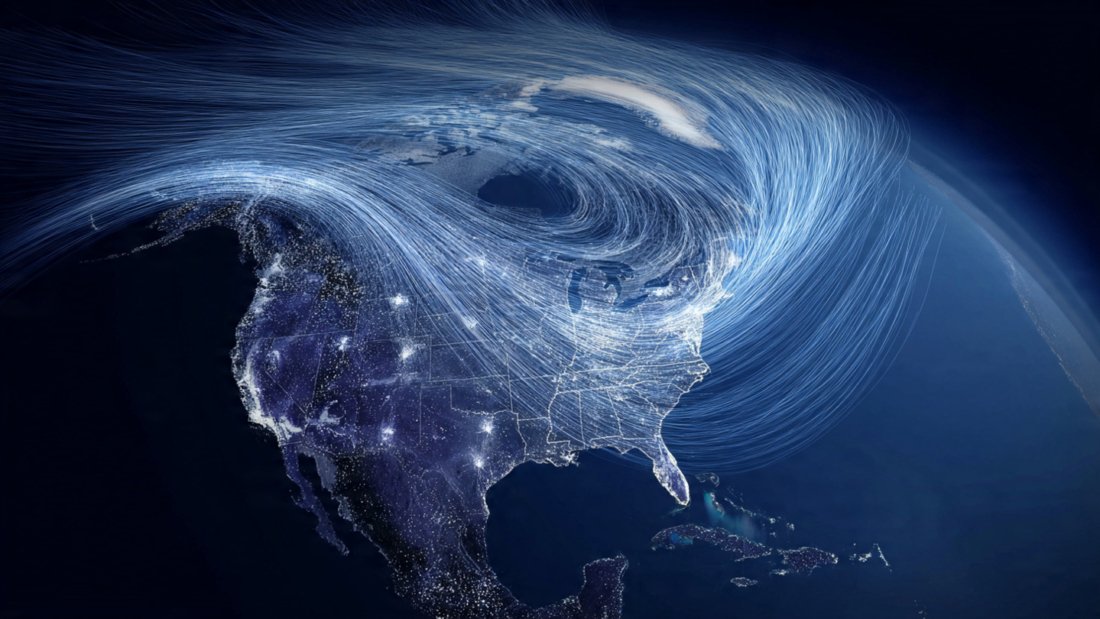
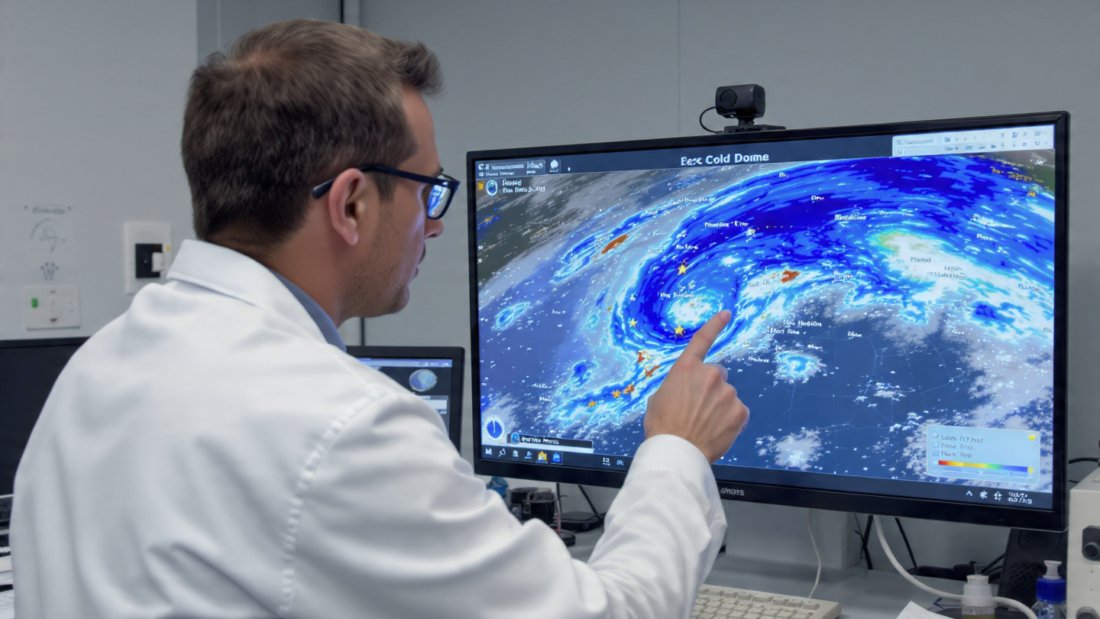
Meteorologists detect these domes using a combination of satellite imagery, weather balloons, and temperature data collected from ground-based weather stations. The satellite images often show a mass of cold air stretching over a large region, while upper-air observations reveal the temperature inversion that traps the air near the surface.
Cold domes are often associated with high-pressure systems, which suppress vertical mixing of the air. This lack of air circulation allows the cold air to remain stagnant, creating long-lasting frost and low temperatures at night and during early mornings. Unlike regular frost events that may last only a few hours, frost under a cold dome can persist, significantly increasing the risk of damage to crops, infrastructure, and even water pipes in residential areas.
Why Meteorologists Are Concerned About Early-February Frost
Meteorologists are particularly concerned about the potential for intensified frost in early February due to several factors:
- Timing: Early February often coincides with periods when some hardy winter crops and flowering plants begin to show signs of budding. A sudden cold snap or intensified frost can severely damage these crops, leading to economic losses for farmers. Fruit trees, grapevines, and early vegetables are particularly vulnerable to frost at this time of year.
- Duration: Unlike short-lived cold fronts, the stagnant nature of a cold dome can prolong frost conditions for several days. This extended exposure increases the likelihood of plant damage, as prolonged freezing temperatures can disrupt cell structures in tender crops and flowering buds.
- Geographical Spread: Cold domes can cover large regions, including the Midwest, Northeast, and parts of the South. In areas that are not accustomed to severe frost, residents and local authorities may be less prepared to respond, heightening the potential for property damage and community disruption.
- Amplification by Clear Skies: Cold domes are often accompanied by clear skies, which allow radiative cooling to occur during nighttime hours. Without cloud cover to trap heat, temperatures near the ground can drop even further, intensifying frost formation.
Detecting the Cold Dome
Weather agencies, including the National Weather Service (NWS) and the National Oceanic and Atmospheric Administration (NOAA), use a combination of technologies to detect and track cold domes. Key methods include:
- Satellite Imagery: Infrared satellite imagery helps meteorologists detect the extent of cold air masses. Cooler air appears darker in infrared images, making it easier to identify areas under a cold dome.
- Weather Balloons (Radiosondes): These instruments measure temperature, humidity, and wind patterns at different altitudes. Data from weather balloons can reveal the inversion layer that traps cold air near the surface.
- Surface Temperature Sensors: Ground-based weather stations provide real-time readings of temperature and frost formation, allowing meteorologists to track the intensity and spread of the cold dome.
- Computer Models: Meteorological models simulate the behavior of the atmosphere and predict how the cold dome will evolve over time. These models are crucial in forecasting frost events and issuing warnings to communities.
Through these combined methods, meteorologists can forecast frost severity and duration, giving farmers and city planners the ability to implement preventive measures before temperatures drop too low.
Impacts of Early-February Frost
The presence of a cold dome can have widespread consequences across agriculture, urban infrastructure, and daily life:
- Agriculture: Frost can damage young crops, flowers, and fruit trees. For farmers growing citrus, berries, or vegetables in open fields, early-February frost can destroy emerging buds and leaves, reducing yields for the season. Frost blankets, heaters, and wind machines are sometimes deployed to protect crops, but extended cold under a cold dome may overwhelm these measures.
- Gardening and Landscaping: Home gardeners and urban landscapers may see frost-damaged plants, shrubs, and trees. Sensitive flowers, early-blooming bulbs, and potted plants are at particular risk. The cold dome can also freeze garden irrigation systems and cause cracks in outdoor water pipes.
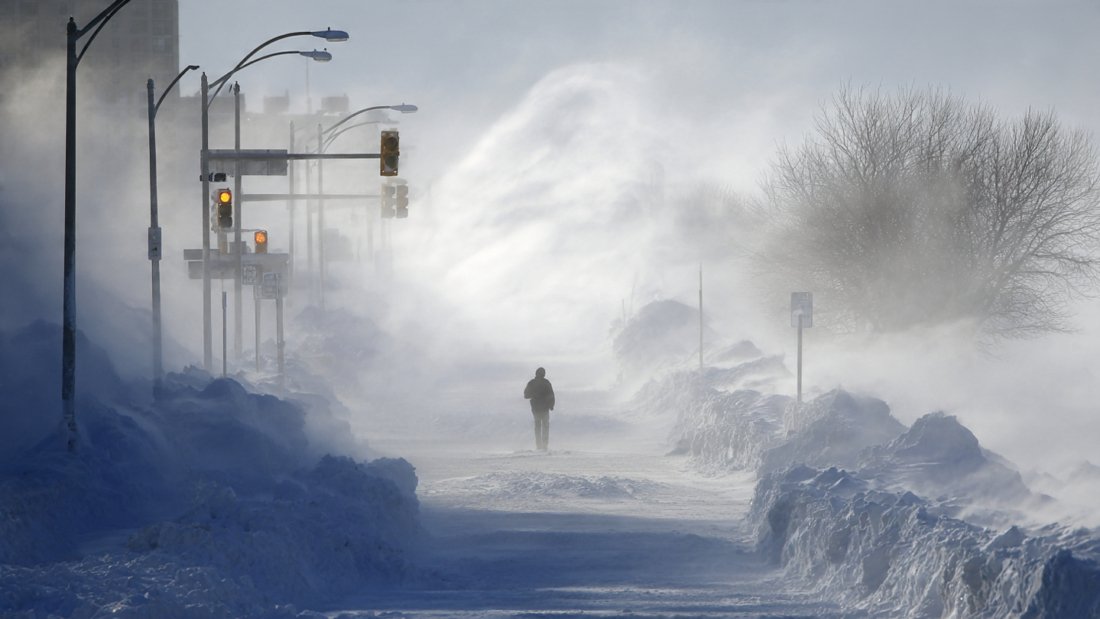
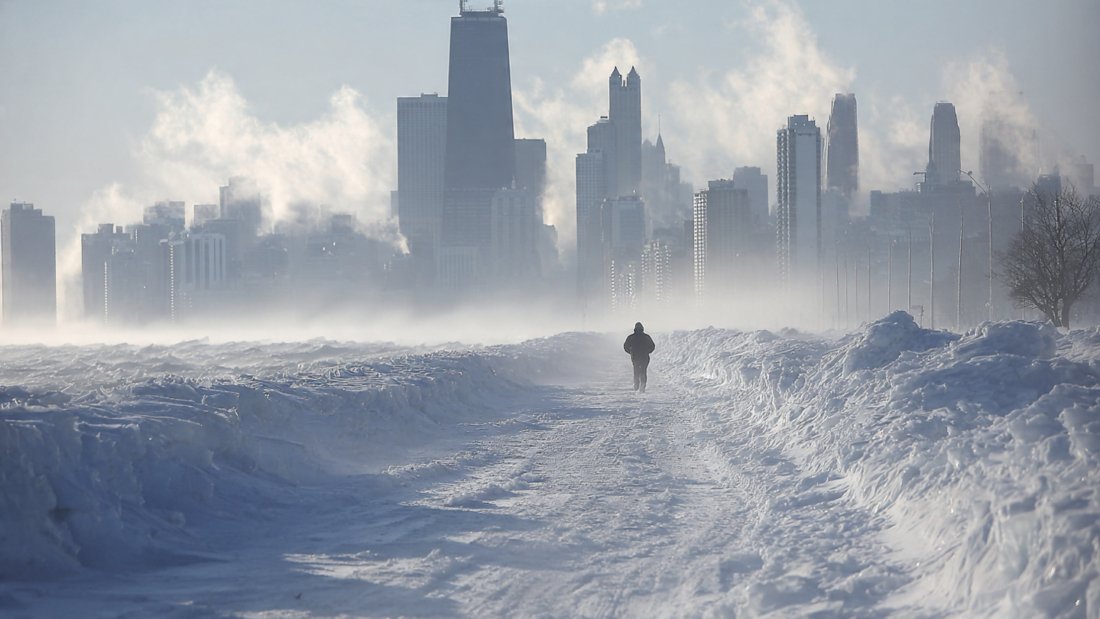
- Infrastructure: In cities and towns, prolonged freezing temperatures can affect water pipes, roads, and transportation systems. Ice accumulation on roads increases the risk of accidents, while frozen pipes can burst and cause costly damage to homes and businesses.
- Energy Demand: A cold dome often increases energy consumption, as residents rely on heating systems for longer periods. This surge in demand can strain power grids, especially in regions unaccustomed to extreme winter conditions.
- Public Health: Cold domes can exacerbate health risks for vulnerable populations, including the elderly, infants, and those with preexisting conditions. Exposure to prolonged frost and low temperatures can lead to hypothermia or frostbite, highlighting the importance of timely alerts and community support systems.
Preventive Measures for Residents and Farmers
Although cold domes are natural phenomena, individuals and communities can take steps to minimize their impact:
- Monitor Weather Alerts: Stay informed via the NWS or local weather channels. Early warnings allow farmers and gardeners to implement protective measures.
- Protect Crops: Farmers can use frost covers, row covers, or high tunnels to shield crops from extreme cold. Sprinklers can be employed in some situations to create a layer of ice that protects plants from deeper freezing damage.
- Secure Pipes and Infrastructure: Residents should insulate exposed pipes and ensure that heating systems are functioning properly. Keeping a slow trickle of water flowing through faucets can also prevent pipes from freezing.
- Community Resources: Local municipalities may provide warming centers or emergency shelters for vulnerable populations during prolonged cold events.
- Urban Gardening Tips: For home gardeners, moving potted plants indoors, wrapping young trees, or covering garden beds with blankets can reduce frost damage. Timing planting schedules to avoid early February exposure is also advisable.
Meteorologists’ Forecast and Outlook
Meteorologists emphasize that while a cold dome can intensify frost, the exact severity and duration are still subject to change. Atmospheric conditions, including wind patterns, cloud cover, and shifts in the jet stream, can either dissipate or amplify the dome. Forecast models indicate that some areas may experience temperatures 5–15 degrees below average, resulting in hard frost or even isolated freezes.
Weather agencies advise close monitoring of temperature forecasts, especially in regions prone to frost-sensitive crops or unprepared urban zones. Early February remains a critical window for taking preventive actions, as the cold dome may peak over several nights, prolonging the exposure to freezing temperatures.
Conclusion
The development of a cold dome in early February serves as a reminder of the complexity and variability of winter weather. While meteorologists are monitoring this phenomenon closely, it is important for individuals, farmers, and municipalities to prepare for the potential impacts of prolonged frost. Protective measures, timely alerts, and careful monitoring can mitigate damage to crops, infrastructure, and personal property.
As the situation evolves, meteorologists continue to refine their predictions using advanced satellite data, weather balloons, and computer models. While cold domes are natural and recurring phenomena, understanding their behavior and potential consequences can help communities navigate early-February frost events safely and efficiently.
By staying informed and proactive, residents and farmers alike can minimize the risks associated with this rare but impactful weather pattern, ensuring both agricultural and urban resilience against early-season frost.