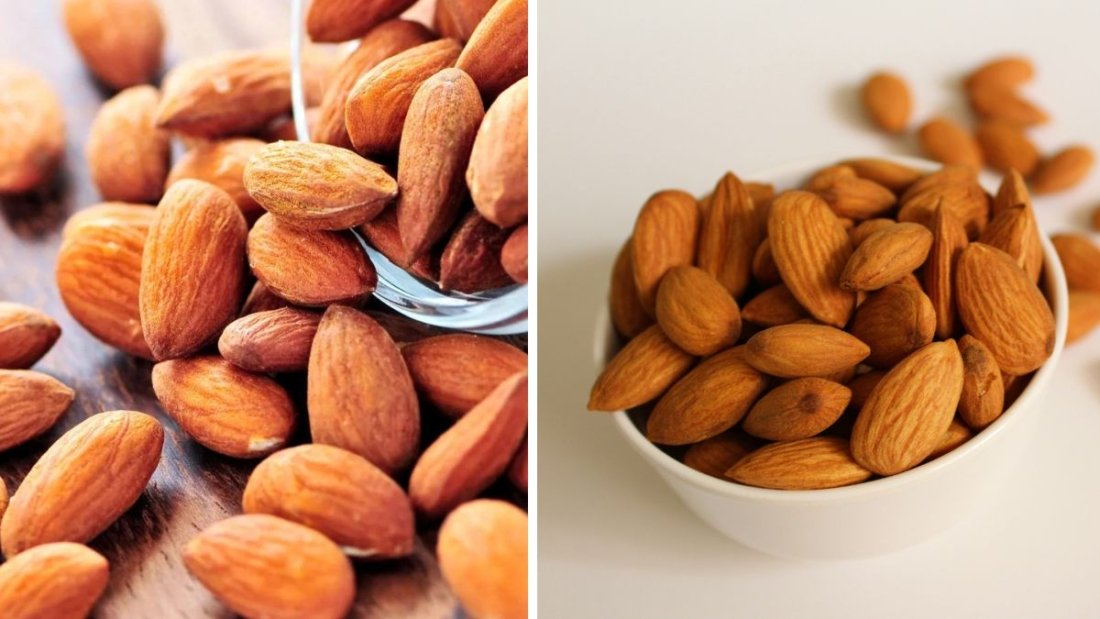
Indian almond, commonly known as Chironji or Charoli, is a treasured dry fruit used in Indian sweets, curries, and festive dishes. Though often confused with regular almonds, Indian almond is a completely different nut with a rich flavor and high nutritional value.
If you’ve ever wondered which country leads the world in Indian almond production, the answer may surprise you. Let’s explore the origins, production, cultivation, health benefits, and why this crop is gaining global importance.
What Is Indian Almond (Chironji)?
Indian almond, scientifically known as Buchanania lanzan, is a tropical tree species native to the Indian subcontinent. The edible seeds inside its fruit are called chironji and are widely used in Indian cooking.
Key Characteristics:
- Small, oval-shaped seeds
- Creamy texture and nutty flavor
- Rich in protein, healthy fats, and minerals
- Commonly used in sweets like kheer, halwa, and barfi
Unlike regular almonds grown in temperate regions, Indian almonds thrive in hot, dry tropical climates.
Which Country Is the Largest Indian Almond Producer in the World?
India is the largest producer of Indian almonds (Chironji) in the world.
India dominates global production due to its favorable climate, vast forest cover, and long tradition of cultivating and harvesting this valuable nut.
Indian almonds are mostly grown in wild forest regions and through agroforestry systems, making India not only the largest producer but also the most experienced cultivator of this unique crop.
Major Indian Almond Growing Regions in India
Indian almond trees grow naturally in tropical forests and semi-arid regions. The largest production comes from central and eastern India.
Leading States for Chironji Production:
- Chhattisgarh – The largest producer
- Madhya Pradesh
- Odisha
- Jharkhand
- Maharashtra
- Andhra Pradesh
- Telangana
These regions provide the perfect combination of dry soil, high temperature, and moderate rainfall.
Why India Leads Global Indian Almond Production
India’s dominance is no coincidence. Several natural and cultural factors contribute to its leadership:
1. Native Tree Species
Chironji trees are indigenous to Indian forests, making India their natural home.
2. Ideal Climate
The tree thrives in:
- Hot summers
- Moderate rainfall
- Well-drained soil
3. Traditional Knowledge
Local tribal communities have harvested and processed chironji for generations.
4. High Domestic Demand
Indian sweets and festive foods use chironji extensively, driving large-scale harvesting.
5. Forest-Based Production
Unlike plantation crops, chironji grows naturally in forest ecosystems.
How Indian Almond Is Cultivated
Indian almond trees take several years to mature, but once established, they can produce fruit for decades.
Growing Conditions:
- Temperature: 25°C – 40°C
- Rainfall: 600–1200 mm annually
- Soil: Sandy-loam or rocky soil
- Sunlight: Full sun
Tree Growth:
- Takes 8–10 years to start fruiting
- Fully productive after 15 years
- Lives for over 50 years
Harvesting usually happens between April and June.
Nutritional Value of Indian Almond
Indian almonds are not just delicious — they are a nutritional powerhouse.
Nutrients Per 100g:
- Protein: 18–20%
- Healthy fats: 59%
- Fiber: 3–5%
- Iron, calcium, magnesium
- Vitamin B-complex
Health Benefits:
Boosts immunity
Strengthens bones
Improves brain function
Supports heart health
Enhances skin glow
Aids digestion
In Ayurveda, chironji is used to improve vitality and energy.
Popular Uses of Indian Almond
Chironji is widely used in Indian cuisine and traditional medicine.
Culinary Uses:
- Kheer
- Halwa
- Barfi
- Pulao
- Rich gravies
- Festive desserts
Medicinal Uses:
- Boosts strength and stamina
- Improves fertility
- Supports digestion
- Enhances skin health
Cosmetic Uses:
- Face packs
- Hair oils
- Natural moisturizers
Export Potential of Indian Almond
India exports chironji mainly to:
- UAE
- Saudi Arabia
- UK
- USA
- Canada
- Australia
With increasing demand for healthy plant-based foods, Indian almond is gaining popularity worldwide.
Why Global Demand Is Rising:
- Rich nutritional profile
- Exotic flavor
- Vegan protein source
- Gluten-free nut
- Traditional superfood
Economic Importance for Rural India
Indian almond is a major livelihood source for forest-dependent communities.
Benefits for Farmers & Tribals:
- High market value
- Low cultivation cost
- Grows in wastelands
- Long-term income source
- Eco-friendly forestry crop
One mature tree can yield 20–30 kg of seeds annually, making it highly profitable.
Sustainable & Eco-Friendly Crop
Indian almond trees help preserve forests and biodiversity.
Environmental Benefits:
- Prevents soil erosion
- Improves forest cover
- Supports wildlife
- Requires minimal irrigation
- No chemical fertilizers needed
This makes chironji an ideal crop for sustainable agriculture.
Comparison with Other Countries
Although India is the global leader, a few other countries also grow Indian almond on a small scale.
Other Producing Countries:
- Bangladesh
- Sri Lanka
- Nepal
- Myanmar
- Thailand
However, none come close to India’s production volume, forest coverage, or processing capacity.
Future of Indian Almond Production
With rising health awareness and demand for traditional superfoods, the future of Indian almond looks very promising.
Growth Drivers:
- Increasing export demand
- Government agroforestry schemes
- Rising vegan population
- Ayurvedic product demand
- Eco-friendly farming trends
India is investing in improved cultivation techniques and commercial plantations to meet growing global demand.
Interesting Facts About Indian Almond
- Chironji is sometimes called the “Golden Nut of India”
- Used in royal Mughal cuisine
- Mentioned in ancient Ayurvedic texts
- Considered a luxury dry fruit
- Often used as a saffron substitute in desserts
Final Answer: The World’s Largest Indian Almond Producer
India is the largest Indian almond producer in the world.
Thanks to its native forests, ideal climate, traditional knowledge, and massive domestic consumption, India remains unmatched in chironji production.
As the world embraces healthier and more sustainable food choices, Indian almond is gaining the global spotlight — and India proudly stands at the center of this growing industry.