No Soil, No Problem: How to Grow Microgreens Super Easily Using Coconut

No Soil, No Problem: How to Grow Microgreens Super Easily Using Coconut

Growing fresh, nutritious greens at home doesn’t require a garden, fancy equipment, or even traditional soil. In fact, one of the easiest and cleanest ways to grow microgreens is by using coconut-based growing material. Whether you live in a small apartment, have limited sunlight, or simply want a low-maintenance gardening option, coconut fiber makes microgreen cultivation simple and accessible for everyone.

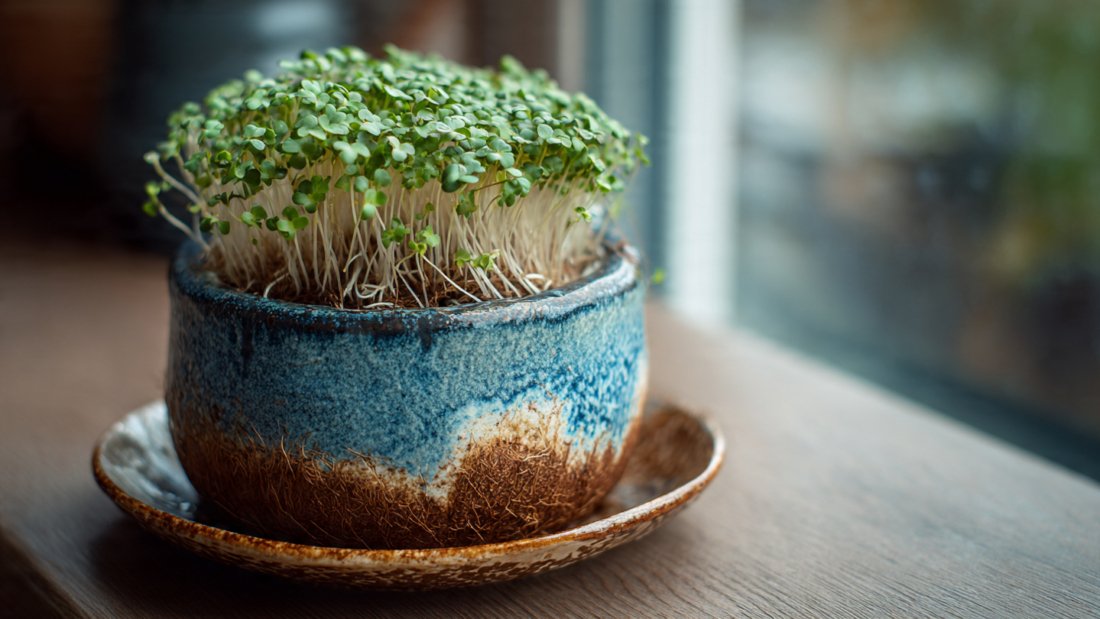
Microgreens are young vegetable greens harvested just days after sprouting. Despite their small size, they are packed with vitamins, minerals, and antioxidants. With coconut growing medium, you can enjoy fresh harvests year-round without dealing with messy soil. This guide explains how to grow microgreens super easily using coconut, even if you are a complete beginner.


What Are Microgreens and Why Grow Them?

Microgreens are young seedlings of vegetables and herbs harvested at an early stage, usually 7 to 14 days after germination. They are more mature than sprouts but younger than baby greens. Popular varieties include radish, mustard, broccoli, basil, pea shoots, sunflower, and coriander.

These tiny greens are considered nutritional powerhouses. Studies show that microgreens often contain higher concentrations of vitamins and antioxidants than fully grown vegetables. They add fresh flavor, color, and texture to salads, sandwiches, soups, and smoothies.

Growing microgreens at home saves money, reduces food waste, and ensures pesticide-free produce. With coconut growing material, the process becomes even easier and cleaner.


Understanding Coconut Growing Medium

Coconut growing medium, commonly known as coco peat or coco coir, is made from the husk of coconuts. It is a natural, renewable byproduct of the coconut industry and is widely used in modern gardening.

Coco peat has several advantages:

  • It is lightweight and easy to handle
  • It holds moisture well
  • It provides good aeration to roots
  • It is eco-friendly and biodegradable
  • It is free from soil-borne pests and diseases

Unlike garden soil, coconut medium does not become compacted easily. This creates an ideal environment for delicate microgreen roots to grow freely.


Materials You Will Need

Before starting, gather a few simple supplies. Most of these items are affordable and easy to find.

You will need:

  • Coconut peat or coco coir block
  • Shallow growing tray or container
  • Microgreen seeds
  • Clean water
  • Spray bottle
  • Tray cover or plastic sheet (optional)
  • Sunlit window or grow light

Recycled food containers, plastic boxes, or takeaway trays work well as growing trays. Just make sure they are clean and have drainage holes if possible.


Preparing the Coconut Medium

Coco peat is usually sold in compressed blocks. These blocks expand when soaked in water.

To prepare it:

Place the block in a bucket or large container. Add warm water slowly and allow it to absorb. Within minutes, it will expand into soft, fluffy material. Break it apart with your hands to remove lumps. Make sure it is evenly moist but not dripping wet.

If you are using loose coco coir, lightly moisten it before use.

Well-prepared coconut medium should feel like a damp sponge when squeezed.


Setting Up Your Growing Tray

Fill your tray with the prepared coconut medium to a depth of about 2 to 3 centimeters. Spread it evenly and gently press it down with your hands. Do not compress it too tightly, as roots need air spaces.

Level the surface so seeds can grow evenly. Uneven surfaces can cause patchy growth.

If your tray does not have drainage holes, be extra careful with watering to prevent water buildup.


Sowing Microgreen Seeds

Sprinkle seeds evenly over the surface of the coconut medium. Avoid overcrowding, but place them close enough for dense growth. Microgreens are meant to grow closely together.

Different seeds have different sizes, so adjust spacing accordingly:

  • Small seeds like broccoli and mustard can be sown densely
  • Large seeds like peas and sunflower need more space

After sowing, gently press seeds into the medium using your palm or a flat object. Do not bury them deeply. Most microgreen seeds need light contact with moisture rather than deep covering.

For some varieties, lightly sprinkling a thin layer of coco peat on top can improve germination.


Watering and Moisture Control

Watering is one of the most important steps in microgreen cultivation. Coconut medium holds moisture well, so overwatering can cause mold.

Use a spray bottle to mist the surface gently. The goal is to keep the medium moist, not soaked. During the first few days, mist 2 to 3 times daily if necessary.

Avoid pouring water directly onto seeds, as it may displace them. Gentle misting ensures even hydration.

If your tray has drainage holes, you can also water from the bottom by placing it in a shallow water tray for a few minutes.


Covering for Better Germination

Covering seeds during the first few days improves germination. You can use another tray, cardboard, or plastic sheet as a lid.

This creates a dark, humid environment that encourages seeds to sprout quickly. It also helps roots anchor into the coconut medium.

Keep the tray covered for 2 to 4 days, depending on the seed type. Check daily for sprouts. Once most seeds have germinated, remove the cover.


Providing Light

After sprouting, microgreens need light to grow strong and green. Place your tray near a sunny window where it receives indirect sunlight for at least 4 to 6 hours daily.

If natural light is limited, use LED grow lights. Position them about 20 centimeters above the plants and keep them on for 10 to 12 hours per day.

Without enough light, microgreens become thin and pale. Proper lighting ensures healthy growth and better nutrition.


Feeding and Nutrition

Coconut medium is mostly neutral and does not contain many nutrients. However, microgreens usually grow fast enough that they do not require additional fertilizer.

Most varieties can complete their life cycle using nutrients stored in the seed. For longer-growing types, you may use diluted organic liquid fertilizer once after sprouting.

Avoid overfeeding, as excess nutrients can promote mold growth.


Preventing Mold and Disease

Mold is one of the most common problems when growing microgreens indoors. Coconut medium reduces this risk, but proper care is still important.

To prevent mold:

  • Avoid overwatering
  • Ensure good air circulation
  • Do not overcrowd seeds
  • Use clean trays
  • Remove infected patches immediately

If white fuzzy mold appears, reduce humidity and improve airflow. Placing a small fan nearby can help.

Spraying diluted hydrogen peroxide solution occasionally can also control mold naturally.


Harvesting Your Microgreens

Most microgreens are ready to harvest within 7 to 14 days. They should be about 5 to 8 centimeters tall with well-developed leaves.

Use clean scissors to cut them just above the coconut medium. Harvest in the morning for best freshness.

Do not pull plants out, as this disturbs neighboring roots. Gentle cutting allows you to harvest neatly and hygienically.

Some varieties can regrow once, but most microgreens are harvested only once.


Storing and Using Your Harvest

Freshly harvested microgreens taste best when used immediately. If needed, store them in an airtight container in the refrigerator for up to five days.

Wash them gently before use and pat dry with paper towels.

You can add microgreens to:

  • Salads
  • Sandwiches
  • Smoothies
  • Soups
  • Omelets
  • Rice and noodle dishes

Their mild to spicy flavors enhance both taste and presentation.


Reusing Coconut Medium

After harvesting, coconut medium can be reused for houseplants or composted. For microgreens, it is best to use fresh medium each time to avoid disease buildup.

Used coco peat makes excellent mulch or soil conditioner for other plants.


Advantages of Growing Microgreens with Coconut Medium

Using coconut growing medium offers many benefits:

  • Clean and mess-free gardening
  • No soil pests
  • Lightweight and portable
  • Environmentally friendly
  • Easy for beginners
  • Suitable for indoor spaces

It allows anyone to grow food in kitchens, bedrooms, balconies, and offices without traditional gardening tools.


Common Mistakes to Avoid

Beginners often make simple mistakes that affect growth. Avoid these common errors:

  • Overwatering
  • Insufficient light
  • Using old or low-quality seeds
  • Skipping tray cleaning
  • Planting too densely

Learning from small failures is part of the process. With practice, results improve quickly.


Conclusion

Growing microgreens using coconut medium proves that you don’t need soil or a garden to enjoy fresh, healthy food. With minimal space, low investment, and simple techniques, anyone can grow nutrient-rich greens at home.

Coco peat provides the perfect balance of moisture, air, and cleanliness for delicate seedlings. By following proper sowing, watering, lighting, and harvesting practices, you can enjoy continuous harvests throughout the year.

Whether you are a busy professional, a student, or a home cook, this method offers a sustainable way to add fresh greens to your meals. Start with one tray, experiment with different seeds, and soon your home will become a mini indoor farm—proving that with coconut medium, no soil truly means no problem.

How to Grow and Harvest Vegetables at Home Without a Garden

How to Grow and Harvest Vegetables at Home Without a Garden

Growing your own vegetables no longer requires a large backyard or a traditional garden. With modern techniques, creative use of space, and a little dedication, anyone can grow fresh, healthy produce at home—even in a small apartment or urban setting. Whether you live in a high-rise, rent a small room, or simply lack outdoor space, you can still enjoy the satisfaction of harvesting your own food. This guide will show you how to grow and harvest vegetables at home without a garden, using practical, affordable, and effective methods.


Understanding Container and Indoor Gardening

When you don’t have a garden, container and indoor gardening become your best allies. Instead of planting directly in the ground, you grow vegetables in pots, boxes, buckets, or recycled containers. These portable mini-gardens can be placed on balconies, windowsills, rooftops, staircases, or even indoors near sunlight.

Indoor gardening relies heavily on light, proper soil, and controlled watering. While outdoor gardens depend on natural weather cycles, home-grown setups allow you to manage growing conditions more precisely. This makes it possible to grow vegetables year-round, regardless of climate.


Choosing the Right Location

The first step to successful garden-free gardening is selecting the right spot. Most vegetables need at least six hours of sunlight per day. Look for areas in your home that receive good natural light, such as:

  • Sunny windowsills
  • Balconies
  • Terraces
  • Rooftops
  • Near glass doors

If natural light is limited, consider using grow lights. LED grow lights are energy-efficient and can replace sunlight when necessary. Place them 6 to 12 inches above plants and keep them on for 10 to 14 hours daily.

Good air circulation is also important. Avoid cramped, damp spaces, as stagnant air encourages pests and diseases.


Selecting Suitable Containers

Almost any container can become a plant home if it has proper drainage. Popular choices include:

  • Clay or plastic pots
  • Buckets
  • Wooden boxes
  • Recycled bottles
  • Storage bins
  • Fabric grow bags

Ensure every container has drainage holes at the bottom to prevent waterlogging. Standing water can rot roots and kill plants.

The size of the container matters. Shallow-rooted vegetables like lettuce need smaller pots, while tomatoes and peppers require deeper ones. As a general rule, the bigger the container, the healthier the plant.


Preparing the Right Soil Mix

Garden soil is usually too heavy for containers. Instead, use a light, well-draining potting mix. You can buy ready-made potting soil or make your own by mixing:

  • 40% garden soil or coco peat
  • 30% compost or vermicompost
  • 20% sand or perlite
  • 10% organic fertilizer

This blend ensures proper drainage, aeration, and nutrients. Compost is especially important because container plants depend entirely on soil nutrients.

Refresh your soil every few months by adding compost to maintain fertility.


Choosing Easy-to-Grow Vegetables

Not all vegetables grow well in limited spaces. Start with varieties that adapt easily to containers and indoor conditions.

Best vegetables for small spaces include:

  • Leafy greens: spinach, lettuce, fenugreek, kale
  • Herbs: basil, coriander, mint, parsley
  • Root vegetables: radish, carrots (short varieties), beetroot
  • Fruiting plants: tomatoes, chili peppers, eggplant
  • Climbers: beans, peas, cucumbers (with support)

Beginner gardeners should start with leafy greens and herbs, as they grow quickly and require less maintenance.


Planting Seeds and Seedlings

You can grow vegetables from seeds or buy young seedlings from nurseries. Seeds are cheaper, while seedlings save time.

Steps for planting:

  1. Fill containers with prepared soil mix.
  2. Make small holes according to seed depth instructions.
  3. Place seeds or seedlings gently.
  4. Cover lightly with soil.
  5. Water carefully.

Avoid planting too many seeds in one container. Overcrowding reduces growth and increases disease risk.

For indoor sowing, keep soil moist but not soaked until seedlings emerge.


Watering Correctly

Proper watering is essential for container gardening. Pots dry out faster than ground soil, so regular watering is necessary.

Basic watering tips:

  • Water when the top inch of soil feels dry
  • Use a spray bottle for young plants
  • Avoid overwatering
  • Water early morning or evening
  • Ensure excess water drains out

Different vegetables have different needs. Leafy greens prefer moist soil, while tomatoes prefer slightly drier conditions between watering.

Observe your plants closely. Wilting, yellow leaves, or fungus growth may indicate watering problems.


Providing Nutrients and Fertilizer

Since container soil holds limited nutrients, regular feeding is necessary. Organic fertilizers are safer and improve soil health.

Recommended options include:

  • Compost tea
  • Vermicompost
  • Banana peel water
  • Mustard cake solution
  • Seaweed extract

Apply liquid fertilizer every two to three weeks. Solid compost can be mixed into soil monthly.

Avoid chemical fertilizers if possible, as they may damage beneficial microbes and affect food quality.


Supporting and Pruning Plants

Some vegetables need physical support to grow properly. Tomatoes, beans, and cucumbers benefit from stakes, trellises, or strings. These supports save space and prevent plants from collapsing.

Pruning is equally important. Remove yellow leaves, dead branches, and overcrowded shoots. This improves airflow and directs energy toward fruit production.

Pinch herbs regularly to encourage bushier growth and prevent flowering too early.


Preventing Pests and Diseases Naturally

Even indoor plants can attract pests like aphids, spider mites, and whiteflies. Avoid chemical pesticides and use natural solutions instead.

Effective organic methods include:

  • Neem oil spray
  • Soap water spray
  • Garlic-chili solution
  • Sticky traps
  • Regular leaf inspection

Keep plants clean and remove infected leaves immediately. Good ventilation and sunlight also reduce disease risk.

Rotate crops occasionally to prevent soil-borne problems.


Harvesting Your Vegetables

Harvesting at the right time improves taste and encourages further growth. Most vegetables should be picked when young and tender.

General harvesting tips:

  • Use clean scissors or hands
  • Harvest in the morning
  • Don’t pull plants aggressively
  • Pick regularly to promote production

Leafy greens can be harvested by cutting outer leaves while keeping the center intact. This allows continuous growth. Tomatoes and peppers should be harvested when fully colored.

Herbs taste best before flowering. Frequent harvesting keeps them productive.


Reusing and Regrowing Vegetables

Many vegetables can be regrown from kitchen scraps, saving money and reducing waste.

Examples include:

  • Spring onions from roots
  • Lettuce from base
  • Coriander from stems
  • Garlic from cloves
  • Potatoes from sprouts

Place scraps in water until roots form, then transfer to soil. This simple method makes home gardening even more accessible.


Managing Space Creatively

Limited space doesn’t mean limited harvest. Use vertical and multi-level gardening techniques.

Ideas include:

  • Hanging pots
  • Wall-mounted planters
  • Shelf gardens
  • Stackable pots
  • Ladder stands

Vertical gardening allows you to grow more plants in less area and improves sunlight exposure.

Window boxes are also excellent for herbs and greens.


Maintaining Consistency and Patience

Successful home gardening requires regular care and patience. Plants won’t grow overnight, and mistakes are part of learning. Observe your plants daily, adjust watering and feeding routines, and stay consistent.

Keep a simple gardening journal to track planting dates, watering schedules, and results. This helps improve future harvests.

Start small, master basics, and gradually expand your mini-garden.


Benefits of Growing Vegetables Without a Garden

Growing vegetables at home offers many advantages beyond fresh food:

  • Saves money on groceries
  • Ensures chemical-free produce
  • Reduces stress
  • Improves air quality
  • Encourages healthy eating
  • Builds environmental awareness

It also creates a sense of achievement and connection with nature, even in urban environments.


Conclusion

You don’t need a backyard to enjoy homegrown vegetables. With containers, sunlight, proper soil, and consistent care, anyone can create a productive mini-garden at home. From leafy greens on windowsills to tomatoes on balconies, garden-free gardening is practical, rewarding, and sustainable.

By choosing the right plants, managing water and nutrients, preventing pests naturally, and harvesting wisely, you can enjoy fresh vegetables year-round. Start small, stay patient, and let your home become a thriving green space—one pot at a time.

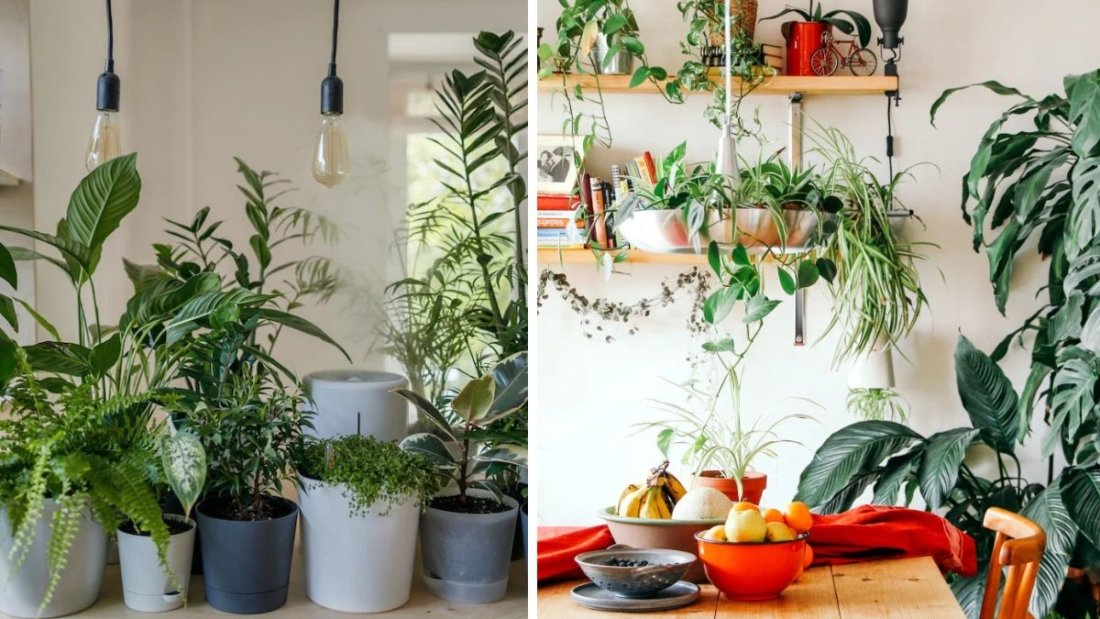
7 Indoor Plant Ideas for a Fresh and Natural Look

7 Indoor Plant Ideas for a Fresh and Natural Look

There’s something incredibly refreshing about stepping into a home filled with greenery. Indoor plants don’t just add beauty to your space—they create a calming atmosphere, purify the air, and bring a touch of nature indoors. Whether you live in a cozy apartment or a spacious home, the right indoor plants can instantly transform your interiors into a fresh, vibrant sanctuary.

If you’re looking for simple yet stylish ways to refresh your home décor, these 7 indoor plant ideas will help you create a natural, soothing environment that feels both modern and timeless.


Why Indoor Plants Are the Perfect Home Upgrade

Indoor plants offer more than just visual appeal. They contribute to your overall well-being and make your home feel alive.

Benefits of Indoor Plants

  • Improve indoor air quality
  • Reduce stress and boost mood
  • Increase humidity in dry environments
  • Enhance focus and productivity
  • Add texture and color to your décor

From minimalist interiors to cozy boho spaces, plants fit beautifully into every design style.


1. Create a Green Corner with Tall Statement Plants

One of the easiest ways to bring instant freshness into your home is by adding tall, leafy plants to empty corners. These plants act like natural sculptures and instantly draw attention.

Best Tall Indoor Plants

  • Rubber Plant – Bold, glossy leaves
  • Areca Palm – Light, feathery fronds
  • Fiddle Leaf Fig – Large, dramatic leaves
  • Dracaena – Elegant and upright growth

Styling Tip

Place your tall plant in a decorative pot or woven basket to enhance its visual appeal. Corners near windows or balconies are perfect spots.


2. Use Hanging Plants for a Floating Garden Look

Hanging plants add depth and dimension to your interiors. They’re perfect for small spaces because they don’t take up floor area while still adding lush greenery.

Best Hanging Plants

  • Pothos (Money Plant)
  • Spider Plant
  • Philodendron
  • English Ivy

Styling Tip

Hang plants near windows or over reading nooks. Use macramé hangers for a boho vibe or sleek metal holders for a modern look.


3. Build a Beautiful Windowsill Garden

Windowsills receive plenty of natural light, making them ideal for growing compact plants. A row of small plants creates a charming, garden-like effect.

Best Plants for Windowsills

  • Succulents
  • Aloe Vera
  • Herbs like basil and mint
  • Lucky Bamboo
  • Snake Plant

Styling Tip

Use matching pots for a clean look or mix different styles for an eclectic feel.


4. Add Freshness with Tabletop Plants

Tabletop plants are perfect for desks, dining tables, coffee tables, and bedside stands. They add life to everyday spaces without overwhelming the room.

Best Tabletop Plants

  • Peace Lily
  • ZZ Plant
  • Jade Plant
  • Mini Ferns
  • Calathea

Styling Tip

Place plants on trays or wooden stands to elevate them and create a layered effect.


5. Create a Mini Indoor Jungle with Mixed Plants

Why stop at one plant when you can create a mini jungle? Mixing different plant shapes, heights, and textures creates a rich, natural look.

Plant Combination Ideas

  • Monstera + Snake Plant + Pothos
  • Ferns + Palms + Calathea
  • Rubber Plant + Philodendron + ZZ Plant

Styling Tip

Use different pot sizes and heights. Add plant stands for a dynamic arrangement.


6. Decorate Shelves with Cascading Greenery

Bookshelves and wall shelves offer the perfect platform for trailing plants. The vines soften sharp edges and create a cozy atmosphere.

Best Shelf Plants

  • Pothos
  • String of Pearls
  • Philodendron
  • Tradescantia

Styling Tip

Mix books, candles, and décor items with plants for a balanced, styled look.


7. Bring Nature into Your Bathroom

Bathrooms are often overlooked when it comes to décor, but they’re perfect for humidity-loving plants. Adding greenery instantly turns your bathroom into a spa-like retreat.

Best Bathroom Plants

  • Boston Fern
  • Peace Lily
  • Snake Plant
  • Bamboo Palm

Styling Tip

Place plants on shelves, countertops, or hang them near the shower for a tropical vibe.


Choosing the Right Pots for a Natural Look

The right planter can enhance your plant’s beauty and complement your décor.

Popular Pot Styles

  • Terracotta pots for a rustic feel
  • Ceramic pots for modern interiors
  • Woven baskets for boho spaces
  • Concrete planters for minimalist décor

Choose neutral colors for a calm look or bold shades for a statement effect.


How to Keep Indoor Plants Healthy and Thriving

Even the most beautiful plant display needs proper care.

Basic Care Tips

  • Place plants according to their light needs
  • Water only when soil feels dry
  • Avoid overwatering
  • Clean leaves regularly
  • Rotate plants for even growth

Healthy plants look greener, fuller, and more vibrant.


Creating a Natural Color Palette

To enhance the natural look of your indoor garden, stick to earthy tones.

Best Colors for Plant Décor

  • Beige and cream
  • Olive green
  • Terracotta
  • Soft brown
  • Charcoal grey

These colors complement greenery beautifully and create a calm environment.


Indoor Plants and Feng Shui

In Feng Shui, indoor plants symbolize growth, positivity, and prosperity.

Best Feng Shui Plants

  • Lucky Bamboo
  • Jade Plant
  • Peace Lily
  • Money Plant

Place them near entrances, living rooms, and workspaces for positive energy.


Final Thoughts

Indoor plants are one of the simplest and most effective ways to refresh your home décor. Whether you create a lush green corner, hang trailing plants, or style your shelves with cascading vines, greenery adds warmth, life, and personality to any space.

With these 7 indoor plant ideas for a fresh and natural look, you can easily transform your home into a peaceful retreat that feels connected to nature.

So go ahead—bring home a plant (or two!) and start creating your own indoor oasis today.

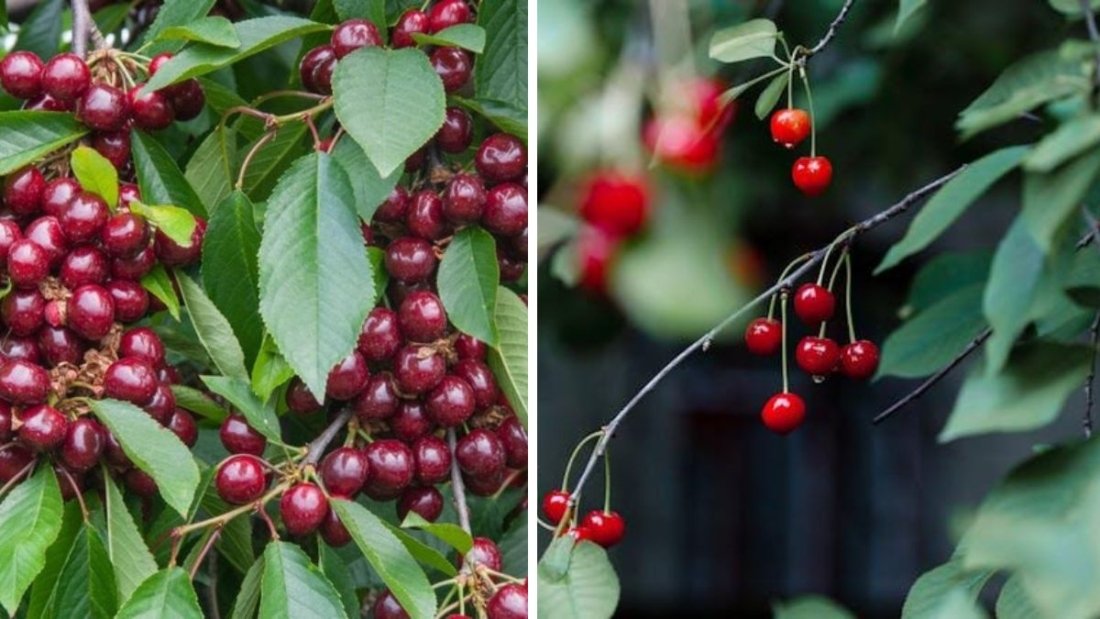
How to Grow a Cherry Tree from a Pit: A Complete Step-by-Step Guide

How to Grow a Cherry Tree from a Pit: A Complete Step-by-Step Guide

Have you ever eaten a sweet, juicy cherry and wondered if you could grow your own cherry tree from the pit? The answer is yes! Growing a cherry tree from a pit is a fun, rewarding, and budget-friendly gardening project that lets you experience the full life cycle of one of the world’s most beloved fruit trees.

While it takes patience, watching a tiny seed grow into a beautiful flowering tree is incredibly satisfying. Whether you’re a home gardener, a fruit lover, or simply curious about growing trees from scratch, this step-by-step guide will walk you through everything you need to know.


Why Grow a Cherry Tree from a Pit?

Growing a cherry tree from seed is not only enjoyable, but it also comes with several benefits:

  • It’s an inexpensive way to grow a fruit tree
  • It’s a fun project for kids and families
  • It allows you to understand plant life cycles
  • It creates a beautiful ornamental tree
  • You can eventually harvest your own cherries

Plus, cherry trees are famous for their stunning spring blossoms.


Things to Know Before You Start

Before planting a cherry pit, it’s important to understand a few things:

  • Trees grown from pits may not produce identical fruit to the parent cherry
  • It can take 3–5 years for a seed-grown tree to bear fruit
  • Some cherry varieties need a second tree for pollination
  • Patience is essential

That said, growing from seed is still a wonderful experience and a great way to grow a healthy tree.


What You’ll Need

To get started, gather these simple supplies:

  • Fresh cherries
  • Paper towel
  • Plastic bag or container
  • Potting soil
  • Small pots
  • Sunny growing space

Step 1: Choose the Right Cherries

For best results, use cherries that are:

  • Fresh and fully ripe
  • Locally grown if possible
  • Organic (to avoid chemical treatments)

Avoid store-bought cherries that may be treated to prevent sprouting.


Step 2: Remove and Clean the Pits

  • Eat the cherries and save the pits
  • Rinse pits thoroughly to remove all fruit residue
  • Let pits air-dry for 24 hours

This prevents mold during storage.


Step 3: Stratify the Cherry Pits (Cold Treatment)

Cherry seeds require cold exposure to germinate. This process mimics winter conditions.

How to Stratify

  1. Wrap pits in a damp paper towel
  2. Place them in a plastic bag or container
  3. Store in the refrigerator for 8–12 weeks
  4. Keep the paper towel slightly moist

This cold period breaks dormancy and prepares seeds to sprout.


Step 4: Plant the Cherry Pits

After stratification, it’s time to plant.

Indoor Planting

  • Fill small pots with well-draining soil
  • Plant pits about 1 inch deep
  • Water lightly
  • Place in a sunny location

Outdoor Planting

If it’s spring and frost has passed, you can plant directly in the ground.


Step 5: Germination and Early Growth

Cherry pits usually sprout in 2–4 weeks after planting.

Care Tips for Seedlings

  • Keep soil moist but not soggy
  • Provide bright sunlight
  • Protect from strong winds
  • Use a spray bottle for gentle watering

Once seedlings grow 4–6 inches tall, they’re ready for transplanting.


Step 6: Transplanting Your Cherry Seedling

When your seedling is strong enough:

  • Choose a sunny planting location
  • Dig a hole twice the size of the root ball
  • Gently remove the plant from its pot
  • Place in the hole and fill with soil
  • Water thoroughly

Cherry trees love full sun and well-drained soil.


Step 7: Caring for Your Cherry Tree

Watering

  • Water regularly during the first year
  • Deep watering encourages strong roots
  • Reduce watering once established

Fertilizing

  • Use balanced fertilizer in spring
  • Compost works well for organic feeding

Pruning

  • Prune in late winter
  • Remove weak or crossing branches
  • Shape for airflow and sunlight

How Long Does It Take to Grow a Cherry Tree?

Cherry trees grow slowly but steadily.

Growth Timeline

  • Year 1: Seedling establishment
  • Year 2–3: Tree growth and branching
  • Year 3–5: Flowering and fruiting

Some varieties may take longer, but the wait is worth it.


Pollination Requirements

Many cherry varieties need cross-pollination.

Tips

  • Plant at least two cherry trees
  • Encourage bees and pollinators
  • Avoid using pesticides during flowering

Sweet cherries usually need a pollination partner, while sour cherries are often self-pollinating.


Common Problems and Solutions

Seed Not Sprouting

Cause: Insufficient cold treatment
Solution: Extend stratification period

Yellow Leaves

Cause: Overwatering
Solution: Improve drainage

Pests

Cause: Aphids or caterpillars
Solution: Use neem oil or organic insecticide

Slow Growth

Cause: Poor soil or low sunlight
Solution: Improve soil and move to sunnier spot


Can You Grow a Cherry Tree in a Pot?

Yes, dwarf cherry varieties grow well in containers.

Container Tips

  • Use a large pot (at least 18–24 inches)
  • Ensure good drainage
  • Use nutrient-rich soil
  • Place in full sun

Container trees may produce fewer fruits but are perfect for small spaces.


Benefits of Growing Cherry Trees at Home

  • Fresh organic cherries
  • Beautiful spring blossoms
  • Shade and landscaping value
  • Attracts birds and pollinators
  • Increases garden biodiversity

A cherry tree is both a fruit producer and an ornamental beauty.


Fun Facts About Cherry Trees

  • Cherry blossoms are Japan’s national symbol
  • Some cherry trees can live over 100 years
  • There are over 1,000 cherry varieties worldwide
  • Cherry wood is prized for furniture

Final Thoughts

Growing a cherry tree from a pit is a beautiful journey from seed to fruit. While it requires patience, care, and dedication, the rewards are more than worth the effort. From watching your first sprout emerge to enjoying homegrown cherries years later, the experience is deeply satisfying.

So next time you snack on cherries, don’t throw away the pits. Save them, plant them, and start your very own cherry tree adventure today!

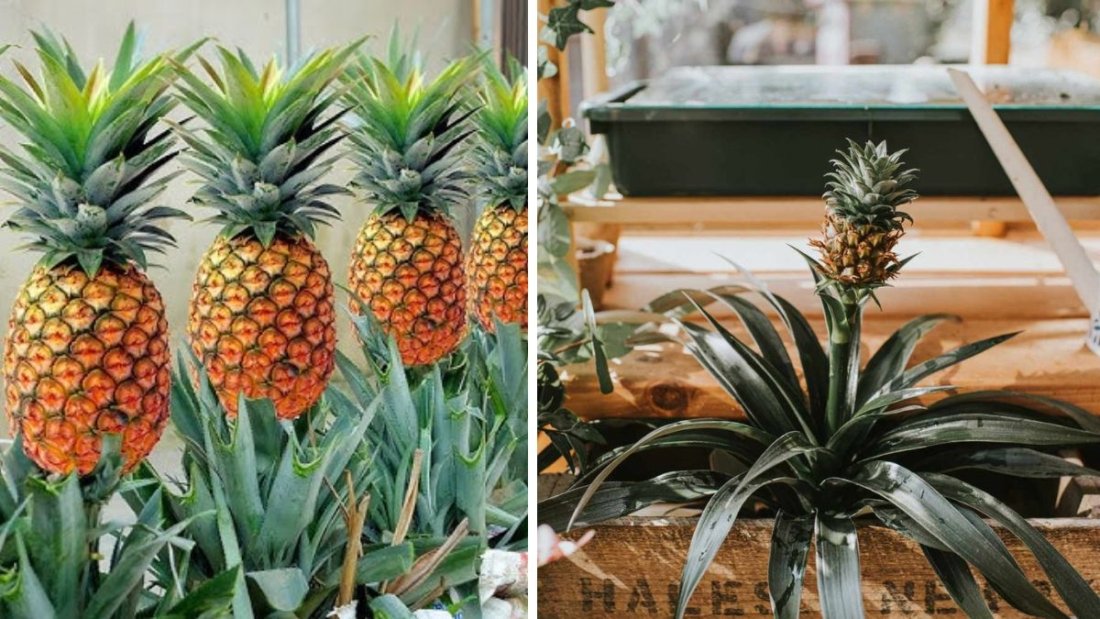
How to Plant a Pineapple Top: A Fun Way to Grow Tropical Fruits

How to Plant a Pineapple Top: A Fun Way to Grow Tropical Fruits

Have you ever looked at a pineapple in your kitchen and wondered if you could grow one yourself? Good news—you absolutely can! Planting a pineapple top is one of the easiest and most fun ways to grow a tropical fruit at home. With just a store-bought pineapple and a little patience, you can turn kitchen waste into a beautiful tropical plant and, eventually, a delicious homegrown fruit.

Whether you’re a gardening beginner or an experienced plant lover, growing pineapple from a crown is a rewarding project that brings a slice of the tropics right into your home or garden.

In this complete guide, you’ll learn exactly how to plant a pineapple top, how to care for it, and what to expect as your plant grows.


Why Grow a Pineapple from the Top?

Growing pineapple from its crown is popular because:

  • It’s easy and beginner-friendly
  • It costs almost nothing
  • It’s a fun DIY gardening project
  • It produces a beautiful ornamental plant
  • It can eventually give you fresh pineapple

Plus, pineapple plants are surprisingly hardy and adapt well to pots and home gardens.


What You’ll Need

Before you begin, gather these simple supplies:

  • A fresh, healthy pineapple
  • A sharp knife
  • A pot with drainage holes
  • Well-draining potting soil
  • A sunny location

That’s it! No special gardening tools required.


Step 1: Choose the Right Pineapple

The success of your pineapple plant starts with selecting a healthy fruit.

What to Look For

  • Bright green, fresh-looking leaves
  • Firm, golden-yellow skin
  • No mold or rot at the base
  • Sweet pineapple smell

Avoid pineapples with brown, dry leaves or soft spots.


Step 2: Remove the Pineapple Top

There are two easy ways to remove the crown.

Method 1: Twist It Off

Hold the fruit with one hand and twist the leafy top with the other. It should come off easily.

Method 2: Cut It Off

Use a sharp knife to slice off the crown about 1 inch below the leaves.

Remove any remaining fruit flesh from the base to prevent rotting.


Step 3: Prepare the Crown for Planting

Peel away a few of the bottom leaves to expose the stem. You should see small brown root buds—this is where new roots will grow.

Allow the crown to dry for 1–2 days. This helps prevent rot once planted.


Step 4: Root the Pineapple Top

You can root your pineapple top in two ways:

Option A: Root in Water

  • Place the crown in a glass of water
  • Submerge only the base, not the leaves
  • Change water every 2–3 days
  • Roots will appear in 2–3 weeks

Option B: Plant Directly in Soil

  • Fill a pot with well-draining soil
  • Insert the crown 2–3 inches deep
  • Press soil gently around the base

Both methods work well. Soil planting skips the water stage and is faster.


Step 5: Choose the Right Pot and Soil

Pineapple plants need excellent drainage.

Best Soil Mix

  • Regular potting soil
  • Mixed with sand or perlite
  • Optional: compost for nutrients

Pot Size

Start with an 8–10 inch pot. As the plant grows, move to a larger container.

Always use a pot with drainage holes.


Step 6: Place Your Plant in the Right Location

Pineapples love sunlight.

Best Light Conditions

  • 6–8 hours of bright sunlight daily
  • Sunny balcony or terrace
  • Bright window indoors

If growing indoors, place near a south-facing window.


Step 7: Watering Your Pineapple Plant

Pineapples are drought-tolerant and dislike soggy soil.

Watering Tips

  • Water when top soil feels dry
  • Avoid overwatering
  • Pour some water into the leaf cup occasionally
  • Ensure excess water drains out

Overwatering can cause root rot.


Step 8: Feeding Your Pineapple Plant

To grow faster and healthier, feed your plant.

Fertilizer Tips

  • Use liquid fertilizer every 3–4 weeks
  • Organic compost tea works well
  • Avoid over-fertilizing

Nitrogen-rich fertilizer encourages leaf growth.


How Long Does It Take to Grow a Pineapple?

Growing pineapple takes patience, but the reward is worth it.

Growth Timeline

  • 0–2 months: Root development
  • 3–12 months: Leaf growth and plant size increases
  • 18–24 months: Flower formation
  • 24–30 months: Fruit development

In about two years, you can harvest your own pineapple!


How to Encourage Flowering

Sometimes pineapple plants need a little encouragement to flower.

Flowering Trick

Place a ripe apple near the plant and cover both with a plastic bag for a week. Apples release ethylene gas, which stimulates flowering.


Harvesting Your Pineapple

Your pineapple is ready when:

  • The fruit turns golden yellow
  • It smells sweet
  • The fruit is firm but slightly soft

Use a sharp knife to cut the fruit from the plant.


Can You Grow Pineapple Outdoors?

Yes! Pineapple grows beautifully outdoors in warm climates.

Outdoor Growing Tips

  • Plant in full sun
  • Protect from frost
  • Use raised beds or pots
  • Ensure good drainage

In cooler climates, grow in pots and bring indoors during winter.


Common Problems and Solutions

Yellow Leaves

Cause: Overwatering
Solution: Reduce watering frequency

Brown Leaf Tips

Cause: Dry air or underwatering
Solution: Mist occasionally and water properly

Slow Growth

Cause: Low light or poor soil
Solution: Move to brighter area and improve soil


Benefits of Growing Pineapple at Home

  • Fresh, organic fruit
  • No chemicals or pesticides
  • Decorative tropical plant
  • Fun family gardening project
  • Sustainable gardening practice

Plus, pineapple plants look stunning with their spiky leaves and tropical charm.


Fun Facts About Pineapple

  • Pineapple is actually a group of berries fused together
  • It takes nearly two years to grow one fruit
  • Pineapple plants belong to the bromeliad family
  • The fruit was once considered a luxury in Europe

Final Thoughts

Planting a pineapple top is one of the most enjoyable and rewarding gardening projects you can try at home. It’s simple, eco-friendly, and a great way to turn kitchen scraps into a beautiful tropical plant.

With sunshine, patience, and a little care, your pineapple plant will thrive and eventually reward you with a sweet, homegrown fruit.

So next time you buy a pineapple, don’t throw away the top—plant it and start your tropical fruit-growing adventure today!

10 Fast Growing Indoor Plants for Instant Greenery

10 Fast Growing Indoor Plants for Instant Greenery

Bringing greenery into your home is one of the easiest ways to refresh your space, improve air quality, and boost your mood. But waiting months for plants to grow and fill out your rooms can test anyone’s patience. If you love the idea of a lush indoor jungle but want results quickly, fast-growing indoor plants are the perfect solution.

These speedy growers not only look beautiful but also thrive with minimal care, making them ideal for beginners and busy plant parents alike. Whether you live in a small apartment or a spacious home, these plants can instantly transform dull corners into vibrant, living spaces.

In this article, we’ll explore 10 fast-growing indoor plants for instant greenery, along with simple care tips to help them flourish.


Why Choose Fast-Growing Indoor Plants?

Fast-growing indoor plants offer many advantages:

  • Instantly make your home look lush and lively
  • Improve indoor air quality
  • Boost mental well-being and reduce stress
  • Add natural beauty to any décor style
  • Perfect for renters and small spaces

If you’re craving quick results, these plants will reward you with visible growth within weeks.


1. Pothos (Money Plant)

Scientific name: Epipremnum aureum

Pothos is one of the most popular indoor plants in the world—and for good reason. It grows rapidly, even in low-light conditions, and its trailing vines can grow several feet long in just a few months.

Why It’s Great

  • Extremely easy to care for
  • Thrives in low to bright indirect light
  • Can be grown in water or soil
  • Excellent air purifier

Care Tips

  • Water when the top soil feels dry
  • Place in bright, indirect sunlight for fastest growth
  • Prune regularly to encourage bushier growth

2. Spider Plant

Scientific name: Chlorophytum comosum

The spider plant is a classic houseplant that grows fast and produces baby plantlets that hang beautifully from the mother plant.

Why It’s Great

  • Grows quickly in bright light
  • Produces multiple offshoots
  • Removes indoor toxins
  • Safe for pets

Care Tips

  • Water once or twice a week
  • Keep in indirect sunlight
  • Trim brown tips for a neat look

3. Snake Plant (Mother-in-Law’s Tongue)

Scientific name: Sansevieria trifasciata

Snake plant is famous for its upright, sword-like leaves and incredible toughness. While it grows steadily, under good light it can grow surprisingly fast.

Why It’s Great

  • Tolerates low light
  • Needs minimal watering
  • Improves indoor air quality
  • Modern, architectural look

Care Tips

  • Water every 10–15 days
  • Avoid overwatering
  • Place in bright, indirect light for faster growth

4. Peace Lily

Scientific name: Spathiphyllum

Peace lilies grow quickly and reward you with elegant white blooms. Their glossy green leaves create instant greenery.

Why It’s Great

  • Fast-growing foliage
  • Produces beautiful flowers
  • Helps purify indoor air
  • Thrives in low to medium light

Care Tips

  • Keep soil slightly moist
  • Mist occasionally
  • Avoid direct sunlight

5. Philodendron

Scientific name: Philodendron hederaceum

Philodendrons are fast-growing climbers and trailers that adapt easily to indoor environments.

Why It’s Great

  • Grows long vines quickly
  • Heart-shaped leaves look beautiful
  • Easy to propagate
  • Perfect for hanging baskets

Care Tips

  • Water when soil dries slightly
  • Bright indirect light boosts growth
  • Trim long vines for fullness

6. ZZ Plant

Scientific name: Zamioculcas zamiifolia

ZZ plants are known for their shiny, waxy leaves and tough nature. Under good conditions, they grow surprisingly fast.

Why It’s Great

  • Tolerates low light
  • Needs very little water
  • Looks elegant and modern
  • Excellent for offices

Care Tips

  • Water every 2–3 weeks
  • Avoid soggy soil
  • Bright indirect light encourages faster growth

7. Aloe Vera

Scientific name: Aloe barbadensis

Aloe vera is a fast-growing succulent that multiplies by producing baby plants around the base.

Why It’s Great

  • Grows quickly in bright light
  • Medicinal benefits
  • Low maintenance
  • Ideal for sunny windowsills

Care Tips

  • Water once soil is completely dry
  • Place in bright sunlight
  • Use well-draining soil

8. Lucky Bamboo

Scientific name: Dracaena sanderiana

Lucky bamboo grows rapidly in both soil and water. It’s often associated with good luck and positive energy.

Why It’s Great

  • Grows fast in water
  • Looks stylish and minimal
  • Great for desks and shelves
  • Very low maintenance

Care Tips

  • Change water every 7–10 days
  • Keep in indirect sunlight
  • Use filtered water if possible

9. Rubber Plant

Scientific name: Ficus elastica

Rubber plants grow quickly into tall, statement plants with large, glossy leaves.

Why It’s Great

  • Fast vertical growth
  • Bold decorative look
  • Improves air quality
  • Perfect floor plant

Care Tips

  • Bright indirect sunlight
  • Water once top soil dries
  • Wipe leaves to keep them shiny

10. Monstera (Swiss Cheese Plant)

Scientific name: Monstera deliciosa

Monstera is famous for its large, split leaves and fast growth. It instantly gives your home a tropical vibe.

Why It’s Great

  • Grows quickly in bright light
  • Stunning leaf patterns
  • Great statement plant
  • Easy to propagate

Care Tips

  • Water when top soil is dry
  • Provide a moss pole for climbing
  • Bright indirect light speeds up growth

How to Make Indoor Plants Grow Faster

If you want even quicker results, follow these simple tips:

1. Provide Enough Light

Most indoor plants grow faster in bright, indirect sunlight.

2. Use Good Soil

Choose well-draining potting mix with compost.

3. Water Correctly

Overwatering slows growth. Let soil dry slightly between watering.

4. Feed Your Plants

Use liquid fertilizer every 2–3 weeks during growing season.

5. Repot When Needed

If roots outgrow the pot, move to a bigger container.


Benefits of Having Indoor Plants

Fast-growing indoor plants offer more than just beauty.

Health Benefits

  • Reduce stress and anxiety
  • Improve focus and productivity
  • Increase humidity levels
  • Improve sleep quality

Home Décor Benefits

  • Add color and texture
  • Create a fresh atmosphere
  • Make small spaces feel lively
  • Match any interior style

Best Places to Keep Fast-Growing Indoor Plants

  • Living room corners
  • Bedroom windowsills
  • Kitchen counters
  • Bathroom shelves
  • Home office desks
  • Entryways

Mix tall plants with trailing ones for a layered, jungle-like look.


Final Thoughts

Fast-growing indoor plants are the easiest way to bring instant greenery into your home. With just a little care and the right placement, these plants will reward you with lush leaves, fresh air, and a vibrant living environment.

Whether you choose a trailing pothos, a bold monstera, or a sleek snake plant, you’ll quickly see your space transform into a refreshing green retreat.

So don’t wait—pick your favorite fast-growing indoor plant and start creating your own indoor jungle today!

Which Country Is the Largest Bitter Melon Producer in the World?

Which Country Is the Largest Bitter Melon Producer in the World?

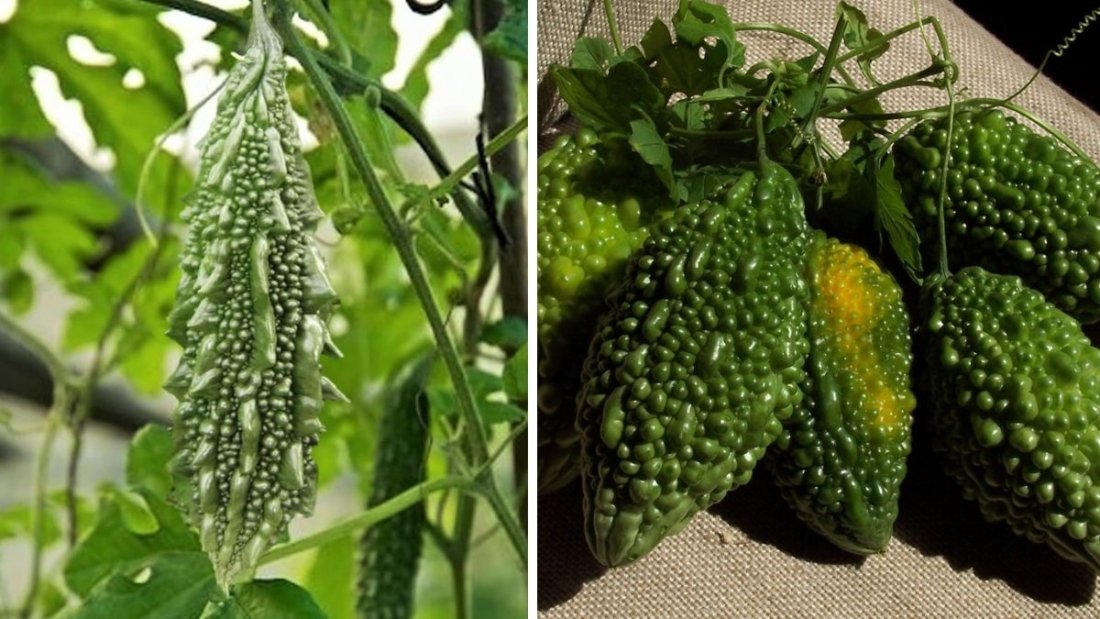
Bitter melon, also known as bitter gourd or karela, is one of the most unique vegetables in the world. With its bumpy green skin and famously bitter taste, this tropical vegetable is loved for its powerful health benefits and medicinal value. While its flavor may be an acquired taste, bitter melon has earned a strong place in traditional cuisines and natural medicine systems across Asia, Africa, and Latin America.

As global interest in functional foods and plant-based nutrition continues to grow, bitter melon has moved beyond local markets and into international trade. Today, millions of tonnes of bitter melon are harvested each year to supply households, restaurants, and health food industries worldwide.

But which country produces the most bitter melon in the world?

Let’s explore the answer, the reasons behind the top producer’s dominance, and how bitter melon has become a key crop in global agriculture.


What Is Bitter Melon?

Bitter melon (Momordica charantia) is a tropical and subtropical vine belonging to the cucumber family. The fruit is long and narrow with rough, ridged skin that turns yellow-orange when fully ripe.

Bitter melon is commonly used in:

  • Stir-fries
  • Curries
  • Soups
  • Juices and detox drinks
  • Herbal supplements

It is especially popular in Asian cuisines and traditional medicine.


Why Is Bitter Melon So Popular?

Despite its bitter taste, bitter melon is considered a superfood.

1. Supports Blood Sugar Control

Bitter melon contains compounds that mimic insulin and help regulate blood sugar levels.

2. Boosts Immunity

It is rich in vitamin C and antioxidants.

3. Aids Digestion

Its natural enzymes improve digestion and gut health.

4. Promotes Weight Management

Low in calories and high in fiber, bitter melon supports healthy weight loss.

5. Traditional Medicinal Uses

It has been used for centuries in Ayurveda, Traditional Chinese Medicine, and folk remedies.


Global Bitter Melon Production

Bitter melon thrives in warm climates with plenty of sunshine and moderate rainfall. It grows best in tropical and subtropical regions.

Major bitter melon growing regions include:

  • South Asia
  • Southeast Asia
  • East Asia
  • Africa
  • Caribbean
  • Central and South America

It is cultivated in over 30 countries worldwide.


Which Country Is the Largest Bitter Melon Producer in the World?

India is the largest bitter melon producer in the world.

India produces more bitter melon than any other country, making it the undisputed global leader in bitter gourd farming.

India’s Bitter Melon Production at a Glance

  • Annual production: Over 2 million metric tons
  • Global share: Nearly 40%
  • Major producing states:
    • Uttar Pradesh
    • Bihar
    • West Bengal
    • Odisha
    • Maharashtra
    • Karnataka
    • Andhra Pradesh

Bitter melon is grown widely across India due to its strong domestic demand and medicinal value.


Why Is India the World’s Largest Bitter Melon Producer?

Several factors contribute to India’s dominance.

1. Ideal Growing Conditions

India’s tropical climate provides warm temperatures and ample sunshine, perfect for bitter melon cultivation.

2. Long Growing Season

Bitter melon can be grown multiple times a year in many parts of India.

3. High Domestic Consumption

Bitter melon is a staple vegetable in Indian households and is widely used in traditional dishes.

4. Medicinal Importance

Ayurveda has long promoted bitter melon for diabetes management and detoxification.

5. Large Agricultural Workforce

Millions of small-scale farmers grow bitter melon as a profitable vegetable crop.


Top Bitter Melon Producing Countries

While India leads global production, several other countries are major producers.

1. India

The world’s largest bitter melon producer.

2. China

China grows bitter melon widely for domestic consumption and export.

3. Bangladesh

A major producer in South Asia.

4. Thailand

A leading producer in Southeast Asia.

5. Philippines

Popular in Filipino cuisine and traditional medicine.

6. Vietnam

Exports bitter melon to East Asian markets.


Bitter Melon Production by Region

Asia

Asia dominates global production, with India and China leading.

Africa

Grown in Nigeria, Ghana, and Kenya.

Latin America

Produced in Brazil, Mexico, and Peru.

Caribbean

Popular in Jamaica and Trinidad.


Popular Bitter Melon Varieties

Different regions grow different varieties.

Common Bitter Melon Varieties

  • Indian long green – Slender and very bitter
  • Chinese variety – Pale green, smoother skin
  • Hybrid varieties – High-yield, disease-resistant
  • White bitter melon – Milder flavor

Indian farmers grow both traditional and hybrid varieties.


How Bitter Melon Is Grown

1. Planting

Seeds are sown in well-drained soil.

2. Training the Vine

Plants grow on trellises for better airflow and fruit quality.

3. Irrigation

Regular watering is essential for healthy growth.

4. Flowering and Pollination

Bees play an important role in pollination.

5. Harvesting

Fruits are harvested when green and tender.


Economic Importance of Bitter Melon Farming

Bitter melon is an important income crop for small farmers.

Key Economic Benefits

  • Fast-growing crop with quick returns
  • High market demand
  • Strong export potential
  • Supports rural livelihoods
  • Used in pharmaceutical and nutraceutical industries

India exports bitter melon to:

  • Middle East
  • United States
  • United Kingdom
  • Southeast Asia

Bitter Melon in International Trade

With rising interest in natural remedies, bitter melon exports are growing.

Major Importing Countries

  • United States
  • United Kingdom
  • Canada
  • UAE
  • Australia

It is exported fresh, frozen, dried, and in powdered form.


Future of Global Bitter Melon Production

Bitter melon demand is expected to rise due to:

  • Increasing diabetes awareness
  • Growing interest in natural medicine
  • Expansion of Asian cuisine globally
  • Rise of plant-based diets

India is investing in improved varieties and modern farming techniques to maintain its global leadership.


Sustainability in Bitter Melon Farming

Modern bitter melon farming is becoming more eco-friendly.

Sustainable Practices

  • Organic cultivation
  • Natural pest control
  • Drip irrigation
  • Compost-based fertilization
  • Plastic-free packaging

These methods improve soil health and crop quality.


Final Answer: Which Country Is the Largest Bitter Melon Producer in the World?

India is the world’s largest bitter melon producer.

With its ideal climate, rich agricultural heritage, strong domestic demand, and traditional medicinal use, India leads global bitter melon production by a wide margin.


Conclusion

Bitter melon may be one of the most unusual-tasting vegetables, but it is also one of the most powerful natural health foods in the world. From Indian curries to Chinese stir-fries and herbal supplements, bitter melon continues to gain popularity across continents.

Among all producing nations, India stands at the top as the world’s largest bitter melon producer. Its vast farmlands, skilled farmers, and centuries-old culinary traditions ensure that bitter melon remains a cornerstone of Indian agriculture.

So the next time you enjoy a plate of karela sabzi or sip a bitter melon detox juice, remember that this powerful green vegetable most likely began its journey in the fertile fields of India.

Which Country Is the Largest Papaya Producer in the World?

Which Country Is the Largest Papaya Producer in the World?

Papaya is one of the most beloved tropical fruits in the world. With its bright orange flesh, juicy sweetness, and refreshing flavor, papaya has become a favorite in breakfast bowls, smoothies, desserts, and health drinks. But beyond its delicious taste, papaya is also a nutritional powerhouse, packed with vitamins, enzymes, and antioxidants.

As global demand for tropical fruits continues to grow, papaya farming has expanded rapidly across many warm regions of the world. Today, millions of tons of papaya are harvested every year to meet the needs of consumers across continents.

But which country leads the world in papaya production?

Let’s explore the answer, the reasons behind the dominance of the top producer, and how papaya has become a key fruit in global agriculture.


What Is Papaya?

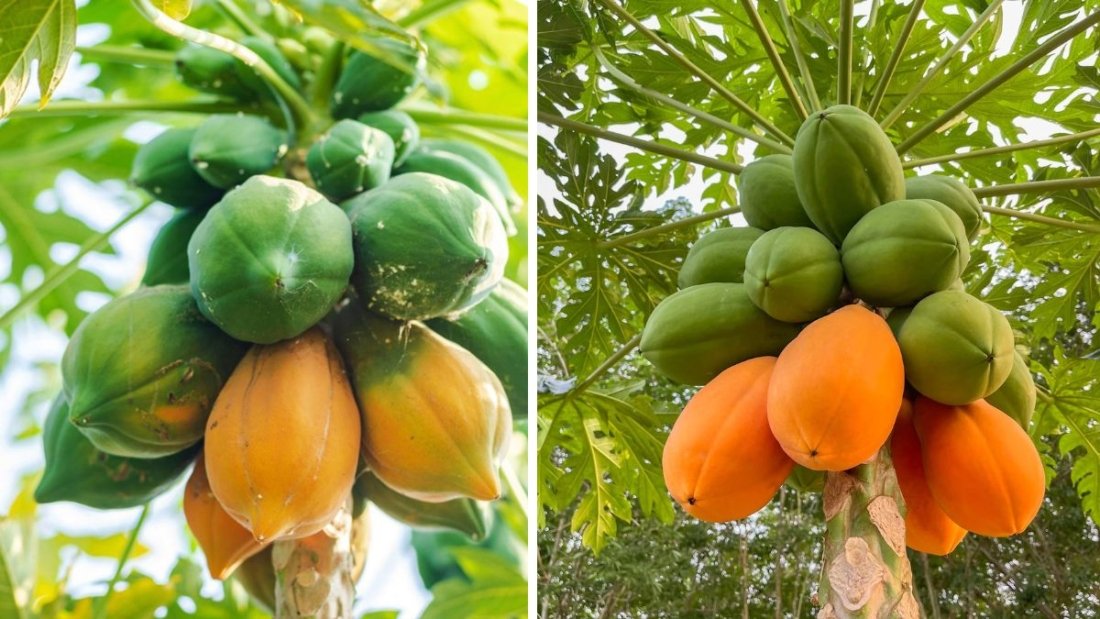
Papaya (Carica papaya) is a fast-growing tropical fruit tree native to Central America and southern Mexico. The fruit is oval-shaped with thin skin that turns yellow-orange when ripe. Inside, it contains soft orange flesh and black edible seeds.

Papaya is enjoyed in many forms:

  • Fresh slices
  • Smoothies and juices
  • Fruit salads
  • Dried snacks
  • Papaya-based desserts

In many Asian cuisines, green papaya is used in salads and savory dishes.


Why Is Papaya So Popular Worldwide?

Papaya is loved not only for its taste but also for its impressive health benefits.

1. Rich in Nutrients

Papaya is packed with:

  • Vitamin C
  • Vitamin A
  • Folate
  • Fiber
  • Potassium

2. Aids Digestion

Papaya contains the enzyme papain, which helps break down proteins and improves digestion.

3. Boosts Immunity

Its high antioxidant content helps strengthen the immune system.

4. Supports Heart Health

Papaya helps reduce cholesterol levels and supports healthy blood circulation.

5. Great for Skin and Hair

Papaya is widely used in skincare and beauty products due to its natural enzymes.


Global Papaya Production: A Growing Industry

Papaya thrives in warm tropical and subtropical climates. It grows best in countries with plenty of sunshine, moderate rainfall, and well-drained soil.

Today, papaya is grown in more than 60 countries worldwide, mainly in:

  • Asia
  • Latin America
  • Africa
  • The Caribbean

Global papaya production exceeds 13 million metric tons annually, making it one of the world’s most important tropical fruits.


Which Country Is the Largest Papaya Producer in the World?

India is the largest papaya producer in the world.

India produces more papayas than any other country, accounting for nearly 40% of global papaya production.

India’s Papaya Production at a Glance

  • Annual production: Over 5 million metric tons
  • Share of global production: Around 38–40%
  • Major producing states:
    • Andhra Pradesh
    • Gujarat
    • Karnataka
    • Maharashtra
    • Tamil Nadu
    • Uttar Pradesh

India’s vast agricultural land, favorable climate, and growing domestic demand have made it the undisputed leader in papaya farming.


Why Is India the World’s Largest Papaya Producer?

Several factors contribute to India’s dominance in papaya production.

1. Ideal Climate Conditions

Papaya grows best in warm temperatures between 22°C and 35°C. India’s tropical and subtropical climate provides perfect growing conditions throughout the year.

2. Large Cultivation Area

India has millions of hectares under fruit cultivation, and papaya is grown both commercially and in home gardens.

3. Year-Round Production

Unlike many fruits, papaya can be harvested year-round in India, ensuring a steady supply to markets.

4. High Domestic Consumption

Papaya is widely consumed across India as a breakfast fruit, juice, and dessert ingredient.

5. Improved Hybrid Varieties

Indian agricultural research institutes have developed high-yield papaya hybrids that are disease-resistant and fast-growing.


Top Papaya Producing Countries in the World

While India leads the world, several other countries are also major papaya producers.

1. India

The world’s largest papaya producer.

2. Brazil

Brazil is the largest papaya producer in Latin America and a major exporter to Europe and the US.

3. Mexico

Mexico is a leading papaya exporter, especially to the United States.

4. Indonesia

Indonesia produces papaya mainly for domestic consumption.

5. Nigeria

Nigeria is Africa’s largest papaya producer.

6. Thailand

Thailand grows papaya for both fresh consumption and processed products.


Papaya Production by Continent

Asia

Asia dominates global papaya production, led by India, Indonesia, Thailand, and the Philippines.

Latin America

Brazil and Mexico are major exporters to global markets.

Africa

Nigeria and Kenya are the leading African producers.

Oceania

Papaya is grown in small quantities in Australia and Pacific islands.


Popular Papaya Varieties Around the World

Different countries grow different varieties based on market demand.

Popular Papaya Varieties

  • Red Lady – High-yield hybrid, widely grown in India
  • Solo – Popular in Hawaii and Latin America
  • Sunrise Solo – Sweet and aromatic
  • Tainung – High-quality export variety
  • Pusa Delicious – Developed in India
  • Coorg Honey Dew – Indian variety with sweet flavor

How Papaya Is Grown: From Farm to Market

Papaya farming is relatively simple but requires careful management.

1. Planting

Seeds are planted in well-drained soil with plenty of sunlight.

2. Irrigation

Regular watering is essential, especially during dry seasons.

3. Fertilization

Balanced nutrients help increase fruit size and sweetness.

4. Pest and Disease Control

Farmers monitor for pests like fruit flies and fungal diseases.

5. Harvesting

Papayas are harvested when they start turning yellow.

6. Packaging and Transport

Fruits are carefully packed and transported to avoid bruising.


Economic Importance of Papaya Farming

Papaya farming plays a major role in rural economies.

Benefits of Papaya Production

  • Provides income to millions of farmers
  • Generates employment in packing and transport
  • Supports food processing industries
  • Boosts export earnings
  • Encourages agricultural diversification

In India alone, papaya farming supports thousands of farming communities.


India’s Growing Role in Papaya Exports

Although most of India’s papaya is consumed domestically, exports are steadily increasing.

Major Export Destinations

  • United Arab Emirates
  • Saudi Arabia
  • Qatar
  • Kuwait
  • Nepal
  • Bangladesh

With improved cold-chain infrastructure, India is expanding its presence in global papaya markets.


Future of Global Papaya Production

Papaya production is expected to grow steadily over the coming decade.

Emerging Trends

  • Development of disease-resistant varieties
  • Organic papaya farming
  • Eco-friendly packaging
  • Export-focused cultivation
  • Precision farming techniques

India is investing in modern fruit farming methods to strengthen its leadership in papaya production.


Sustainability in Papaya Farming

Modern papaya cultivation is becoming more environmentally friendly.

Sustainable Practices

  • Drip irrigation to save water
  • Organic pest control
  • Compost-based fertilization
  • Solar-powered cold storage
  • Plastic-free packaging

These practices ensure long-term productivity and environmental protection.


Final Answer: Which Country Is the Largest Papaya Producer in the World?

India is the world’s largest papaya producer.

With its favorable climate, large cultivation area, improved hybrid varieties, and massive domestic demand, India leads global papaya production by a wide margin.


Conclusion

Papaya is much more than a tropical fruit—it is a vital part of global agriculture and nutrition. Its delicious taste, digestive benefits, and growing popularity have made it one of the most widely grown fruits in the world.

Among all papaya-producing nations, India stands proudly at the top as the world’s largest papaya producer. From small family farms to large commercial orchards, India’s papaya industry continues to thrive and expand.

So the next time you enjoy a bowl of sweet papaya or sip a refreshing papaya smoothie, remember that this golden fruit most likely began its journey in the fertile fields of India.

Which Country Is the Largest Dragon Fruit Importer in the World?

Which Country Is the Largest Dragon Fruit Importer in the World?

Dragon fruit, also known as pitaya, is one of the most eye-catching fruits in the world. With its vibrant pink or yellow skin, green scales, and speckled flesh, dragon fruit looks like something straight out of a tropical fantasy. But beyond its exotic appearance, this fruit has become a global favorite for its refreshing taste, impressive nutritional value, and growing popularity in healthy diets.

Over the past decade, dragon fruit has transformed from a rare tropical delicacy into a supermarket staple across many countries. As demand continues to rise, international trade in dragon fruit has grown rapidly. But which country imports the most dragon fruit in the world?

Let’s explore the answer, the reasons behind the surge in demand, and how the global dragon fruit trade is shaping the future of this fascinating fruit.


What Is Dragon Fruit?

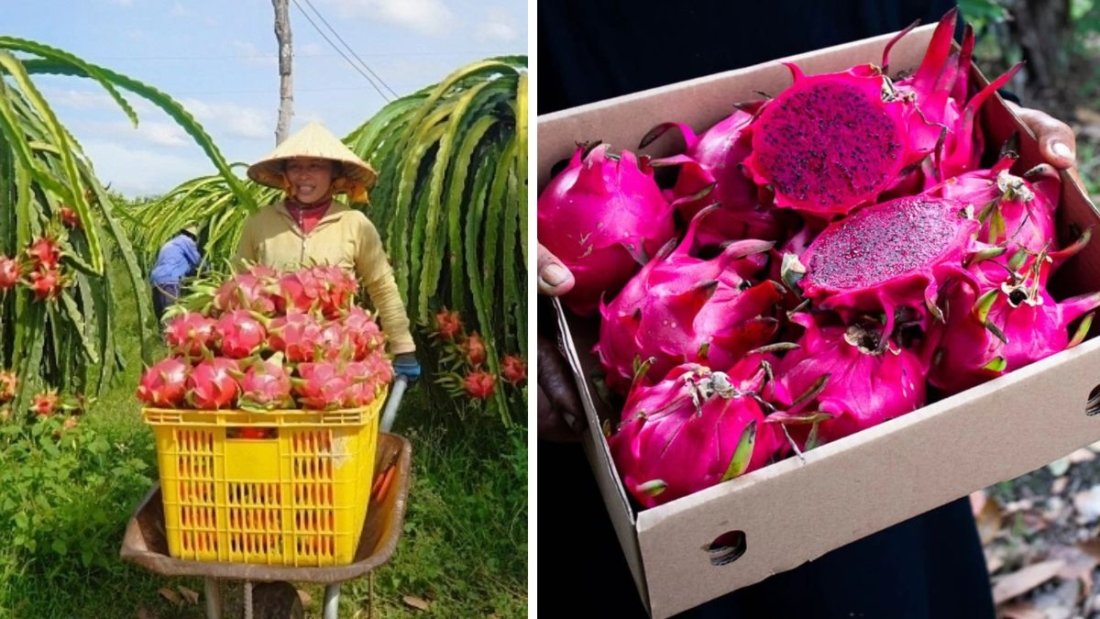
Dragon fruit comes from several species of cactus native to Central America but now widely cultivated in Southeast Asia. The fruit grows on climbing cactus vines and thrives in warm, dry climates.

There are three main types of dragon fruit:

  • Red skin with white flesh
  • Red skin with red flesh
  • Yellow skin with white flesh

Each variety has a mildly sweet, refreshing flavor similar to kiwi and pear, with a soft, juicy texture.


Why Is Dragon Fruit So Popular Worldwide?

Dragon fruit has become a global sensation thanks to several factors:

1. Health Benefits

Dragon fruit is rich in:

  • Vitamin C
  • Antioxidants
  • Fiber
  • Iron
  • Magnesium

It supports digestion, boosts immunity, improves skin health, and helps regulate blood sugar levels.

2. Exotic Appeal

Its striking appearance makes it popular in smoothies, fruit bowls, desserts, and fine dining dishes.

3. Versatile Usage

Dragon fruit is used in:

  • Smoothies and juices
  • Ice creams and sorbets
  • Salads
  • Jams and preserves
  • Cocktails

4. Growing Health-Conscious Consumer Base

As more people adopt healthier lifestyles, demand for superfruits like dragon fruit continues to rise.


Global Dragon Fruit Production

Before discussing the largest importer, it’s important to understand where dragon fruit is grown.

Major Dragon Fruit Producing Countries

  • Vietnam – World’s largest producer and exporter
  • Thailand
  • China
  • Malaysia
  • Indonesia
  • Philippines
  • Ecuador
  • Colombia
  • Israel

Vietnam alone accounts for over 50% of the world’s dragon fruit exports.


Which Country Is the Largest Dragon Fruit Importer in the World?

China is the world’s largest importer of dragon fruit.

China imports more dragon fruit than any other country on the planet, mainly from Vietnam, Thailand, Malaysia, and Ecuador.

Why China Leads Dragon Fruit Imports

Despite being a producer itself, China’s massive population and growing appetite for exotic fruits have made it the world’s biggest dragon fruit buyer.

China’s dragon fruit imports have skyrocketed over the last decade due to:

  • Rising middle-class income
  • Increased focus on healthy diets
  • Expansion of modern supermarkets
  • Growth of online grocery platforms
  • Rising popularity of smoothies and fruit-based drinks

China’s Dragon Fruit Import Market

China imports dragon fruit mainly through its southern borders and major ports.

Main Import Channels

  • Vietnam–China border trade (Guangxi and Yunnan provinces)
  • Ports of Shanghai, Guangzhou, and Shenzhen
  • Cold-chain logistics networks

Key Import Sources

China imports dragon fruit primarily from:

  1. Vietnam – Largest supplier
  2. Thailand
  3. Malaysia
  4. Philippines
  5. Ecuador

Vietnam supplies the majority due to proximity, favorable trade agreements, and year-round production.


Why China’s Demand for Dragon Fruit Is Exploding

1. Massive Population

With over 1.4 billion people, even small increases in per-capita consumption create enormous demand.

2. Health and Wellness Boom

Chinese consumers are increasingly focused on nutrition, immunity, and functional foods. Dragon fruit is considered a premium health fruit.

3. Urban Lifestyle Trends

Urban consumers prefer convenient, ready-to-eat fruit products, which has boosted dragon fruit sales in pre-cut and packaged forms.

4. Influence of Social Media

Food bloggers and influencers promote dragon fruit recipes, smoothie bowls, and detox drinks, driving popularity among younger consumers.

5. Expansion of Fruit Chains

Specialty fruit stores and premium supermarkets stock dragon fruit year-round.


Other Major Dragon Fruit Importing Countries

While China is the largest importer, several other countries also import large volumes of dragon fruit.

1. United States

Dragon fruit has become a popular fruit in health-conscious communities. It is widely sold in:

  • Whole Foods
  • Costco
  • Trader Joe’s
  • Asian supermarkets

2. European Union

Countries such as:

  • Germany
  • France
  • Netherlands
  • United Kingdom

import dragon fruit mainly from Vietnam, Ecuador, and Israel.

3. Japan

Japan imports premium-quality dragon fruit for high-end supermarkets and fruit gift markets.

4. South Korea

Dragon fruit is gaining popularity in cafes and dessert chains.

5. Middle East

UAE and Saudi Arabia import dragon fruit for luxury hotels and premium fruit markets.


How Dragon Fruit Is Transported Globally

Because dragon fruit is delicate and perishable, international trade relies heavily on modern logistics.

Export Process

  1. Harvesting at optimal ripeness
  2. Washing and grading
  3. Wax coating for freshness
  4. Packaging in ventilated cartons
  5. Cold storage at 7–10°C
  6. Refrigerated shipping or air freight

Cold-chain technology ensures dragon fruit reaches international markets in perfect condition.


Economic Impact of Dragon Fruit Trade

Dragon fruit has become a major export crop for producing countries.

Benefits for Producing Nations

  • Higher farmer income
  • Rural employment
  • Export revenue growth
  • Agricultural diversification
  • Infrastructure development

Vietnam earns billions of dollars annually from dragon fruit exports, with China as its biggest customer.


The Role of Vietnam in Global Dragon Fruit Trade

Vietnam is the backbone of the global dragon fruit market.

Why Vietnam Dominates Exports

  • Favorable tropical climate
  • Advanced cultivation methods
  • Year-round production
  • Proximity to China
  • Government export support

Vietnamese dragon fruit is exported to over 40 countries worldwide.


Future of Global Dragon Fruit Imports

The global dragon fruit market is expected to grow steadily over the next decade.

Key Growth Drivers

  • Rising health awareness
  • Expansion of tropical fruit trade
  • Growth of vegan and plant-based diets
  • Popularity of smoothie culture
  • Demand for exotic fruits

China is expected to remain the world’s largest importer due to its growing middle class and increasing fruit consumption.


Sustainability and Innovation in Dragon Fruit Farming

Modern dragon fruit farming is becoming more eco-friendly.

Innovations Include

  • Organic cultivation
  • Solar-powered night lighting for flowering
  • Water-efficient drip irrigation
  • Biodegradable packaging
  • Smart farm monitoring

These practices ensure a stable supply for global markets.


Final Answer: Which Country Is the Largest Dragon Fruit Importer in the World?

China is the world’s largest dragon fruit importer.

Thanks to its massive population, rising health consciousness, strong trade ties with Southeast Asia, and growing demand for exotic fruits, China leads the global dragon fruit import market by a wide margin.


Conclusion

Dragon fruit has evolved from a niche tropical fruit into a global health superstar. Its exotic beauty, refreshing taste, and impressive nutrition profile have made it a favorite among consumers worldwide.

Among all importing nations, China stands at the top as the world’s largest dragon fruit importer. With strong supply chains from Vietnam and other Southeast Asian producers, China continues to dominate the global dragon fruit trade.

As health trends grow and tropical fruit demand rises, dragon fruit’s journey from cactus farms to supermarket shelves will only become more important in global agriculture.

So the next time you enjoy a refreshing dragon fruit smoothie or fruit bowl, remember—you’re tasting one of the fastest-growing fruits in international trade, led by China’s massive market demand.

Which Country Is the Largest Apple Producer Globally?

Which Country Is the Largest Apple Producer Globally?

Apples are one of the most loved and widely consumed fruits in the world. From crunchy fresh bites to warm apple pies, refreshing juices, and flavorful salads, apples play a starring role in kitchens across cultures. But have you ever wondered where most of the world’s apples actually come from?

With millions of tonnes harvested every year, apple farming is a massive global industry that supports farmers, exporters, food companies, and consumers alike. In this article, we’ll explore which country is the largest apple producer globally, how apple production has evolved over time, and why apples continue to dominate fruit markets worldwide.


A Brief History of Apple Cultivation

Apples have been cultivated for thousands of years. Their origin traces back to Central Asia, particularly the region that is now Kazakhstan, where wild apple forests still grow today. Traders and travelers carried apples along the Silk Road into Europe and later into the Americas.

Over centuries, selective breeding created the sweet, juicy, and colorful varieties we enjoy today—such as Fuji, Gala, Granny Smith, Golden Delicious, Red Delicious, and Honeycrisp.

Today, apples are grown on every continent except Antarctica, making them one of the most globally cultivated fruits.


Global Apple Production: A Growing Industry

Apple production has expanded rapidly due to:

  • Increasing global fruit consumption
  • Rising awareness of healthy eating
  • Growth of food processing industries
  • Improved farming technologies
  • Better cold storage and transport systems

Each year, the world produces over 86 million metric tons of apples, making apples one of the top fruit crops alongside bananas, oranges, and grapes.

But among all producing nations, one country clearly dominates.


Which Country Is the Largest Apple Producer Globally?

China is the largest apple producer in the world.

China has held the top position in global apple production for more than two decades and produces more apples than all other major apple-growing countries combined.

China’s Apple Production at a Glance

  • Annual production: Over 45 million metric tons
  • Share of global production: Nearly 50%
  • Major apple-growing regions:
    • Shaanxi
    • Shandong
    • Henan
    • Shanxi
    • Hebei

China’s apple farms cover millions of hectares, and the country supplies both its massive domestic population and international markets.


Why Is China the World’s Largest Apple Producer?

Several factors contribute to China’s dominance in apple farming:

1. Ideal Climate Conditions

Apple trees thrive in temperate climates with cold winters and mild summers. Many regions in northern and central China offer perfect growing conditions for apple orchards.

2. Large Agricultural Land Area

China has vast rural farmland dedicated to fruit cultivation. Entire provinces specialize in apple farming, creating large-scale production zones.

3. Skilled Farming Workforce

Millions of farmers are engaged in orchard management, harvesting, sorting, and packaging. Apple farming provides livelihoods for rural communities.

4. Government Support

The Chinese government has invested heavily in agricultural modernization, irrigation, pest control, and cold storage infrastructure.

5. Strong Domestic Demand

With a population of over 1.4 billion people, China has one of the world’s largest fruit markets. Apples are a popular daily fruit, snack, and ingredient.


Top Apple Producing Countries in the World

While China leads by a massive margin, several other countries are also major apple producers.

1. China

The undisputed leader in global apple production.

2. United States

The second-largest apple producer, with major production in

  • Washington State
  • New York
  • Michigan
  • California

Washington alone produces more than half of all apples in the US.

3. Turkey

Turkey has rapidly expanded its apple orchards and is now one of the largest producers in Europe and the Middle East.

4. Poland

Poland is Europe’s largest apple producer and a major exporter of apple juice concentrate.

5. India

India’s apple production is growing steadily, mainly in:

  • Himachal Pradesh
  • Jammu & Kashmir
  • Uttarakhand

Indian apples are popular across domestic markets.

6. Iran

Iran has strong apple exports to neighboring countries and produces both fresh apples and processed apple products.


Apple Production by Continent

Asia

Asia leads the world in apple production due to China’s dominance, followed by India, Iran, and Turkey.

Europe

Poland, Italy, France, and Russia are the main European apple producers.

North America

The United States and Canada grow apples primarily for domestic markets and export.

South America

Chile and Argentina are major exporters, especially to Asia and Europe.

Oceania

New Zealand is famous for premium apple exports.

Africa

South Africa is the continent’s largest apple producer and exporter.


Most Popular Apple Varieties Worldwide

Different countries specialize in different apple varieties depending on climate and market demand.

Top Global Apple Varieties

  • Fuji – Sweet, crisp, and popular in Asia
  • Gala – Mild sweetness, great for fresh eating
  • Red Delicious – Classic deep red color
  • Golden Delicious – Balanced sweet-tart flavor
  • Granny Smith – Tart and perfect for baking
  • Honeycrisp – Extremely juicy and crisp

China grows a wide range of varieties, with Fuji being the most dominant.


How Apples Are Grown: From Orchard to Market

Apple production is a year-round process involving careful planning and management.

1. Planting

Apple saplings are planted in well-drained soil with good sunlight exposure.

2. Pruning

Trees are pruned to improve air circulation and fruit quality.

3. Pollination

Bees play a vital role in pollinating apple blossoms.

4. Harvesting

Apples are harvested in late summer and autumn when they reach full maturity.

5. Storage

Modern cold storage allows apples to be sold year-round.

6. Distribution

Apples are transported globally through refrigerated containers.


Health Benefits of Apples

Apples are often called a “superfruit” for good reason.

Key Nutritional Benefits

  • Rich in fiber for digestion
  • Packed with antioxidants
  • Supports heart health
  • Helps control blood sugar
  • Aids weight management
  • Boosts immunity

The famous saying, “An apple a day keeps the doctor away,” holds true even today.


Economic Importance of Apple Farming

Apple production is a multi-billion-dollar industry worldwide.

Key Economic Impacts

  • Employment for millions of farmers
  • Export revenue for producing nations
  • Growth of food processing industries
  • Boost to rural economies
  • Development of cold storage and logistics sectors

China, the US, Poland, and Chile earn billions annually through apple exports.


Future of Global Apple Production

Apple farming continues to evolve with technology and climate adaptation.

Emerging Trends

  • Climate-resistant apple varieties
  • Precision irrigation systems
  • Organic apple farming
  • Eco-friendly packaging
  • Smart orchards with AI monitoring

China is investing heavily in smart agriculture, ensuring its continued dominance in apple production.


Final Answer: Which Country Is the Largest Apple Producer Globally?

China is the world’s largest apple producer.

With nearly half of the world’s apple supply coming from its orchards, China remains the undisputed leader in apple production. Its combination of favorable climate, vast farmland, advanced farming practices, and huge domestic demand has made it the global apple powerhouse.


Conclusion

Apples may be simple, everyday fruits, but behind each crunchy bite lies a vast global industry powered by farmers, scientists, exporters, and logistics experts. Among all apple-producing nations, China stands at the top, producing more apples than any other country on Earth.

Whether you’re enjoying a fresh apple, sipping apple juice, or baking a warm apple pie, chances are that the fruit’s journey began in one of the world’s massive apple orchards—very likely in China.

So next time you take a bite of a juicy apple, you’ll know exactly which country leads the world in bringing this delicious fruit to your table.