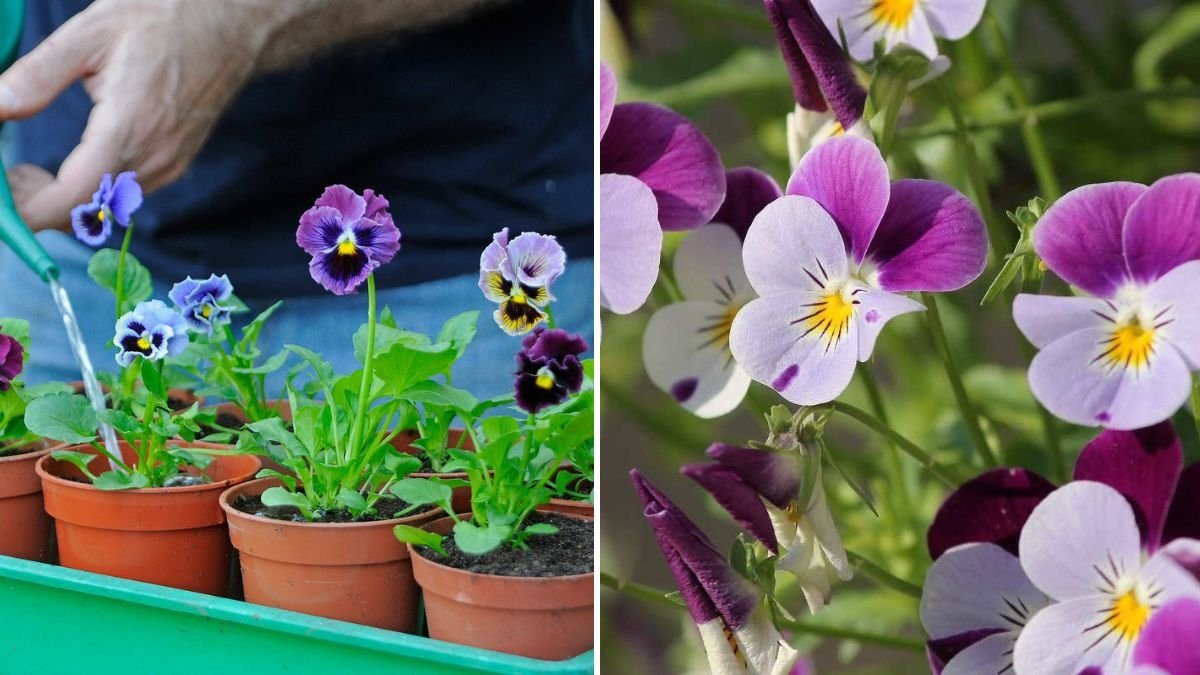
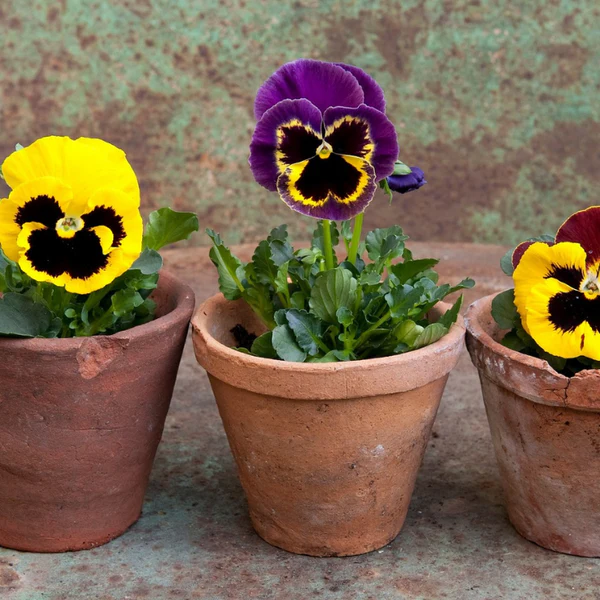
Pansies are among the most charming and colorful flowers you can grow, brightening gardens, balconies, and window boxes with their cheerful faces. Known for their vibrant petals and long-lasting blooms, pansies are a favorite among gardeners of all levels. Growing pansies from seeds may seem challenging, but with the right techniques, even beginners can enjoy a flourishing display of these stunning flowers. This comprehensive guide provides full updates and step-by-step instructions to help you grow pansies successfully from seed.
1. Why Grow Pansies from Seed?

Growing pansies from seeds offers several benefits:
- Cost-effective: Buying seeds is cheaper than purchasing mature plants.
- Variety selection: You can choose from a wide range of colors, patterns, and hybrid varieties.
- Homegrown freshness: Enjoy vibrant, healthy flowers grown naturally without chemicals.
- Gardening satisfaction: Nurturing flowers from seed provides a rewarding and educational experience.
Though pansies take a little patience to flower from seeds, the vibrant blooms and variety options make it worthwhile.
2. Choosing High-Quality Pansy Seeds
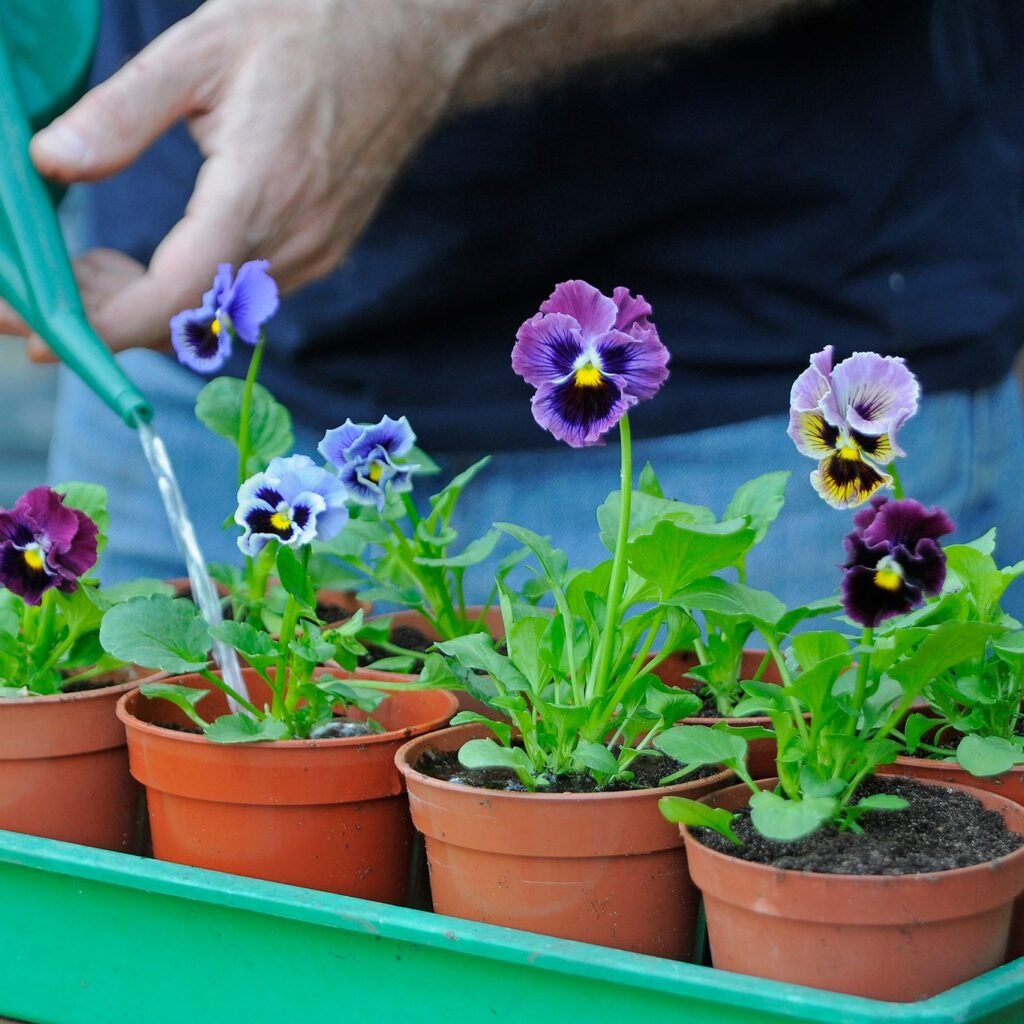
The success of your pansy garden depends on selecting good seeds:
- Fresh seeds: Check the expiration date; fresh seeds have a higher germination rate.
- Varieties: Popular types include:
- Standard pansies: Large, colorful blooms.
- Violas: Smaller flowers with delicate petals.
- Hybrid pansies: Bred for unique patterns, sizes, or longer bloom periods.
- Seed source: Choose reputable suppliers to ensure healthy seeds free from diseases.
Good seeds increase germination rates and produce vibrant, healthy plants.

3. Pre-Treating Pansy Seeds for Germination
Pansy seeds have a hard outer coating and benefit from pre-treatment:
- Cold stratification: Place seeds in a damp paper towel inside a ziplock bag and refrigerate for 1–2 weeks. This mimics winter conditions and improves germination.
- Soaking: After stratification, soak seeds in lukewarm water for 4–6 hours to soften the seed coat.
- Scarification (optional): Lightly rub seeds with fine sandpaper to help water penetration.
Pre-treated seeds germinate faster and more uniformly, giving seedlings a strong start.
4. Choosing the Right Growing Medium
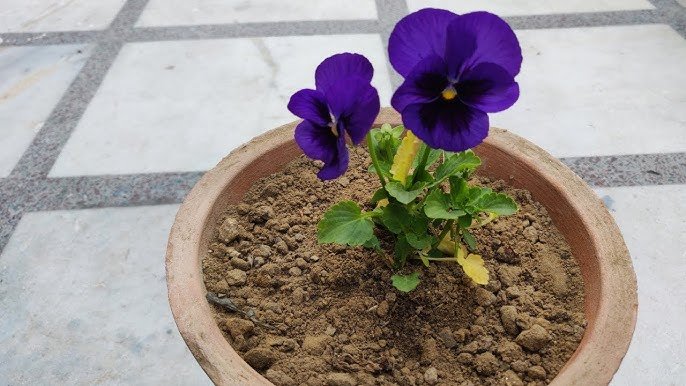
Pansies thrive in light, well-draining soil:
- Seed-starting mix: Use a fine, sterile seed-starting mix for best results. Avoid heavy garden soil, which can hinder germination.
- pH level: Slightly acidic to neutral soil (pH 6.0–7.0) is ideal.
- Containers: Seed trays, small pots, or cell packs work well for starting pansy seeds indoors.
Healthy soil ensures strong seedlings with vigorous growth.
5. Planting Pansy Seeds
Planting pansy seeds correctly is crucial:

- Sowing depth: Sprinkle seeds lightly on the soil surface; do not cover them deeply as they need light to germinate.
- Spacing: Leave small gaps between seeds to prevent overcrowding.
- Watering: Mist soil gently to keep it moist but not soggy.
- Humidity: Cover trays or pots with a transparent lid or plastic wrap to maintain humidity.
Pansy seeds usually germinate in 7–14 days, depending on the variety and environmental conditions.
6. Light and Temperature Requirements
Pansies prefer cool temperatures and adequate light:
- Temperature: Ideal germination temperature is 15–20°C (59–68°F).
- Light: Once seedlings emerge, provide 12–14 hours of bright light daily using a sunny windowsill or grow lights.
- Indoor care: Rotate seedlings periodically to ensure even growth and prevent leggy stems.
Proper temperature and light conditions ensure strong, healthy seedlings.
7. Watering and Care
Consistent care is key to growing vibrant pansies:
- Moisture: Keep soil consistently moist but avoid waterlogging.
- Watering method: Water at the base to prevent wetting leaves, which can cause fungal issues.
- Mulching: Add a thin layer of mulch around seedlings to retain moisture and regulate soil temperature.
Balanced watering helps plants develop strong roots and promotes long-lasting blooms.
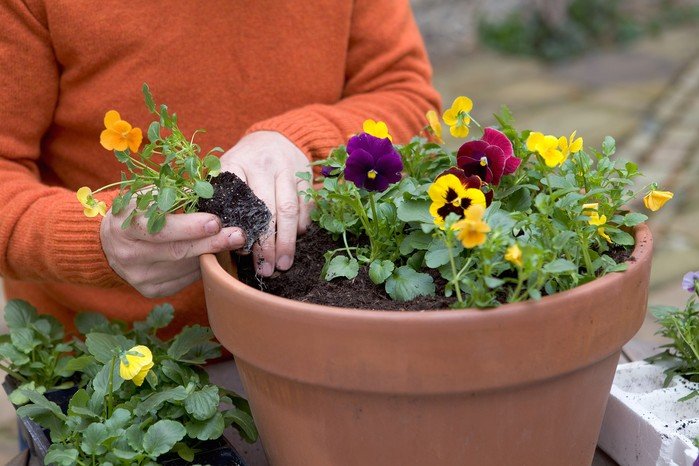
8. Transplanting Seedlings
Once seedlings have 3–4 true leaves, they are ready for transplanting:
- Hardening off: Gradually expose seedlings to outdoor conditions for 7–10 days to reduce transplant shock.
- Container or garden bed: Choose pots with good drainage or well-prepared garden beds.
- Spacing: Plant seedlings 6–8 inches apart to allow air circulation and prevent disease.
- Watering: Water immediately after transplanting to help seedlings settle.
Proper transplanting ensures robust growth and a healthy flowering cycle.
9. Fertilizing Pansies
Pansies benefit from regular feeding for vibrant blooms:
- Balanced fertilizer: Apply a water-soluble, balanced fertilizer every 2–3 weeks.
- Organic alternatives: Compost or vermicompost can be used to provide nutrients naturally.
- Avoid over-fertilization: Excess nitrogen encourages leaf growth over flower production.
Regular fertilization ensures colorful, abundant blooms throughout the season.
10. Pruning and Maintenance
Routine care keeps pansies healthy and blooming:

- Deadheading: Remove faded flowers regularly to promote new blooms.
- Trimming: Cut leggy or damaged stems to encourage bushy growth.
- Pest monitoring: Watch for aphids, snails, or slugs, and treat with organic solutions as needed.
Proper pruning and maintenance extend the flowering period and maintain plant health.
11. Pest and Disease Management
Pansies are relatively hardy but can face challenges:
- Common pests: Aphids, snails, and spider mites. Use neem oil, soapy water, or physical barriers.
- Diseases: Powdery mildew and root rot may occur in overly wet conditions. Ensure proper spacing and drainage.
- Preventive care: Maintain good air circulation and avoid wetting leaves.
Early detection and treatment ensure healthy plants and abundant flowers.
12. Tips for Beginners
- Succession planting: Sow new seeds every few weeks to maintain continuous blooms.
- Labeling: Track different pansy varieties for color planning and bloom timing.
- Container gardening: Use hanging baskets or window boxes for compact spaces.
- Patience: Pansies from seed may take 10–12 weeks to bloom, but the reward is vibrant, long-lasting flowers.
Following these tips helps beginners grow successful pansy gardens.
13. Benefits of Growing Pansies from Seed
- Variety and control: Choose from numerous colors and patterns.
- Cost-effective: Saves money on nursery plants.
- Gardening experience: Teaches patience, planning, and care.
- Long-lasting blooms: Properly grown pansies bloom for months, enhancing your garden’s beauty.
Growing pansies from seeds is a fulfilling experience that brightens any space.

Conclusion
Growing pansies from seed is a fun, rewarding, and cost-effective way to add vibrant color to your garden. By selecting high-quality seeds, pre-treating them, planting correctly, providing proper light, water, and nutrients, and maintaining routine care, beginners can achieve a flourishing display of beautiful flowers.
This complete guide with full updates ensures even novice gardeners can enjoy the satisfaction of nurturing pansies from seed to bloom. Start your pansy garden today and watch your outdoor or indoor spaces transform with cheerful, colorful blossoms!

Leave A Comment