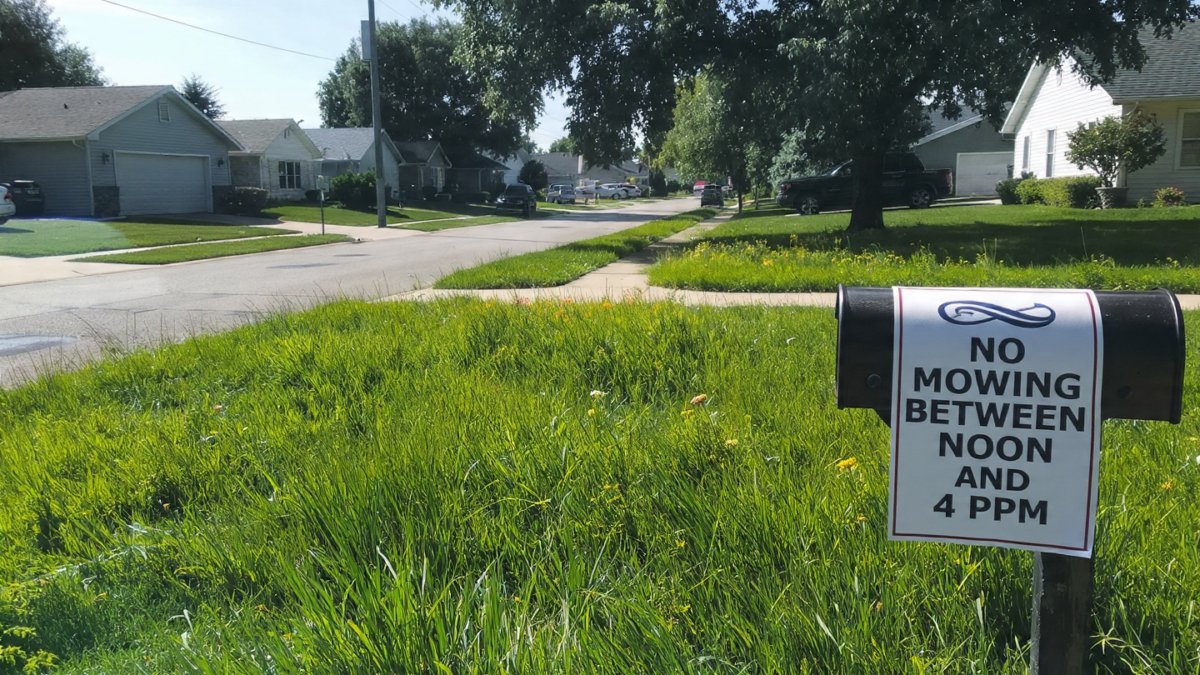
Homeowners and gardeners across the region are reacting with surprise and concern following the announcement of a new regulation that will take effect on February 15. Under the new rule, mowing lawns between noon and 4 p.m. will be prohibited. Officials say the measure is designed to address environmental, health, and safety concerns, but many residents are questioning how it will affect their daily routines.
For people who rely on midday hours to maintain their lawns, this change represents a major adjustment. From busy professionals to elderly homeowners and landscaping businesses, the impact of the new regulation is expected to be widespread.
Understanding the New Rule
The regulation bans the use of lawn mowers and similar grass-cutting equipment between 12:00 p.m. and 4:00 p.m. starting February 15. This applies to both residential and commercial properties.
Authorities state that the restriction is part of a broader initiative to promote environmental sustainability, reduce noise pollution, and protect public health. Violators may face warnings, fines, or other penalties depending on local enforcement policies.
While the rule does not ban lawn mowing altogether, it limits it to early morning or late afternoon and evening hours.
Why Authorities Introduced the Ban
Officials have cited several key reasons behind the decision.
Extreme Heat Concerns
One of the main motivations is rising daytime temperatures. In many regions, noon to 4 p.m. is the hottest part of the day. Mowing during this period exposes people to heat exhaustion, dehydration, and heat stroke.
Local health departments have reported increasing numbers of heat-related illnesses, especially among outdoor workers and elderly residents. By discouraging physical activity during peak heat hours, authorities hope to reduce medical emergencies.
Environmental Protection
Lawn mowing during intense heat can stress grass and soil. Cutting grass at midday often weakens root systems, leading to yellowing, drying, and long-term damage.
Additionally, fuel-powered mowers release more emissions when operating in high temperatures. Limiting their use during peak heat hours helps reduce air pollution and greenhouse gas output.

Noise Reduction
Another factor is noise pollution. Many residents complain about loud lawn equipment during midday, when people may be working from home, resting, or caring for children.
The ban aims to create quieter neighborhoods during peak daytime hours, improving overall quality of life.
Fire Prevention
In dry conditions, sparks from machinery or hot engines can increase the risk of grass fires. Authorities believe restricting mowing during the hottest part of the day lowers this risk, especially in drought-prone areas.
How the Rule Affects Homeowners
For many homeowners, the new schedule will require significant adjustments.
People who previously mowed during lunch breaks or early afternoons will now need to switch to mornings or evenings. This may be difficult for those with rigid work schedules.
Parents managing household responsibilities may struggle to find suitable time. Elderly residents who prefer midday work due to cooler mornings or safety concerns may also feel disadvantaged.
Some residents worry that limited mowing hours will result in overgrown lawns, leading to fines from housing associations or complaints from neighbors.
Impact on Landscaping Businesses
Professional landscapers are among those most affected.
Many companies schedule multiple properties throughout the day, often relying on midday hours to complete their routes. The new restriction forces them to reorganize schedules, hire additional staff, or extend working hours.
This could lead to increased operating costs, which may eventually be passed on to customers through higher service fees.

Small landscaping businesses, in particular, may struggle to adapt quickly, raising concerns about job losses and reduced income.
Public Reaction: Mixed Opinions
Public response to the ban has been divided.
Supporters argue that the regulation is necessary in light of climate change and growing health risks. They believe protecting workers and reducing environmental damage should take priority over convenience.
“I’ve seen too many people collapse from heat while working outside,” said one resident. “If this rule saves lives, it’s worth it.”
Critics, however, view the ban as excessive government interference.
“This is my property,” one homeowner commented. “I should be able to mow my lawn when I want.”
Others worry about enforcement. Some fear selective policing or unnecessary fines over minor violations.
Legal and Enforcement Considerations
Local authorities have stated that enforcement will focus on education first, rather than punishment. During the initial months, officials plan to issue warnings to violators and distribute informational materials.
After the adjustment period, fines may be imposed. The amount will vary depending on location and repeat offenses.
Exceptions may apply in certain circumstances, such as emergency maintenance, community projects, or special permits for commercial operations.

Residents are encouraged to check with their local municipality for specific guidelines.
Benefits for Lawns and Plants
Surprisingly, the ban may benefit lawns in the long run.
Grass is most vulnerable to stress during peak sunlight. Cutting it at this time exposes fresh blades to intense heat, leading to moisture loss and disease.
Mowing in the early morning or late afternoon allows grass to recover more easily. Cooler temperatures and reduced sunlight help preserve soil moisture.
Experts say lawns maintained outside peak hours often appear greener, thicker, and healthier.
Adapting to the New Schedule
To comply with the new regulation, homeowners can adopt several strategies.
Mow Early in the Morning
Between 7 a.m. and 10 a.m. is often considered ideal. Temperatures are lower, and grass still retains morning moisture.
However, residents should be mindful of local noise rules that may restrict early-morning equipment use.
Mow in the Evening
Late afternoon or early evening is another good option. After 4 p.m., temperatures begin to drop, making mowing safer and less stressful for plants.
Avoid mowing too late at night, as damp grass can encourage fungal growth.

Use Efficient Equipment
Modern electric and battery-powered mowers are quieter and more energy-efficient. They also produce fewer emissions, aligning with the spirit of the regulation.
Investing in quality equipment can make shorter mowing windows more productive.
Adjust Lawn Care Practices
Raising mower blades slightly reduces stress on grass. Leaving clippings on the lawn helps retain moisture and improve soil quality.
Watering lawns deeply but less frequently also helps grass withstand heat.
Broader Implications for Urban Living
The lawn-mowing ban reflects a larger shift in how communities manage environmental and public health challenges.
Cities and towns are increasingly regulating outdoor activities to adapt to climate change, reduce pollution, and promote sustainable living.
Similar measures have already been introduced in some areas for construction work, vehicle emissions, and water usage.
While these regulations may feel restrictive, officials argue they are necessary for long-term resilience.
Economic and Social Considerations
Some residents worry that the ban may disproportionately affect low-income households.
People working multiple jobs may have limited time outside the restricted hours. Hiring professional services may not be affordable for everyone.

Community leaders are discussing possible solutions, such as shared equipment programs, flexible enforcement, and public awareness campaigns.
Balancing fairness with environmental goals remains a major challenge.
What Residents Should Do Now
Before February 15, residents are advised to:
- Review local guidelines and penalties
- Adjust personal schedules
- Inform family members and workers
- Update landscaping service agreements
- Explore quieter and eco-friendly equipment
Staying informed will help avoid unnecessary fines and stress.
Conclusion: A Change That Demands Adjustment
The ban on mowing lawns between noon and 4 p.m., starting February 15, marks a significant change in daily life for many households. While it may seem inconvenient, authorities argue that it is necessary to protect public health, reduce environmental harm, and improve community well-being.
Supporters see it as a forward-thinking response to climate challenges. Critics view it as an unnecessary limitation on personal freedom. Both perspectives reflect genuine concerns.
Ultimately, the success of this regulation will depend on cooperation, clear communication, and reasonable enforcement. As residents adapt their routines and explore new lawn-care practices, the rule may gradually become part of everyday life.
Whether welcomed or resisted, this policy signals a growing awareness that even small activities like mowing a lawn can have wider impacts on health, safety, and the environment. In an era of changing climates and evolving urban needs, communities are being asked to rethink long-standing habits for the sake of a more sustainable future.

Leave A Comment