Gardening is a cherished hobby for millions of people worldwide. It offers relaxation, a connection to nature, and the satisfaction of growing your own fruits, vegetables, and flowers. Among the many practices gardeners embrace, collecting rainwater has long been considered both eco-friendly and economical. Rainwater harvesting reduces dependence on municipal water, lowers utility bills, and can help maintain lush gardens during dry periods.
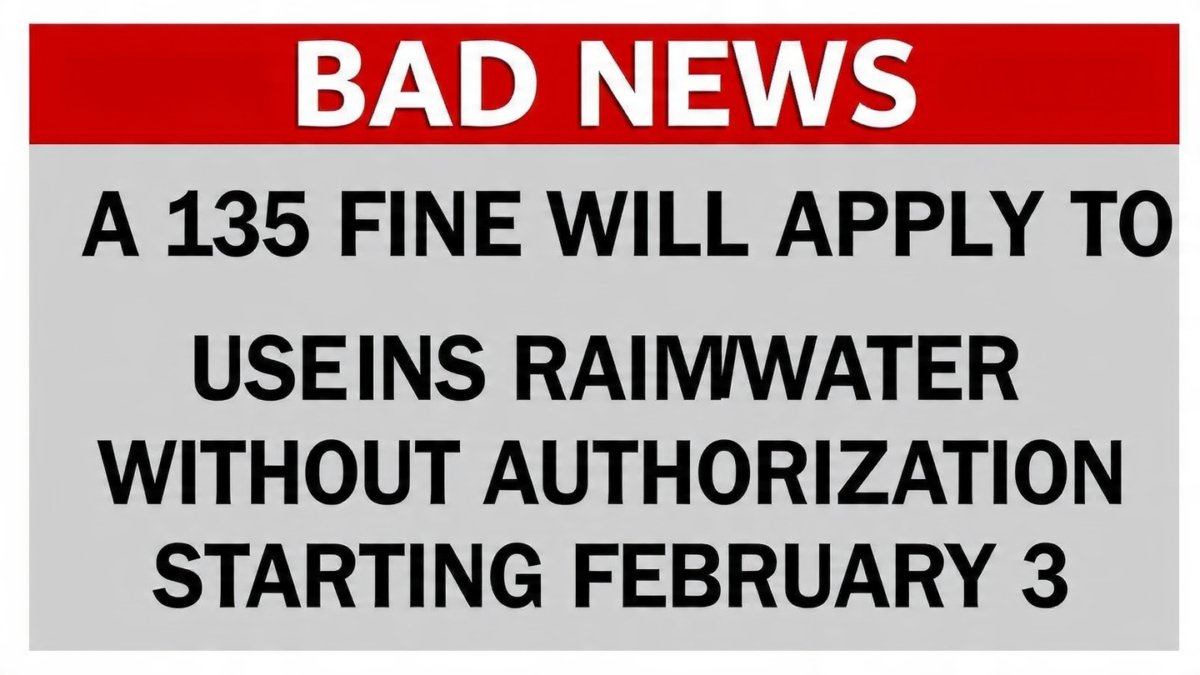
However, a new regulation set to take effect on February 3 is sending shockwaves through the gardening community: gardeners who collect or use rainwater without proper authorization will face a $135 fine. This policy is part of broader water management efforts aimed at regulating water use, ensuring safety, and promoting sustainable practices, but it has sparked controversy and confusion among those who rely on rainwater for their daily gardening needs.
In this article, we will explore the details of the new regulation, why it has been introduced, the potential impact on gardeners, and what steps you can take to stay compliant while continuing to enjoy your garden.
Understanding the Regulation
The regulation prohibits the unauthorized collection and use of rainwater, including from rooftops, patios, and other surfaces. While rainwater harvesting is not illegal in all areas, authorities now require homeowners and gardeners to obtain formal authorization, typically through permits or registration with local water management agencies.
The $135 fine will apply to anyone found using rainwater without approval. This includes:
- Rooftop collection systems with barrels or tanks
- Rainwater-fed irrigation systems
- Any stored rainwater used for watering plants, gardens, or lawns
Authorities have emphasized that this fine is not intended as a punitive measure but rather as a tool to ensure proper water management. It is meant to encourage compliance with safety standards, prevent unregulated water diversion, and promote sustainable use of resources.

Why Authorities Are Introducing This Measure
At first glance, penalizing gardeners for collecting rainwater may seem harsh. However, several reasons underpin the decision:
1. Protecting Public Water Systems
Water authorities need to monitor and regulate the use of all water resources to prevent shortages, contamination, or misuse. Unauthorized rainwater collection can sometimes interfere with drainage systems, stormwater management, or local water supply calculations.
By ensuring that all rainwater harvesting systems are registered, authorities can better assess water availability and manage public resources effectively.
2. Ensuring Health and Safety
Rainwater itself is not inherently unsafe, but improper storage and handling can pose health risks. Uncovered barrels or tanks can become breeding grounds for mosquitoes, bacteria, and algae. By requiring authorization, regulators can ensure that storage systems meet safety standards, including filtration, secure covers, and proper sanitation practices.
3. Environmental Considerations
Unregulated rainwater collection can impact local ecosystems. Removing large volumes of rainwater before it reaches the soil or drainage systems can affect soil moisture, plant health, and even aquatic habitats downstream. The new rules aim to balance personal gardening benefits with broader environmental protection.
4. Legal Clarity
Before this regulation, rules around rainwater harvesting were often vague. Some gardeners believed they could freely collect water, while others were unsure of the legality. The introduction of fines and clear authorization requirements provides legal clarity and ensures everyone understands the rules.

How Gardeners Are Reacting
The announcement of a $135 fine has triggered mixed reactions among gardening enthusiasts:
- Frustration: Many gardeners feel penalized for engaging in environmentally responsible practices. Rainwater harvesting has long been promoted as a sustainable alternative to municipal water. For these gardeners, the fine seems counterintuitive.
- Confusion: Questions about how to obtain authorization, which systems qualify, and how the regulation will be enforced have left some unsure of what steps to take.
- Compliance Efforts: Some gardeners are already exploring official registration processes, updating collection systems to meet safety standards, and adjusting their gardening practices to avoid fines.
Authorities have acknowledged these concerns and are working on awareness campaigns to educate the public about the rules, permit applications, and best practices for safe rainwater use.
Steps to Stay Compliant
If you are a gardener who uses or plans to use rainwater, taking proactive steps now can help you avoid fines. Here’s what you should do:
1. Check Local Regulations
Rules around rainwater harvesting can vary by region. Contact your local water authority or municipal office to confirm:
- Whether permits are required
- Which types of collection systems are authorized
- Any restrictions on storage capacity or usage
2. Obtain Proper Authorization
If permits or registration are needed, apply as early as possible. This typically involves:
- Providing details about your collection system
- Ensuring tanks or barrels meet safety standards
- Agreeing to inspections or compliance checks if required
3. Upgrade Your System
Even if you have an existing system, authorities may require improvements for compliance. Common upgrades include:

- Installing covers to prevent contamination
- Adding screens to filter debris
- Ensuring overflow systems are in place to prevent flooding
- Using safe materials for storage tanks
4. Track Your Usage
Some regions may require monitoring of water usage. Simple logbooks or water meters can help demonstrate that your rainwater use is responsible and in compliance with regulations.
5. Explore Alternative Watering Options
If authorization is difficult or costly, consider alternative solutions:
- Greywater reuse: Water from sinks or showers, properly treated, can supplement garden irrigation
- Drip irrigation with municipal water: Efficient and reduces waste
- Native or drought-tolerant plants: Reduce overall water needs, lessening dependence on collected rainwater
The Benefits of Rainwater Despite Regulation
Even with stricter rules, rainwater remains a valuable resource. It is often softer than tap water, free of chemicals like chlorine, and can improve soil quality and plant health. With proper authorization and safe storage, gardeners can continue to enjoy these benefits without risk of fines.
In fact, the new rules may encourage safer and more responsible rainwater use:
- Reducing mosquito breeding and waterborne pathogens
- Ensuring water is used efficiently for irrigation
- Promoting environmentally responsible practices
Preparing for Enforcement
Starting February 3, authorities plan to enforce the $135 fine consistently. While initial inspections may focus on education and warnings, repeated violations are likely to incur the full penalty. Gardeners should prepare by:
- Reviewing their rainwater systems for compliance
- Submitting any necessary permits promptly
- Keeping proof of authorization in case of inspections
By acting now, you can avoid fines and ensure your gardening practices remain both legal and sustainable.

The Larger Context: Sustainable Gardening
This regulation highlights the growing attention to water management and sustainable gardening practices. As urban areas expand and climate change impacts rainfall patterns, water authorities are under pressure to ensure resources are used responsibly.
Gardeners, in turn, are being encouraged to adopt practices that:
- Conserve water
- Minimize environmental impact
- Maintain health and safety standards
- Comply with legal requirements
While the $135 fine may feel inconvenient, it is part of a broader effort to balance personal gardening interests with the needs of communities, ecosystems, and municipal infrastructure.
Conclusion
The new regulation introducing a $135 fine for unauthorized rainwater use is a wake-up call for gardeners across the region. Starting February 3, individuals who collect and use rainwater without proper authorization could face penalties, making compliance more important than ever.
While it may feel frustrating to see restrictions on a previously unregulated practice, the rule is rooted in valid concerns about water management, health, and environmental sustainability. By understanding the regulation, upgrading systems, obtaining proper authorization, and exploring alternative watering options, gardeners can continue to enjoy the benefits of rainwater safely and legally.
Ultimately, this is an opportunity to adopt smarter, more responsible gardening habits. With a few adjustments, you can maintain a thriving garden, contribute to sustainable water use, and avoid the financial penalty. In a time when every drop counts, staying informed and compliant ensures that your garden continues to flourish while respecting broader community needs.


Leave A Comment