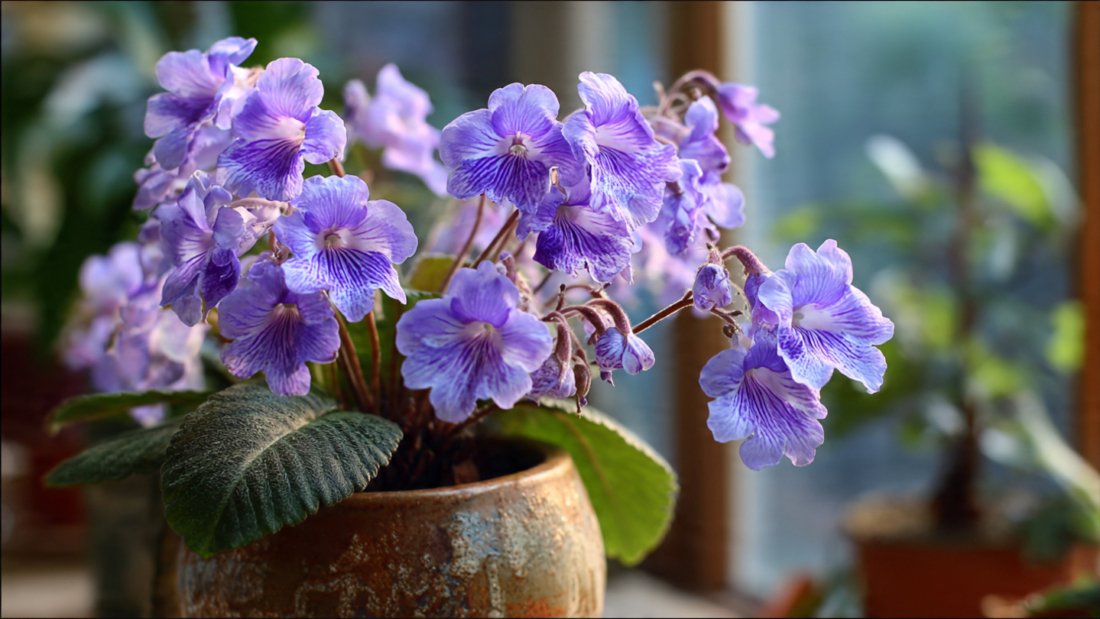
Streptocarpus, often called “Cape Primrose,” is a stunning houseplant known for its elegant, trumpet-shaped flowers and vibrant foliage. These beautiful plants are prized for their ability to bloom continuously, filling homes with color and charm all year round. Cultivating streptocarpus may seem intimidating at first, but with the right techniques, you can enjoy endless blooms regardless of the season. In this guide, we’ll explore how to grow, care for, and maintain streptocarpus so they flourish beautifully throughout the year.
Understanding Streptocarpus
Streptocarpus is native to South Africa and Madagascar, thriving in shaded areas under forest canopies. Unlike many flowering houseplants, streptocarpus can bloom repeatedly from a single rosette, provided they receive proper care. Their flowers come in shades of purple, pink, red, white, and blue, often with beautiful patterns and veining.
These plants are compact and ideal for indoor spaces, growing well in pots, hanging baskets, or terrariums. One of their remarkable traits is their long flowering period. With the right conditions, streptocarpus can bloom for months at a time, making them a favorite among gardeners who love constant floral color.
Choosing the Right Variety
Streptocarpus varieties are divided into two main types:
- Leafy Varieties: These have larger foliage and smaller flowers, providing lush greenery with delicate blooms. Leafy streptocarpus is perfect for indoor decoration.
- Hybrid Flowering Varieties: These are bred for large, showy flowers and come in an array of colors. Hybrids bloom more prolifically and are the best choice if your goal is endless blooms.
When selecting a variety, consider your space, lighting conditions, and aesthetic preferences. Hybrid varieties tend to bloom longer and more consistently, while leafy types are easier to maintain and great for beginners.
The Ideal Growing Conditions
Streptocarpus thrive in specific conditions that mimic their natural habitat. Providing these conditions will encourage continuous blooming.
Light
Streptocarpus prefers bright, indirect light. Direct sunlight can scorch the leaves, while too little light results in poor flowering. A north or east-facing window is ideal for indoor plants. If natural light is insufficient, fluorescent or LED grow lights can supplement and promote growth and flowering.
Temperature
These plants thrive in moderate temperatures, ideally between 60°F and 75°F (15°C–24°C). They are sensitive to extreme cold and should be protected from drafts or sudden temperature drops. Avoid placing them near heating vents, as dry, hot air can damage the leaves.
Humidity
Streptocarpus prefers moderate humidity. Indoor air can be dry, especially in winter, so placing a tray of water near the plant or using a small humidifier can help maintain the moisture level. Avoid misting the leaves directly, as water on the foliage can encourage fungal diseases.
Soil
Well-draining soil is essential. Streptocarpus roots are prone to rot if kept in soggy soil. Use a light, airy potting mix, such as a combination of peat moss, perlite, and vermiculite. Specialized African violet mixes work exceptionally well for streptocarpus, providing the perfect balance of moisture retention and drainage.
Planting and Repotting Streptocarpus
- Pot Selection: Choose shallow pots, as streptocarpus prefers to be slightly root-bound. A pot with drainage holes is crucial to prevent waterlogging.
- Planting: Fill the pot with fresh potting mix, place the rosette or leaf cutting in the center, and gently firm the soil around the roots. Water lightly after planting.
- Repotting: Repotting every 12–18 months helps refresh the soil and encourage healthy growth. Remove any dead leaves, and carefully lift the plant without damaging the roots. Always repot during active growth periods, typically in spring.
Propagation Techniques
Streptocarpus can be propagated easily, allowing you to expand your collection or share plants with friends:
Leaf Cuttings
- Select a healthy, mature leaf.
- Cut the leaf into sections, each 2–4 inches long.
- Insert the cuttings vertically into moist potting mix, burying the base about an inch deep.
- Cover with a clear plastic bag or dome to maintain humidity.
- Roots and new plantlets will develop in 4–6 weeks.
Division
Mature plants with multiple rosettes can be divided. Carefully separate the rosettes, ensuring each has healthy roots, and plant them in individual pots. This method quickly produces multiple plants that can bloom within months.
Watering and Fertilization
Proper watering and feeding are critical to maintaining year-round blooms:
- Watering: Keep the soil evenly moist but not soggy. Water the plant when the top inch of soil feels dry. Avoid wetting the crown or leaves, as this can lead to crown rot.
- Fertilization: Feed streptocarpus with a balanced, water-soluble fertilizer every 2–3 weeks during the growing and flowering season. Use a diluted solution to prevent over-fertilization, which can damage roots and leaves.
- Dormancy Care: While streptocarpus rarely enters a true dormancy, growth may slow in winter. Reduce watering and fertilization during this time to prevent stress.
Pruning and Deadheading
Deadheading spent flowers is essential to encourage continuous blooming. Remove faded blooms by pinching them off at the base of the flower stalk. This redirects the plant’s energy into producing new flowers rather than seed production.
Light pruning of older leaves can also improve air circulation and overall plant health. Remove yellow or damaged leaves regularly to keep your plant looking vibrant and healthy.
Controlling Pests and Diseases
Streptocarpus are generally hardy, but they can occasionally fall prey to pests and diseases:
- Aphids and Mealybugs: Check under leaves and around the crown. Treat infestations with insecticidal soap or neem oil.
- Spider Mites: These tiny pests thrive in dry conditions. Increase humidity and treat affected leaves with gentle sprays.
- Fungal Diseases: Overwatering or poor ventilation can cause fungal infections. Ensure proper drainage and air circulation.
Regular inspection and preventive care will keep your streptocarpus healthy and blooming year-round.
Encouraging Endless Blooms
To maximize flowering, follow these tips:
- Consistent Light: Provide 12–14 hours of bright, indirect light daily.
- Regular Feeding: Fertilize consistently during active growth.
- Deadheading: Remove spent flowers promptly.
- Humidity and Temperature Control: Maintain moderate humidity and avoid temperature extremes.
- Healthy Soil: Refresh soil periodically and ensure proper drainage.
By meeting these conditions, you can enjoy continuous blooms throughout the year, transforming your indoor space into a vibrant, floral display.
Display Ideas for Streptocarpus
Streptocarpus plants are not only easy to care for but also versatile in display:
- Windowsills: A bright windowsill is perfect for indirect sunlight.
- Hanging Baskets: Trailing varieties look stunning in hanging containers, allowing flowers to cascade naturally.
- Terrariums: Small, enclosed terrariums can maintain humidity and create a mini tropical environment.
- Indoor Gardens: Combine multiple pots of streptocarpus for a colorful indoor garden that blooms year-round.
Conclusion
Streptocarpus is a rewarding houseplant that offers endless blooms with proper care. By understanding its needs—light, temperature, humidity, soil, and nutrition—you can cultivate a thriving plant that flowers almost continuously. Whether you propagate from leaf cuttings or invest in hybrid varieties, streptocarpus brings beauty, color, and joy into your home. Regular care, deadheading, and vigilance against pests ensure that your plant remains healthy and productive. For beginners and experienced gardeners alike, growing streptocarpus is a fulfilling journey that pays off with months of vibrant, long-lasting blooms. With patience and attention, your streptocarpus can transform your indoor space into a year-round floral paradise.