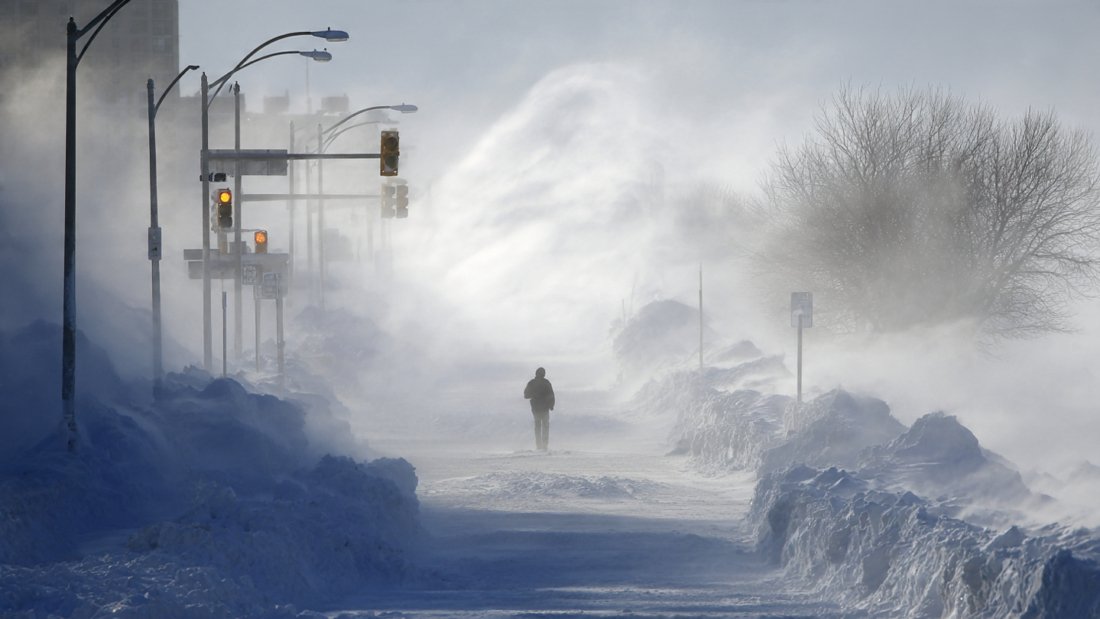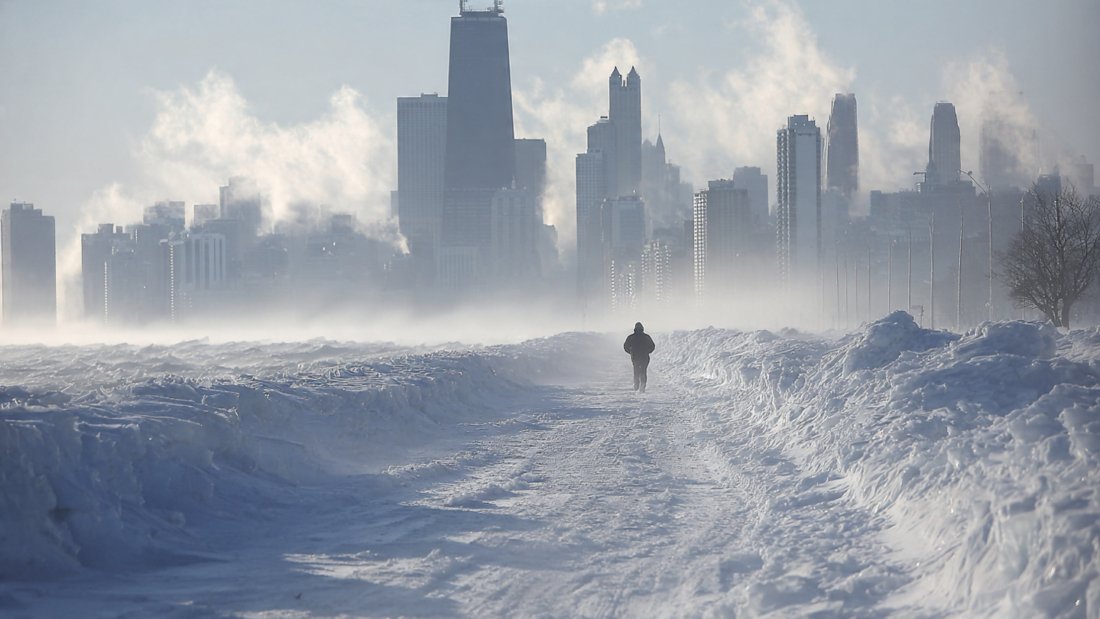
Meteorologists detect a developing “cold dome” that could intensify early-February frost

Meteorologists detect a developing “cold dome” that could intensify early-February frost

Meteorologists across the United States are closely monitoring a developing weather pattern being called a “cold dome,” which could bring unusually severe frost conditions to parts of the country in early February. This meteorological phenomenon has raised concerns among farmers, gardeners, and urban residents alike, as it has the potential to exacerbate winter frost damage and affect crops, plants, and daily life. Understanding the mechanics of a cold dome, its potential impacts, and what communities can do to prepare is critical in mitigating its effects.

What Is a Cold Dome?

A cold dome is a large, stable air mass characterized by extremely cold, dense air that settles near the surface and is capped by a layer of warmer air above. This creates an inversion that traps cold air in valleys, low-lying areas, and urban basins. Unlike typical winter cold fronts that move and shift relatively quickly, a cold dome tends to linger, which can prolong freezing conditions and intensify frost events.

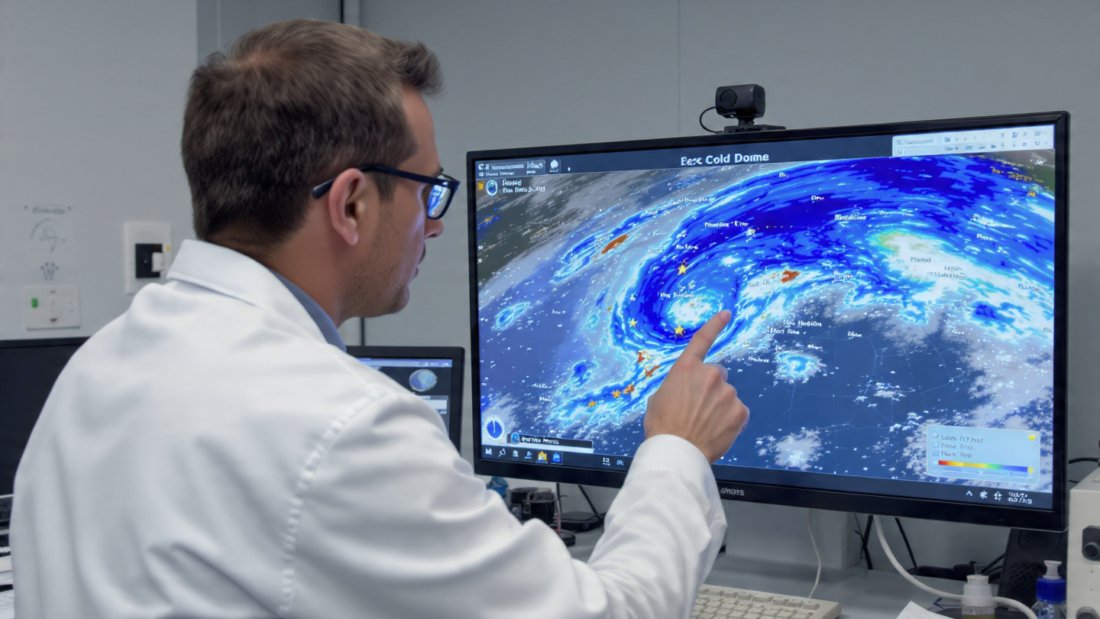
Meteorologists detect these domes using a combination of satellite imagery, weather balloons, and temperature data collected from ground-based weather stations. The satellite images often show a mass of cold air stretching over a large region, while upper-air observations reveal the temperature inversion that traps the air near the surface.

Cold domes are often associated with high-pressure systems, which suppress vertical mixing of the air. This lack of air circulation allows the cold air to remain stagnant, creating long-lasting frost and low temperatures at night and during early mornings. Unlike regular frost events that may last only a few hours, frost under a cold dome can persist, significantly increasing the risk of damage to crops, infrastructure, and even water pipes in residential areas.

Why Meteorologists Are Concerned About Early-February Frost

Meteorologists are particularly concerned about the potential for intensified frost in early February due to several factors:

  1. Timing: Early February often coincides with periods when some hardy winter crops and flowering plants begin to show signs of budding. A sudden cold snap or intensified frost can severely damage these crops, leading to economic losses for farmers. Fruit trees, grapevines, and early vegetables are particularly vulnerable to frost at this time of year.
  2. Duration: Unlike short-lived cold fronts, the stagnant nature of a cold dome can prolong frost conditions for several days. This extended exposure increases the likelihood of plant damage, as prolonged freezing temperatures can disrupt cell structures in tender crops and flowering buds.
  3. Geographical Spread: Cold domes can cover large regions, including the Midwest, Northeast, and parts of the South. In areas that are not accustomed to severe frost, residents and local authorities may be less prepared to respond, heightening the potential for property damage and community disruption.
  4. Amplification by Clear Skies: Cold domes are often accompanied by clear skies, which allow radiative cooling to occur during nighttime hours. Without cloud cover to trap heat, temperatures near the ground can drop even further, intensifying frost formation.

Detecting the Cold Dome

Weather agencies, including the National Weather Service (NWS) and the National Oceanic and Atmospheric Administration (NOAA), use a combination of technologies to detect and track cold domes. Key methods include:

  • Satellite Imagery: Infrared satellite imagery helps meteorologists detect the extent of cold air masses. Cooler air appears darker in infrared images, making it easier to identify areas under a cold dome.
  • Weather Balloons (Radiosondes): These instruments measure temperature, humidity, and wind patterns at different altitudes. Data from weather balloons can reveal the inversion layer that traps cold air near the surface.
  • Surface Temperature Sensors: Ground-based weather stations provide real-time readings of temperature and frost formation, allowing meteorologists to track the intensity and spread of the cold dome.
  • Computer Models: Meteorological models simulate the behavior of the atmosphere and predict how the cold dome will evolve over time. These models are crucial in forecasting frost events and issuing warnings to communities.

Through these combined methods, meteorologists can forecast frost severity and duration, giving farmers and city planners the ability to implement preventive measures before temperatures drop too low.

Impacts of Early-February Frost

The presence of a cold dome can have widespread consequences across agriculture, urban infrastructure, and daily life:

  1. Agriculture: Frost can damage young crops, flowers, and fruit trees. For farmers growing citrus, berries, or vegetables in open fields, early-February frost can destroy emerging buds and leaves, reducing yields for the season. Frost blankets, heaters, and wind machines are sometimes deployed to protect crops, but extended cold under a cold dome may overwhelm these measures.
  2. Gardening and Landscaping: Home gardeners and urban landscapers may see frost-damaged plants, shrubs, and trees. Sensitive flowers, early-blooming bulbs, and potted plants are at particular risk. The cold dome can also freeze garden irrigation systems and cause cracks in outdoor water pipes.
  3. Infrastructure: In cities and towns, prolonged freezing temperatures can affect water pipes, roads, and transportation systems. Ice accumulation on roads increases the risk of accidents, while frozen pipes can burst and cause costly damage to homes and businesses.
  4. Energy Demand: A cold dome often increases energy consumption, as residents rely on heating systems for longer periods. This surge in demand can strain power grids, especially in regions unaccustomed to extreme winter conditions.
  5. Public Health: Cold domes can exacerbate health risks for vulnerable populations, including the elderly, infants, and those with preexisting conditions. Exposure to prolonged frost and low temperatures can lead to hypothermia or frostbite, highlighting the importance of timely alerts and community support systems.

Preventive Measures for Residents and Farmers

Although cold domes are natural phenomena, individuals and communities can take steps to minimize their impact:

  • Monitor Weather Alerts: Stay informed via the NWS or local weather channels. Early warnings allow farmers and gardeners to implement protective measures.
  • Protect Crops: Farmers can use frost covers, row covers, or high tunnels to shield crops from extreme cold. Sprinklers can be employed in some situations to create a layer of ice that protects plants from deeper freezing damage.
  • Secure Pipes and Infrastructure: Residents should insulate exposed pipes and ensure that heating systems are functioning properly. Keeping a slow trickle of water flowing through faucets can also prevent pipes from freezing.
  • Community Resources: Local municipalities may provide warming centers or emergency shelters for vulnerable populations during prolonged cold events.
  • Urban Gardening Tips: For home gardeners, moving potted plants indoors, wrapping young trees, or covering garden beds with blankets can reduce frost damage. Timing planting schedules to avoid early February exposure is also advisable.

Meteorologists’ Forecast and Outlook

Meteorologists emphasize that while a cold dome can intensify frost, the exact severity and duration are still subject to change. Atmospheric conditions, including wind patterns, cloud cover, and shifts in the jet stream, can either dissipate or amplify the dome. Forecast models indicate that some areas may experience temperatures 5–15 degrees below average, resulting in hard frost or even isolated freezes.

Weather agencies advise close monitoring of temperature forecasts, especially in regions prone to frost-sensitive crops or unprepared urban zones. Early February remains a critical window for taking preventive actions, as the cold dome may peak over several nights, prolonging the exposure to freezing temperatures.

Conclusion

The development of a cold dome in early February serves as a reminder of the complexity and variability of winter weather. While meteorologists are monitoring this phenomenon closely, it is important for individuals, farmers, and municipalities to prepare for the potential impacts of prolonged frost. Protective measures, timely alerts, and careful monitoring can mitigate damage to crops, infrastructure, and personal property.

As the situation evolves, meteorologists continue to refine their predictions using advanced satellite data, weather balloons, and computer models. While cold domes are natural and recurring phenomena, understanding their behavior and potential consequences can help communities navigate early-February frost events safely and efficiently.

By staying informed and proactive, residents and farmers alike can minimize the risks associated with this rare but impactful weather pattern, ensuring both agricultural and urban resilience against early-season frost.
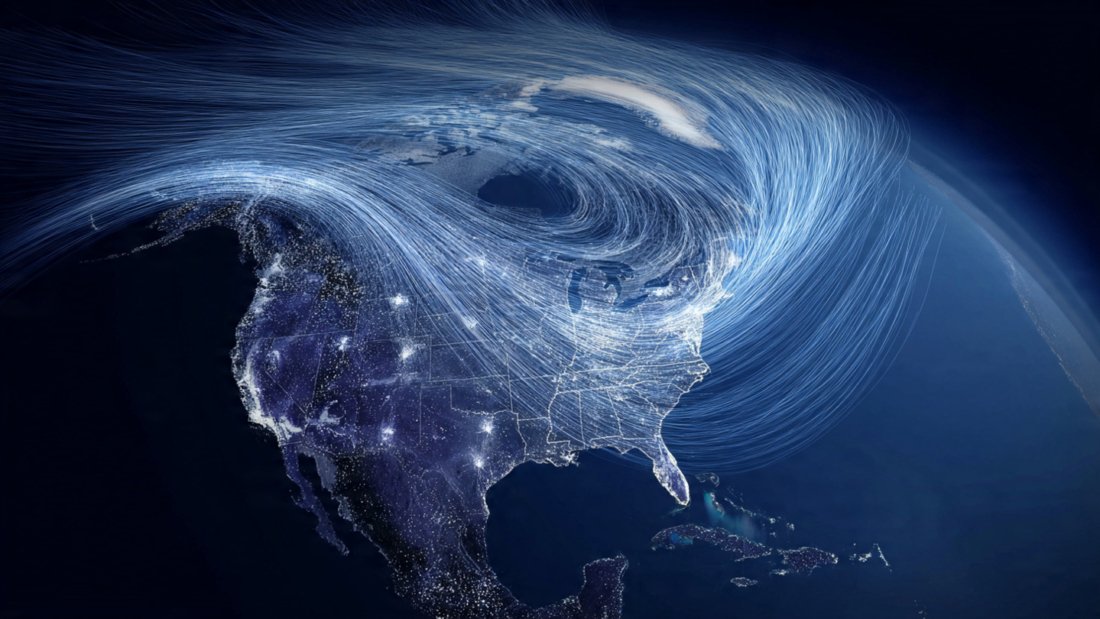

Meteorologists confirm that the jet stream will realign unusually early this February

Meteorologists confirm that the jet stream will realign unusually early this February

Meteorologists across the globe are closely monitoring a significant atmospheric shift expected to occur earlier than usual this February. According to weather experts, the jet stream—one of the most influential drivers of global weather patterns—is projected to realign weeks ahead of its typical seasonal schedule. This unusual adjustment could have wide-ranging effects, influencing temperatures, precipitation, storm systems, and climate patterns in many regions.

Understanding what this early realignment means requires a closer look at how the jet stream works, why it is shifting ahead of time, and how this change may impact weather conditions in the coming weeks.

Understanding the Jet Stream

The jet stream is a fast-moving ribbon of air that flows high in the atmosphere, typically between 9 and 16 kilometers above the Earth’s surface. It forms where cold polar air meets warmer tropical air, creating sharp temperature contrasts that generate powerful winds.

These winds can reach speeds of over 300 kilometers per hour and play a crucial role in guiding weather systems. Storms, cold fronts, heat waves, and rainfall patterns are often steered by the position and strength of the jet stream.

In winter, the jet stream usually dips southward, allowing cold Arctic air to spread into lower latitudes. As spring approaches, it gradually shifts northward, bringing milder temperatures and more stable weather. This seasonal movement is a normal and predictable cycle—until unusual conditions disrupt it.

What Does “Early Realignment” Mean?

An early realignment refers to the jet stream shifting from its winter configuration to a more spring-like pattern ahead of schedule. Typically, this transition begins in late February or March. However, meteorologists now confirm that this shift is likely to occur in early February this year.

This means the jet stream may move northward sooner than expected, weakening its southern dips and reducing the frequency of deep Arctic air outbreaks. At the same time, it may become more zonal, or west-to-east oriented, allowing milder air masses to dominate large regions.

Such early changes can significantly alter weather trends for the remainder of winter and the early part of spring.

Why Is the Jet Stream Shifting Early?

Several interconnected factors are contributing to this unusual behavior.

Warmer Arctic Temperatures

One major driver is the rapid warming of the Arctic. In recent years, Arctic temperatures have risen faster than the global average. This phenomenon, known as Arctic amplification, reduces the temperature difference between the poles and the equator.

Since the jet stream is powered by this temperature contrast, a weaker gradient leads to changes in its speed and position. As the Arctic remains warmer than normal, the jet stream loses some of its winter strength and shifts northward sooner.

Reduced Snow and Ice Cover

Snow and sea ice play a key role in reflecting sunlight and maintaining cold surface temperatures. When snow and ice levels are lower than average, more solar radiation is absorbed, leading to further warming.

This feedback loop accelerates atmospheric changes and contributes to the premature weakening of winter circulation patterns, including the jet stream.

Ocean Temperature Patterns

Sea surface temperatures also influence atmospheric circulation. Warm anomalies in the Pacific and Atlantic Oceans can alter pressure systems and disrupt traditional jet stream routes.

In particular, ongoing shifts related to El Niño or La Niña conditions can amplify these effects. When ocean temperatures deviate from normal, they send energy upward into the atmosphere, reshaping wind patterns and contributing to early realignment.

Stratospheric Influences

Conditions in the stratosphere, the atmospheric layer above the troposphere, also affect the jet stream. Sudden stratospheric warming events, where temperatures rise rapidly near the North Pole, can weaken the polar vortex.

When the polar vortex becomes unstable, it can trigger changes in the jet stream below, sometimes leading to early seasonal transitions.

Expected Weather Impacts

The early realignment of the jet stream is expected to influence weather patterns in several key ways.

Milder Late-Winter Temperatures

One of the most noticeable effects will likely be warmer-than-average conditions across many mid-latitude regions. As the jet stream shifts north, cold Arctic air is less able to move southward.

This may result in fewer prolonged cold spells, reduced frost events, and higher daytime temperatures. For many areas, late winter could feel more like early spring.

Changes in Storm Tracks

The jet stream acts as a highway for storms. When it shifts, storm paths change as well. An early realignment could push major storm systems farther north, leaving southern regions drier than usual.

Northern regions, on the other hand, may experience increased precipitation, including rain and wet snow. Coastal and high-latitude areas could see more frequent storms and stronger winds.

Reduced Snowfall in Some Areas

With warmer air dominating, snowfall may decrease in regions that typically rely on late-winter snow. Lower elevations and urban areas are especially vulnerable to rain replacing snow.

Mountain regions may still receive snow, but at higher altitudes. This shift could impact water supplies that depend on snowpack for spring and summer runoff.

Increased Weather Variability

While overall trends may lean toward milder conditions, early jet stream shifts often bring increased variability. Rapid temperature swings, sudden storms, and unusual weather patterns may occur as the atmosphere adjusts.

Periods of warmth could be interrupted by brief cold snaps, leading to unstable conditions that challenge forecasting models.

Regional Implications

The impact of an early jet stream realignment will vary by location.

North America

In much of the United States and southern Canada, meteorologists expect warmer-than-average temperatures through February. The Midwest and Northeast may see fewer snowstorms, while the Pacific Northwest and northern Plains could experience more rainfall.

Southern regions may become drier, increasing concerns about early-season drought.

Europe

Parts of Western and Central Europe are likely to experience milder winter conditions. Reduced snowfall in the Alps and other mountain regions could affect tourism and water resources.

Northern Europe may see more frequent storms and unsettled weather due to the jet stream’s new positioning.

Asia

East Asia could experience a weakening of traditional winter monsoon patterns, leading to warmer temperatures and reduced snowfall in some areas. Northern regions may still face cold outbreaks, but these may be shorter and less intense.

Impacts on Agriculture and Ecosystems

The early shift of the jet stream may have significant consequences for agriculture and natural systems.

Warmer temperatures can encourage early plant growth, causing crops and trees to bud prematurely. If a late frost occurs afterward, it can damage blossoms and reduce yields.

Pests and insects may also become active earlier, increasing pressure on farmers. At the same time, reduced snow cover can affect soil moisture levels, influencing planting conditions.

Wildlife patterns may shift as well. Some species may alter migration or breeding cycles in response to changing temperatures, potentially disrupting ecosystems.

Effects on Energy and Infrastructure

Energy demand is closely tied to weather patterns. Milder winters often reduce heating needs, lowering energy consumption. While this can benefit consumers, it may strain energy markets that rely on winter demand.

Infrastructure can also be affected. Freeze-thaw cycles caused by fluctuating temperatures can damage roads, bridges, and water systems. Increased rainfall may raise flood risks in vulnerable areas.

Is This a Sign of Long-Term Climate Change?

Many meteorologists view the early jet stream realignment as part of a broader trend linked to climate change. While natural variability still plays a role, rising global temperatures are altering atmospheric circulation patterns.

Studies suggest that jet stream behavior has become more erratic in recent decades, with increased waviness, slower movement, and unusual seasonal shifts. These changes can lead to prolonged weather extremes, including heat waves, droughts, and heavy rainfall.

The current early realignment fits within this emerging pattern, highlighting the growing influence of climate change on large-scale weather systems.

How Meteorologists Are Monitoring the Situation

Weather agencies are using advanced satellite data, atmospheric models, and ocean observations to track the jet stream’s movement. Continuous monitoring allows forecasters to adjust predictions and issue timely warnings.

Improved computing power has enhanced the accuracy of medium-range and seasonal forecasts, helping governments, farmers, and businesses prepare for potential impacts.

Despite these advances, predicting long-term atmospheric behavior remains complex, and scientists emphasize the importance of flexibility in planning.

What This Means for the Rest of Winter

An early jet stream realignment does not mean winter is over. Cold spells and snowstorms can still occur, especially in northern and elevated regions. However, the overall trend suggests a shorter and milder winter season.

Spring-like conditions may arrive sooner, affecting planting schedules, tourism, and outdoor activities. At the same time, unpredictable weather remains a possibility, requiring continued vigilance.

Conclusion

Meteorologists’ confirmation that the jet stream will realign unusually early this February marks a significant atmospheric development. Driven by Arctic warming, ocean temperature changes, and shifting pressure systems, this early transition is likely to bring milder temperatures, altered storm tracks, and increased weather variability.

While some regions may benefit from reduced cold and lower heating costs, others may face challenges related to water resources, agriculture, and infrastructure. More broadly, this phenomenon reflects the growing influence of climate change on global weather systems.

As scientists continue to study these evolving patterns, one thing is clear: understanding and adapting to changing atmospheric behavior will be essential in an era of increasingly unpredictable weather. The early realignment of the jet stream serves as another reminder that seasonal norms are no longer as reliable as they once were.

Day will turn to night during the longest total solar eclipse of the century

Day will turn to night during the longest total solar eclipse of the century

Few natural events can match the wonder and mystery of a total solar eclipse. For a brief and unforgettable moment, daylight fades, temperatures drop, birds fall silent, and the sky transforms into a twilight scene. The Sun, the source of all life on Earth, disappears behind the Moon, leaving only a glowing halo in the sky. In the coming years, one extraordinary eclipse is expected to stand out from all others: the longest total solar eclipse of the century, an event that will turn day into night and capture the attention of millions around the world.

This rare celestial phenomenon is not just a beautiful spectacle. It is also a powerful reminder of the precise balance of the universe and an opportunity for scientists, educators, and skywatchers to explore the wonders of space. As anticipation grows, people are preparing to witness a moment that may never be repeated in their lifetime.


Understanding What a Total Solar Eclipse Is

A total solar eclipse occurs when the Moon passes directly between the Earth and the Sun, completely blocking the Sun’s bright surface. This alignment happens only during a new moon, when the Moon is positioned on the same side of the Earth as the Sun.

Although the Sun is about 400 times larger than the Moon, it is also about 400 times farther away from Earth. This remarkable coincidence allows the Moon to cover the Sun almost perfectly during an eclipse. When this happens, the Sun’s outer atmosphere, called the corona, becomes visible as a soft, glowing ring around the darkened Moon.

Not every eclipse is total. Some are partial, where only part of the Sun is covered. Others are annular, where the Moon is too far away to fully block the Sun, leaving a bright “ring of fire.” A total solar eclipse, however, is the most dramatic and scientifically valuable type.


Why This Eclipse Is Called the Longest of the Century

The length of totality—the period when the Sun is completely covered—varies from one eclipse to another. Most total eclipses last between two and three minutes. Some are even shorter, lasting less than a minute.

The longest total solar eclipse of the century is special because totality will last for more than seven minutes in certain locations. This is extremely rare. Such long eclipses happen only when several conditions are perfectly aligned.

First, the Moon must be at or near its closest point to Earth, known as perigee. When the Moon is closer, it appears slightly larger in the sky, making it easier to cover the Sun completely.

Second, the Earth must be near its farthest point from the Sun, called aphelion. At this distance, the Sun appears slightly smaller, increasing the chances of a longer eclipse.

Third, the path of the Moon’s shadow must pass close to Earth’s equator, where the planet’s surface moves fastest due to rotation. This allows the shadow to remain over one location for a longer time.

When all these factors come together, the result is an exceptionally long and powerful eclipse.


How Day Turns Into Night

One of the most astonishing aspects of a total solar eclipse is how quickly daylight disappears. In the minutes leading up to totality, the sky gradually dims, similar to the approach of a storm. Shadows become sharper, and the light takes on an unusual silvery tone.

As the Moon covers more of the Sun, temperatures begin to drop. The air feels cooler, and a strange calm often settles over the environment. Animals and birds may become confused, behaving as if evening has arrived.

When totality begins, darkness falls suddenly. Stars and planets become visible in the daytime sky. The horizon glows with a soft orange and pink light, resembling sunset in all directions at once. For a few minutes, the world seems to pause.

This transformation from day to night and back again happens in less than ten minutes, making it one of the most dramatic natural experiences on Earth.


The Path of Totality

A total solar eclipse is visible only within a narrow band on Earth’s surface called the path of totality. This path is usually between 100 and 200 kilometers wide and stretches thousands of kilometers across continents and oceans.

People who are inside this path will experience complete darkness and see the Sun’s corona. Those outside it will see only a partial eclipse, which is impressive but lacks the full impact of totality.

For the longest eclipse of the century, the path of totality is expected to pass over parts of Africa, the Middle East, and Asia, before continuing across oceans. Several countries will have the opportunity to witness extended periods of darkness during the day.

Because of this limited path, many travelers plan special trips to be in the right place at the right time.


Scientific Importance of Long Eclipses

While eclipses are beautiful, they are also valuable scientific events.

During totality, the Sun’s corona becomes visible without the need for special instruments. This allows scientists to study its structure, temperature, and behavior. The corona plays a key role in solar storms and space weather, which can affect satellites, power grids, and communication systems on Earth.

Longer eclipses provide more time for observation and data collection. Researchers can conduct experiments, take high-quality images, and analyze changes in the atmosphere and ionosphere.

Eclipses have also played a major role in scientific history. In 1919, observations during a solar eclipse helped confirm Albert Einstein’s theory of relativity by showing how gravity bends light.

Even today, eclipses continue to contribute to our understanding of the Sun and its influence on our planet.


Cultural and Historical Significance

Throughout history, solar eclipses have inspired fear, wonder, and imagination. Ancient civilizations often viewed them as signs from the gods or warnings of disaster. Some believed that dragons or spirits were swallowing the Sun.

In many cultures, special rituals and prayers were performed during eclipses. In others, people stayed indoors, fearing bad luck.

Today, science has replaced superstition with understanding. Yet, the emotional impact remains strong. Seeing the Sun disappear still fills people with awe and humility.

For many, witnessing a total solar eclipse becomes a life-changing experience, remembered forever.


How to Watch Safely

Looking directly at the Sun without protection can cause serious and permanent eye damage. Even during a partial eclipse, the Sun’s rays are strong enough to harm the eyes.

Special eclipse glasses with certified filters must be used when viewing the Sun before and after totality. Regular sunglasses are not safe.

During the brief period of totality, when the Sun is completely covered, it is safe to look with the naked eye. However, as soon as the bright edge of the Sun reappears, protective glasses must be worn again.

Cameras, telescopes, and binoculars also require special filters to prevent damage.

Safety is essential to ensure that the experience remains joyful and memorable.


Preparing for the Big Day

Millions of people are expected to travel to view the longest eclipse of the century. Hotels, transportation, and viewing sites may become crowded.

Planning ahead is important. Choosing a location with clear weather, open skies, and minimal light pollution increases the chances of a good view. Learning the exact timing of totality helps viewers make the most of the moment.

Many schools, universities, and science organizations are also preparing educational programs and live broadcasts for those who cannot travel.

Whether watched in person or online, the event will unite people across the world in shared wonder.


The Emotional Power of an Eclipse

Those who have seen a total solar eclipse often describe it as deeply moving. Some feel a sense of connection to nature and the universe. Others experience a quiet moment of reflection.

The sudden darkness, the strange colors of the sky, and the glowing corona create an atmosphere that feels almost unreal. For a few minutes, everyday worries seem to disappear.

This emotional impact is one reason why people are willing to travel great distances to witness an eclipse.


Conclusion

The longest total solar eclipse of the century promises to be one of the most remarkable natural events of our time. As day turns into night and the Sun hides behind the Moon, millions will witness a rare display of cosmic precision and beauty.

Beyond its visual drama, the eclipse offers scientific insights, cultural meaning, and a powerful emotional experience. It reminds us of our place in a vast universe where planets, stars, and gravity work together in perfect harmony.

For those lucky enough to stand in the path of totality, this event will be more than just a spectacle. It will be a once-in-a-lifetime moment—one that turns an ordinary day into an unforgettable night.

A rare polar vortex shift is taking shape and experts warn February could be extreme this winter ahead

A rare polar vortex shift is taking shape and experts warn February could be extreme this winter ahead

As winter unfolds, meteorologists and climate scientists are closely monitoring a developing phenomenon high above the Earth’s surface that could dramatically influence weather patterns in the coming weeks. A rare polar vortex shift is beginning to take shape, and experts are warning that February may bring unusually extreme conditions. From powerful cold waves to disruptive snowstorms and sudden temperature swings, this atmospheric event has the potential to reshape winter as many regions know it.

Understanding what a polar vortex is, why it shifts, and how it affects daily life can help communities prepare for the challenges ahead. While such events are part of natural climate cycles, their increasing intensity and unpredictability have made them a major focus for weather researchers worldwide.


Understanding the Polar Vortex

The polar vortex is a massive area of low pressure and cold air that circulates around the Earth’s polar regions, particularly over the Arctic. It exists year-round, but it strengthens in winter when temperature differences between the poles and the equator become more pronounced.

Under normal conditions, the polar vortex remains relatively stable, keeping frigid Arctic air locked in the far north. Strong winds, known as the polar jet stream, act as a barrier that prevents cold air from drifting southward. When this system is intact, winter temperatures in many regions remain manageable, even during cold spells.

However, the polar vortex is not a fixed structure. It can weaken, stretch, or split under certain atmospheric conditions. When this happens, cold Arctic air is released toward lower latitudes, often resulting in extreme winter weather.


What Causes a Polar Vortex Shift?

A polar vortex shift typically occurs when the upper atmosphere experiences a sudden disturbance. One of the main triggers is known as sudden stratospheric warming. This happens when temperatures in the stratosphere, about 10 to 50 kilometers above the Earth’s surface, rise rapidly within a short period.

This warming disrupts the normal circulation of the polar vortex, weakening its structure. As a result, the vortex may become elongated, displaced, or even split into multiple smaller systems. These changes allow cold air masses to escape their usual boundaries.

Another contributing factor is the interaction between atmospheric waves and the jet stream. These waves, influenced by mountain ranges, ocean currents, and temperature contrasts, can push and pull on the polar vortex. When the balance is disturbed, large-scale shifts can occur.

Climate patterns such as El Niño and La Niña can also influence the stability of the polar vortex. By altering global wind and temperature patterns, these phenomena may increase the likelihood of unusual vortex behavior during winter.


Why This Shift Is Considered Rare

While minor fluctuations in the polar vortex happen regularly, major shifts are relatively uncommon. A significant displacement or splitting event occurs only a few times each decade. These events stand out because of their widespread and long-lasting impacts.

In the current situation, experts have observed unusual temperature changes in the upper atmosphere combined with weakening wind patterns. These signals suggest that the vortex may be undergoing a substantial reorganization rather than a temporary wobble.

What makes this shift particularly notable is its timing. Developing in late winter, it coincides with a period when cold air reserves are still strong. This increases the risk of intense and prolonged cold outbreaks during February, a month already known for volatile weather.


How February Could Be Affected

If the polar vortex continues to weaken and shift, February could bring a series of extreme weather events across various regions. One of the most likely outcomes is the arrival of Arctic air masses far south of their usual range.

This could result in extended periods of below-average temperatures, even in areas that typically experience mild winters. Cities unaccustomed to severe cold may face sudden freezes, creating challenges for infrastructure and public safety.

Heavy snowfall is another potential consequence. When cold Arctic air interacts with moist air from oceans or warmer regions, powerful snowstorms can develop. These systems may produce large accumulations of snow in short periods, disrupting transportation and daily life.

In some areas, the shift could also cause dramatic temperature swings. A sudden plunge into deep cold may be followed by brief warm spells, increasing the risk of ice storms, flooding from snowmelt, and unstable road conditions.


Impacts on Daily Life and Infrastructure

Extreme winter weather places enormous strain on communities. Prolonged cold can overwhelm heating systems, leading to power outages and increased energy demand. Water pipes may freeze and burst, causing costly damage to homes and public buildings.

Transportation networks are particularly vulnerable. Snow-covered roads, icy runways, and frozen rail lines can disrupt travel and supply chains. Delays in food, fuel, and medical supplies may affect both urban and rural areas.

Schools and workplaces may face repeated closures, affecting education and productivity. For vulnerable populations, including the elderly, homeless, and those with limited access to heating, prolonged cold poses serious health risks.

Agriculture is also at risk. Sudden freezes can damage winter crops, fruit trees, and livestock. Farmers may face losses that extend beyond the winter season, influencing food prices and availability.


The Role of Climate Change

Scientists emphasize that polar vortex shifts are part of natural atmospheric variability. However, climate change is altering the background conditions in which these events occur.

The Arctic is warming faster than most other regions of the planet, a phenomenon known as Arctic amplification. As ice melts and temperatures rise, the contrast between polar and mid-latitude regions is changing. Some researchers believe this may weaken the jet stream, making it more prone to large meanders and disruptions.

These changes could increase the frequency or intensity of polar vortex disturbances. While the exact relationship is still being studied, many experts agree that climate change is contributing to more erratic and extreme weather patterns.

This means that rare events may become less predictable and potentially more impactful in the future.


How Communities Can Prepare

Preparation is essential when facing the possibility of extreme winter conditions. Individuals and families can take practical steps to reduce risks and stay safe.

Ensuring that homes are properly insulated and heating systems are well maintained is a crucial first step. Stocking emergency supplies such as food, water, medications, and blankets can provide security during power outages or travel disruptions.

Protecting pipes by insulating exposed sections and allowing faucets to drip slightly during extreme cold can help prevent freezing. Keeping vehicles winter-ready with antifreeze, snow tires, and emergency kits is also important.

Local authorities play a vital role in preparation. Clearing drainage systems, maintaining snow removal equipment, and communicating timely weather updates can significantly reduce the impact of severe storms.

Community support networks, including shelters and volunteer groups, become especially important during prolonged cold spells. These networks ensure that vulnerable individuals are not left without assistance.


The Importance of Accurate Forecasting

Modern weather forecasting has improved significantly, allowing scientists to monitor atmospheric changes in real time. Satellites, weather balloons, and computer models provide detailed insights into the behavior of the polar vortex.

While long-term predictions remain challenging, early warning signs of major shifts give authorities and citizens valuable time to prepare. Continuous monitoring in the coming weeks will help refine forecasts and assess the likelihood of extreme February conditions.

Public awareness and trust in scientific information are essential. Following official weather advisories and avoiding misinformation can make a critical difference during high-impact events.


Looking Ahead

The developing polar vortex shift serves as a reminder of the powerful forces shaping Earth’s climate. Though invisible to most people, changes high in the atmosphere can influence daily life in profound ways.

Whether February brings record-breaking cold, heavy snow, or rapid temperature fluctuations, preparedness and cooperation will be key to minimizing disruption. By understanding the science behind these events and responding proactively, societies can adapt more effectively to extreme conditions.

As experts continue to study the evolving situation, one message remains clear: winter is far from over, and the coming weeks may test the resilience of communities across the globe. Staying informed, prepared, and connected will be essential in facing whatever challenges this rare atmospheric shift may bring.

A rare early-season polar vortex shift is developing, and experts say its intensity is nearly unprecedented for February

A rare early-season polar vortex shift is developing, and experts say its intensity is nearly unprecedented for February

Meteorologists across the world are closely monitoring a powerful and unusual atmospheric event unfolding in the Northern Hemisphere. A rare early-season polar vortex shift is developing, and experts warn that its strength and timing are almost unprecedented for February. This phenomenon has the potential to reshape weather patterns across vast regions, bringing extreme cold, heavy snowfall, and sudden temperature swings to millions of people.

While polar vortex disturbances are not entirely uncommon, the current situation stands out because of its early arrival, rapid intensification, and wide-reaching influence. Scientists believe it could mark one of the most significant winter weather events in recent years.


Understanding the Polar Vortex

The polar vortex is a massive area of low pressure and cold air that circulates around the Earth’s poles in the stratosphere and upper troposphere. During winter, it becomes stronger and more organized, trapping frigid Arctic air near the North Pole.

When the vortex remains stable, cold air stays mostly confined to polar regions. However, when it weakens, stretches, or shifts, large portions of this icy air can spill southward into mid-latitude regions, causing sharp drops in temperature and severe winter storms.

These disruptions are often linked to sudden stratospheric warming events, changes in jet stream patterns, and interactions with large-scale climate systems. The current shift appears to involve several of these factors at once, making it especially complex.


Why This February Shift Is So Unusual

February typically marks the later stages of winter in the Northern Hemisphere. By this time, the polar vortex usually begins to stabilize or gradually weaken as spring approaches. Major disruptions are more common in December or January, when temperature contrasts between the Arctic and lower latitudes are strongest.

This year, however, atmospheric data shows a rapid weakening and displacement of the vortex much earlier than expected. Upper-level temperature readings indicate a dramatic warming in the stratosphere above the Arctic, causing the vortex to stretch and split.

Experts describe this event as “nearly unprecedented” because of its intensity and timing. In some regions, stratospheric temperatures have risen by more than 40 degrees Celsius within a few days, a change rarely observed in February.

Such an abrupt shift increases the likelihood of extreme weather outbreaks, as cold air masses are pushed far beyond their usual boundaries.


The Role of Sudden Stratospheric Warming

At the heart of this phenomenon lies a powerful sudden stratospheric warming event. This occurs when planetary-scale waves in the atmosphere disrupt the normal west-to-east flow of winds around the pole.

As these waves intensify, they force warm air upward into the stratosphere, rapidly heating the region. This warming weakens the polar vortex and can even reverse wind directions.

In the current case, satellite observations and weather balloons have detected one of the strongest warming episodes in decades for this time of year. The resulting pressure changes are causing the vortex to split into multiple smaller systems.

Each of these fragments can travel independently, increasing the risk of prolonged cold spells in different parts of the world.


Potential Impacts on North America

North America is expected to be one of the regions most affected by the vortex shift. Forecasters warn that large portions of the United States and Canada could experience repeated Arctic air intrusions over the coming weeks.

These cold outbreaks may bring temperatures 15 to 30 degrees Celsius below seasonal averages in some areas. Major cities could face dangerous wind chills, frozen infrastructure, and increased energy demand.

In addition to extreme cold, the altered jet stream pattern may lead to powerful winter storms. When cold Arctic air collides with warmer, moisture-rich air from the south, it can produce heavy snowfall, ice storms, and blizzards.

Transportation networks, power grids, and emergency services may come under significant strain as a result.


Effects on Europe and Asia

Europe is also likely to feel the consequences of this unusual polar vortex behavior. Meteorological models suggest that cold air masses could spill into Eastern and Central Europe, potentially triggering late-season snowstorms and prolonged freezing conditions.

Countries that have already begun transitioning toward spring-like weather may be caught off guard by a sudden return of winter. Agriculture, transportation, and tourism sectors could face disruptions.

In Asia, parts of Russia, China, and Central Asia may experience intensified cold waves. Northern regions could see record-low temperatures for February, while southern areas might deal with unpredictable weather swings.

These disruptions highlight the interconnected nature of the global atmosphere, where changes in one region can influence conditions thousands of kilometers away.


Implications for Energy and Infrastructure

One of the most immediate concerns associated with extreme cold outbreaks is their impact on energy systems. Heating demand typically surges during polar vortex events, placing enormous pressure on power grids and natural gas supplies.

In past winters, similar events have led to widespread blackouts, equipment failures, and fuel shortages. With this year’s vortex shift being unusually strong, utilities are preparing for potential spikes in consumption.

Infrastructure such as water pipes, roads, and railways is also vulnerable to prolonged freezing temperatures. Burst pipes, cracked pavement, and frozen switches can disrupt daily life and economic activity.

Authorities in affected regions are urging residents and businesses to take precautionary measures well in advance.


Links to Climate Change

Scientists continue to debate the relationship between polar vortex disruptions and climate change. While no single event can be directly attributed to global warming, many researchers believe that Arctic warming plays a role in destabilizing atmospheric patterns.

The Arctic is warming at more than twice the global average rate, reducing the temperature difference between polar and mid-latitude regions. This weaker contrast can slow and destabilize the jet stream, making it more prone to large waves and sudden shifts.

Some studies suggest that these changes may increase the frequency and intensity of polar vortex disruptions. Others argue that natural variability still dominates. However, the growing number of unusual winter events has intensified scientific interest in this connection.


How Communities Can Prepare

Given the potential severity of the upcoming weather, experts emphasize the importance of preparedness. Households in vulnerable areas are advised to insulate homes, protect pipes, and ensure heating systems are in good working order.

Emergency kits containing food, water, medications, and flashlights can be crucial during power outages. Drivers should equip vehicles with winter supplies and avoid unnecessary travel during severe storms.

Local governments and emergency agencies are also coordinating response plans, ensuring shelters are available and communication systems remain operational.

Preparation can significantly reduce the risks associated with extreme winter conditions.


The Role of Advanced Forecasting

One positive aspect of modern meteorology is the ability to detect and analyze events like this well in advance. Satellite monitoring, high-altitude weather balloons, and powerful computer models allow scientists to track stratospheric changes in real time.

These tools have made it possible to issue early warnings and improve forecast accuracy. Although exact impacts are difficult to predict weeks ahead, the current outlook gives authorities valuable time to prepare.

Continued investment in climate and weather research will be essential for managing future extreme events.


What the Coming Weeks May Bring

As the polar vortex continues to evolve, meteorologists will be watching closely for signs of further weakening or fragmentation. The precise path of displaced cold air masses will determine which regions experience the most severe effects.

Some areas may face repeated cold waves, while others could see brief but intense outbreaks followed by milder conditions. This pattern of volatility is typical of disrupted vortex systems.

Experts caution that winter is far from over, even as daylight hours increase and spring approaches.


A Reminder of Nature’s Power

The developing early-season polar vortex shift serves as a powerful reminder of the atmosphere’s complexity and unpredictability. Despite advances in science and technology, large-scale natural systems can still produce surprises with far-reaching consequences.

For millions of people, the coming weeks may bring challenging conditions that test infrastructure, resilience, and preparedness. Yet they also highlight the importance of scientific research, international cooperation, and public awareness.

As this rare and intense event unfolds, it underscores a fundamental truth: even in an era of modern forecasting, nature remains a formidable force, capable of reshaping daily life in dramatic and unexpected ways.

Day will turn into night : the longest solar eclipse of the century is already scheduled and its extraordinary duration is astonishing scientists

Day will turn into night : the longest solar eclipse of the century is already scheduled and its extraordinary duration is astonishing scientists

Few natural events inspire as much wonder as a total solar eclipse. For a brief moment, the blazing Sun disappears, daylight fades into eerie twilight, stars emerge, and temperatures drop. Birds fall silent, winds shift, and people around the world stop what they are doing to look up at the sky. Now, astronomers have confirmed that one of the most extraordinary eclipses of the century is already scheduled—and its unusually long duration is leaving scientists and skywatchers amazed.

This rare celestial event will transform day into night for several minutes, offering a once-in-a-lifetime opportunity to witness the universe in motion. Unlike typical eclipses that last only a short time, this one will stretch far beyond the average, making it one of the most remarkable astronomical phenomena of our era.

What Is a Solar Eclipse?

A solar eclipse occurs when the Moon passes directly between the Earth and the Sun, blocking sunlight either partially or completely. This alignment happens only during a new moon, when the Moon’s shadow falls on Earth.

There are three main types of solar eclipses:

  • Partial eclipse, where only part of the Sun is covered
  • Annular eclipse, where the Moon appears smaller and leaves a bright ring
  • Total eclipse, where the Sun is completely hidden

During a total eclipse, the Moon perfectly covers the Sun’s disk, revealing the Sun’s outer atmosphere, known as the corona. This is the most dramatic and scientifically valuable type of eclipse.

The upcoming event belongs to this rare category and stands out because of how long total darkness will last.

Why This Eclipse Is So Special

Most total solar eclipses last between one and three minutes at any given location. Only a few extend beyond four minutes, and eclipses longer than six minutes are extremely rare.

The upcoming eclipse is expected to last over seven minutes at its maximum point, placing it among the longest of the entire century. Scientists describe this duration as exceptional, because it approaches the theoretical maximum length possible for a total solar eclipse.

Several precise cosmic factors must align perfectly for such an event to occur, making it both rare and scientifically valuable.

The Science Behind the Extraordinary Duration

The length of a solar eclipse depends on the exact positions and distances of the Earth, Moon, and Sun. For a long-lasting eclipse to occur, multiple conditions must be met simultaneously.

1. The Moon Must Be Close to Earth

The Moon’s orbit around Earth is slightly elliptical, meaning its distance varies. When the Moon is at its closest point, called perigee, it appears larger in the sky.

A larger Moon can block the Sun more effectively and for a longer time.

2. The Earth Must Be Far from the Sun

Earth’s orbit is also elliptical. When Earth is at its farthest point from the Sun, called aphelion, the Sun appears slightly smaller.

A smaller-looking Sun is easier for the Moon to cover completely.

3. Perfect Alignment

The centers of the Sun and Moon must align almost perfectly. Even a small misalignment can shorten the eclipse.

This precise positioning allows the Moon’s shadow to move more slowly across Earth’s surface, extending the duration of totality.

4. Shadow Path Near the Equator

When the eclipse path passes close to Earth’s equator, the planet’s rotation speed is highest. This helps keep the Moon’s shadow over one region for a longer time.

All these conditions will come together during this upcoming event, creating an eclipse of extraordinary length.

When and Where It Will Happen

The longest eclipse of the century is scheduled for the mid-21st century and will travel across parts of Europe, North Africa, the Middle East, and Asia. Several countries will experience full totality, while many others will witness partial coverage.

People located directly in the “path of totality” will enjoy the full experience, including complete darkness, visible stars, and the solar corona.

Those outside this path will still see a partial eclipse, but the dramatic transformation of day into night will only occur within a narrow corridor.

Astronomers are already mapping observation sites, weather patterns, and travel routes, as millions of people are expected to gather along the eclipse path.

How Day Turns into Night

As the Moon slowly moves across the Sun, the light begins to fade gradually. At first, the change is subtle. Shadows sharpen, colors look strange, and temperatures start to drop.

Minutes before totality, the environment becomes surreal.

  • The sky darkens rapidly
  • The horizon glows orange and red
  • Birds and insects behave as if evening has arrived
  • Winds may shift suddenly

Then, in a matter of seconds, the Sun disappears completely.

For several minutes, daytime becomes night. Stars and planets become visible. The Sun’s corona shines like a silver crown around the dark Moon. This moment is often described as emotional, overwhelming, and unforgettable.

When totality ends, sunlight returns just as suddenly, restoring normal daylight.

Why Scientists Are So Excited

Long eclipses are not just visually impressive. They are also extremely valuable for scientific research.

Studying the Solar Corona

The Sun’s corona is usually hidden by bright sunlight. During totality, it becomes visible, allowing scientists to study its structure, temperature, and magnetic fields.

Understanding the corona helps researchers learn more about solar storms and space weather that can affect satellites and power grids.

Testing Physical Theories

Eclipses have historically played a role in testing major scientific ideas. In 1919, a solar eclipse helped confirm Einstein’s theory of relativity.

Modern eclipses continue to provide opportunities to test advanced physics models.

Observing Atmospheric Changes

Scientists study how Earth’s atmosphere reacts to sudden darkness. Temperature, wind, and electrical changes are carefully measured during eclipses.

These observations improve climate and weather models.

Advancing Space Technology

Many space agencies use eclipses to test instruments, satellites, and imaging systems under unique conditions.

The long duration of this eclipse gives researchers more time than usual to collect high-quality data.

How Rare Are Such Long Eclipses?

Extremely long eclipses occur only a few times per century. Even then, they are usually visible from remote oceans or uninhabited regions.

An eclipse of this length passing over populated areas is especially rare. For many people alive today, this will be the longest and most dramatic eclipse they will ever witness.

Some regions along the path may not experience another similar event for hundreds of years.

Preparing to Watch the Eclipse

For those planning to witness this historic moment, preparation is essential.

Eye Safety

Never look directly at the Sun without proper protection. Use certified solar viewing glasses or special filters. Ordinary sunglasses are not safe.

Only during totality is it safe to look with the naked eye.

Choosing the Right Location

Being inside the path of totality is crucial. Even a few kilometers outside it can reduce the experience significantly.

Many people will travel long distances to reach optimal viewing spots.

Weather Planning

Clear skies are necessary for a good view. Observers often monitor weather forecasts and prepare backup locations.

Equipment

Binoculars, telescopes with filters, cameras, and tripods can enhance the experience. However, many experts recommend spending at least part of totality simply watching with your eyes.

Cultural and Emotional Impact

Throughout history, eclipses have inspired fear, myths, and legends. Ancient civilizations saw them as messages from gods or signs of major change.

Today, science explains the phenomenon, but the emotional impact remains powerful. Many people describe eclipses as life-changing experiences that create a deep sense of connection with the universe.

Families, communities, and even strangers often gather together, sharing a moment of collective wonder.

Final Thoughts

The longest solar eclipse of the century promises to be one of the most extraordinary natural events of modern times. For several breathtaking minutes, daylight will vanish, the sky will darken, and the hidden beauty of the Sun will be revealed.

This rare alignment of cosmic forces will not only astonish scientists but also inspire millions around the world. It reminds us that despite technological advances and busy lives, we remain part of a vast, dynamic universe.

When day turns into night and the Sun’s crown shines in the darkness, it offers a powerful reminder of nature’s precision, beauty, and mystery. For those fortunate enough to witness it, this eclipse will be remembered forever as a moment when time seemed to stand still and the universe put on its greatest show.

Bad news : Starting February 15, a prohibits mowing lawns between noon and 4 p.m.

Bad news : Starting February 15, a prohibits mowing lawns between noon and 4 p.m.

Homeowners and gardeners across the region are reacting with surprise and concern following the announcement of a new regulation that will take effect on February 15. Under the new rule, mowing lawns between noon and 4 p.m. will be prohibited. Officials say the measure is designed to address environmental, health, and safety concerns, but many residents are questioning how it will affect their daily routines.

For people who rely on midday hours to maintain their lawns, this change represents a major adjustment. From busy professionals to elderly homeowners and landscaping businesses, the impact of the new regulation is expected to be widespread.


Understanding the New Rule

The regulation bans the use of lawn mowers and similar grass-cutting equipment between 12:00 p.m. and 4:00 p.m. starting February 15. This applies to both residential and commercial properties.

Authorities state that the restriction is part of a broader initiative to promote environmental sustainability, reduce noise pollution, and protect public health. Violators may face warnings, fines, or other penalties depending on local enforcement policies.

While the rule does not ban lawn mowing altogether, it limits it to early morning or late afternoon and evening hours.


Why Authorities Introduced the Ban

Officials have cited several key reasons behind the decision.

Extreme Heat Concerns

One of the main motivations is rising daytime temperatures. In many regions, noon to 4 p.m. is the hottest part of the day. Mowing during this period exposes people to heat exhaustion, dehydration, and heat stroke.

Local health departments have reported increasing numbers of heat-related illnesses, especially among outdoor workers and elderly residents. By discouraging physical activity during peak heat hours, authorities hope to reduce medical emergencies.

Environmental Protection

Lawn mowing during intense heat can stress grass and soil. Cutting grass at midday often weakens root systems, leading to yellowing, drying, and long-term damage.

Additionally, fuel-powered mowers release more emissions when operating in high temperatures. Limiting their use during peak heat hours helps reduce air pollution and greenhouse gas output.

Noise Reduction

Another factor is noise pollution. Many residents complain about loud lawn equipment during midday, when people may be working from home, resting, or caring for children.

The ban aims to create quieter neighborhoods during peak daytime hours, improving overall quality of life.

Fire Prevention

In dry conditions, sparks from machinery or hot engines can increase the risk of grass fires. Authorities believe restricting mowing during the hottest part of the day lowers this risk, especially in drought-prone areas.


How the Rule Affects Homeowners

For many homeowners, the new schedule will require significant adjustments.

People who previously mowed during lunch breaks or early afternoons will now need to switch to mornings or evenings. This may be difficult for those with rigid work schedules.

Parents managing household responsibilities may struggle to find suitable time. Elderly residents who prefer midday work due to cooler mornings or safety concerns may also feel disadvantaged.

Some residents worry that limited mowing hours will result in overgrown lawns, leading to fines from housing associations or complaints from neighbors.


Impact on Landscaping Businesses

Professional landscapers are among those most affected.

Many companies schedule multiple properties throughout the day, often relying on midday hours to complete their routes. The new restriction forces them to reorganize schedules, hire additional staff, or extend working hours.

This could lead to increased operating costs, which may eventually be passed on to customers through higher service fees.

Small landscaping businesses, in particular, may struggle to adapt quickly, raising concerns about job losses and reduced income.


Public Reaction: Mixed Opinions

Public response to the ban has been divided.

Supporters argue that the regulation is necessary in light of climate change and growing health risks. They believe protecting workers and reducing environmental damage should take priority over convenience.

“I’ve seen too many people collapse from heat while working outside,” said one resident. “If this rule saves lives, it’s worth it.”

Critics, however, view the ban as excessive government interference.

“This is my property,” one homeowner commented. “I should be able to mow my lawn when I want.”

Others worry about enforcement. Some fear selective policing or unnecessary fines over minor violations.


Legal and Enforcement Considerations

Local authorities have stated that enforcement will focus on education first, rather than punishment. During the initial months, officials plan to issue warnings to violators and distribute informational materials.

After the adjustment period, fines may be imposed. The amount will vary depending on location and repeat offenses.

Exceptions may apply in certain circumstances, such as emergency maintenance, community projects, or special permits for commercial operations.

Residents are encouraged to check with their local municipality for specific guidelines.


Benefits for Lawns and Plants

Surprisingly, the ban may benefit lawns in the long run.

Grass is most vulnerable to stress during peak sunlight. Cutting it at this time exposes fresh blades to intense heat, leading to moisture loss and disease.

Mowing in the early morning or late afternoon allows grass to recover more easily. Cooler temperatures and reduced sunlight help preserve soil moisture.

Experts say lawns maintained outside peak hours often appear greener, thicker, and healthier.


Adapting to the New Schedule

To comply with the new regulation, homeowners can adopt several strategies.

Mow Early in the Morning

Between 7 a.m. and 10 a.m. is often considered ideal. Temperatures are lower, and grass still retains morning moisture.

However, residents should be mindful of local noise rules that may restrict early-morning equipment use.

Mow in the Evening

Late afternoon or early evening is another good option. After 4 p.m., temperatures begin to drop, making mowing safer and less stressful for plants.

Avoid mowing too late at night, as damp grass can encourage fungal growth.

Use Efficient Equipment

Modern electric and battery-powered mowers are quieter and more energy-efficient. They also produce fewer emissions, aligning with the spirit of the regulation.

Investing in quality equipment can make shorter mowing windows more productive.

Adjust Lawn Care Practices

Raising mower blades slightly reduces stress on grass. Leaving clippings on the lawn helps retain moisture and improve soil quality.

Watering lawns deeply but less frequently also helps grass withstand heat.


Broader Implications for Urban Living

The lawn-mowing ban reflects a larger shift in how communities manage environmental and public health challenges.

Cities and towns are increasingly regulating outdoor activities to adapt to climate change, reduce pollution, and promote sustainable living.

Similar measures have already been introduced in some areas for construction work, vehicle emissions, and water usage.

While these regulations may feel restrictive, officials argue they are necessary for long-term resilience.


Economic and Social Considerations

Some residents worry that the ban may disproportionately affect low-income households.

People working multiple jobs may have limited time outside the restricted hours. Hiring professional services may not be affordable for everyone.

Community leaders are discussing possible solutions, such as shared equipment programs, flexible enforcement, and public awareness campaigns.

Balancing fairness with environmental goals remains a major challenge.


What Residents Should Do Now

Before February 15, residents are advised to:

  • Review local guidelines and penalties
  • Adjust personal schedules
  • Inform family members and workers
  • Update landscaping service agreements
  • Explore quieter and eco-friendly equipment

Staying informed will help avoid unnecessary fines and stress.


Conclusion: A Change That Demands Adjustment

The ban on mowing lawns between noon and 4 p.m., starting February 15, marks a significant change in daily life for many households. While it may seem inconvenient, authorities argue that it is necessary to protect public health, reduce environmental harm, and improve community well-being.

Supporters see it as a forward-thinking response to climate challenges. Critics view it as an unnecessary limitation on personal freedom. Both perspectives reflect genuine concerns.

Ultimately, the success of this regulation will depend on cooperation, clear communication, and reasonable enforcement. As residents adapt their routines and explore new lawn-care practices, the rule may gradually become part of everyday life.

Whether welcomed or resisted, this policy signals a growing awareness that even small activities like mowing a lawn can have wider impacts on health, safety, and the environment. In an era of changing climates and evolving urban needs, communities are being asked to rethink long-standing habits for the sake of a more sustainable future.

Field biologists confirm the discovery of a record breaking snake specimen during a controlled survey in remote terrain

Field biologists confirm the discovery of a record breaking snake specimen during a controlled survey in remote terrain

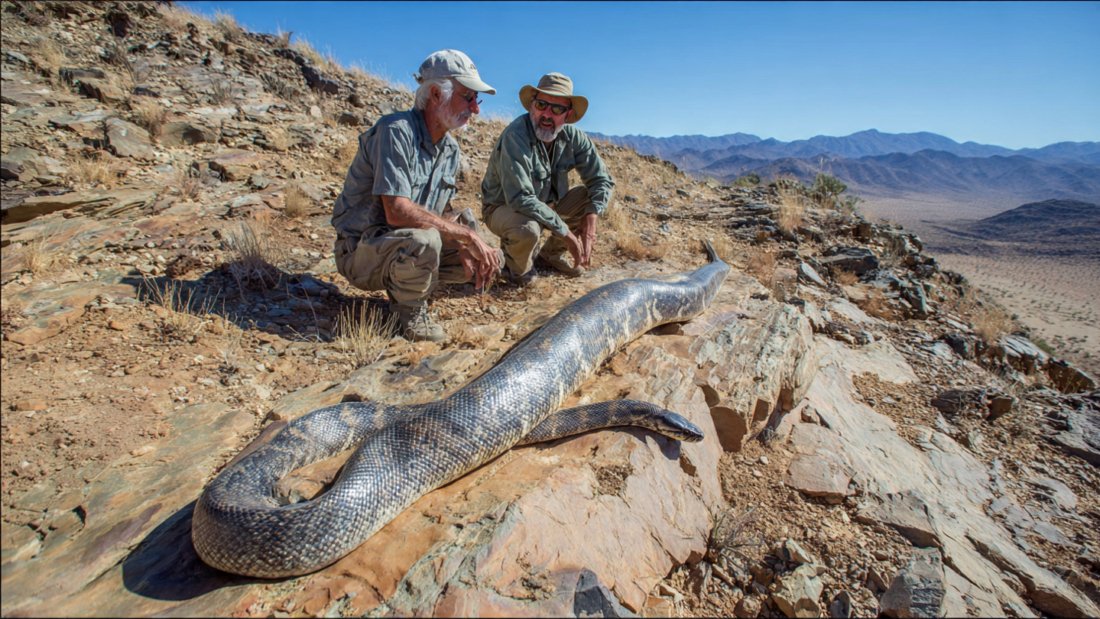
In a remarkable breakthrough for wildlife science, field biologists have confirmed the discovery of a record-breaking snake specimen during a carefully planned and controlled survey in a remote and largely unexplored region. This finding has attracted global attention from herpetologists, conservationists, and environmental researchers, as it sheds new light on the diversity, adaptability, and resilience of reptile species in extreme environments. The discovery not only highlights the importance of systematic field research but also emphasizes the need for continued conservation efforts in fragile ecosystems.

Snakes have long fascinated scientists and the public alike due to their evolutionary success and ecological importance. Found on every continent except Antarctica, these reptiles play vital roles in maintaining natural balance by controlling rodent and insect populations. Despite centuries of study, many snake species remain poorly understood, especially those inhabiting remote landscapes. The confirmation of a record-breaking specimen demonstrates that significant biological discoveries are still possible in the modern era.

Background of the Survey Expedition

The discovery took place during a multi-year biodiversity assessment conducted by an international team of field biologists and environmental specialists. The survey aimed to document reptile, amphibian, and small mammal populations in an isolated mountainous region characterized by dense vegetation, rocky outcrops, and limited human access.

Before entering the field, researchers spent months planning logistics, safety protocols, and research objectives. Satellite mapping, climate data analysis, and previous ecological reports were used to identify promising survey zones. Due to the region’s challenging terrain and unpredictable weather, the team underwent specialized training in wilderness survival, first aid, and wildlife handling.

The expedition was supported by academic institutions, conservation organizations, and local authorities. Their shared goal was to establish a reliable baseline dataset that could be used to monitor long-term environmental changes in the area.

Conditions in the Remote Terrain

The survey region was located far from major settlements and lacked permanent infrastructure. Access required several days of travel by off-road vehicles, followed by long treks on foot through steep valleys and thick forest cover. Researchers carried essential equipment, food supplies, and scientific instruments in heavy backpacks.

Temperatures fluctuated dramatically between day and night, creating additional challenges. During the day, intense sunlight and high humidity tested physical endurance, while nighttime temperatures dropped sharply, increasing the risk of hypothermia. Seasonal rainfall frequently triggered landslides and flooded pathways, making navigation hazardous.

Despite these difficulties, the isolation of the region made it an ideal location for biodiversity research. Limited human disturbance had allowed native species to thrive, creating conditions where rare and unusually large specimens could develop.

Discovery of the Record-Breaking Snake

The record-breaking snake was encountered during a routine nocturnal survey, a standard method used to locate reptiles that are more active after sunset. Using headlamps and thermal imaging devices, researchers slowly moved along a forested ridge near a freshwater stream.

One team member noticed an unusually large movement among low branches and leaf litter. Upon closer inspection, they observed a massive snake coiled near the water’s edge. Its size, coloration, and body thickness immediately distinguished it from other known specimens in the region.

Following established safety procedures, the team maintained a safe distance and alerted the project leader. A temporary observation zone was established to prevent disturbance, while specialists prepared to document the animal.

Controlled Documentation and Measurement

Accurate documentation was essential to verify the specimen’s exceptional status. The team followed standardized protocols developed by international herpetological associations to ensure reliable data collection.

First, the snake’s behavior and posture were observed for several minutes to assess stress levels and potential aggression. Once it appeared calm, trained handlers carefully guided it into a transparent, ventilated containment tube designed for large reptiles. This method minimized risk to both the animal and the researchers.

The snake’s total length was measured using flexible, non-stretch measuring tapes aligned along its body curve. Multiple measurements were taken by different team members to reduce human error. Body girth was recorded at several points, and overall mass was estimated using portable digital scales.

High-resolution photographs and video recordings captured distinctive scale patterns, coloration, and head structure. These images were later used for species confirmation and independent verification by external experts.

Species Identification and Genetic Testing

Preliminary observations suggested that the snake belonged to a well-known but rarely studied species recognized for its potential to reach impressive sizes. However, visual identification alone was insufficient for scientific confirmation.

Small, non-invasive tissue samples were collected from shed skin fragments found nearby and from a tiny scale clipping performed under sterile conditions. These samples were preserved and transported to a molecular biology laboratory.

DNA sequencing confirmed the specimen’s taxonomic identity and revealed genetic markers associated with long-term isolation and low human interference. The results indicated that this population had evolved under unique environmental conditions, potentially contributing to the specimen’s extraordinary growth.

Verification Through Peer Review

After completing fieldwork, the research team compiled their findings into a comprehensive scientific report. The document included detailed measurements, environmental data, photographic records, genetic analyses, and methodological explanations.

The report was submitted to a respected peer-reviewed journal specializing in herpetology and biodiversity studies. Independent reviewers examined the data for consistency, accuracy, and adherence to ethical standards.

Several revisions were requested, primarily related to statistical analysis and comparative data. After addressing these concerns, the study was approved and published, officially recognizing the snake as one of the largest verified specimens of its species.

Ecological Significance of the Discovery

The confirmation of this record-breaking snake has important implications for ecological research. Large individuals often play crucial roles within their ecosystems, acting as apex or near-apex predators that regulate prey populations.

By controlling rodents and small mammals, such snakes help prevent crop damage, disease spread, and habitat degradation. Their presence indicates a healthy and balanced food web, reflecting favorable environmental conditions.

Furthermore, exceptionally large specimens contribute significantly to reproduction. They typically produce more offspring and pass on strong genetic traits, supporting population stability and resilience.

Conservation Implications

This discovery has strengthened calls for enhanced protection of remote and biodiverse regions. As human activities expand into previously untouched areas, habitats face increasing threats from deforestation, mining, and infrastructure development.

The presence of a record-breaking snake highlights the ecological value of preserving these landscapes. Conservation organizations are now using the findings to advocate for expanded protected areas and stricter environmental regulations.

Local communities have also become more engaged in conservation initiatives, recognizing the potential for eco-tourism and sustainable development based on wildlife protection.

Role of Technology in Field Research

Modern technology played a vital role in this successful discovery. GPS mapping allowed precise location recording, while satellite communication devices ensured team safety. Portable genetic sampling kits and advanced imaging equipment enabled real-time data collection in challenging conditions.

Data was uploaded to international biodiversity databases, allowing researchers worldwide to access and analyze the findings. This collaborative approach enhances transparency and accelerates scientific progress.

In the future, drones, artificial intelligence, and automated monitoring systems may further improve wildlife surveys, especially in inaccessible regions.

Challenges Faced by Field Biologists

Despite the success of this expedition, field research remains physically demanding and financially demanding. Researchers face risks from extreme weather, wildlife encounters, and medical emergencies far from hospitals.

Funding limitations often restrict the duration and scope of surveys, reducing opportunities for comprehensive data collection. Political instability and land-use conflicts can also hinder scientific access.

Nevertheless, dedicated field biologists continue their work driven by curiosity, responsibility, and commitment to environmental stewardship.

Looking Ahead

The discovery of this record-breaking snake serves as a powerful reminder that Earth’s biodiversity still holds many secrets. Even in an age of satellites and digital mapping, firsthand observation remains irreplaceable.

Future studies will focus on monitoring this population, understanding growth patterns, and identifying environmental factors that support exceptional development. Long-term research may reveal insights applicable to other threatened species.

Educational programs and public outreach efforts are also being developed to share this story and inspire greater appreciation for wildlife conservation.

Conclusion

The confirmation of a record-breaking snake specimen during a controlled survey in remote terrain represents a significant achievement in modern field biology. Through careful planning, ethical handling, advanced technology, and rigorous peer review, scientists have documented a remarkable example of nature’s potential.

This discovery reinforces the importance of protecting remote ecosystems and supporting scientific exploration. By valuing evidence-based research and sustainable practices, society can help ensure that extraordinary creatures like this giant snake continue to thrive in the wild for generations to come.

Short haircut for fine hair: here are the 4 best hairstyles to add volume to short hair and make it look thicker

Short haircut for fine hair: here are the 4 best hairstyles to add volume to short hair and make it look thicker

Fine hair is beautiful, soft, and silky, but it often comes with one common challenge: lack of volume. Many people with fine hair struggle with flat roots, limp strands, and hairstyles that lose their shape quickly. When hair is thin in texture, it can appear sparse, especially when cut short. This leads many to believe that short haircuts are not suitable for fine hair. However, this is far from the truth.

With the right haircut and styling techniques, short hair can look fuller, thicker, and more vibrant than ever. In fact, short hairstyles are often the best option for fine hair because they reduce weight, boost lift, and create natural movement. When chosen wisely, a short haircut can transform delicate strands into a voluminous and stylish look.

In this article, we explore the four best short hairstyles for fine hair that add volume, enhance texture, and create the illusion of thickness. These haircuts are easy to maintain, modern, and perfect for anyone who wants a fresh, youthful appearance.


Understanding Fine Hair and Why It Needs the Right Cut

Before choosing a hairstyle, it is important to understand what fine hair really is. Fine hair refers to the diameter of each individual strand. People with fine hair have strands that are smaller and lighter than average. This does not necessarily mean they have less hair, but the thin texture makes hair appear flatter.

Because fine hair is lightweight, it struggles to hold volume for long periods. Heavy cuts, blunt layers, and overly long styles can weigh it down even more. Oil buildup also becomes noticeable faster, making hair look greasy and limp.

That is why selecting the right haircut is essential. A well-designed short haircut removes excess weight, lifts the roots, and creates shape that naturally enhances fullness. When combined with proper styling, fine hair can look thick, healthy, and full of life.


1. The Layered Bob: Classic Volume with a Modern Twist

The layered bob is one of the best hairstyles for fine hair and remains a timeless favorite. It usually falls between the chin and shoulders and features soft layers throughout the length. These layers prevent hair from sitting flat and help create natural lift.

What makes the layered bob so effective is its ability to add dimension. Instead of hair lying in one straight line, layers create movement and depth. This makes hair appear denser and more textured.

A layered bob can be customized in many ways. You can choose a straight, wavy, or slightly curled finish depending on your preference. Adding subtle highlights can further enhance the illusion of thickness.

This hairstyle works well for both casual and professional settings. It frames the face beautifully and suits almost all face shapes. With minimal effort, a layered bob can look polished, fresh, and voluminous.


2. The Textured Pixie Cut: Bold, Lightweight, and Full of Lift

For those who love bold and confident looks, the textured pixie cut is an excellent choice. This ultra-short style removes excess weight and focuses on creating height and texture at the crown.

A textured pixie is not flat or sleek. Instead, it features choppy layers, uneven lengths, and soft feathered ends. These elements give fine hair instant volume and a playful, modern appearance.

Because the hair is short, it naturally lifts away from the scalp. Styling becomes easier, and even a small amount of product can create impressive results. A little volumizing mousse or styling wax can define texture and boost fullness.

This haircut is perfect for people who want low maintenance with high impact. It dries quickly, requires minimal styling, and always looks fresh. The textured pixie also highlights facial features, making it a flattering and youthful option.


3. The Blunt Cut Bob: Simple Shape, Maximum Thickness

At first glance, it may seem surprising that a blunt cut works well for fine hair. After all, blunt cuts have no layers. However, this is exactly why they are so effective.

A blunt bob is cut straight across at the ends, usually at chin or jaw length. This creates a strong, solid line that makes hair appear thicker and healthier. When all strands end at the same length, the hair looks fuller and denser.

This style is especially beneficial for people whose hair is very thin at the ends. Instead of wispy tips, the blunt cut gives a bold, structured finish.

A blunt bob works best when paired with smooth styling or soft waves. It looks elegant, modern, and professional. It also requires less maintenance because there are no complex layers to manage.

For those who prefer a clean and sophisticated look, the blunt cut bob is an excellent way to make fine hair look stronger and more substantial.


4. The Shaggy Short Cut: Effortless Volume and Natural Texture

The shaggy short cut is ideal for those who love relaxed, effortless styles. This haircut features multiple layers, feathered ends, and a slightly messy finish. It is designed to create movement and texture throughout the hair.

For fine hair, the shaggy cut works wonders because it adds body without heaviness. The layers lift hair from the roots and prevent it from sticking to the scalp. The uneven lengths create visual thickness, making hair look fuller.

This style looks especially good with natural waves or soft curls, but it can also be styled straight for a modern, edgy look. It pairs well with curtain bangs or wispy fringes, which add volume around the face.

The shaggy cut is perfect for people who want a trendy and youthful appearance. It requires minimal styling and embraces natural texture, making it both practical and stylish.


Styling Tips to Boost Volume in Short Fine Hair

Even the best haircut needs the right styling to reach its full potential. Here are some essential tips to keep short fine hair looking thick and voluminous.

First, always start with a lightweight volumizing shampoo and conditioner. Heavy products can weigh hair down and reduce lift. Choose formulas designed specifically for fine or thin hair.

Second, blow-dry strategically. Dry hair upside down or lift sections at the roots using a round brush. This creates instant volume and prevents flatness.

Third, use minimal styling products. A small amount of mousse, root spray, or texturizing powder is usually enough. Too much product can make hair greasy and limp.

Fourth, avoid excessive heat styling. Frequent use of flat irons can flatten hair and damage delicate strands. When using heat, always apply a heat protectant.

Finally, change your part regularly. Switching from a middle part to a side part can instantly add lift and make hair appear fuller.


Hair Care Habits That Support Thicker-Looking Hair

Healthy hair always looks better, regardless of the haircut. Proper care is essential for maintaining volume and strength in fine hair.

Massage your scalp regularly to stimulate blood circulation and encourage healthy growth. Use nourishing oils occasionally, but avoid applying them directly to the roots.

Eat a balanced diet rich in protein, vitamins, and minerals. Nutrients like biotin, iron, and omega-3 fatty acids play an important role in hair health.

Trim your hair every six to eight weeks to prevent split ends and maintain shape. Regular trims keep hair looking fresh and thick.

Protect hair from environmental damage by covering it in strong sun and avoiding excessive pollution exposure.


Choosing the Right Style for Your Personality and Lifestyle

While all four hairstyles offer volume and thickness, the best choice depends on your lifestyle and personal taste. If you prefer classic elegance, the layered or blunt bob may suit you best. If you love bold fashion, the textured pixie is ideal. If you enjoy relaxed, trendy looks, the shaggy cut is perfect.

Consider how much time you want to spend styling your hair each day. Choose a haircut that fits naturally into your routine and enhances your confidence.


Conclusion

Fine hair does not have to mean flat or lifeless hair. With the right short haircut, delicate strands can look thick, voluminous, and full of personality. The layered bob, textured pixie, blunt bob, and shaggy short cut are four of the best styles for adding volume and creating the illusion of fullness.

When combined with proper styling, healthy habits, and the right products, these hairstyles can transform fine hair into a beautiful and confident statement. By choosing the style that matches your personality and lifestyle, you can enjoy short hair that looks vibrant, modern, and effortlessly thick every day.

9 parenting attitudes that create unhappy children, according to psychology

9 parenting attitudes that create unhappy children, according to psychology

Every parent wants their child to grow up confident, emotionally healthy, and happy. While love and good intentions guide most parenting decisions, psychology shows that certain everyday attitudes can unintentionally harm a child’s emotional well-being. Children are highly sensitive to how they are treated, spoken to, and supported. Over time, negative patterns in parenting can shape their self-esteem, behavior, and outlook on life.

Understanding these harmful attitudes is not about blaming parents. Instead, it is about becoming more aware and making positive changes that nurture emotional resilience and happiness. Here are nine parenting attitudes that psychology links to unhappy children, along with insights into why they matter and how parents can improve.

1. Being Overly Controlling

Parents naturally want to protect their children and guide them toward success. However, when guidance turns into strict control, it can damage a child’s sense of independence. Overly controlling parents make most decisions for their children, from what they wear to what hobbies they pursue.

Psychology shows that children need autonomy to develop confidence and problem-solving skills. When parents constantly dictate choices, children may grow up feeling powerless and insecure. They may struggle to trust their own judgment and fear making mistakes.

A healthier approach is to offer guidance while allowing children to make age-appropriate decisions. This builds responsibility and self-belief.

2. Showing Conditional Love

Conditional love means giving affection and approval only when children meet expectations, such as getting good grades or behaving perfectly. While discipline and standards are important, tying love to performance sends a harmful message.

Children raised this way may believe they are only worthy when they succeed. This can lead to anxiety, perfectionism, and fear of failure. They may hide mistakes instead of learning from them.

Psychologists emphasize that unconditional love helps children feel secure. When children know they are valued regardless of success or failure, they develop stronger emotional stability.

3. Constant Criticism and Comparison

Some parents believe that pointing out flaws motivates children to improve. However, constant criticism and frequent comparisons with siblings or peers often have the opposite effect.

Repeated negative feedback lowers self-esteem and creates feelings of inadequacy. When children are told they are “not good enough,” they may internalize this belief and lose motivation.

Comparisons also breed resentment and jealousy. Instead of inspiring growth, they create pressure and emotional distance. Supportive feedback that focuses on effort and progress is far more effective.

4. Ignoring Emotional Needs

Children experience strong emotions but often lack the words to express them. When parents dismiss feelings with phrases like “stop crying” or “it’s not a big deal,” children learn that their emotions are unimportant.

Emotional neglect does not always involve physical absence. It can happen even in loving homes when parents are too busy, distracted, or uncomfortable discussing feelings.

Psychology shows that emotional validation is essential for mental health. Children who feel understood learn how to regulate emotions and build healthy relationships. Ignoring emotional needs can lead to loneliness, anxiety, and difficulty trusting others.

5. Setting Unrealistic Expectations

High expectations can motivate children, but unrealistic ones can cause constant stress. Some parents expect perfect grades, exceptional talents, or adult-level behavior from young children.

When expectations exceed a child’s abilities, failure becomes inevitable. Repeated feelings of failure can damage confidence and create fear of disappointing parents.

Children may also sacrifice their own interests to meet parental demands, leading to resentment and emotional burnout. Balanced expectations that match a child’s age and personality encourage healthy growth.

6. Being Emotionally Inconsistent

Emotional inconsistency occurs when parents react unpredictably. One day they are supportive and calm, the next day angry and distant for similar situations. This creates confusion and insecurity.

Children depend on emotional stability to feel safe. When parental reactions are unpredictable, children may become anxious and overly cautious. They may constantly try to “read” moods to avoid conflict.

Psychologists explain that consistent emotional responses help children understand boundaries and develop trust. Calm, predictable parenting creates a sense of security that supports emotional well-being.

7. Using Fear and Guilt as Control Tools

Some parents rely on fear, threats, or guilt to control behavior. Statements like “I’ll stop loving you if you do that” or “You’re breaking my heart” manipulate emotions rather than teaching responsibility.

Fear-based parenting may lead to short-term obedience, but it damages long-term trust. Children may obey out of anxiety rather than understanding right and wrong.

Guilt-based control can also burden children with adult emotional responsibilities. Over time, this can lead to low self-worth and difficulty setting boundaries in relationships.

Positive discipline that focuses on explanation and empathy helps children develop internal motivation and moral understanding.

8. Being Overprotective and Shielding from Failure

Wanting to protect children from pain is natural. However, overprotective parenting prevents children from learning how to cope with challenges. When parents constantly intervene, children miss opportunities to build resilience.

Psychology shows that small failures and frustrations are essential for growth. They teach problem-solving, patience, and emotional strength. Without these experiences, children may become fearful of challenges.

Overprotected children often doubt their abilities and avoid risks. Encouraging safe independence helps children develop confidence and adaptability.

9. Prioritizing Achievement Over Happiness

In many families, academic success, social status, or career goals are placed above emotional well-being. Children may feel valued mainly for their achievements rather than for who they are.

This attitude teaches children that rest, play, and self-expression are less important than success. Over time, this can lead to chronic stress, burnout, and loss of joy.

Psychologists stress that balanced development is key. Emotional health, creativity, friendships, and relaxation are just as important as performance. Children who feel supported in all areas tend to be more fulfilled.

Long-Term Effects on Children

These negative parenting attitudes can have lasting consequences. Unhappy children may grow into adults who struggle with anxiety, depression, low self-esteem, or relationship difficulties. They may find it hard to trust others or express emotions.

However, the brain remains adaptable throughout life. Positive changes in parenting can greatly improve a child’s emotional health, even if past mistakes were made. Awareness is the first step toward healing and growth.

How Parents Can Foster Happiness

Creating emotionally healthy children does not require perfection. It requires consistency, empathy, and willingness to learn. Simple actions can make a big difference:

Listening without judgment helps children feel valued. Praising effort rather than results builds confidence. Allowing mistakes encourages resilience. Expressing unconditional love creates emotional security.

Spending quality time together, showing affection, and respecting individuality strengthen family bonds. When parents model emotional intelligence, children naturally learn to manage their own feelings.

The Power of Self-Reflection

Every parent has moments of frustration, stress, and doubt. What matters most is the ability to reflect and adjust. Asking questions like “How did my words affect my child?” or “Am I supporting their emotional needs?” promotes healthier relationships.

Psychology emphasizes that parenting is a learning process. Growth happens through patience, understanding, and compassion toward both children and oneself.

Conclusion

Parenting attitudes shape how children see themselves and the world. Overly controlling behavior, conditional love, constant criticism, emotional neglect, unrealistic expectations, inconsistency, fear-based discipline, overprotection, and excessive focus on achievement can all contribute to unhappiness.

Recognizing these patterns is not about feeling guilty. It is about choosing better ways to connect, guide, and support children. By fostering emotional safety, independence, and unconditional love, parents can help their children grow into confident, resilient, and genuinely happy individuals.

When children feel understood, respected, and valued, they carry that sense of worth into every stage of life. In this way, thoughtful parenting becomes one of the most powerful gifts a family can offer.