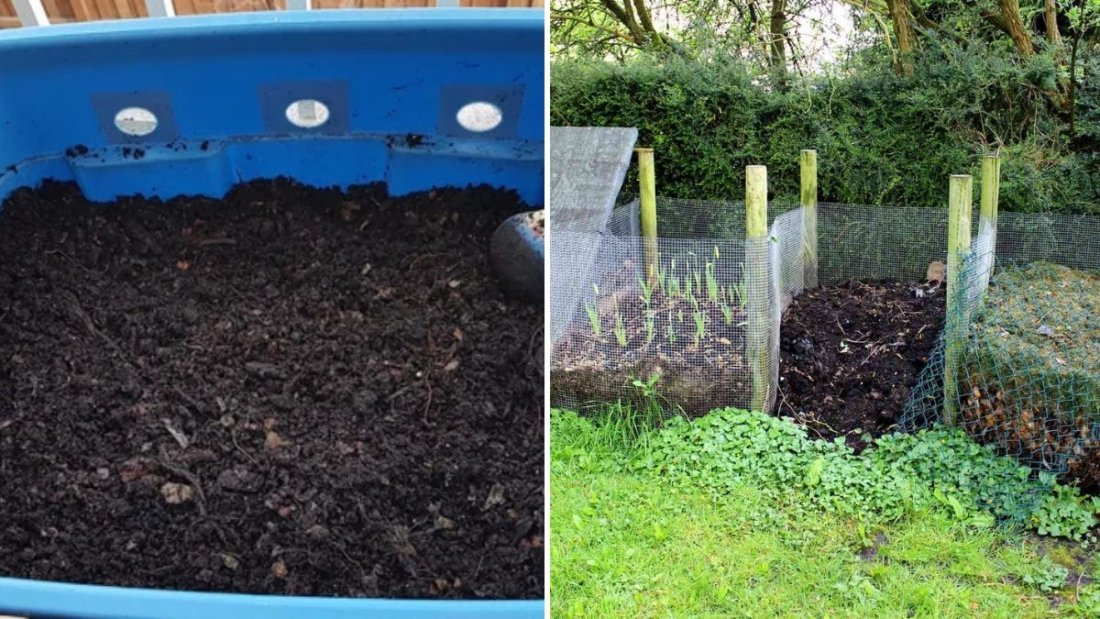
How to Make Your Own Compost Bin on the Balcony: A Complete Beginner’s Guide for Small Spaces

How to Make Your Own Compost Bin on the Balcony: A Complete Beginner’s Guide for Small Spaces

Composting is one of the easiest and most rewarding ways to reduce your household waste while creating nutrient-rich soil for your plants. But many urban gardeners believe composting is only possible in large backyards or outdoor spaces. The truth is—you can absolutely compost on a balcony, terrace, or even a small patio with the right setup.

A compact, DIY balcony-friendly compost bin is simple to make, odor-free when done correctly, and perfect for anyone living in an apartment. In this comprehensive guide, we’ll walk you through how to make your own compost bin on the balcony, the materials you need, how to maintain it, and tips to ensure successful composting even in limited space.

Let’s begin turning your kitchen scraps into garden gold!


Why Compost on the Balcony?
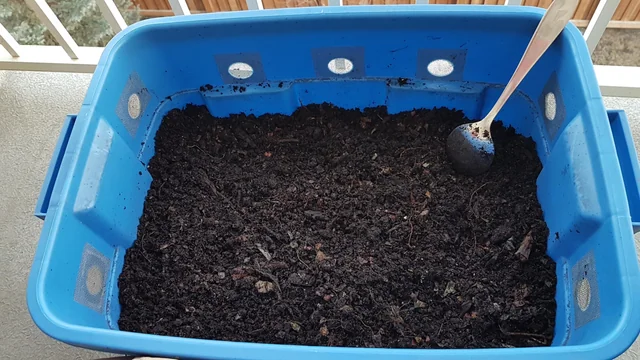
Before building your compost bin, it helps to understand why balcony composting is worth your time:

1. Reduces Household Waste

Nearly 50% of household waste is organic—fruit peels, vegetable scraps, tea leaves, eggshells, and more. Composting turns all of this into something useful instead of sending it to the landfill.

2. Saves Money

The compost you create enriches your pots and balcony garden without needing store-bought fertilizers.

3. Eco-Friendly

Composting reduces methane emissions from landfills and contributes to a healthier planet.

4. Perfect for Urban Gardening

If you grow even a few plants, compost provides essential nutrients that improve soil structure, water retention, and plant health.

5. Small-Space Friendly

You don’t need a huge compost pit—just a small container and a little creativity.


What You Need to Make a Balcony Compost Bin
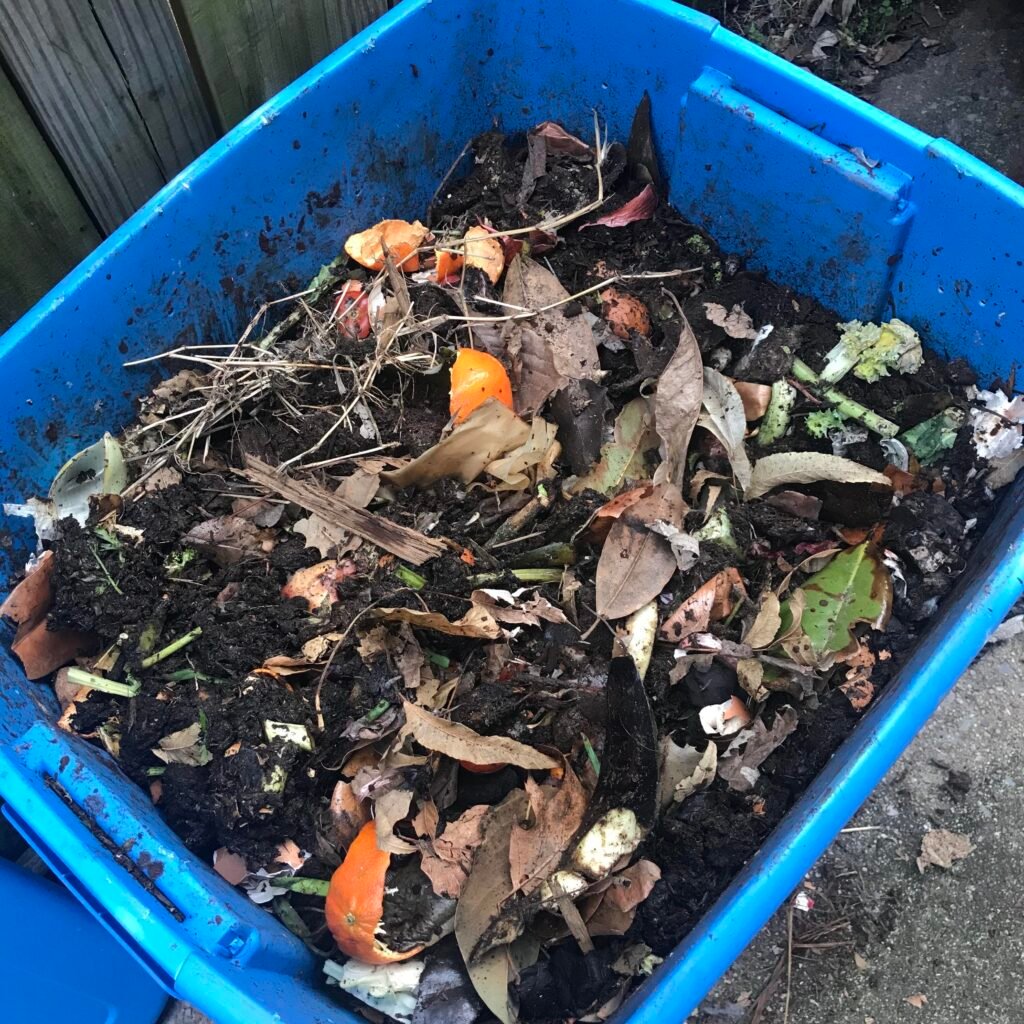
You don’t need fancy tools to get started. Most materials are either already at home or easily available.

Materials Required

  • A plastic bucket with lid (15–25 liters) OR a thick plastic storage bin
  • A hand drill or screwdriver
  • A small tray or plate to place under the bin
  • Cocopeat or dry soil (optional but useful)
  • Kitchen waste (greens)
  • Dry leaves/shredded paper/cardboard (browns)
  • Gloves (optional)

Choosing the Right Bin

Your compost bin should be:

  • Sturdy
  • Opaque to prevent light exposure
  • Large enough to hold several weeks of waste
  • Lightweight if you plan to move it occasionally

Round buckets or rectangular bins both work. If your balcony gets heavy rain, choose a bin with a tight-fitting lid.


Step-by-Step Guide: How to Make Your Own Compost Bin on the Balcony
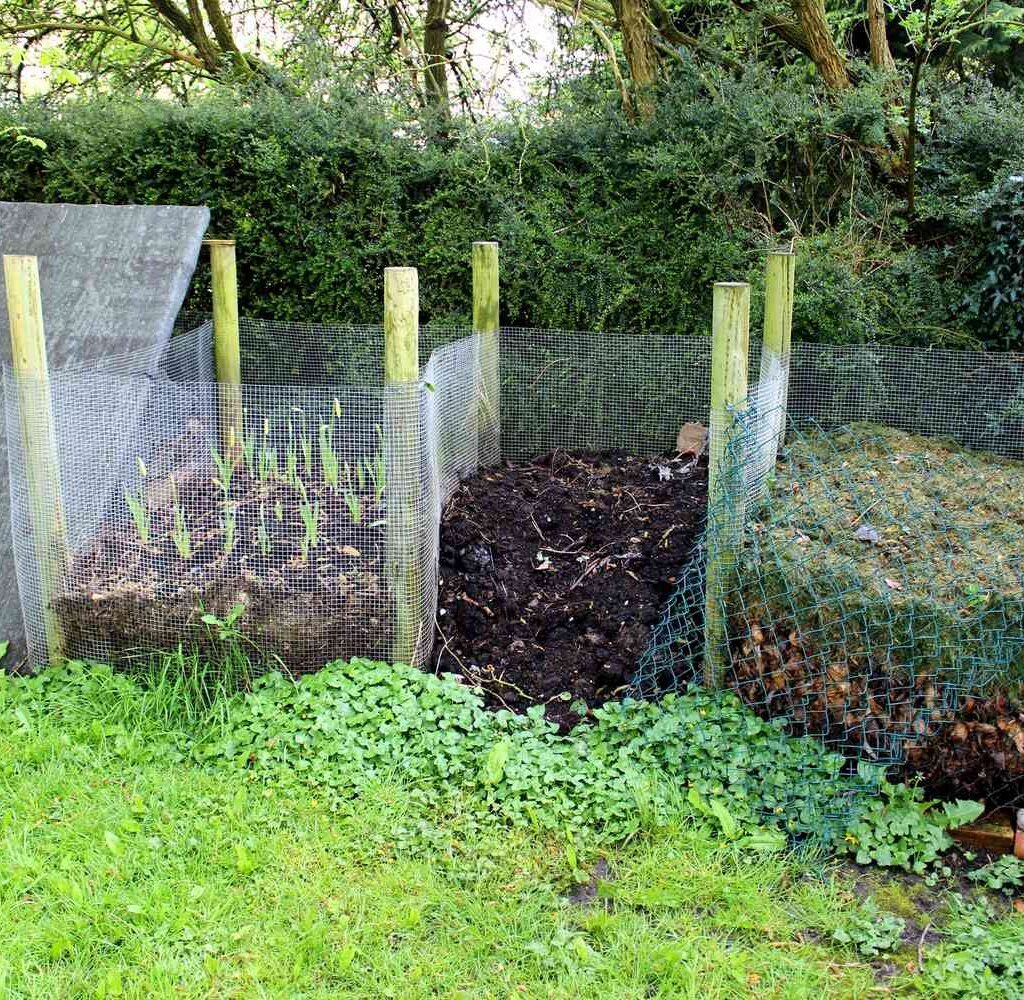
Let’s put your composting system together.


Step 1: Drill Aeration Holes

Good airflow is essential for aerobic composting. Using a drill or screwdriver:

  • Punch 8–10 holes in the lid
  • Make 10–15 holes around the upper sides of the bin
  • Make 8–10 holes at the bottom for drainage

These holes ensure air circulation and prevent foul smells.

Pro Tip: Place a tray beneath the bin to catch any liquid (compost tea), which you can later dilute and use for plants.


Step 2: Create the Base Layer

Start your compost bin with a carbon-rich “brown” layer.

Add:

  • A handful of dry leaves
  • Shredded paper
  • Shredded cardboard

This layer absorbs moisture and prevents odors from the bottom.

For better odor control, mix in:

  • A thin layer of cocopeat
  • A handful of garden soil

Soil introduces beneficial microbes that speed up decomposition.


Step 3: Add Your Kitchen Waste (Greens)
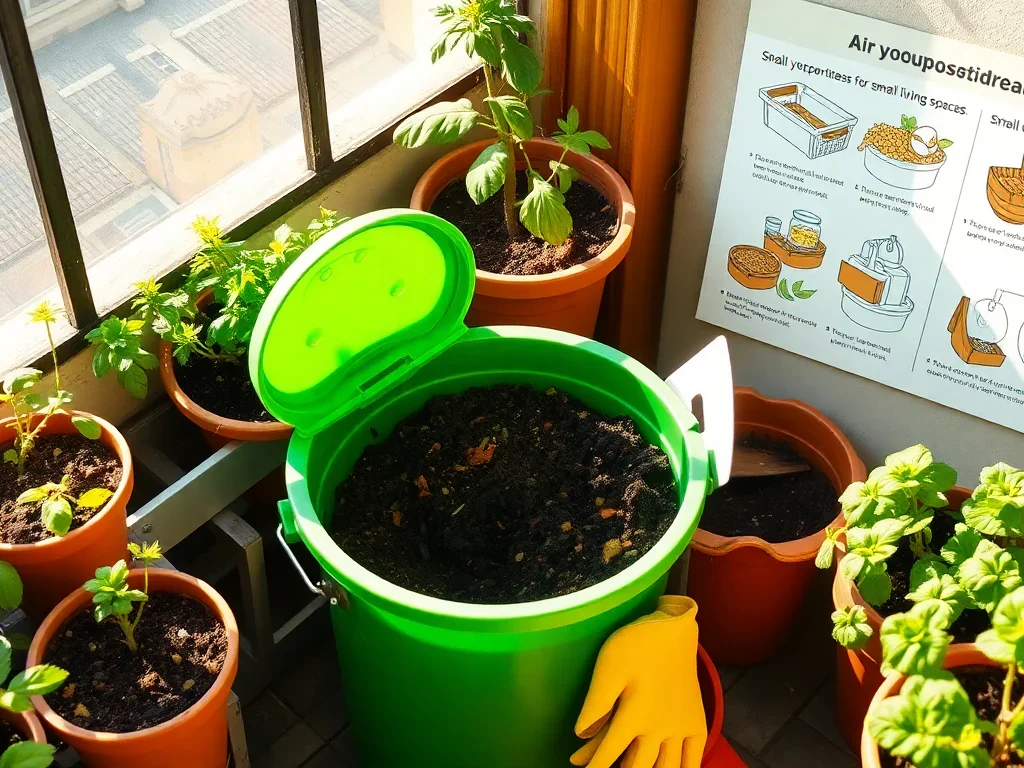
Now it’s time to begin composting!

Add your daily kitchen waste, such as:

  • Fruit and vegetable peels
  • Tea leaves (without the bag)
  • Coffee grounds
  • Eggshells
  • Spoiled cooked rice or plain bread (sparingly)

Never add:

  • Meat or fish
  • Dairy
  • Oily or spicy foods
  • Citrus in excess
  • Glossy paper
  • Plastic or packaged material

These items attract pests and cause foul odor.


Step 4: Add a Brown Layer After Every Green Layer

The key to smell-free composting is maintaining proper balance:

  • Greens = wet, nitrogen-rich
  • Browns = dry, carbon-rich

For every handful of kitchen waste you add, cover it with:

  • Dry leaves
  • Shredded newspaper
  • Cocopeat

This prevents fruit flies and keeps the pile aerated.


Step 5: Mix Every 3–5 Days

Turn the compost lightly using a garden trowel or gloved hands. Mixing:

  • Speeds up decomposition
  • Adds oxygen
  • Prevents fungal growth
  • Eliminates odor

If your bin feels too wet, add more brown material. If too dry, sprinkle a little water.


Step 6: Monitor the Moisture
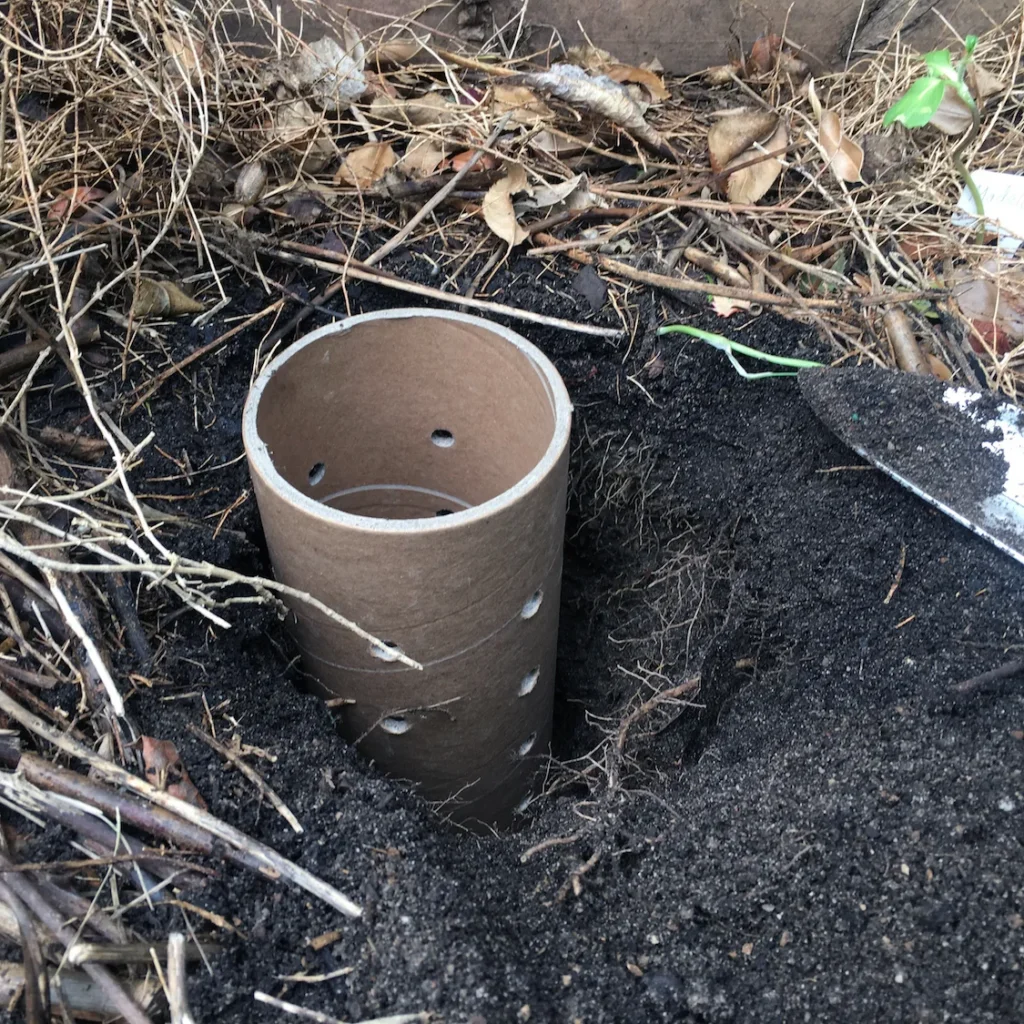
Your compost should feel like a slightly damp sponge.

If too wet:

  • Add more dry leaves or shredded paper
  • Open the lid for extra airflow
  • Mix well

If too dry:

  • Add a little water
  • Add more kitchen waste

Moisture balance is crucial for the microbes that break down organic material.


Step 7: Keep the Bin in a Shaded Corner

For balcony composting:

  • Choose a spot with partial shade
  • Avoid direct sunlight, which can dry the compost
  • Avoid rain exposure to prevent soaking

A tucked corner beside your balcony railing works perfectly.


How to Know When Your Compost Is Ready

Composting usually takes 6–10 weeks depending on temperature and materials. Your compost is ready when:

  • It looks dark and crumbly
  • It smells earthy
  • You cannot identify the original waste
  • It feels light and soil-like
  • No flies or pests are present

If you find larger pieces, simply sieve or remove them and put them back for further composting.


How to Use Your Homemade Compost

Your balcony compost is pure gold for your plants! Use it for:

1. Potting Mix

Mix compost with:

  • 40% garden soil
  • 30% compost
  • 30% cocopeat

Perfect for vegetables, herbs, and flowering plants.

2. Top Dressing

Spread a handful of compost around the base of each plant every 3–4 weeks.

3. Seed Starting

Use light, sieved compost to enrich seed starter mixes.

4. Reviving Dull Soil

Compost improves soil texture, increases water retention, and boosts microbial activity.


Common Problems & Easy Fixes

Balcony composting is simple but may encounter small issues. Here’s how to handle them.

Problem 1: Bad Odor

Solution:

  • Add more browns
  • Mix thoroughly
  • Reduce wet waste
  • Keep lid closed

Problem 2: Fruit Flies

Solution:

  • Cover each green layer with browns
  • Add a thin soil layer on top
  • Ensure the lid is tight

Problem 3: Too Wet and Mushy

Solution:

  • Add dry leaves or cocopeat
  • Enhance aeration
  • Reduce moist kitchen waste

Problem 4: Too Dry

Solution:

  • Add water slowly
  • Increase green waste

Tips for Successful Balcony Composting

  • Cut or chop scraps into smaller pieces for faster breakdown
  • Never overload the bin in one day
  • Maintain green-to-brown ratio (1:2 works best)
  • Keep the lid closed to prevent pests
  • Use two bins if you produce a lot of waste—one active, one resting

Conclusion: Your Balcony Compost Bin Is a Step Toward Sustainable Living

Making your own compost bin on the balcony is not just a gardening hack—it’s a lifestyle change. It reduces your waste, enriches your plants, and gives you the satisfaction of contributing to a greener world. Whether you’re an apartment dweller, a beginner gardener, or simply someone who wants to live more sustainably, balcony composting is easy, effective, and incredibly rewarding.

With a simple DIY setup, a few minutes of maintenance each week, and patience, you can produce rich compost right at home. Start today, and soon you’ll have healthier plants—and a healthier planet!

5 Fun Gardening Projects for Kids and Families: Grow, Learn, and Bond Together

5 Fun Gardening Projects for Kids and Families: Grow, Learn, and Bond Together

Gardening isn’t just about growing plants—it’s about growing memories, skills, and curiosity. For families looking to spend quality time together, garden-based activities offer the perfect blend of fun, learning, creativity, and outdoor adventure. Kids love to get their hands dirty, observe nature up close, and watch something they planted come to life. Parents, meanwhile, get the satisfaction of meaningful bonding time and the joy of teaching little ones about the natural world.

Whether you have a backyard, balcony, terrace, or even a sunny window, gardening projects can be adapted to any space. Here are five fun gardening projects for kids and families that spark imagination, nurture responsibility, and introduce children to the wonder of nature.


1. Create a Colorful Butterfly Garden

A butterfly garden is a magical way to introduce kids to pollinators and the role they play in our ecosystem. Watching butterflies dance around flowers will delight children, and the process of creating the garden becomes an engaging learning experience.

Why It’s Great for Kids

  • Bright colors attract attention and fuel creativity
  • Kids learn about pollination and life cycles
  • Encourages observation skills and patience

How to Start

  1. Choose a sunny spot — Butterflies love warm, sunny areas.
  2. Pick nectar-rich plants — Marigolds, zinnias, cosmos, lantana, milkweed, sunflowers, or butterfly bush.
  3. Add a water source — A shallow dish with stones for butterflies to land on.
  4. Create resting spots — Small flat rocks where butterflies can bask.

Let children design the layout using colored pencils. They can decide where each plant goes, how to decorate the space, or whether to add small garden ornaments.

Educational Element

Kids can keep a butterfly journal where they sketch or note the butterflies they see. This teaches them observation, patience, and responsibility.


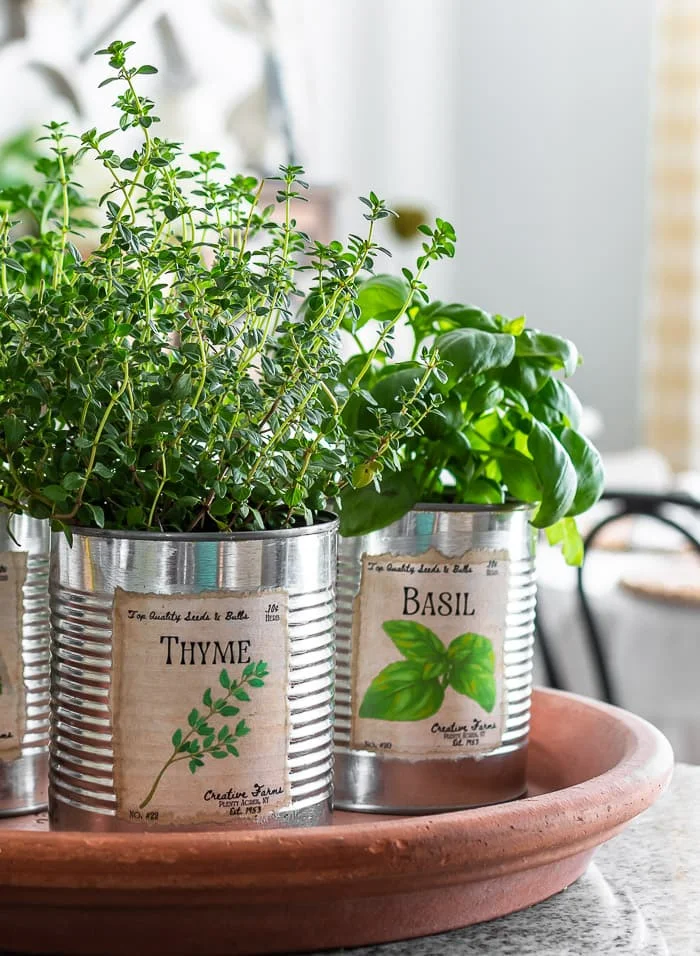
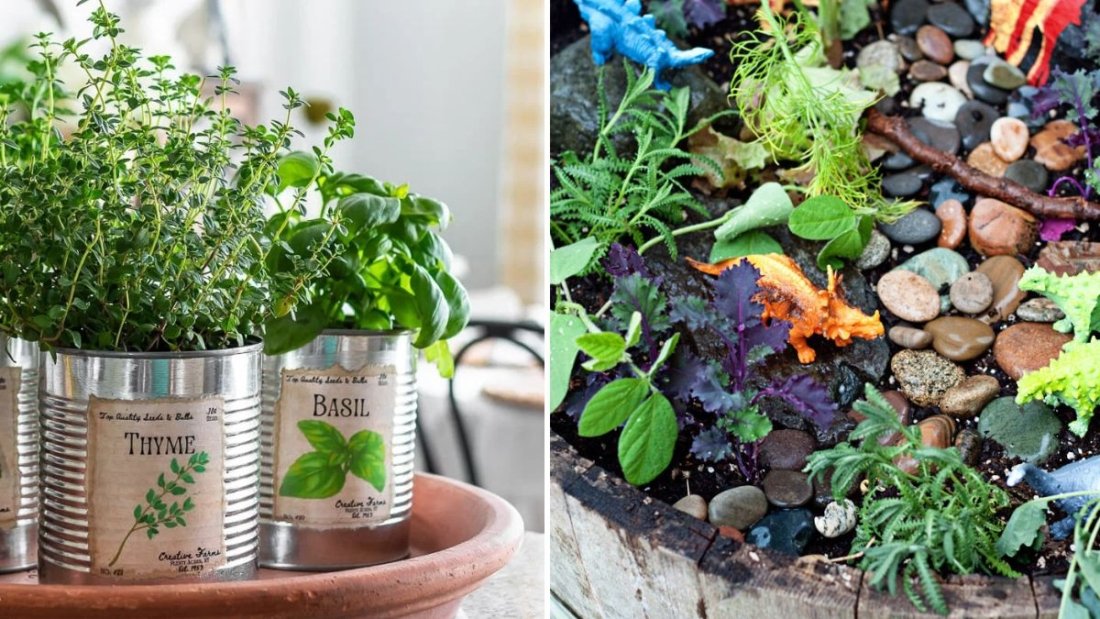
2. Build a Mini Herb Garden in Recycled Containers

This is a fantastic way to teach children about sustainability, recycling, and the joy of growing edible plants. Herbs grow quickly, smell great, and are easy for kids to care for. Plus, you can use the harvest in your meals, giving kids the pride of contributing to the family kitchen.

Materials Needed

  • Old cans, jars, buckets, or plastic bottles
  • Potting soil
  • Herb seeds or starter plants (basil, mint, coriander, oregano, dill, chives)
  • Paints, stickers, or markers

Steps

  1. Clean and decorate the containers — This is where kids can express creativity.
  2. Poke drainage holes — A great moment to teach why plants need proper drainage.
  3. Fill with soil and sow the seeds according to packet directions.
  4. Label each pot with the herb name.
  5. Place on a sunny windowsill or balcony.

Kids will love checking daily to see which seeds have sprouted. Since herbs grow earlier and faster than many other plants, they provide quick wins that keep children motivated.

Learning Benefits

  • Encourages sustainable habits
  • Teaches plant care and watering routines
  • Introduces basic culinary skills
  • Boosts creativity through decoration

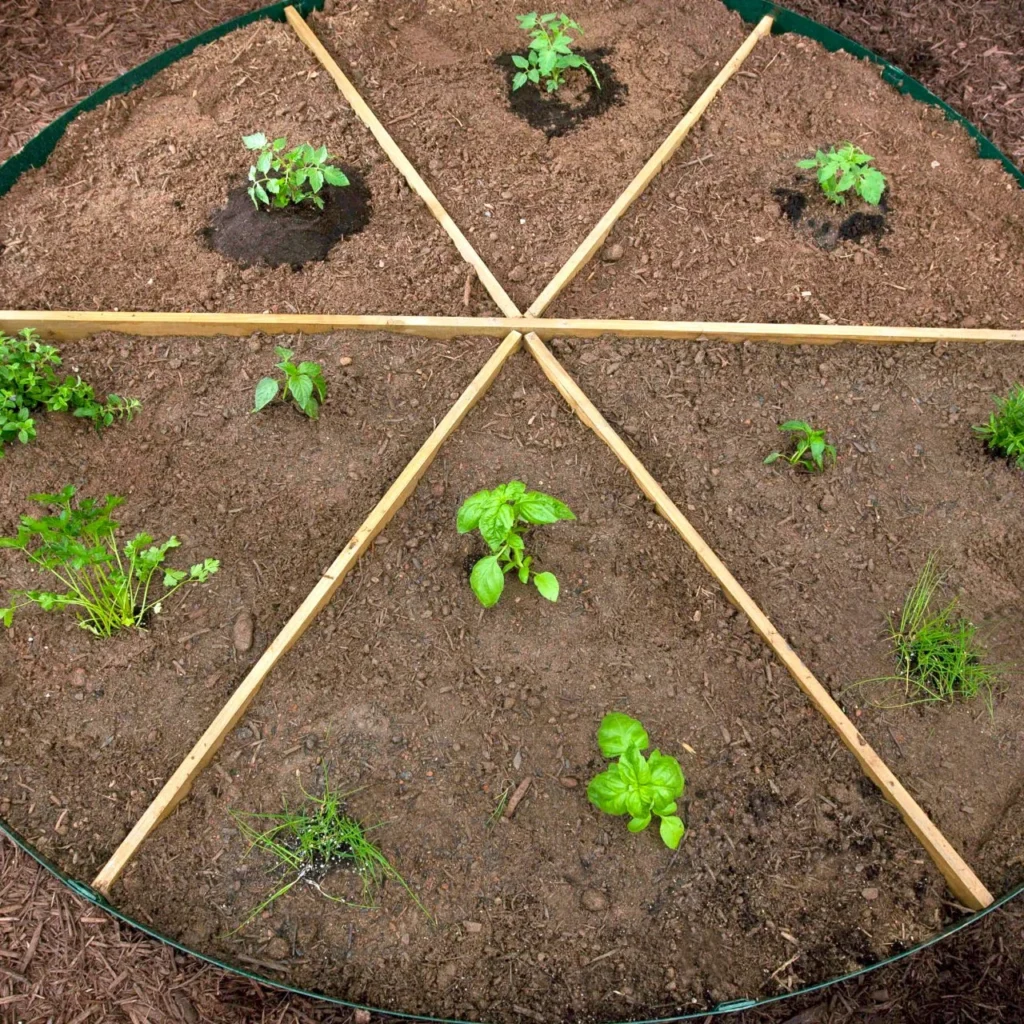
3. Grow a Pizza Garden

A pizza garden is one of the most fun ways to get children excited about growing vegetables. The idea is to grow everything you need to make a homemade pizza—right from your garden! This gives kids a sense of accomplishment as well as a hands-on lesson in where food comes from.

Plants to Include

  • Tomatoes (for sauce)
  • Basil (for seasoning)
  • Oregano
  • Bell peppers
  • Spinach
  • Onions

How to Create a Pizza-Shaped Bed

If you have ground space, create a round garden bed and divide it into 6 or 8 “slices,” with each section growing a specific ingredient. If not, use pots arranged in a circle.

Kid-Friendly Activities

  • Making plant markers shaped like pizza slices
  • Painting pots in pizza colors
  • Tracking plant growth with height charts
  • Harvesting and helping cook the final pizza

Why It Works

Kids connect instantly with food they recognize. Growing ingredients they’ll use in a fun recipe reinforces the learning experience and shows them the value of gardening.


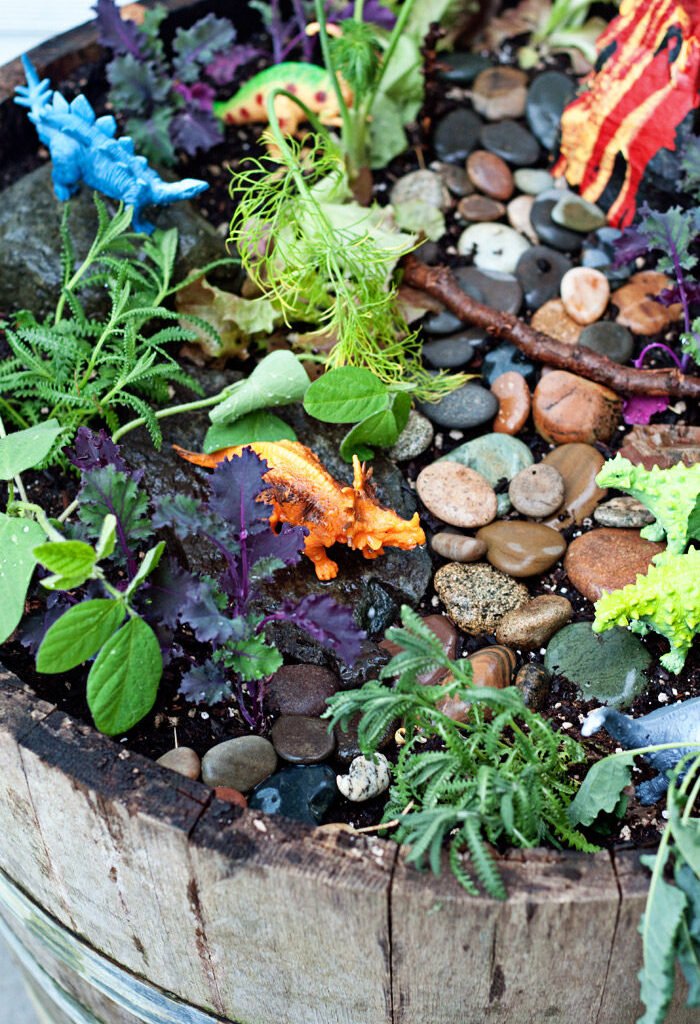
4. Build a DIY Fairy or Dinosaur Garden

This project is perfect for sparking creativity and imaginative play. Depending on your child’s interests, you can create a whimsical fairy garden or a prehistoric dinosaur-themed garden. These miniature landscapes can be built in planters, buckets, or even old baking trays.

Materials

  • A shallow container
  • Potting soil
  • Small plants like succulents, mosses, or low-growing herbs
  • Decorative stones, twigs, bark
  • Fairy figurines or toy dinosaurs (optional)

How to Make It

  1. Let kids choose the theme—fairy, forest, dinosaur, ocean, or space.
  2. Add soil and place mini plants strategically. Teach them about spacing and plant care.
  3. Create paths using pebbles or tiny “rivers” using blue glass stones.
  4. Add toys or figurines to complete the fantasy world.

Learning Benefits

  • Encourages creativity and storytelling
  • Teaches layout planning and basic design principles
  • Helps fine motor skills through arranging small elements
  • Provides ongoing playtime even after setup

Parents often find this project just as enjoyable as kids—it becomes a joint art-and-garden activity.


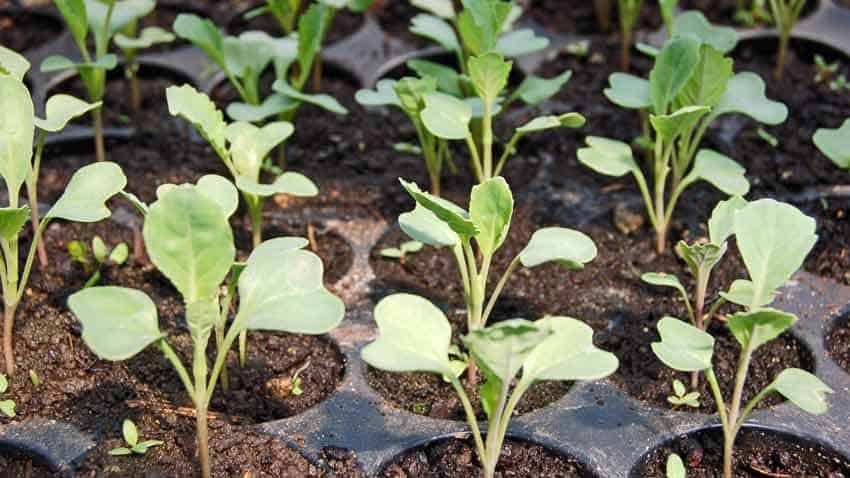
5. Start a Seed-Starting Science Station

Kids naturally love experiments, so turning gardening into a hands-on science project is a great way to engage their curiosity. You can create a simple science station using seeds, clear containers, and labels.

What You Need

  • Clear plastic cups or jars
  • Seeds (beans, peas, sunflowers, or radish seeds are best for beginners)
  • Cotton balls, paper towels, or potting soil
  • Spray bottle
  • Growth chart or notebook

How to Create the Science Project

  1. Line jars with wet cotton or soil.
  2. Place seeds where kids can watch them sprout against the clear wall.
  3. Label each container with date and seed variety.
  4. Ask kids to make predictions:
    • Which seed will sprout first?
    • How tall will it grow?
  5. Measure the growth daily and note changes.

This transforms gardening into an exciting biology lesson, teaching kids about:

  • Germination
  • Root development
  • Photosynthesis
  • Plant anatomy
  • Observation and recording

Make It More Fun

  • Create time-lapse photos
  • Turn observations into a scrapbook
  • Award “scientist of the week” badges for responsibility

This project not only teaches science but also helps children develop discipline through daily care.


Final Thoughts: Growing Together as a Family

Gardening provides moments of joy, wonder, and learning—all while helping families slow down and reconnect. Whether it’s watching butterflies visit flowers, harvesting basil for dinner, or building a mini fantasy land, each project invites kids to explore nature hands-on.

These 5 fun gardening projects for kids and families are adaptable, inexpensive, and enriching. They build skills in creativity, responsibility, problem-solving, and teamwork. Most importantly, they create memories your family will cherish for years.

How to Grow Herbs in Mason Jars on the Windowsill: A Complete Beginner-Friendly Guide

How to Grow Herbs in Mason Jars on the Windowsill: A Complete Beginner-Friendly Guide

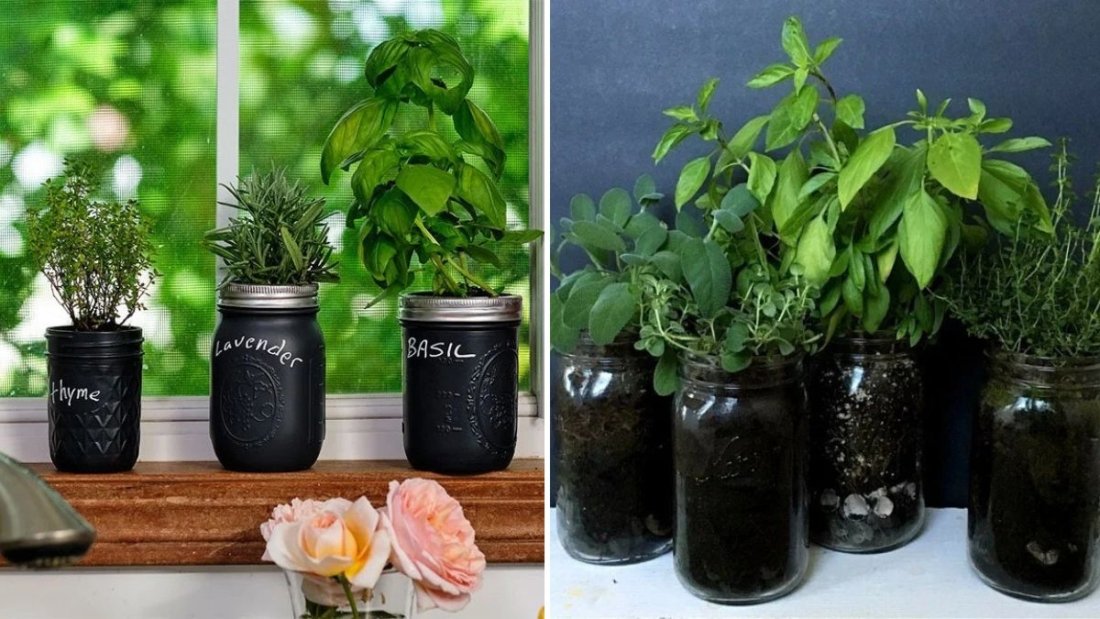
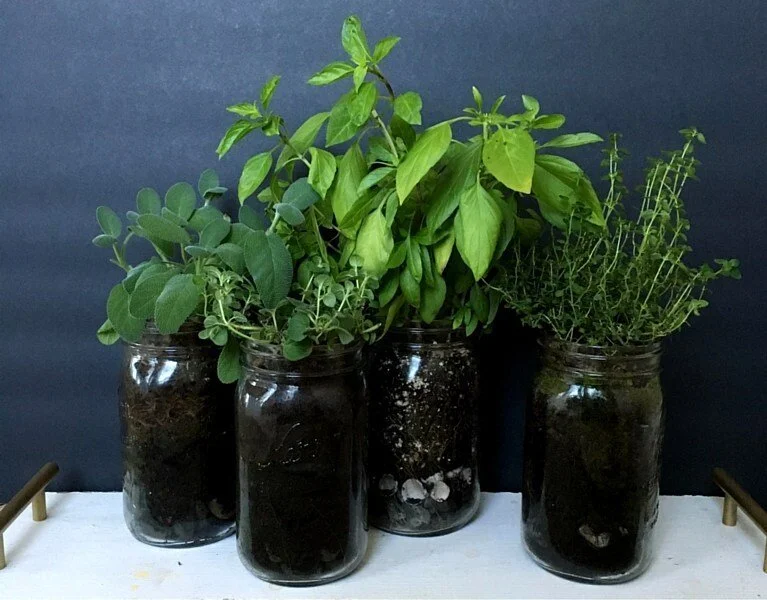
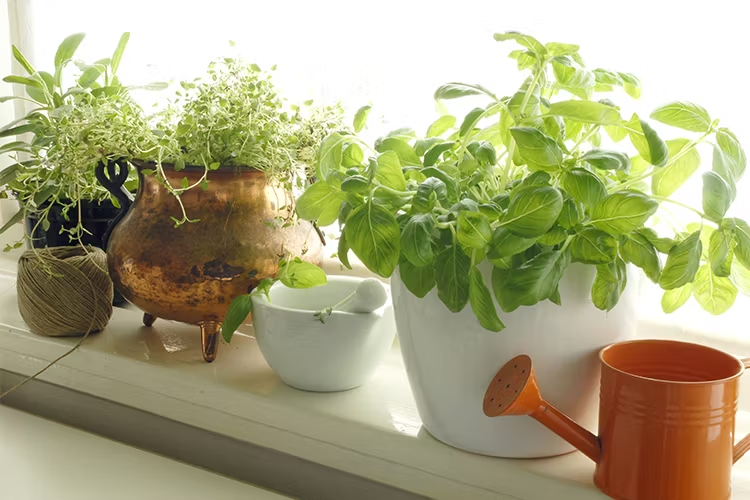
Growing herbs at home doesn’t require a big garden or yard—your windowsill and a few mason jars are enough to create a thriving mini herb garden. This method is perfect for urban gardeners, apartment dwellers, beginners, and anyone who loves fresh, aromatic herbs for cooking. Mason jars are affordable, easy to find, stylish, and surprisingly effective for growing herbs indoors. Plus, they double as charming home décor pieces!

In this 1200-word guide, you’ll learn everything you need to know: which herbs grow best in jars, how to set up your mini garden, soil tips, watering mistakes to avoid, and how to keep your herbs lush and healthy all year long.


Why Grow Herbs in Mason Jars?

Herbs are some of the easiest plants to grow indoors. When you grow them in mason jars placed on the windowsill, you get several benefits:

✔eed basil for your pasta or mint for your tea? Just reach over to your window.

No outdoor space required

erfect for small apartments, dorms, or compact kitchens.

Beautiful décor

Mason jars have a rustic charm that adds warmth to your living space.

Saves money

Store-bought herbs are expensive—growing your own means endless, fresh supply.

Great for beginners

Herbs are forgiving, and mason jars require minimal tools and setup.


What You Need to Start

Growing herbs in mason jars doesn’t require specialized gardening tools. Here’s what you’ll need:

1. Mason Jars (16–32 oz)

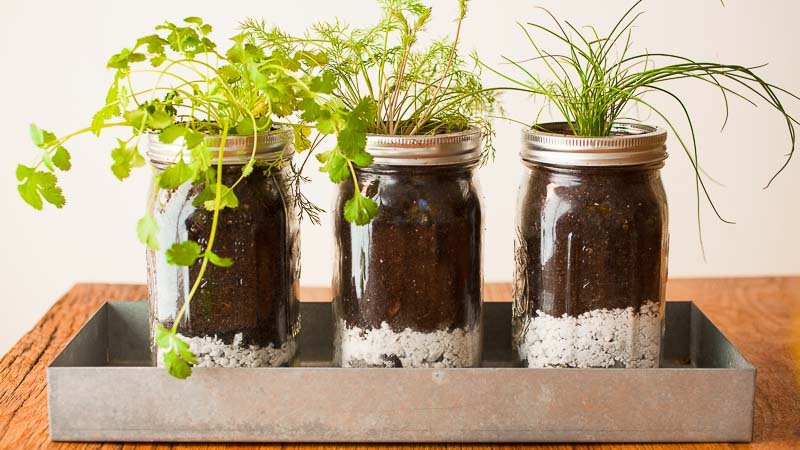
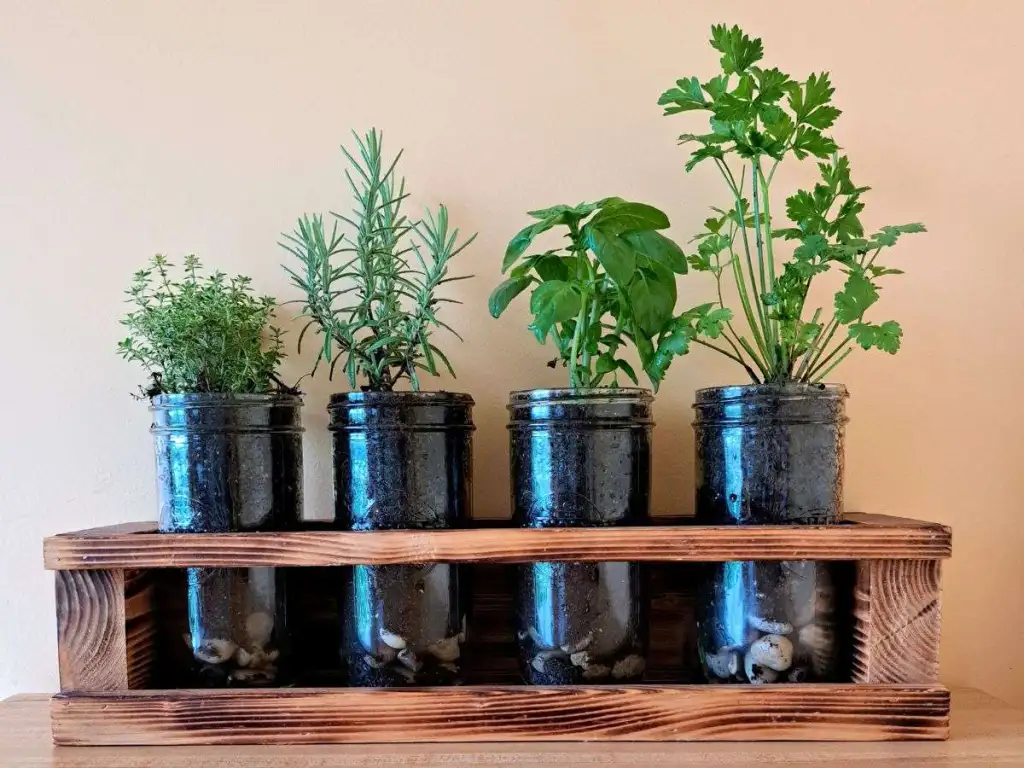
Choose transparent jars so you can monitor moisture and root growth.

2. Small Stones or Pebbles

Since mason jars don’t have drainage holes, pebbles create a drainage layer at the bottom.

3. Activated Charcoal (optional but recommended)

This prevents odor, bacteria buildup, and root rot.

4. Potting Mix

Use a light, well-draining indoor potting mix. Avoid garden soil.

5. Herb Seeds or Seedlings

Both work, but seedlings give quicker results.

6. Sunny Windowsill

South- or east-facing windows provide the best light.


Best Herbs to Grow in Mason Jars

Not all herbs thrive indoors, but these varieties do exceptionally well in jars:

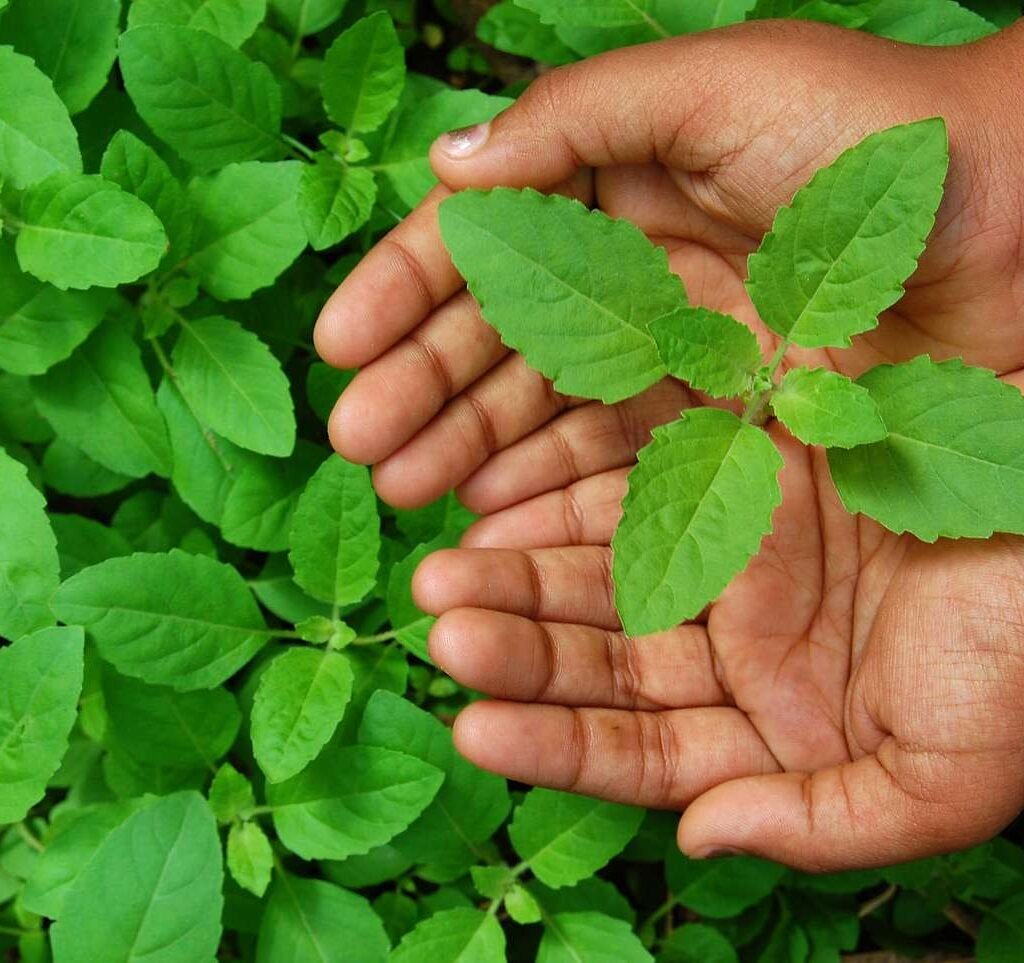
1. Basil

Loves sun and warm temperatures—ideal for sunny kitchens.

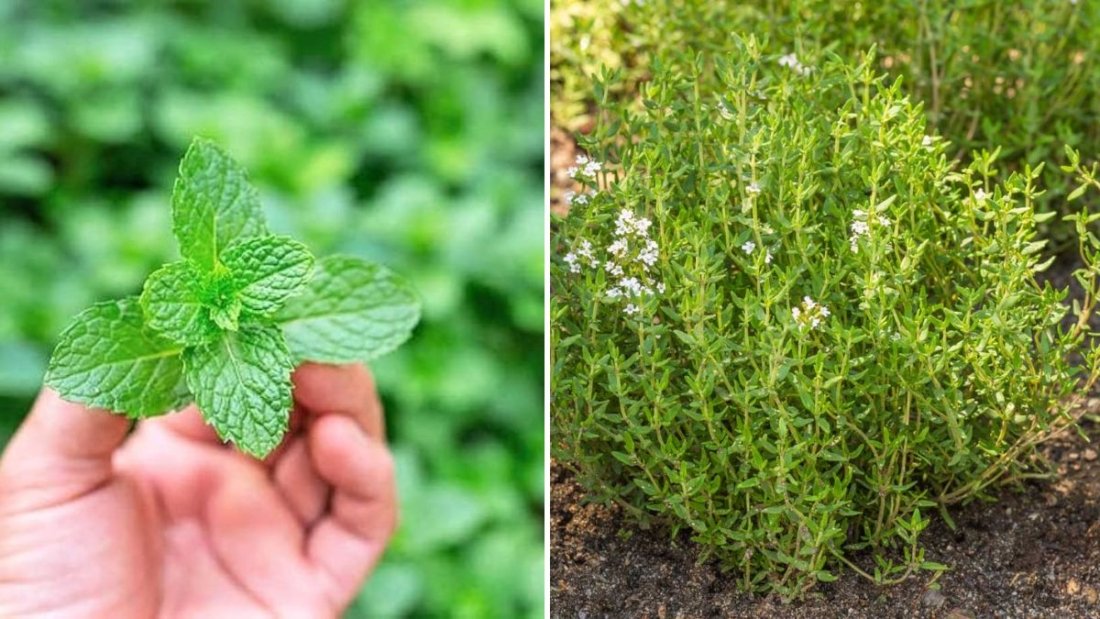
2. Mint

Very forgiving, grows fast, and perfect for beginners.

3. Parsley

Takes time to germinate but grows beautifully indoors.

4. Cilantro

Thrives in cool indoor climates with moderate sunlight.

5. Thyme

Hardy and drought-tolerant—great for jars without drainage.

6. Rosemary

Prefers bright light and well-draining soil.

7. Chives

Perfect for cooking and grows easily in jars.

Start with 2–3 herbs and expand later as you gain confidence.


Step-by-Step Guide: How to Grow Herbs in Mason Jars

Follow these simple steps to create your own windowsill herb garden:


Step 1: Prepare Your Mason Jar

Since jars don’t have drainage holes, you must create an alternative drainage system.

  1. Add 1–1.5 inches of pebbles to the bottom.
  2. Add a thin layer of activated charcoal on top of the pebbles.
    This helps prevent mold and improves water flow.
  3. Fill the rest of the jar with potting mix, leaving 1–2 inches of room at the top.

Make sure the soil is loose and airy—herbs hate compacted soil.


Step 2: Plant the Seeds or Seedlings

If using seeds:

  1. Sprinkle 3–5 seeds on the surface.
  2. Add a thin layer (¼ inch) of potting soil over them.
  3. Mist lightly with water.

If using seedlings:

  1. Make a small hole in the soil.
  2. Insert the seedling’s root ball gently.
  3. Fill in the gap around it and press lightly.

Tip: Don’t overcrowd herbs—one plant per mason jar is ideal.


Step 3: Place the Jars in a Sunny Spot

Herbs love light, especially:

  • Basil
  • Rosemary
  • Thyme

Aim for at least 4–6 hours of sunlight daily.

Place jars on:

  • Kitchen windowsills
  • Balcony windows
  • Sunlit corners of your home

If your space doesn’t get enough sunlight, consider using a small grow light.


Step 4: Water Carefully

Overwatering is the most common reason herbs die in mason jars.

How to water correctly:

  • Use a spray bottle or narrow-spout watering can.
  • Water only when the top inch of soil feels dry.
  • Stop watering when you see moisture reaching the pebbles at the bottom.

Avoid waterlogging.
Because jars don’t drain, roots can rot easily.

Signs you’re overwatering:

  • Yellowing leaves
  • Mushy soil
  • Fungus on the soil surface

Step 5: Maintain Your Herbs

Maintenance is simple but essential to keep herbs growing strong.

Pruning

  • Regularly pinch off the top leaves to encourage bushy growth.
  • For basil, cut just above a leaf node.

Fertilizing

  • Use a diluted liquid fertilizer once every 3–4 weeks.
  • Avoid overfeeding—herbs grow slowly indoors.

Rotation

Turn the jar every few days so the plant grows evenly toward the light.

Cleaning

Occasionally wipe the inside of the jar to remove condensation or debris.


How to Use Your Fresh Herbs

Growing herbs is rewarding—using them makes it even better!

Here are some practical uses:

Basil

  • Pasta
  • Soups
  • Salads
  • Pesto

Mint

  • Tea
  • Mojitos
  • Chutneys
  • Smoothies

Parsley

  • Garnishing
  • Soups
  • Sandwiches

Cilantro

  • Curry
  • Rice dishes
  • Salsa

Fresh herbs are flavorsome, aromatic, and much healthier than store-bought packaged ones.


Common Problems (and How to Fix Them)

Even with mason jars, your herbs can thrive if you avoid these common mistakes:


Problem 1: Soil Always Wet or Moldy

Solution:

  • Reduce watering.
  • Add more pebbles or charcoal.
  • Move plants to a sunnier spot.

Problem 2: Plants Growing Tall but Thin

This is called “leggy” growth—caused by insufficient light.

Solution:

  • Move them to a brighter window.
  • Rotate the jars regularly.

Problem 3: Yellow or Drooping Leaves

Possible reasons:

  • Overwatering
  • Underwatering
  • Poor soil

Solution:
Check moisture levels and adjust your watering schedule.


Problem 4: Herb Stops Growing After a Few Weeks

Herbs need nutrients.

Solution:
Use a light indoor fertilizer once every few weeks.


Creative Ideas to Style Your Mason Jar Herb Garden

Growing herbs doesn’t have to be just functional—it can be beautiful too.

Try these styling tips:

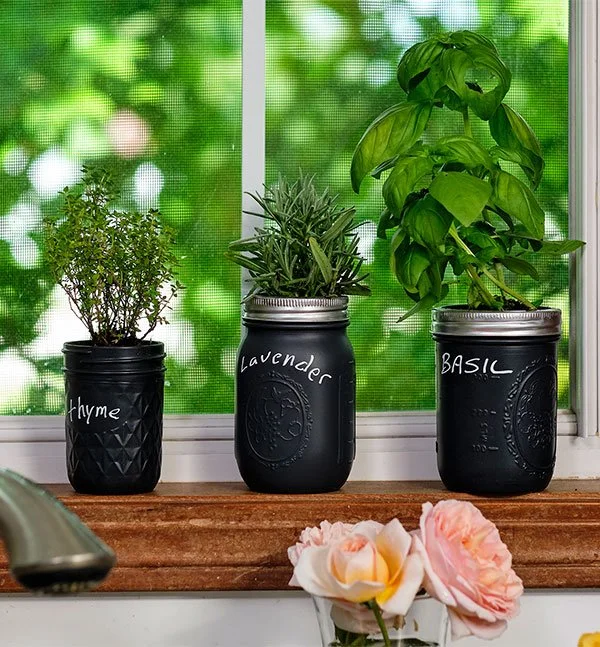
1. Label Your Jars

Use chalkboard stickers or wooden tags.

2. Hang the Mason Jars

Use a wooden board and metal rings to mount the jars vertically.

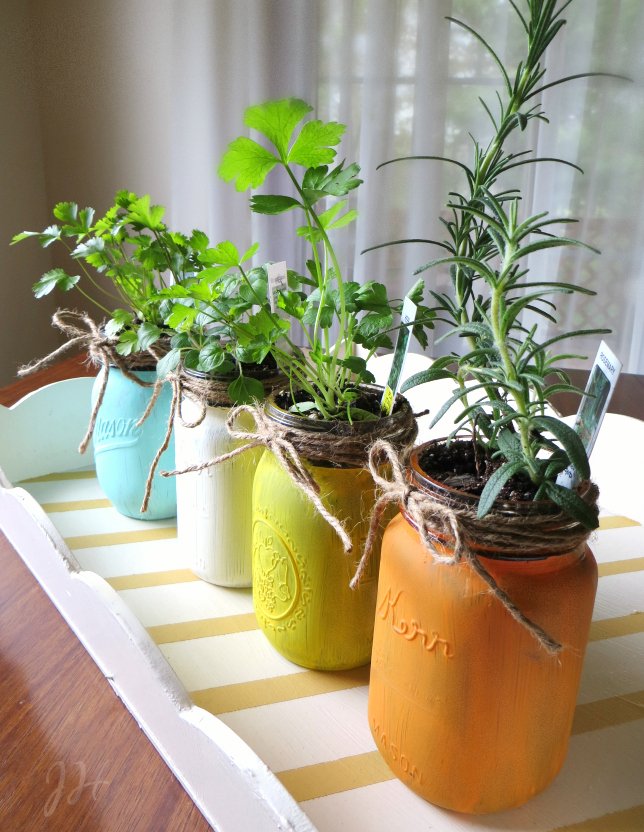
3. Paint or Decorate the Jars

Spray-paint the bottom half or wrap with jute rope for a rustic feel.

4. Arrange in Tiers

Use a tiered shelf to display 3–6 jars together.

5. Use Different Jar Sizes

Mix small jars for herbs like thyme and larger jars for basil or mint.

Your windowsill herb garden can become a beautiful décor statement.


Final Thoughts

Growing herbs in mason jars on the windowsill is one of the easiest and most rewarding home gardening projects. It requires minimal space, very little investment, and offers endless benefits—fresh flavors in your kitchen, improved indoor air quality, and a constant connection to nature.

Whether you choose basil for cooking, mint for drinks, or rosemary for fragrance, your mason jar herb garden can flourish with just a little care and sunlight. With the steps and tips in this guide, you can enjoy fresh homegrown herbs all year long—right from your windowsill.

6 Herbs That Purify Air While You Cook

6 Herbs That Purify Air While You Cook

When you think about purifying the air in your home, your mind might jump to electric purifiers, activated charcoal, or indoor plants like snake plant and peace lily. But what if the freshest air-purifying solutions are already in your kitchen? In fact, several herbs naturally clean the air around you while also adding fragrance, flavor, and beauty to your cooking space.

Herbs are easy to grow indoors or on a balcony, require very little space, and many contain powerful natural compounds that eliminate toxins, neutralize odors, and release oxygen. These herbs do double-duty—they enhance your meals and purify indoor air at the same time.

In this comprehensive guide, you’ll discover six powerful air-purifying herbs, learn how to grow them, and understand why they’re perfect for your kitchen garden.


Why Grow Air-Purifying Herbs in the Kitchen?

Before we dive into the list, here’s why herbs make great indoor air cleansers:

  • They absorb airborne toxins: Many culinary herbs absorb pollutants like benzene, ammonia, and formaldehyde.
  • They release fresh oxygen: Improving air circulation and freshness while you cook.
  • They neutralize strong odors: Especially beneficial when frying, sautéing, or handling pungent ingredients.
  • They add fragrance naturally: No need for artificial air fresheners.
  • They grow well indoors: Even in small pots on a windowsill or countertop.
  • They’re useful every day: Harvest while you cook—freshness guaranteed!

Now let’s explore the top herbs that help purify air in your kitchen.


1. Basil (Tulsi – Sweet, Thai, or Holy Basil)

Basil is one of the most fragrant herbs you can grow. Its essential oils—like linalool, eugenol, and citronellol—are known for their antibacterial and air-purifying properties. Basil improves indoor air quality by absorbing pollutants and releasing phytoncides, natural compounds that help sanitize the air.

Why Basil Purifies Air

  • Its aroma neutralizes kitchen odors instantly.
  • Helps reduce airborne microbes.
  • Acts as a natural insect repellent.

How to Grow Basil Indoors

  • Light: At least 4–6 hours of sunlight or a grow light.
  • Soil: Well-draining potting mix.
  • Water: Keep the soil moist but never waterlogged.
  • Tip: Regular pruning makes the plant bushier and healthier.

Best Uses in Cooking

  • Soups, salads, pasta, chutneys, curries, and herbal teas.

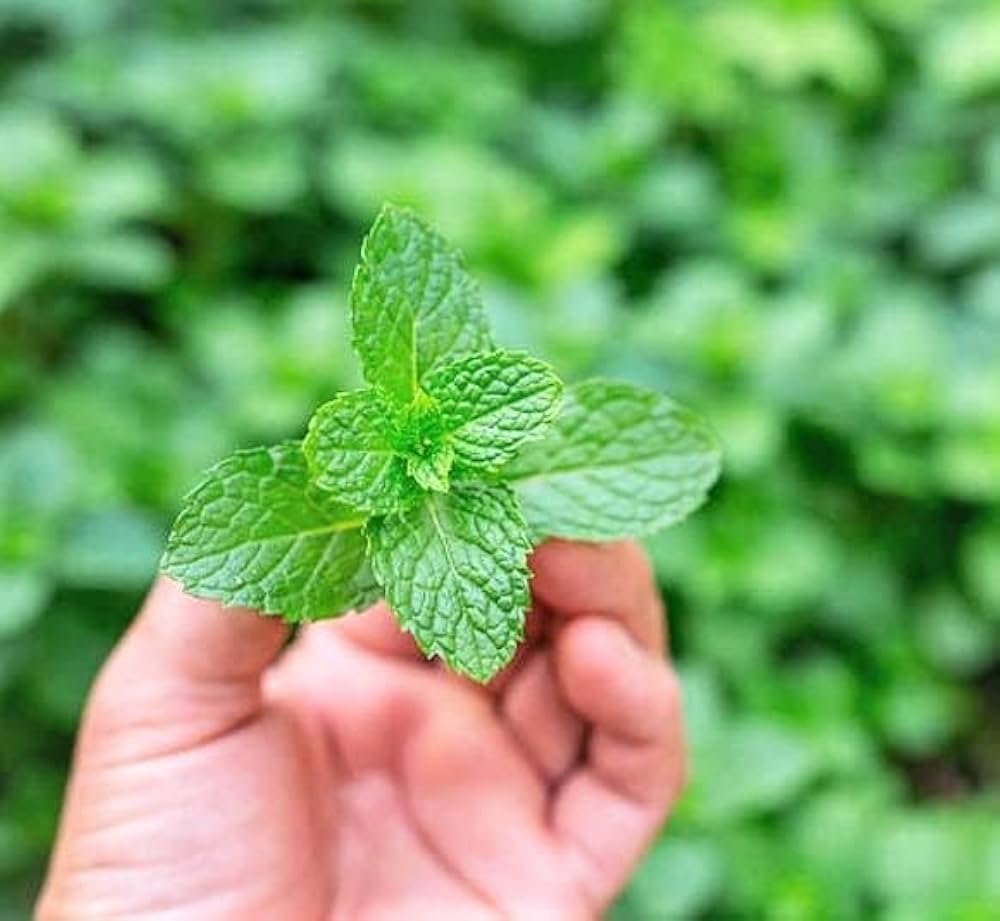
2. Mint (Pudina)

Mint is a refreshing, easy-growing herb with crisp fragrance and powerful purification effects. It contains menthol, which helps deodorize the air, especially after strong-smelling cooking sessions (like frying fish or onions).

Why Mint Purifies Air

  • Absorbs airborne pollutants and neutralizes odors.
  • Natural cooling aroma makes your kitchen feel fresh.
  • Repels mosquitoes, ants, and flies.

How to Grow Mint Indoors

  • Light: Prefers partial sunlight.
  • Water: Needs consistent moisture—don’t let the soil dry completely.
  • Container: Choose a wide pot, as mint spreads quickly.

Best Uses in Cooking

  • Mint chutney, raita, smoothies, teas, salads, and garnishes.

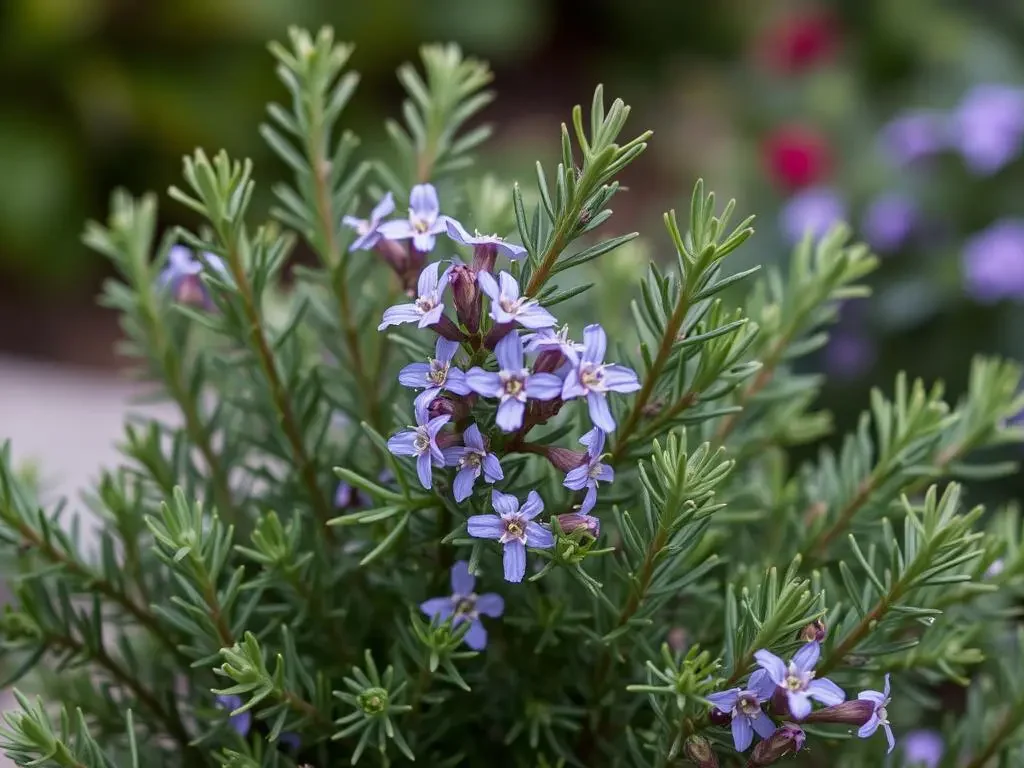
3. Rosemary

Rosemary has a pine-like aroma and naturally increases oxygen levels in indoor spaces. It is known for its antibacterial and antifungal properties, making it an excellent air purifier for kitchens.

Why Rosemary Purifies Air

  • Its aromatic oils help disinfect the air.
  • Helps eliminate cooking odors.
  • Naturally improves concentration and reduces stress.

How to Grow Rosemary Indoors

  • Light: 6–8 hours of direct sunlight.
  • Soil: Sandy, well-draining soil.
  • Water: Water only when soil dries out—avoid overwatering.
  • Temperature: Prefers a warm, bright location.

Best Uses in Cooking

  • Perfect for roasted vegetables, chicken, potatoes, soups, and infused oils.

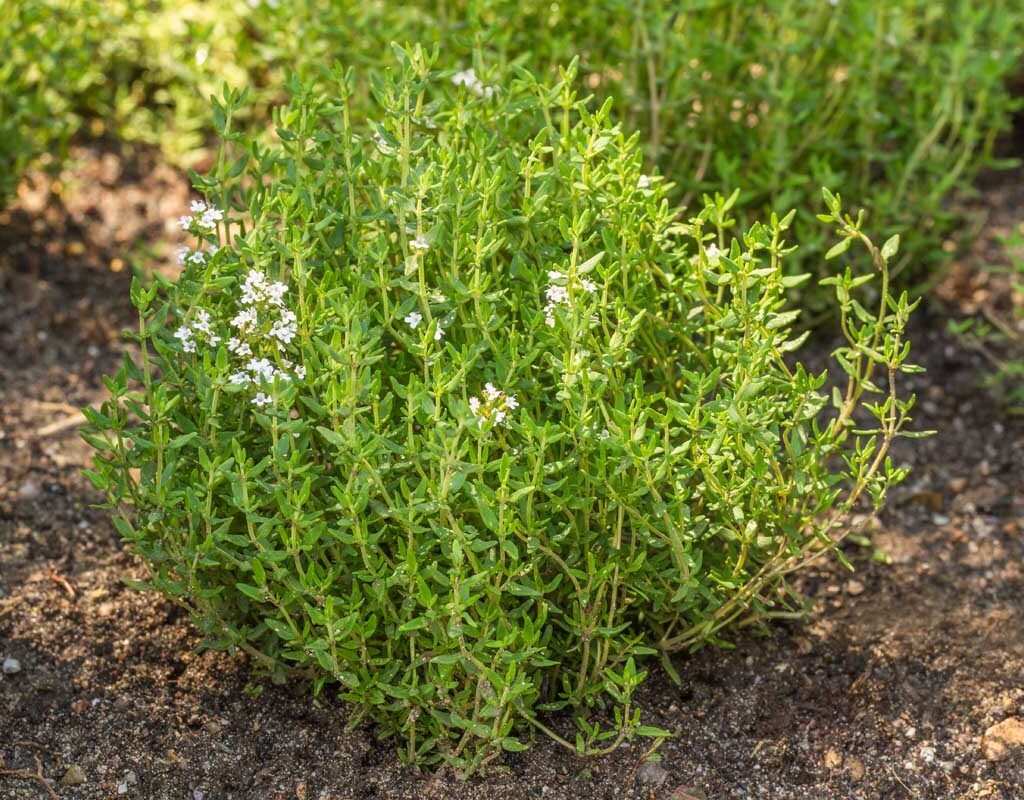
4. Thyme

Thyme is rich in thymol, an antimicrobial agent widely used in natural cleaners. It’s a powerful herb for eliminating bacteria and freshening the air while you cook.

Why Thyme Purifies Air

  • Strong antibacterial, antifungal properties.
  • Eliminates lingering food smells.
  • Improves indoor air circulation through its compact but aromatic growth.

How to Grow Thyme Indoors

  • Light: 5–6 hours of sunlight.
  • Soil: Slightly dry, sandy soil.
  • Water: Needs minimal watering—let soil dry between waterings.
  • Tip: Trim regularly to encourage new growth.

Best Uses in Cooking

  • Adds flavor to sauces, soups, stews, breads, and roasted dishes.

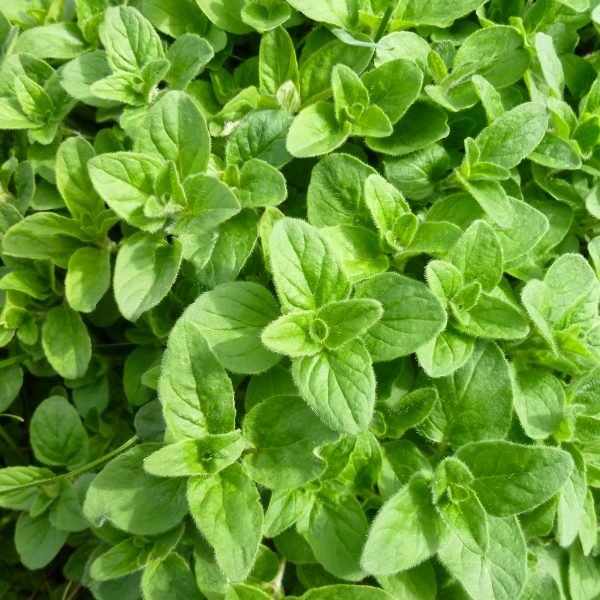
5. Oregano

Oregano is a powerful herb not just for pizzas and pastas—it also works wonders for air purification. It contains carvacrol and thymol, two potent compounds known to remove airborne bacteria and toxins.

Why Oregano Purifies Air

  • Cleanses the air of harmful microbes.
  • Deters insects naturally.
  • Releases a warm, spicy aroma that freshens the entire kitchen.

How to Grow Oregano Indoors

  • Light: Needs bright sunlight or a grow light.
  • Soil: Well-draining potting mix.
  • Water: Moderate watering—avoid soggy soil.
  • Container: Choose a medium-sized pot to allow spreading.

Best Uses in Cooking

  • Pizza, pasta, salad dressings, marinades, and soups.

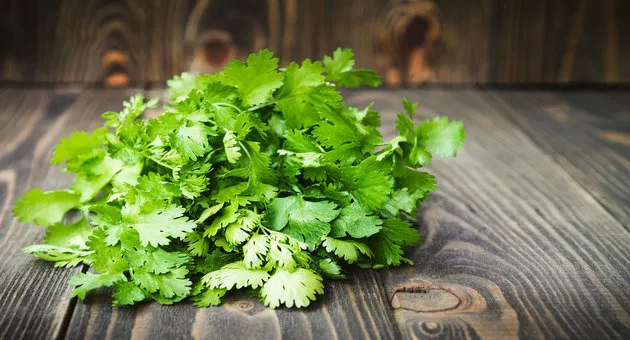
6. Coriander (Cilantro)

Coriander is one of the most commonly used kitchen herbs in Indian cooking. What makes it special is its strong aromatic oils that purify the air and neutralize stubborn odors in the kitchen.

Why Coriander Purifies Air

  • Helps reduce kitchen smells like garlic, fish, and onions.
  • Absorbs impurities from surrounding air.
  • Refreshes your cooking space with its earthy scent.

How to Grow Coriander Indoors

  • Light: Prefers morning sunlight and afternoon shade.
  • Soil: Loose, organic potting mix.
  • Water: Requires frequent but light watering.
  • Harvest: Snip leaves often to encourage new growth.

Best Uses in Cooking

  • Curries, dals, garnishes, salads, chutneys, and smoothies.

How These Herbs Clean the Air (Science Behind It)

These culinary herbs purify air through three main mechanisms:

1. Absorbing Toxins

Herbs absorb pollutants such as ammonia, benzene, and formaldehyde—common indoors due to cleaning agents and cooking fumes.

2. Releasing Phytoncides

These are antimicrobial compounds that help reduce bacteria, mold, and viruses in the air.

3. Increasing Oxygen Levels

Herbs release fresh oxygen during the day, improving overall air quality inside your kitchen.

Bonus Benefit

Because you harvest these herbs regularly, they continue producing fresh leaves, ensuring constant purification.


Tips for Growing Air-Purifying Herbs in Your Kitchen

Choose the Right Spot

A sunny windowsill or balcony corner is ideal.

Use Good Quality Soil

Prefer organic potting mix and add compost for nutrition.

Ensure Proper Drainage

Most herbs dislike waterlogged soil.

Water Wisely

Over-watering kills more herbs than under-watering.

Harvest Regularly

Pruning encourages bushy growth and stronger fragrance.

Keep Near the Stove (But Not Too Close)

Place herbs where they can absorb cooking odors but avoid extreme heat.


Final Thoughts

Growing herbs that purify the air is a simple, beautiful, and rewarding way to transform your kitchen. These six herbs—basil, mint, rosemary, thyme, oregano, and coriander—not only enhance the flavor of your meals but also keep your kitchen smelling fresh and clean. They’re affordable, easy to maintain, and perfect for apartment dwellers or homes with limited space.

Whether you’re setting up a windowsill herb garden, filling your balcony with pots, or creating a full-fledged indoor kitchen garden, these herbs will give you fresher air and healthier, tastier meals every single day.

How to Start an Organic Kitchen Garden on Your Terrace (A Complete Beginner’s Guide)

How to Start an Organic Kitchen Garden on Your Terrace (A Complete Beginner’s Guide)

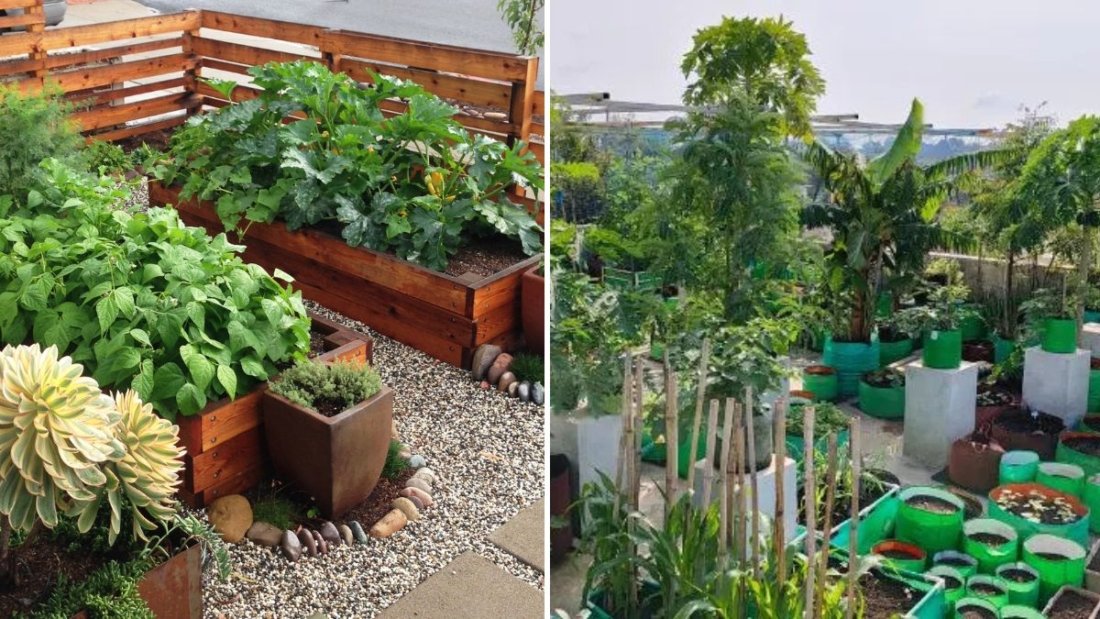
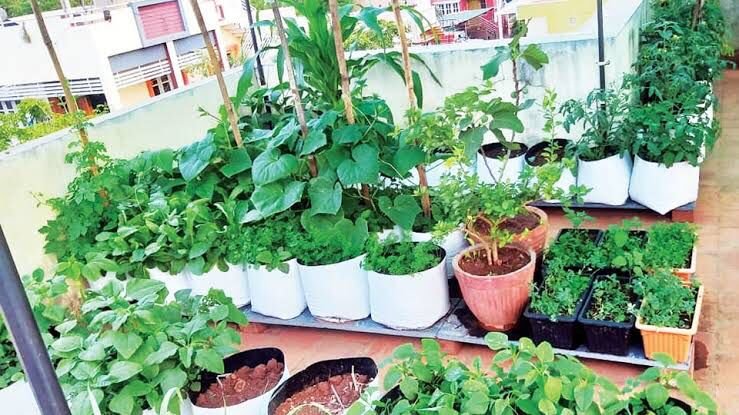
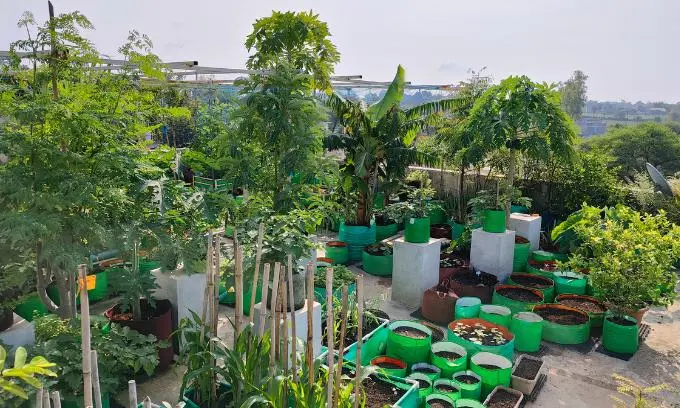
Growing your own food is one of the most satisfying things you can do, and you don’t need a big backyard to get started. A terrace—whether large or small—can become a thriving organic kitchen garden that produces fresh vegetables, herbs, and even fruits all year round. Terrace gardening is becoming increasingly popular, especially in urban areas, because it transforms otherwise unused space into a productive, green oasis.

In this detailed guide, you’ll learn exactly how to start an organic kitchen garden on your terrace, what tools you’ll need, which plants grow best in containers, and the step-by-step method to set up a healthy, chemical-free garden.


Why Choose Organic Terrace Gardening?

Organic terrace gardening offers many benefits beyond just fresh vegetables:

  • Chemical-free food: You control what goes into the soil, ensuring no pesticides or harmful chemicals touch your produce.
  • Saves money: Homegrown herbs and vegetables are cheaper than store-bought ones.
  • Space efficient: Terraces are perfect for container gardening and vertical setups.
  • Healthier produce: Freshly harvested vegetables have better taste and nutrient levels.
  • Stress relief: Gardening is therapeutic and helps reduce stress after long workdays.
  • Eco-friendly: Growing plants helps improve air quality and reduce carbon footprint.

With basic planning, your terrace can become a mini-farm filled with vibrant plants that feed your family year-round.


Step-by-Step Guide to Start Your Terrace Kitchen Garden

1. Evaluate Your Terrace Space

Before buying pots and seeds, take time to understand your terrace conditions:

Check Sunlight

Most vegetables require 4–6 hours of direct sunlight.
Identify sunny and partially shaded areas—this helps in choosing the right plants.

Check Weight Capacity

Terraces can hold significant weight, but avoid waterlogging or overly heavy pots.
If uncertain, consult a structural engineer.

Ensure Waterproofing & Drainage

Your terrace floor must have proper waterproofing to prevent seepage.
Good drainage ensures water does not accumulate and damage the structure.


2. Gather the Essential Gardening Tools

Starting a terrace garden is easier with basic tools such as:

  • Gardening gloves
  • Watering can/spray bottle
  • A small hand trowel and fork
  • Pruning scissors
  • Organic fertilizer or compost
  • Mulch (cocoa shells, straw, dry leaves)
  • Quality potting mix
  • Sturdy pots and grow bags

You don’t need all tools at once—start simple and upgrade later if needed.


3. Choose the Right Containers

Containers are the backbone of terrace gardening. Almost any container can work as long as it has proper drainage holes.

Types of Containers You Can Use

  • Terracotta pots
  • Plastic pots
  • Metal planters
  • Cement pots
  • Fabric grow bags (most recommended)
  • Recycled buckets or crates

Container Size Guide

  • Leafy greens (Spinach, Lettuce): 6–8 inches deep
  • Tomatoes, Brinjals, Peppers: 12–15 inches deep
  • Root vegetables (Carrot, Beetroot): 10–12 inches deep
  • Herbs (Mint, Basil, Coriander): 6-inch pots
  • Creepers (Cucumber, Beans, Bottle Gourd): Large grow bags + trellis

Choose lightweight yet durable containers so they don’t overload the terrace.


4. Prepare a High-Quality Organic Potting Mix

Soil is the heart of organic gardening. Plants in containers need loose, nutrient-rich, well-draining soil.

The Ideal Organic Potting Mix Recipe:

  • 40% Cocopeat (retains moisture, lightweight)
  • 30% Compost (vermicompost or homemade)
  • 20% Garden soil
  • 10% Sand / Perlite (improves drainage)

You can also add:

  • Neem cake powder (to prevent pests)
  • Cow dung manure
  • Bone meal (for flowering plants)

A good potting mix gives strong roots and steady plant growth.


5. Choose the Best Crops for a Terrace Kitchen Garden

Start with easy, low-maintenance vegetables and herbs. Once you gain confidence, expand to advanced crops like gourds and fruit trees.

Best Vegetables for Beginners

  • Spinach
  • Amaranthus
  • Fenugreek (Methi)
  • Coriander
  • Lettuce
  • Cherry tomatoes
  • Chillies
  • Brinjal
  • Okra

Root Vegetables

  • Radishes
  • Carrots (choose short varieties)
  • Beetroots
  • Onions
  • Garlic

Herbs to Grow

  • Mint
  • Basil
  • Curry leaves
  • Oregano
  • Thyme
  • Ginger

Climbers / Creepers

Perfect for trellises:

  • Beans
  • Cucumber
  • Bottle gourd
  • Bitter gourd
  • Ridge gourd

Terrace-friendly Fruits

  • Strawberries
  • Lemons (dwarf variety)
  • Guava (in large pots)
  • Papaya (in huge containers)
  • Figs

Choose plants depending on your terrace sunlight, climate, and available space.


6. Start Planting: Seeds vs Saplings

Growing from Seeds

  • More economical
  • Gives stronger, adaptable plants
  • Ideal for leafy greens, herbs, and root vegetables

Using Saplings

  • Great for beginners
  • Saves time
  • Ideal for tomatoes, brinjals, and peppers

Follow these steps when sowing seeds:

  1. Fill a germination tray with seed-starting mix.
  2. Sow seeds shallowly, cover lightly with soil.
  3. Keep the tray moist and in partial sunlight.
  4. Transplant seedlings once they have 3–4 true leaves.

7. Watering Your Terrace Garden Properly

Overwatering is the biggest mistake beginners make.

Rules for Perfect Watering

  • Water early morning or late evening.
  • Water only when the top 1 inch of soil feels dry.
  • Use a watering can with a rose head to avoid soil erosion.
  • Mulch the soil surface to retain moisture.

In summers, daily watering may be needed. During monsoons, reduce watering significantly.


8. Use Organic Fertilizers to Boost Growth

Plants in containers need frequent nutrient replenishment.

Best Organic Fertilizers for Terrace Gardening

  • Vermicompost
  • Cow dung compost
  • Mustard cake solution
  • Banana peel fertilizer
  • Compost tea
  • Seaweed extract
  • Eggshell powder

Apply fertilizers every 15–20 days for healthy growth.


9. Pest Control the Organic Way

Even terrace gardens attract pests like aphids, mealybugs, caterpillars, and whiteflies.

Organic Solutions

  • Neem oil spray (weekly)
  • Soap water spray (for soft-bodied insects)
  • Garlic-chilli spray (natural repellent)
  • Introducing beneficial insects like ladybugs
  • Picking caterpillars manually

Avoid chemical pesticides at all costs—they kill good microbes and harm soil health.


10. Use Vertical Gardening to Save Space

If your terrace is small, vertical gardening is the perfect solution.

Ideas to Maximize Space

  • Wall-mounted planters
  • Hanging pots
  • Vertical racks
  • Trellises for climbers
  • Multi-tier stands

Vertical gardening improves airflow, saves floor space, and makes your terrace look beautiful.


11. Ensure Proper Maintenance

Your terrace garden will thrive with weekly care routines:

  • Remove weeds
  • Prune dead leaves
  • Check for pests
  • Loosen topsoil for aeration
  • Re-pot crowded plants
  • Support tall plants with stakes

Maintaining your garden consistently gives you healthier yields.


Final Thoughts: Your Terrace Garden Can Become a Green Paradise

Starting an organic kitchen garden on your terrace may seem challenging at first, but once you take the initial steps, it becomes an enjoyable part of your daily routine. With every new leaf, flower, and harvest, you’ll feel more connected to nature—right from your own home.

Whether you want pesticide-free vegetables, a peaceful hobby, or a way to brighten your terrace, organic gardening is the perfect solution. Start small, learn from each season, and slowly grow your green kingdom.

5 Vegetables That Can Be Grown Indoors Year-Round (Beginner-Friendly Guide)

5 Vegetables That Can Be Grown Indoors Year-Round (Beginner-Friendly Guide)

Growing vegetables indoors isn’t just a trend—it’s a surprisingly simple, rewarding, and space-efficient way to enjoy fresh produce all year long. Whether you live in an apartment, have limited outdoor space, or simply want to keep your kitchen stocked with homegrown greens, indoor vegetable growing is absolutely possible.

With the right containers, light, and care routine, you can grow a variety of vegetables inside your home, regardless of the weather outside. In this guide, you’ll discover five of the easiest vegetables to grow indoors year-round, along with practical tips to help you succeed from day one.


Why Grow Vegetables Indoors?

Before we explore the top crops, here are a few benefits of indoor vegetable gardening:

  • Year-round harvests – No waiting for warm seasons.
  • Pest-free growing – Indoors means fewer insects and diseases.
  • Space efficient – Perfect for balconies, kitchen counters, and sunny windows.
  • Greater control – Manage temperature, light, and water easily.
  • Freshness on demand – Snip herbs and veggies right before cooking.

Indoor gardening also adds greenery to your living space and can be deeply therapeutic.


5 Vegetables You Can Grow Indoors All Year Long


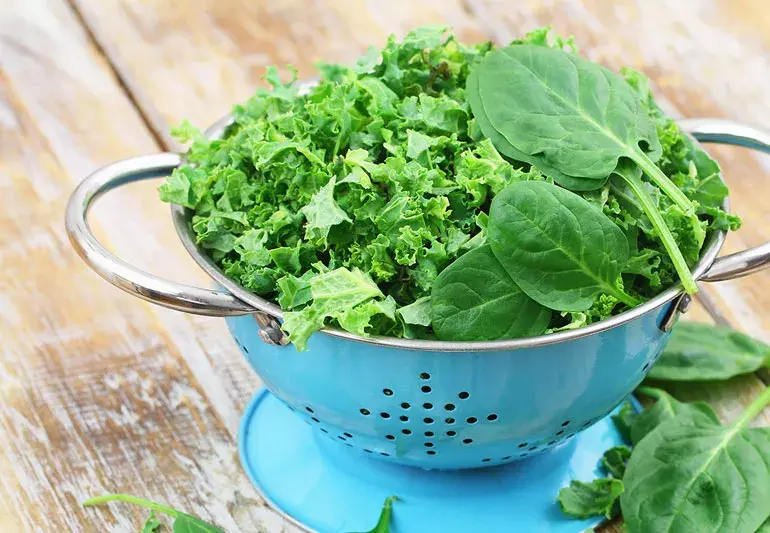
1. Leafy Greens (Spinach, Lettuce, Kale)

Why They’re Perfect Indoors

Leafy greens are the champions of indoor gardening. They grow fast, need minimal space, and don’t require deep containers. Many varieties thrive even in moderate light.

Light Requirements

  • Ideal: Bright indirect sunlight or a LED grow light for 10–12 hours/day.
  • Tip: Place near a south-facing window if possible.

Container & Soil

  • Container depth: 4–6 inches
  • Use loose, nutrient-rich potting soil.

Watering

Keep soil slightly moist but not soggy. Avoid overhead watering to prevent mildew.

Harvest Timeline

  • Baby greens: 3–4 weeks
  • Full leaves: 6–7 weeks

Harvesting Tip

Use the “cut-and-come-again” method: snip outer leaves and allow the center to regrow. This gives you continuous indoor salads for months.


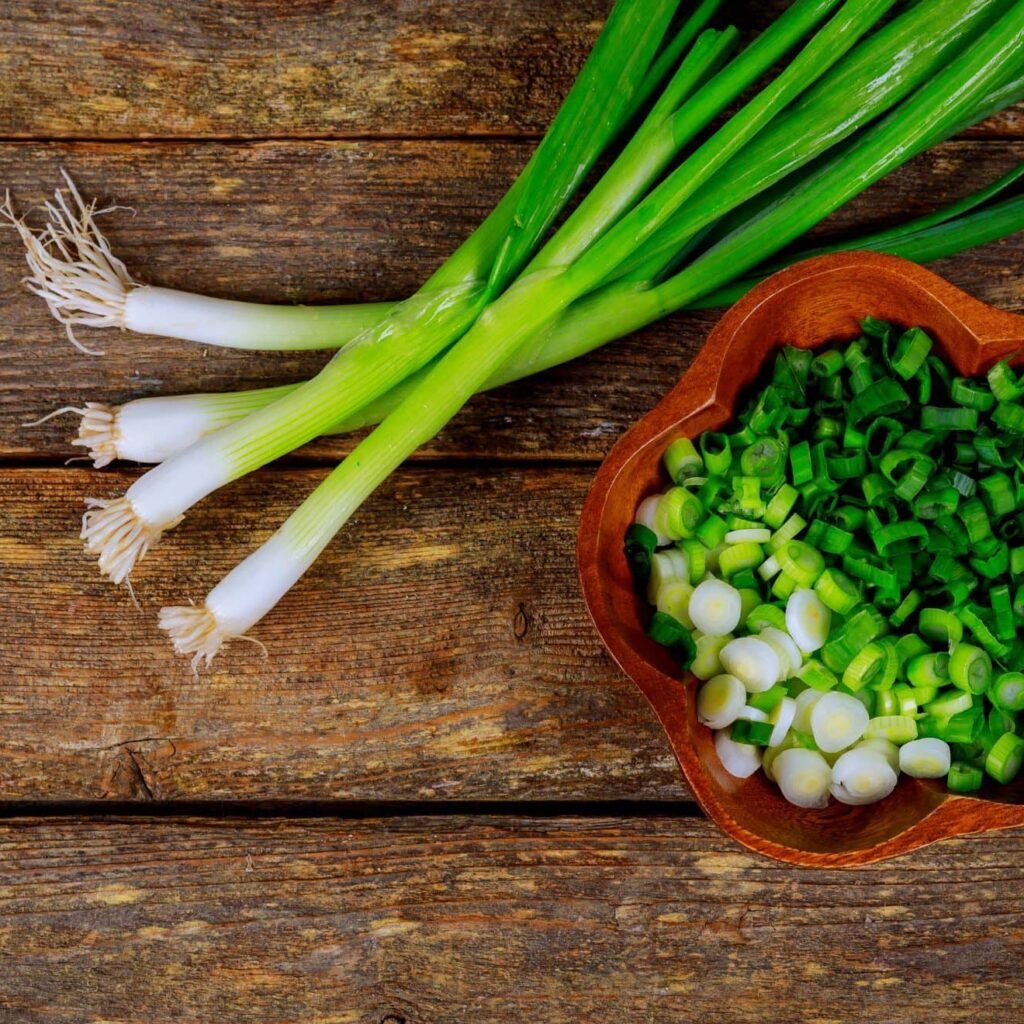
2. Green Onions (Spring Onions / Scallions)

Why They’re Ideal Indoors

Green onions are incredibly low maintenance and regrow quickly—sometimes from simple kitchen scraps. They don’t need much room and can thrive in compact spaces like window sills.

Light Requirements

  • 6–8 hours of bright light
  • They tolerate lower light better than most veggies.

Container & Soil

  • Depth: 4 inches
  • Any small pot works—drainage is essential.

Watering

Water lightly when the top inch is dry.

Harvest Timeline

Fully grown in 3–5 weeks.

Extra Tip

You can regrow them:
Place the root ends in water for a few days until green shoots appear, then plant in soil. Continuous harvest guaranteed!


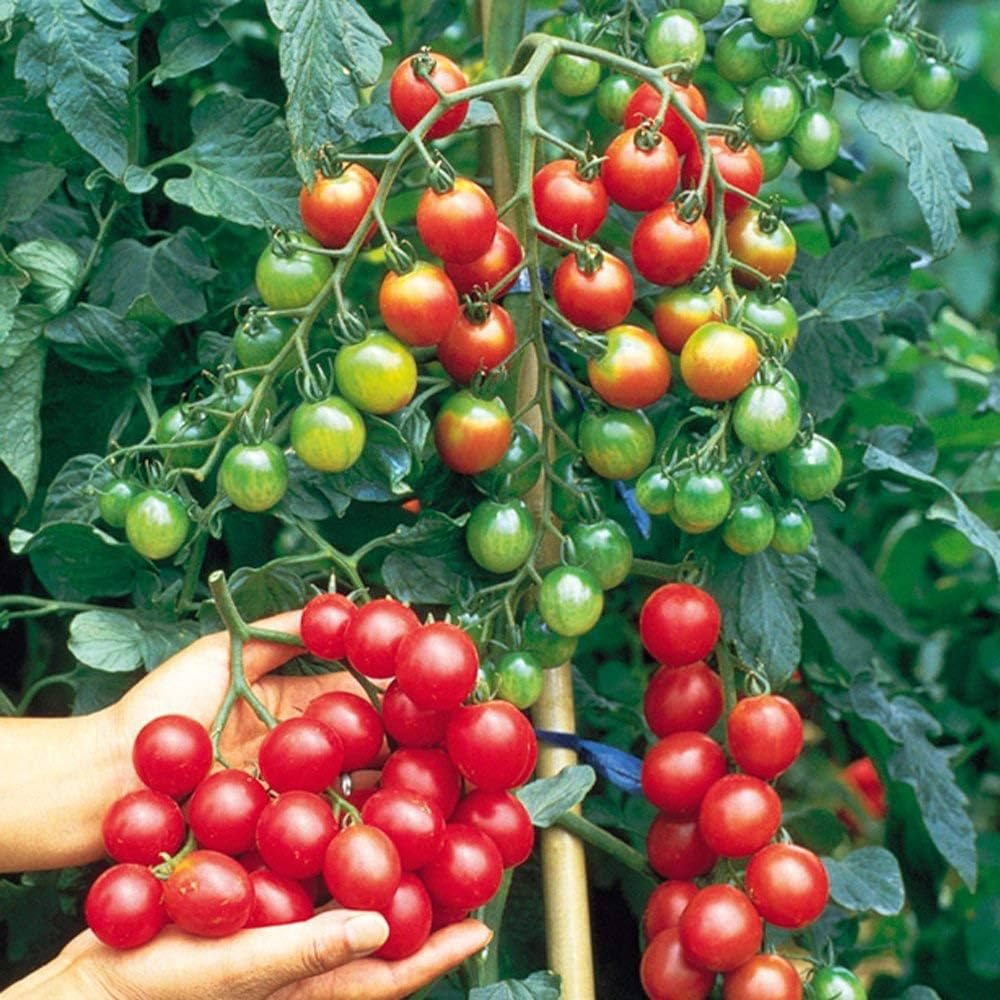
3. Cherry Tomatoes

Why They’re a Top Indoor Choice

Tomatoes are a bit more demanding than greens, but cherry tomato varieties like ‘Tiny Tim’ or ‘Micro Tom’ are bred specifically for containers and indoor spaces. With proper light, they produce fruit consistently.

Light Requirements

  • 10–14 hours/day of strong grow light
  • Tomatoes need the most light among indoor vegetables.

Container & Soil

  • Depth: 12 inches or more
  • A well-draining potting mix with compost added.

Watering

Water when the top 1–2 inches feel dry. Avoid watering the leaves.

Support

Even dwarf varieties may need a small stake or trellis.

Pollination

Indoors, wind and bees are missing. Gently shake the plant or use a small brush to move pollen between flowers.

Harvest Timeline

Ripened fruits in 8–12 weeks.

Bonus Benefit

Indoor tomatoes add both beauty and fresh fragrance with their shiny fruits and leafy aroma.


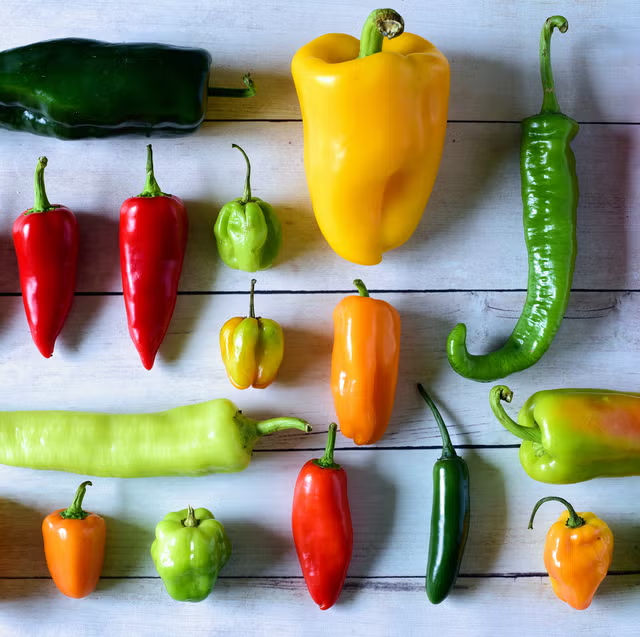
4. Peppers (Bell Peppers & Chillies)

Why Grow Peppers Indoors?

Peppers are heat-loving plants that thrive inside warm houses, especially during cooler months. Compact varieties grow well indoors and produce consistently.

Light Requirements

  • 10–12 hours/day of bright light
  • Grow lights recommended for year-round production.

Container & Soil

  • Depth: 10–12 inches
  • Light, well-draining potting mix enriched with compost.

Watering

Water regularly but allow the soil to dry slightly between waterings. Overwatering causes root rot.

Pollination

Like tomatoes, gently shake the stems to encourage fruit set.

Harvest Timeline

Peppers mature in 8–12 weeks depending on the variety.

Tip

Pepper plants can live for years indoors if kept warm and well-lit—giving you long-term yields.


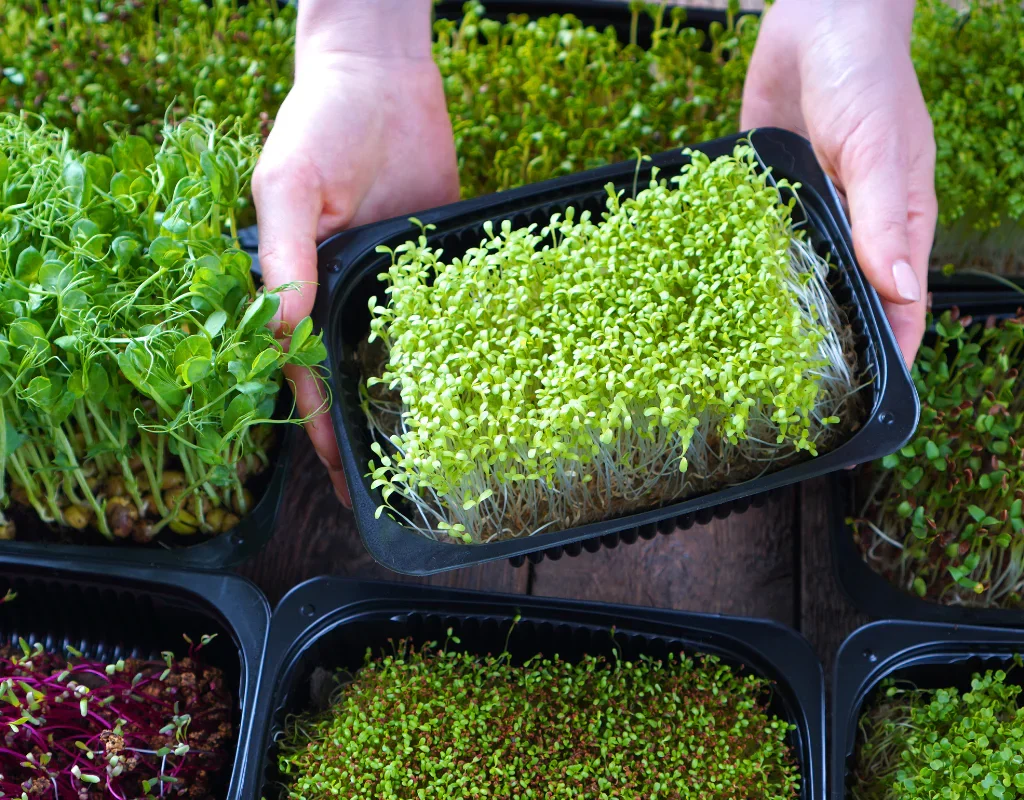
5. Microgreens

Why Microgreens Are Amazing Indoors

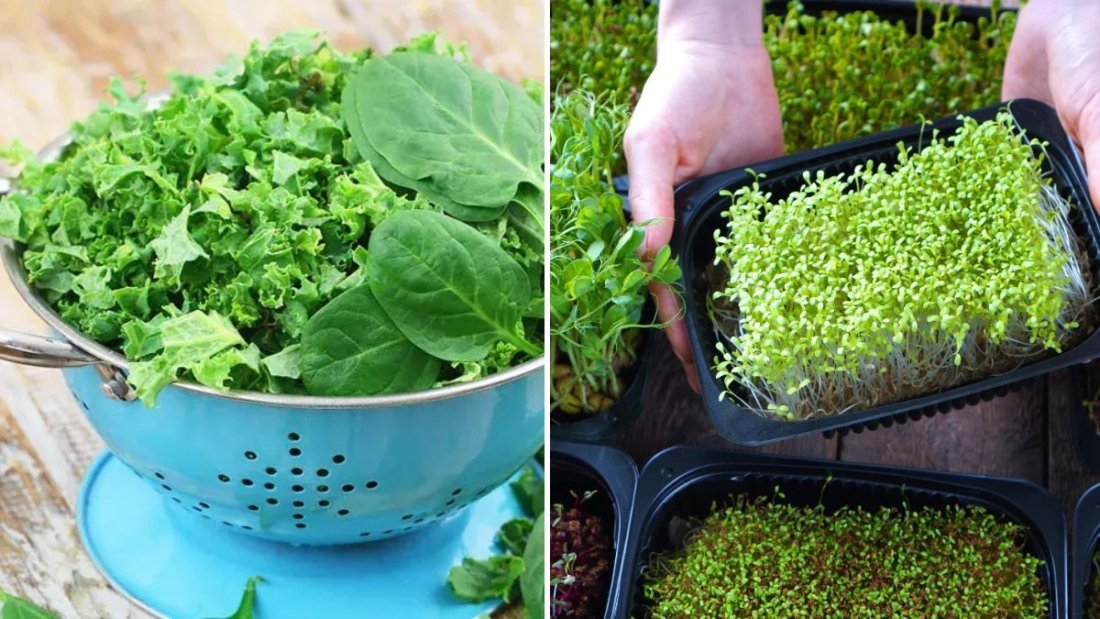
Microgreens are nutrient powerhouses. They grow incredibly fast and require zero gardening skills. From radish greens to beet greens to sunflower shoots, you can grow multiple batches throughout the year.

Light Requirements

  • Moderate sunlight or 8–10 hours of grow light.

Container & Soil

  • A shallow tray (2–3 inches deep).
  • Loose, sterile potting soil works best.

Watering

Mist lightly once or twice daily.

Harvest Timeline

  • Ready in 7–14 days!

Popular Microgreens to Try

  • Radish
  • Arugula
  • Broccoli
  • Mustard
  • Sunflower

Why They’re Perfect for Beginners

Even if you forget to water occasionally, microgreens still grow quickly and reliably.


Essential Tips for Successful Indoor Vegetable Gardening

1. Choose the Right Light

While some vegetables tolerate low light, most need at least 6–8 hours of brightness. If your home doesn’t get strong sunlight, invest in affordable LED grow lights.

2. Maintain Proper Temperature

Most indoor vegetables thrive between 18°C–26°C (65°F–80°F). Avoid placing plants near cold windows in winter or near hot appliances.

3. Use Quality Soil

Garden soil is heavy and may contain pests. Always use light, sterile potting mix for indoor containers.

4. Don’t Overwater

Indoor plants dry slower. Touch the soil—if the top inch is dry, then water.

5. Fertilize Occasionally

Indoor veggies benefit from monthly feedings with liquid organic fertilizer or compost tea.

6. Ensure Proper Air Circulation

A small fan or open window occasionally helps prevent mold and keep plants healthy.


Final Thoughts

Growing vegetables indoors year-round is easier than most people think. Whether you want quick microgreens, endless leafy greens, or the rewarding challenge of tomatoes and peppers, there’s an indoor crop for every skill level and home size.

The best part? You don’t need a garden—just a few pots, some light, and consistent care. With these five indoor-friendly vegetables, you can enjoy fresh, organic, homegrown produce 365 days a year.

How to Grow Garlic Easily from a Single Clove

How to Grow Garlic Easily from a Single Clove

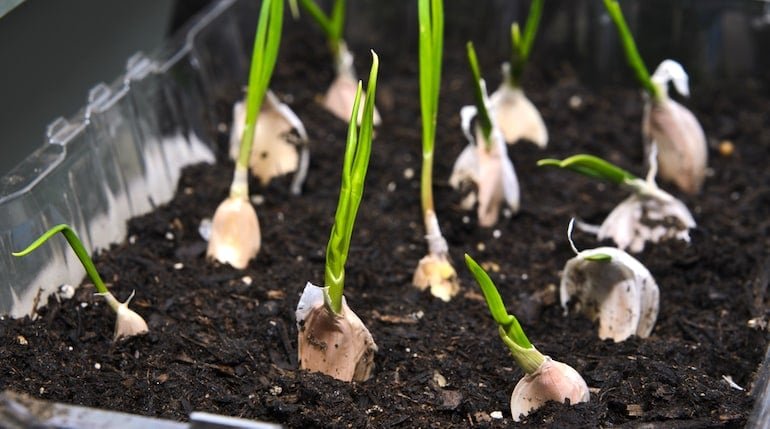
Garlic is one of the easiest and most rewarding crops you can grow at home. Whether you have a spacious backyard or just a few containers on a balcony, you can grow a healthy batch of garlic using nothing more than a single clove. Yes—one clove grows into an entire bulb! With proper planting, care, and timing, you can harvest a basket full of aromatic, flavorful garlic that is fresher and more potent than anything you’ll find in a store.

This comprehensive 1200-word guide walks you through every step—from choosing the right clove to harvesting and storing your garlic. Even if you’ve never grown vegetables before, this method is simple, reliable, and perfect for beginners.


Why Grow Garlic at Home?

Garlic is surprisingly low-maintenance, making it an ideal crop for home gardeners. Here’s why:

1. Easy to Grow from a Single Clove

Each clove naturally multiplies into a full bulb, giving you a huge return from minimal effort.

2. Requires Very Little Space

Garlic grows beautifully in pots, grow bags, raised beds, or even between other plants in your garden.

3. Low-Maintenance Plant

Garlic doesn’t need daily attention—just sunlight, loose soil, and occasional watering.

4. Pest-Resistant

Its strong smell repels many pests, making it naturally protected.

5. Fresh Garlic Has Better Flavor

Homegrown garlic is more aromatic, stronger, and healthier than store-bought varieties treated to prevent sprouting.

Now let’s learn how to grow garlic easily from just one clove.


Step 1: Choose the Right Garlic Variety

Not all garlic sold in markets is ideal for planting. Many commercial garlic bulbs are treated with chemicals to prevent sprouting. To ensure success, choose the right type:

1. Hardneck Garlic

  • Best for cold climates
  • Produces fewer cloves but stronger flavor
  • Produces scapes (curly flower stalks)

2. Softneck Garlic

  • Best for warm climates
  • Stores longer
  • Produces more cloves

How to Choose a Planting Garlic Clove

  • Buy from a nursery or organic grocer
  • Select large, healthy, firm bulbs
  • Avoid soft, moldy, or tiny cloves

The larger the clove, the larger the garlic bulb it will produce.


Step 2: Prepare the Clove for Planting

Once you have a healthy garlic bulb, it’s time to prepare the clove for planting.

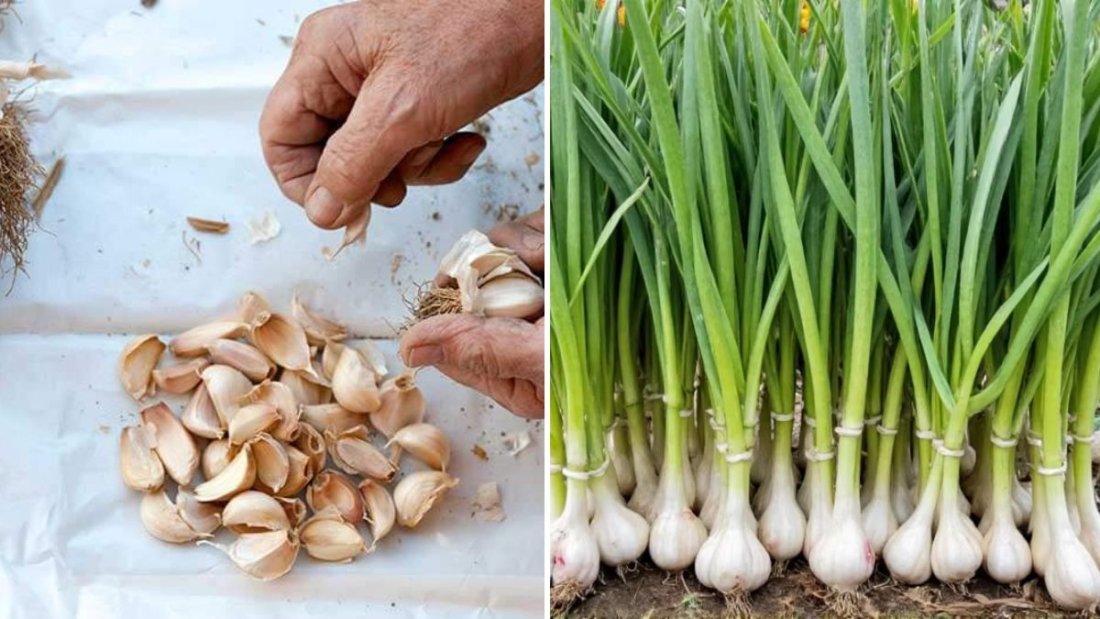
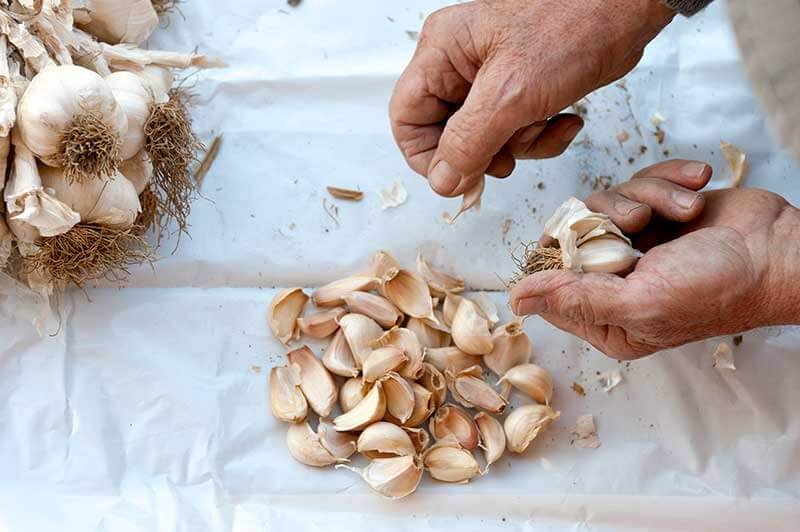
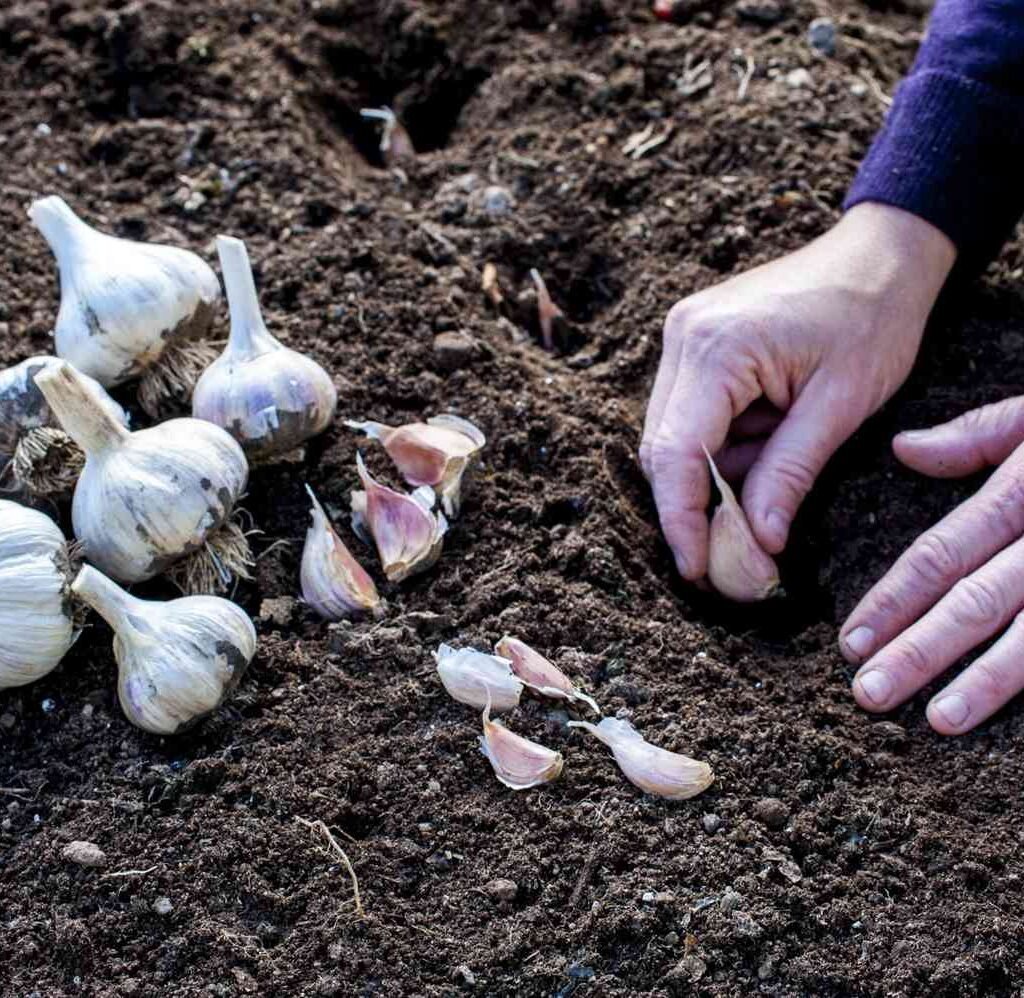
1. Break the Bulb Apart

Separate the bulb carefully into individual cloves. Do this gently to avoid damaging the base.

2. Keep the Outer Skin On

The papery skin protects the clove and helps prevent rot.

3. Choose the Largest Cloves

Plant only the biggest and healthiest cloves. Smaller cloves produce weak plants and smaller bulbs.


Step 3: Use Loose, Nutrient-Rich Soil

Garlic thrives in loose, well-draining soil. Compacted or clay-heavy soil leads to stunted bulbs.

Ideal Soil Mix

  • 50% garden soil or potting mix
  • 30% compost
  • 20% sand or coco peat for drainage

Soil pH

Garlic prefers a slightly acidic to neutral soil of 6.0–7.0 pH.


Step 4: Choose the Right Container (If Growing in Pots)

If you’re growing garlic on a balcony or terrace, containers work perfectly.

Best Containers

  • 8–10 inch deep pots
  • 3–5 gallon grow bags
  • Rectangular planters

Spacing

Leave at least 4–6 inches between cloves for bulbs to grow properly.


Step 5: When to Plant Garlic

Timing is the most important factor in garlic-growing success.

Best Planting Season

  • In cold climates: Plant in fall (Sept–Nov)
  • In warm climates: Plant in late winter or early spring (Jan–Feb)

Garlic needs a period of cool weather so the bulb can divide into multiple cloves.

Why Planting Time Matters

Cool temperatures help garlic form strong roots before warming weather triggers bulb growth.


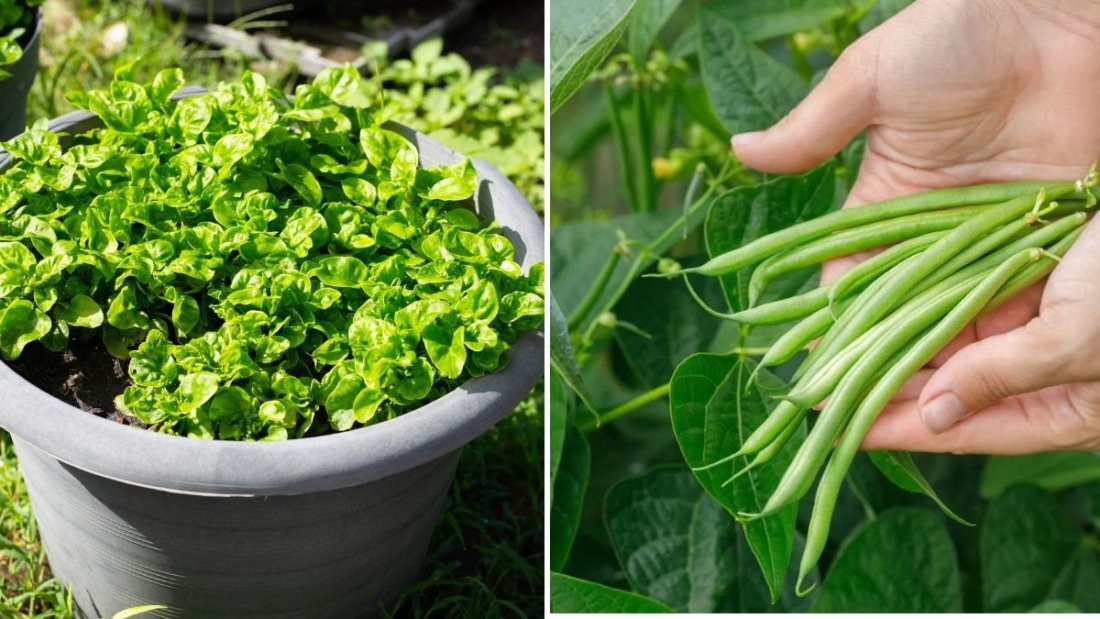
Step 6: How to Plant Garlic Correctly

Now that you have the right clove, soil, and season—let’s plant!
Planting Instructions

  1. Loosen the soil to a depth of 6–8 inches.
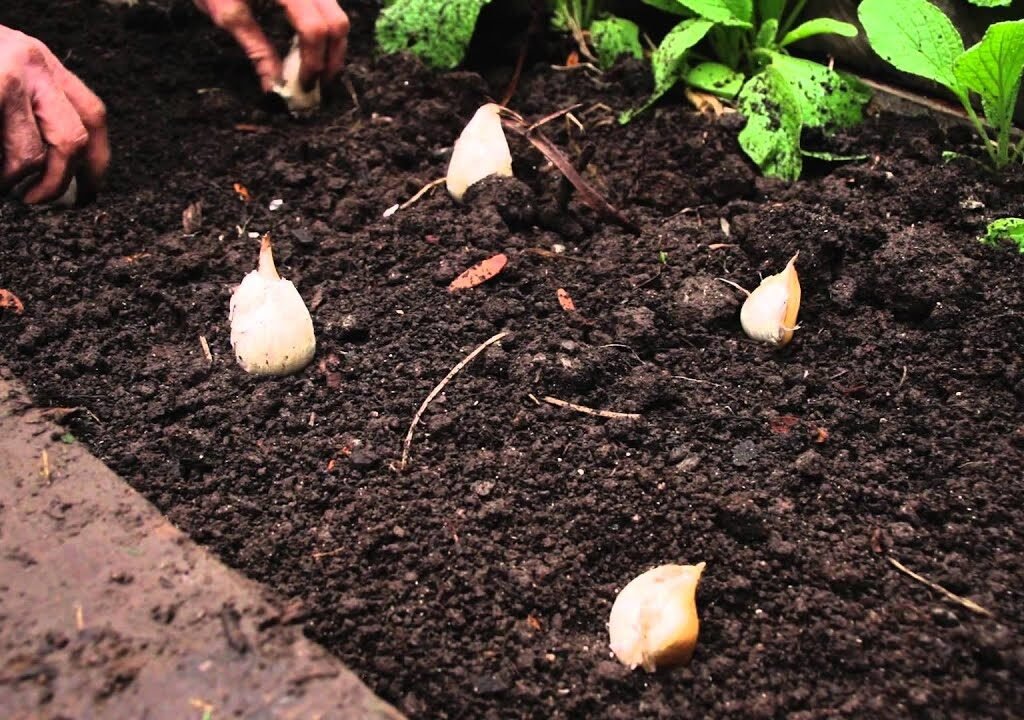
  2. Make a hole 2 inches deep.
  3. Place the clove pointy end up and flat end down.
  4. Cover lightly with soil.
  5. Water gently.

Important Tips

  • Don’t plant cloves too deep—2 inches is enough.
  • Ensure each clove gets proper sunlight.
  • If planting multiple cloves, leave space between them.

Step 7: Sunlight Requirements

Garlic grows best in full sun, requiring at least 6 hours of sunlight daily.

If grown in partial shade, the bulbs may stay small. Balconies that get morning sunlight are perfect for garlic.


Step 8: Watering Garlic the Right Way

Garlic needs balanced watering—not too much, not too little.

Watering Tips

  • Keep soil slightly moist in the early stages.
  • Avoid overwatering; garlic hates soggy soil.
  • Reduce watering once the bulbs start maturing (after 2–3 months).
  • Stop watering completely 10–14 days before harvest.

Overwatering near harvest leads to rotting and reduces storage life.


Step 9: Fertilizing Garlic for Bigger Bulbs

Garlic is a light feeder but does benefit from nutrients during growth.

Best Fertilizers

  • Compost
  • Vermicompost
  • Seaweed extract
  • Bone meal (before planting)

Feeding Schedule

  • Add compost at planting time
  • Apply liquid fertilizer every 20–30 days
  • Avoid excess nitrogen—it produces leafy growth instead of big bulbs

Step 10: Mulching for Root Protection

Mulching helps garlic grow stronger by:

  • Retaining moisture
  • Regulating soil temperature
  • Preventing weeds
  • Protecting cloves from sun exposure

Use straw, dried leaves, or coco husk as mulch.


Step 11: Caring for Garlic During Growth

Garlic takes 6–8 months to mature, depending on when you plant. Here’s how to care for it.

1. Remove Weeds

Weeds steal nutrients and water—keep the area weed-free.

2. Check for Pests

Garlic rarely gets pests, but watch for:

  • Aphids
  • Thrips

Use neem oil spray if needed.

3. Watch for Bolting

Hardneck garlic may produce a central flower stalk (scape). Remove it to increase bulb size.


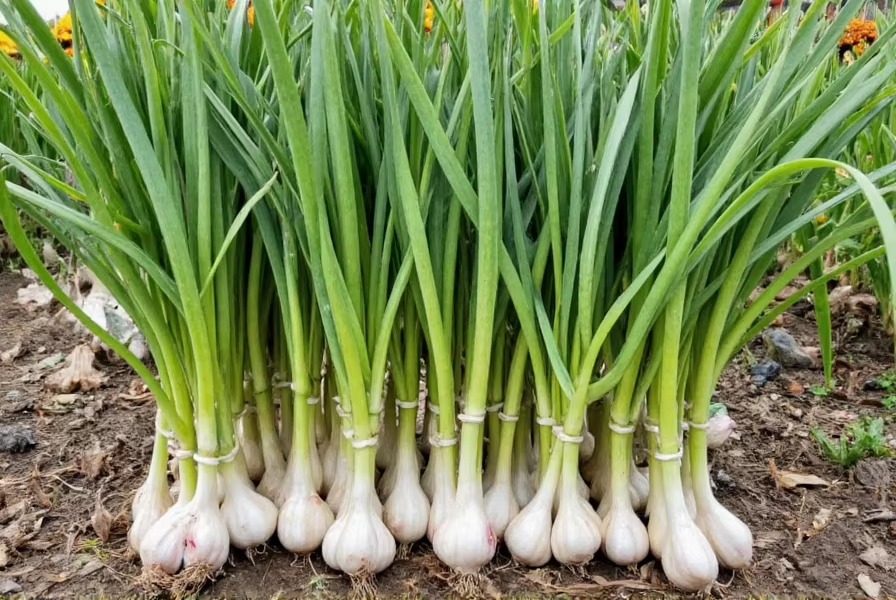
Step 12: How to Know When Garlic Is Ready to Harvest

This is the most exciting part!
Signs of Mature Garlic

  • Lower leaves turn yellow and dry
  • Upper leaves remain green
  • Bulbs visibly swell under the soil
  • Paper covering looks papery and dry

Harvesting Instructions

  1. Loosen soil gently with a trowel.
  2. Pull out the bulbs carefully by the stem.
  3. Brush off excess soil—do not wash.

Let freshly harvested garlic dry for a few hours in shade.


Step 13: Curing Garlic for Storage

Curing is essential for long-lasting garlic.

How to Cure Garlic

  • Tie garlic in bundles
  • Hang them in a cool, dry, well-ventilated area
  • Allow 2–3 weeks for full curing

Once cured, trim the roots, cut the stems, and store in a mesh bag.

Properly cured garlic lasts 6–8 months.


Common Problems and Solutions

1. Small Garlic Bulbs

Caused by:

  • Late planting
  • Not enough sunlight
  • Dense soil

2. Rotting Cloves

Avoid overwatering and ensure good drainage.

3. Garlic Not Sprouting

Store-bought garlic may be chemically treated—use organic or seed garlic.

4. Bulbs Splitting

Happens when garlic is harvested too late.


Final Tips for Growing Garlic Successfully

Plant only large, healthy cloves
Ensure full sunlight exposure
Use loose, well-draining soil
Avoid overwatering
Mulch for protection
Harvest on time and cure properly

With these steps, you can grow garlic easily—even in containers, on balconies, or in tiny gardens.


Final Thoughts

Learning how to grow garlic from a single clove is one of the most empowering gardening skills. It’s simple, productive, and perfect for beginners. Whether you want chemical-free garlic for cooking or simply enjoy gardening, this method guarantees success.

From one clove, you can get an entire bulb—and from that bulb, your next year’s crop begins. It’s a cycle of abundance that starts with a single, small step.

6 Vegetables That Thrive on a Sunny Balcony (A Complete Guide for Small-Space Gardeners)

6 Vegetables That Thrive on a Sunny Balcony (A Complete Guide for Small-Space Gardeners)

If you live in an apartment or a home with limited outdoor space, a sunny balcony can become your most productive mini-garden. With 4–6 hours of sunlight and a few well-chosen containers, you can grow a variety of vegetables right at home—fresh, organic, and chemical-free. The best part? Many vegetables actually thrive in balcony environments where sunlight is direct and airflow is good.

In this detailed 1200-word guide, you’ll learn the six best vegetables that flourish on a sunny balcony, how to grow each one step-by-step, and tips to maximize yield even in small spaces.


Why a Sunny Balcony Is Perfect for Growing Vegetables

A balcony garden may seem tiny compared to a backyard, but it has several advantages:

1. Plenty of Direct Sunlight

Most vegetables need 4–6 hours of sun, and balconies often provide exactly that—especially those facing south or west.

2. Good Air Circulation

Better airflow reduces pests and diseases.

3. Container-Friendly Environment

You can choose the soil, pot size, and placement for each plant—something ground gardens can’t always offer.

4. Warm Microclimate for Heat-Loving Plants

Balconies often warm up quickly, which is perfect for tomatoes, peppers, and cucumbers.

Now let’s explore the best vegetables you can grow easily on a sunny balcony.


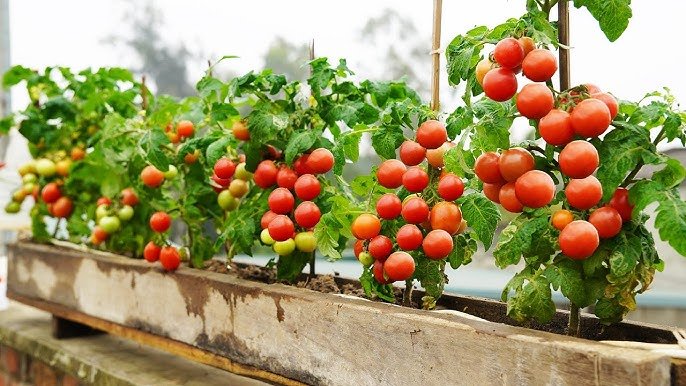
1. Tomatoes – The King of Balcony Vegetables

Tomatoes are among the most popular balcony-grown vegetables—and for good reason. They adore sunlight, grow beautifully in containers, and produce generous yields with minimal space.

Why Tomatoes Thrive on a Balcony

  • Need 6–8 hours of sun
  • Warm temperatures support fruiting
  • Easy to train vertically

Best Varieties for Balconies

  • Cherry tomatoes
  • Roma tomatoes
  • Patio hybrid tomatoes
  • Dwarf or determinate varieties

How to Grow

  • Use a 12–16 inch deep container
  • Fill with rich potting mix + compost
  • Water deeply but avoid overwatering
  • Add stake or trellis for support

Pro Tip

Remove lower suckers (side shoots) to encourage better fruit production.


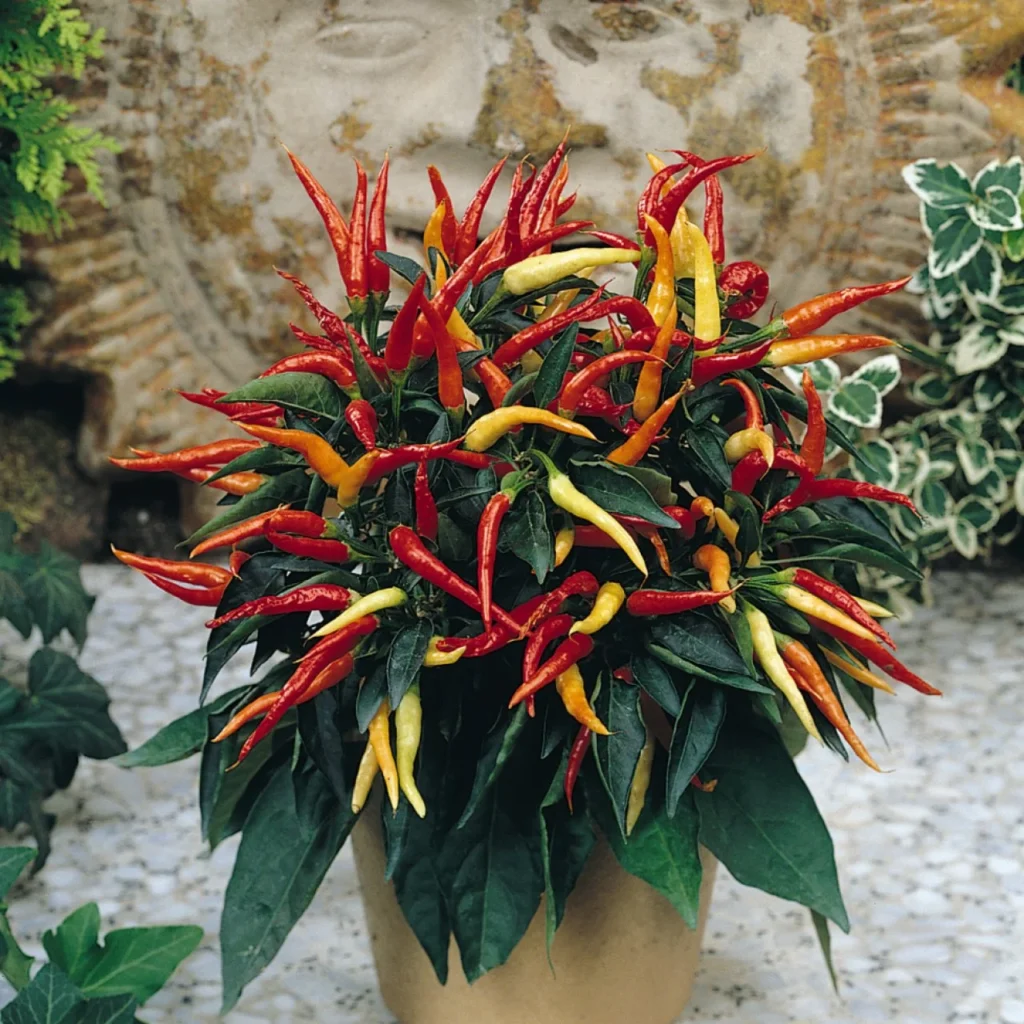
2. Chilies & Bell Peppers – Compact and High-Yielding

Peppers flourish in sunny conditions, making them ideal for balconies in warm or moderate climates.

Why Peppers Love Balconies

  • Need warm, bright conditions
  • Stay compact and bushy
  • Produce continuously for months

Recommended Varieties

  • Jalapeño
  • Cayenne
  • Bell peppers
  • Banana peppers
  • Thai chilies

Growing Requirements

  • Use 10–12 inch pots
  • Add compost for nutrients
  • Keep soil consistently moist
  • Fertilize once every 2–3 weeks

Pro Tip

Peppers get sweeter and larger if you reduce watering slightly during the last week before harvest.


3. Spinach – Fast-Growing and Balcony-Friendly

Spinach may be a cool-season crop, but with partial shade in the afternoon and enough morning sun, it thrives on balconies even in warm regions.

Why Spinach Thrives

  • Doesn’t need full-day sunlight
  • Grows well in shallow containers
  • Fast-growing (harvest in 30–40 days)

Best Varieties

  • Baby leaf spinach
  • Bloomsdale
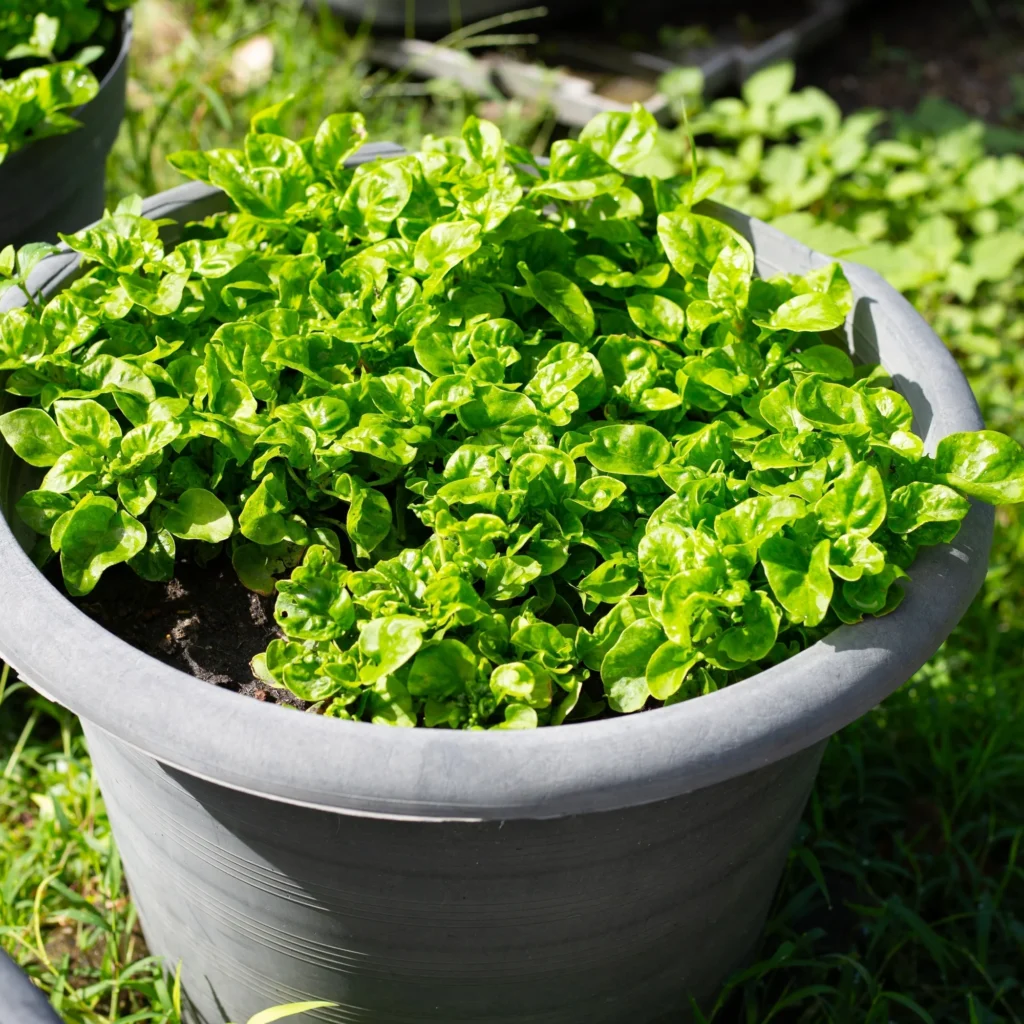
  • Malabar spinach (heat-tolerant climbing type)

How to Grow

  • Use a pot 6–8 inches deep
  • Sow seeds directly (transplants bolt quickly)
  • Keep soil moist but not soggy
  • Harvest outer leaves regularly to encourage new growth

Pro Tip

Grow spinach alongside taller plants (like tomatoes) to give it partial shade in the afternoon.


4. Cucumbers – Perfect for Vertical Balcony Gardening

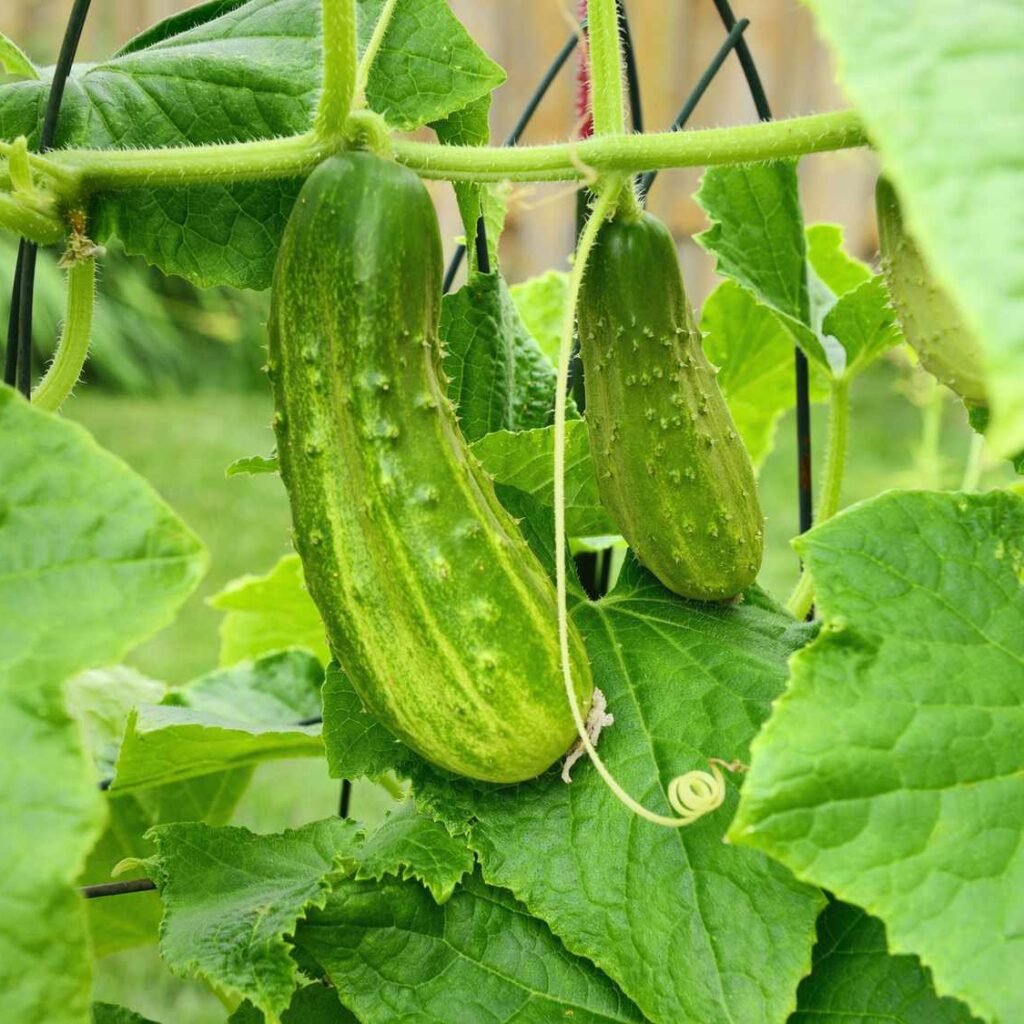
Cucumbers love sun and warmth, making a sunny balcony an ideal spot. Even small apartment balconies can handle cucumbers if grown vertically.

Why Cucumbers Do Well on Balconies

  • Enjoy 6+ hours of sunlight
  • Climb easily with trellis support
  • Produce abundantly in small space

Best Varieties for Containers

  • Bush cucumbers
  • Mini cucumbers
  • Patio pickling cucumbers

Growing Instructions

  • Use a pot 10–12 inches deep
  • Provide sturdy vertical support
  • Keep soil moist at all times
  • Fertilize every 10–12 days

Pro Tip

Avoid watering leaves—only water the base to prevent powdery mildew.


5. Beans – High Yield from Minimal Space

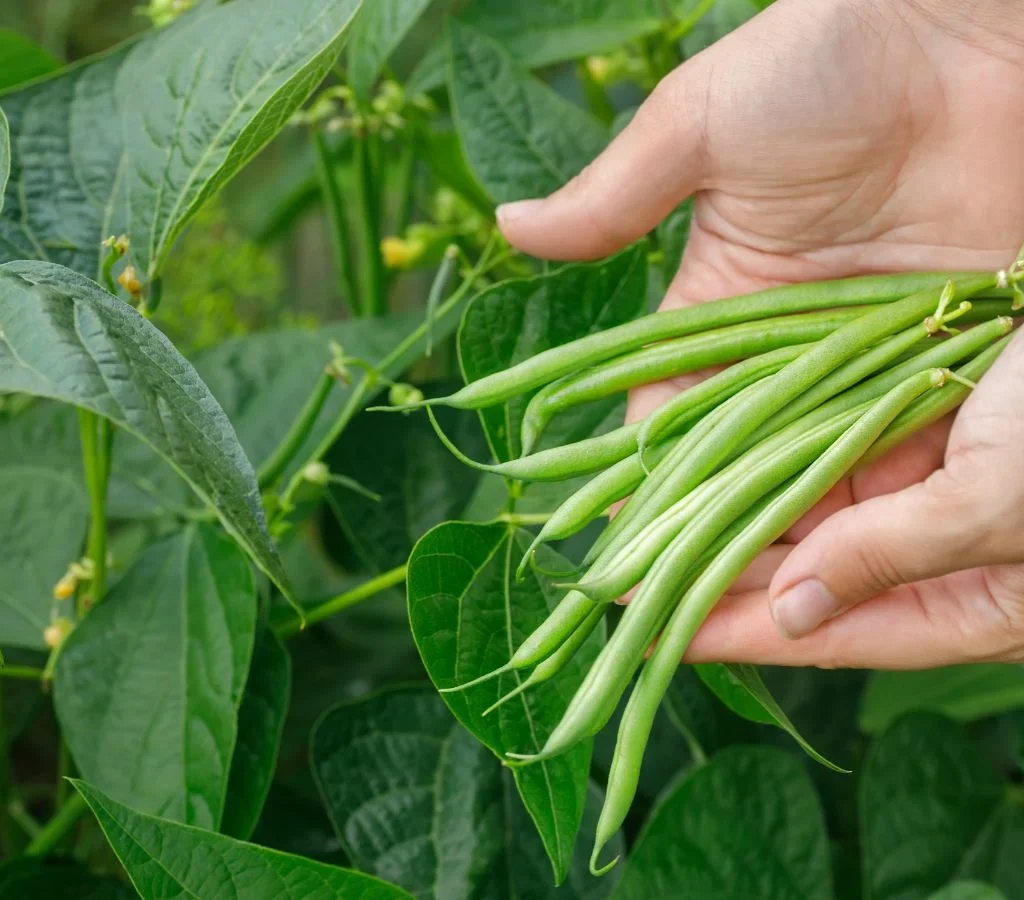
Beans grow extremely well on balconies because they love sun and don’t require deep soil. Their vertical climbing habit makes them one of the best small-space vegetables.

Why Beans Are Balcony Superstars

  • Thrive in full sunlight
  • Don’t need nutrient-heavy soil
  • Grow vertically without taking floor space
  • Fix nitrogen in soil, improving soil health

Types to Grow

  • Pole beans (need trellis)
  • Bush beans (compact)

How to Grow

  • Use pots 8–12 inches deep
  • Sow seeds directly—do not transplant
  • Provide bamboo stakes or mesh for climbing
  • Water moderately

Pro Tip

Harvest beans frequently to encourage new blooms and more pods.


6. Eggplant (Brinjal) – A Heat-Loving Balcony Favorite

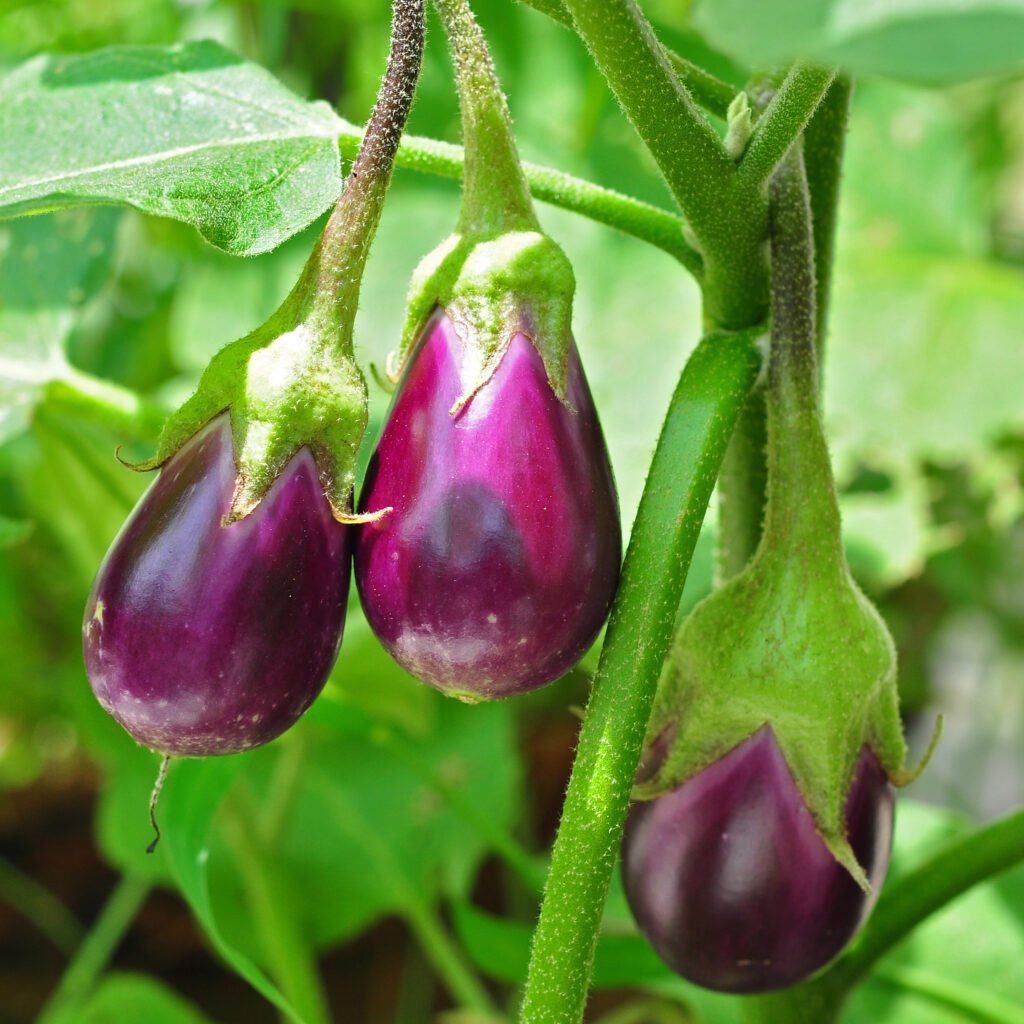
Eggplants love heat, sunlight, and warmth—conditions often found on sunny balconies. They grow well in containers and produce beautiful, glossy fruits.

Why Eggplant Loves Balcony Heat

  • Thrives in 6–8 hours of sunlight
  • Prefers warm air and soil
  • Compact bush varieties are perfect for pots

Best Varieties

  • Black beauty
  • Thai eggplant
  • Baby brinjal varieties
  • Long Asian eggplants

Planting Requirements

  • Pot size: 12–14 inches
  • Rich, fertile potting mix
  • Water consistently
  • Use stakes for support

Pro Tip

Mulch the soil to retain moisture and reduce heat stress.


Bonus Vegetables That Also Thrive on Sunny Balconies

Here are a few more options that love sunlight and grow incredibly well in small spaces:

  • Basil
  • Mint (in shade to prevent burning)
  • Carrots in deep pots
  • Beetroot
  • Radishes (super fast-growing)
  • Okra (heat lover)

If you have spare space, mix these into your balcony garden to increase productivity.


How to Maximize Balcony Gardening Success

Here are essential tips to help you get the best harvest from your sunny balcony:


1. Choose the Right Containers

Larger pots retain moisture longer and support better root growth.

  • Tomatoes → 12–16 inch pots
  • Peppers → 10–12 inch pots
  • Spinach → 6–8 inch pots
  • Cucumbers → 10–12 inch pots
  • Eggplant → 12–14 inch pots

Use fabric grow bags for excellent aeration.


2. Use High-Quality Potting Mix

Balcony vegetables depend entirely on good soil.

A perfect mix includes:

  • 40% compost
  • 40% coco peat or peat moss
  • 20% perlite/sand for drainage

Avoid garden soil—it compacts easily and limits root growth.


3. Water Smartly

Containers dry out faster in sunlight.

  • Water early in the morning
  • Keep soil moist but not soaked
  • Use self-watering pots if you’re busy

Mulch helps reduce evaporation.


4. Feed Your Plants Regularly

Because nutrients leach out of containers easily, feed your plants every:

  • 10–14 days with liquid fertilizer
  • 20–25 days with compost tea

Choose organic options like seaweed, fish emulsion, or vermicompost.


5. Provide Vertical Support

Use trellises, ropes, mesh, bamboo, or railing supports for:

  • Tomatoes
  • Beans
  • Cucumbers
  • Eggplants (light support)

Vertical growth saves balcony space and increases airflow.


6. Protect Against Excess Heat

Sunny balconies can get extremely hot in summer.

To protect plants:

  • Add shade netting during peak hours
  • Keep pots away from scorching walls
  • Water early and mulch heavily

Final Thoughts

A sunny balcony is a powerful growing space—even if it’s small. With the right vegetables, containers, soil, and care, you can enjoy fresh, organic produce throughout the year. Tomatoes, cucumbers, beans, peppers, spinach, and eggplants are among the easiest and most productive vegetables to grow in balcony conditions.

Start with one or two vegetables, expand gradually, and soon your balcony will transform into a thriving green oasis filled with flavor and life.