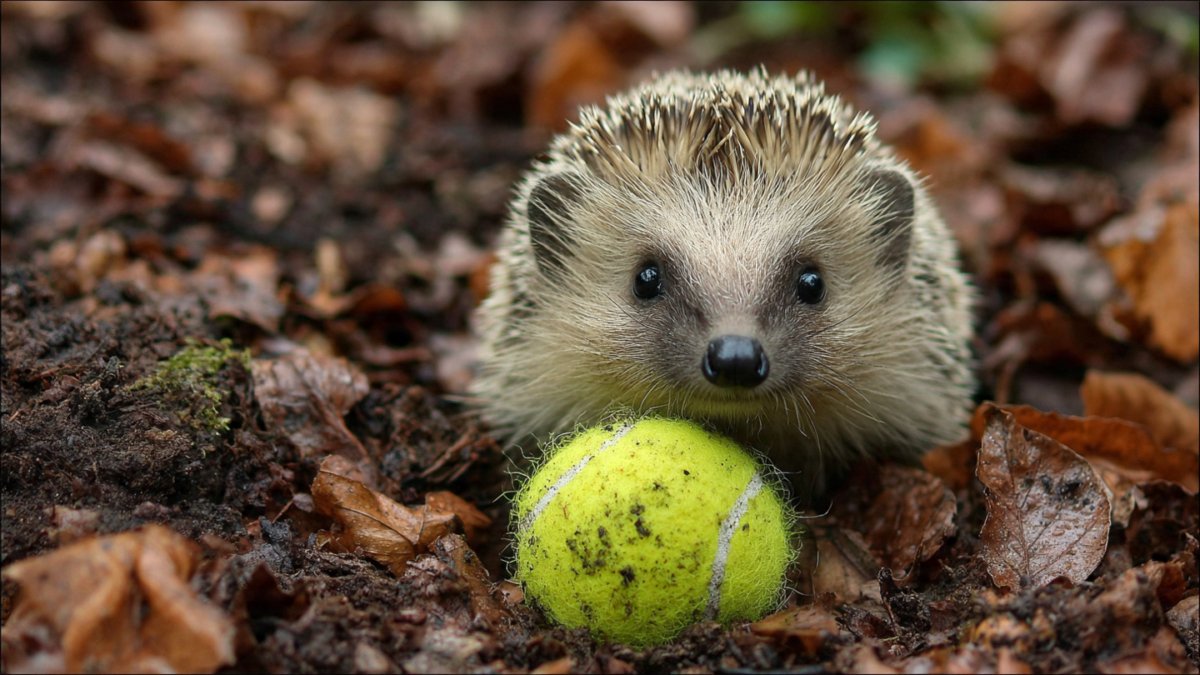
Winter is one of the most challenging seasons for wildlife. As temperatures drop and food becomes scarce, many birds and small mammals struggle to survive. In urban and suburban areas especially, natural shelters and feeding grounds are disappearing rapidly. Yet, sometimes the most powerful solutions are also the simplest. One such solution is placing old tennis balls in your garden. This small, often overlooked gesture can make a surprising difference in protecting birds and hedgehogs during the cold months.
At first glance, a tennis ball may seem unrelated to wildlife care. However, when used thoughtfully, it can become a valuable tool for safety, warmth, and support. By understanding how and why tennis balls help, you can turn your garden into a winter sanctuary for vulnerable creatures.
The Winter Struggle for Garden Wildlife
Winter presents multiple threats to birds and hedgehogs. Food sources such as insects, seeds, and fruits decline sharply. Water freezes over, making hydration difficult. Cold temperatures weaken immune systems, leaving animals more vulnerable to illness and predators. Additionally, modern gardens often lack the natural features—dense shrubs, fallen leaves, and hollow logs—that once provided shelter.
Hedgehogs, in particular, face serious risks. They hibernate from late autumn through early spring and rely on safe, insulated spaces to survive. Disturbances, flooding, or sudden cold snaps can wake them prematurely, causing them to burn precious energy reserves. Birds, meanwhile, must expend more energy just to stay warm, meaning they need reliable access to food and water every day.
In this context, even small interventions can have life-saving effects.
How Tennis Balls Can Help
Using tennis balls in your garden is not about leaving them scattered randomly. Instead, they can be adapted into simple devices that support wildlife in several important ways.
One of the main uses is preventing water containers from freezing. When placed in birdbaths or shallow water bowls, tennis balls float on the surface. As they move slightly with wind or minor disturbances, they help break forming ice. This movement slows down freezing and often keeps part of the water surface open, allowing birds and small animals to drink even in sub-zero temperatures.

Another benefit is insulation and protection. Tennis balls can be repurposed into small shelters or liners for nesting boxes. When cut and placed carefully, their rubber and felt layers provide extra warmth and cushioning. This helps birds conserve body heat during freezing nights.
Tennis balls can also be used to improve safety. In some gardens, sharp metal rods, fence posts, or garden stakes pose serious hazards. Birds may collide with them, and hedgehogs can become injured. Placing tennis balls on top of exposed poles creates a soft barrier that reduces the risk of injury.
Creating a Winter Water Station
Access to fresh water is just as important as food during winter. Dehydration can weaken animals and make it harder for them to regulate body temperature.
To create a reliable winter water station, place a shallow bowl or birdbath in a sheltered area of your garden. Drop one or two clean tennis balls into the water. The balls will float and gently move, preventing complete freezing. Even if ice forms around the edges, a small opening usually remains in the center.
This simple setup saves birds from searching long distances for water and reduces the energy they must spend flying from place to place. Hedgehogs that wake briefly during hibernation also benefit from easy access to liquid water.
It is important to check the bowl daily and refill it with fresh water when needed. Never use salt or chemicals to melt ice, as these can harm wildlife.
Supporting Hedgehog Hibernation
Hedgehogs rely on safe, dry, and warm shelters to hibernate successfully. In natural environments, they use leaf piles, dense bushes, or hollow logs. In modern gardens, these features are often missing.

You can use tennis balls as part of a simple hedgehog shelter. When building a small wooden or plastic hedgehog house, lining parts of the interior with cut tennis balls or placing them within insulating layers can help retain warmth. The material adds cushioning and reduces heat loss without trapping moisture.
Additionally, tennis balls can be used to mark the entrances of hedgehog shelters or pathways. This makes them easier for you to identify, helping you avoid disturbing these sensitive areas during winter maintenance.
By supporting safe hibernation, you are directly contributing to the survival of local hedgehog populations, which are declining in many regions.
Improving Garden Safety
Gardens can unintentionally become dangerous places in winter. Frost, fallen leaves, and reduced visibility increase the risk of accidents for wildlife.
One common hazard is uncovered stakes and poles. Birds often land on these, misjudge distances, or collide during flight. Hedgehogs exploring at night may also injure themselves. Sliding tennis balls onto the tops of these structures creates a soft cushion that prevents serious harm.
Another risk comes from netting used to protect plants. Birds and hedgehogs can become entangled, leading to injury or death. While tennis balls cannot replace proper netting management, they can be attached to net corners and edges to increase visibility and reduce entrapment risks.
These small safety measures show how everyday objects can become powerful conservation tools.
Encouraging Natural Behavior
Unlike artificial heaters or complex feeding systems, tennis balls support wildlife without interfering with natural instincts. They do not force animals into unnatural patterns. Instead, they make existing resources safer and more accessible.
Birds still forage, fly, and interact normally. Hedgehogs still hibernate according to seasonal cues. The tennis balls simply reduce environmental stress, allowing animals to focus on survival rather than constant struggle.
This balance is important for long-term ecosystem health. Helping wildlife should always aim to support, not replace, natural behaviors.
Environmental and Economic Benefits
Using old tennis balls is also an environmentally responsible choice. Millions of tennis balls are discarded every year, and they are difficult to recycle. Repurposing them in gardens reduces waste and extends their useful life.
From a financial perspective, this method is virtually free. Instead of buying specialized wildlife equipment, you can reuse items you already own. This makes conservation accessible to people of all income levels and encourages wider participation.
When many households adopt small practices like this, the combined effect can be enormous.
Combining Tennis Balls with Other Winter Care
While tennis balls are helpful, they work best as part of a broader wildlife-friendly approach.

Providing high-energy bird food such as seeds, nuts, and suet helps birds maintain body heat. Leaving some leaf piles and natural debris gives hedgehogs extra shelter. Installing nesting boxes and hedgehog houses further improves survival chances.
Avoid using pesticides and chemicals, especially in autumn and winter. These reduce insect populations and contaminate food sources.
By combining these practices with tennis ball techniques, you create a holistic support system for garden wildlife.
Inspiring Community Action
One of the most powerful aspects of this idea is how easily it can be shared. When neighbors see tennis balls floating in birdbaths or protecting garden posts, curiosity often follows. This opens conversations about wildlife care and conservation.
Schools, community gardens, and housing societies can also adopt this practice. Collecting used tennis balls and redistributing them for garden use can become a simple environmental project with long-term benefits.
Small actions inspire larger movements, and awareness spreads quickly when solutions are easy to understand and implement.
A Small Action with Lasting Impact
Placing tennis balls in your garden may seem insignificant, but its impact can be profound. It helps prevent water from freezing, improves insulation, reduces injuries, and supports vulnerable species through one of the hardest seasons of the year.

In a world facing rapid environmental change, people often feel powerless. Yet this simple gesture proves that meaningful conservation does not always require large investments or complex systems. Sometimes, it starts with rethinking everyday objects and using them creatively.
By taking this small step, you transform your garden into a refuge. You give birds a place to drink, hedgehogs a chance to sleep safely, and wildlife the support it needs to survive winter.

Leave A Comment