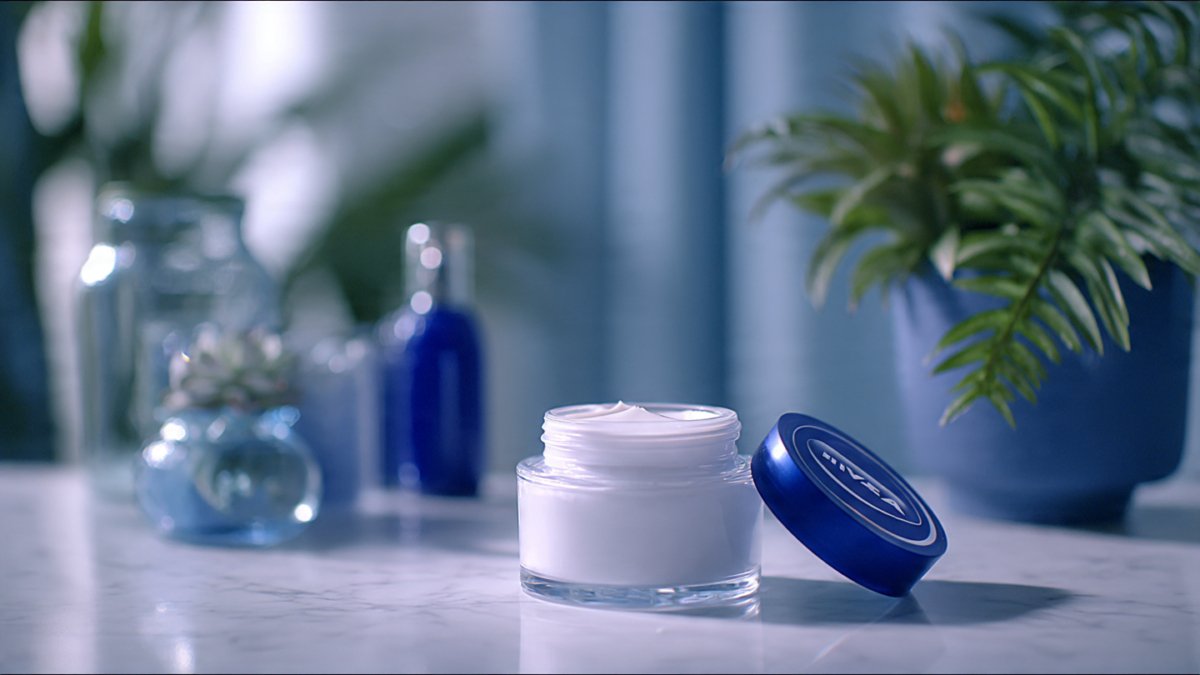
Nivea cream is one of the most recognizable skincare products in the world. Known for its iconic blue tin and its slogan promising “intensive moisture,” the cream has been a household staple for over a century. People trust it for dry skin, chapped hands, rough elbows, and even as a gentle moisturizer for babies. However, despite its widespread popularity, recent expert analyses have raised questions about what’s actually inside this creamy substance—and how it interacts with the skin. The findings may surprise even the most loyal Nivea users.
A Brief History of Nivea Cream
Nivea’s origins date back to 1911 when German chemist Dr. Oscar Troplowitz developed a stable, oil-in-water emulsion that could reliably moisturize the skin without separating. The cream quickly became a commercial success, and the brand expanded globally over the decades. Nivea has long been marketed as a safe, all-purpose moisturizer suitable for all skin types.
Its reputation for reliability has created strong brand loyalty. Many consumers consider it a product that has “stood the test of time,” and it is often the first cream people reach for when dealing with dryness or irritation. However, modern skincare science has evolved dramatically, prompting experts to take a closer look at products like Nivea, which were formulated long before today’s regulations and research methods.
What Experts Look For in a Skincare Product
When dermatologists and cosmetic scientists examine a cream like Nivea, they focus on several key factors:
- Ingredients – Are they safe, effective, and non-irritating?
- Hydration Efficacy – Does the product actually moisturize and improve skin barrier function?
- Potential Irritants or Allergens – Could the cream cause reactions in sensitive skin?
- Long-Term Effects – Does the product promote healthy skin over time or create dependency?
- Chemical Composition – How do preservatives, emulsifiers, and oils interact with the skin?
By evaluating these factors, experts can determine whether a product is just comforting and familiar or genuinely beneficial from a scientific standpoint.

Ingredients Under the Microscope
Nivea cream’s formulation is deceptively simple. The classic version contains ingredients such as:
- Water – The base of the cream, providing hydration.
- Mineral Oil – A petroleum-derived emollient that forms a protective layer on the skin.
- Glycerin – A humectant that attracts water to the skin.
- Eucerit® – An emulsifying agent that stabilizes the oil and water mixture.
- Panthenol – A form of vitamin B5 that promotes skin barrier repair.
- Fragrance – For a classic scent.
On the surface, these ingredients seem harmless and effective. Experts note that mineral oil and glycerin provide a temporary barrier and retain moisture, which can be very useful for dry or rough skin. Eucerit®, unique to Nivea, is considered gentle and stabilizes the emulsion, giving the cream its signature texture.
However, experts caution that some components, particularly mineral oil, have both benefits and potential downsides. Mineral oil is non-comedogenic for most people, meaning it doesn’t clog pores, but it creates an occlusive layer that can trap sweat, dirt, and bacteria. For people with oily or acne-prone skin, prolonged use may exacerbate breakouts.
Fragrance, while subtle, can also be an irritant. Experts note that even low concentrations can trigger reactions in sensitive individuals, including redness, itching, or dermatitis.
What Surprised Experts the Most
One surprising discovery from recent analyses is how Nivea cream interacts with different skin types over time. While it provides instant softness, some experts point out that repeated use can create a temporary reliance on the cream for moisture. This happens because the occlusive layer it forms reduces natural water loss but may also slightly slow the skin’s own lipid production in certain individuals.

Another finding relates to the cream’s protective qualities. While it effectively prevents water loss and shields the skin from environmental pollutants, it does not contain active ingredients like antioxidants or peptides that actively repair skin damage or combat aging. Experts emphasize that while Nivea is excellent for temporary hydration, it may not provide long-term regenerative benefits compared to more modern formulations.
Additionally, the use of mineral oil has been debated for decades. Some critics argue that petroleum derivatives are “unnatural” and could interfere with the skin’s microbiome, while studies show that highly refined mineral oils are safe and non-irritating for most users. This dual perspective surprised experts, revealing that a product can be simultaneously praised and questioned depending on which scientific lens is applied.
Nivea’s Role in Skincare Today
Despite these nuances, experts agree that Nivea cream has a unique place in the skincare world. Its thick, rich texture provides a comforting experience that modern, lightweight creams often lack. For extremely dry, rough, or sensitive skin, especially during winter months, Nivea remains highly effective.
Experts also highlight its versatility. Nivea can be used on hands, elbows, knees, and even as a lip balm or cuticle cream. Its multi-purpose nature explains why generations continue to use it without switching to more specialized products.
However, dermatologists now suggest that for daily facial use, particularly for aging or acne-prone skin, lighter formulations with active ingredients such as hyaluronic acid, niacinamide, or ceramides may offer superior results. Nivea can be used in combination with these modern products to provide intensive moisture when needed.

The Psychology Behind Nivea’s Popularity
Experts also note that part of Nivea’s enduring success is psychological. The familiar blue tin evokes nostalgia and comfort. People associate the cream with care, protection, and childhood memories. This emotional attachment can influence perceived effectiveness. When users feel good using a product, they are more likely to apply it consistently, which in itself contributes to healthier skin.
Moreover, Nivea’s branding emphasizes safety and trust, which encourages consumers to continue using it despite the availability of high-tech alternatives. Experts explain that consistency in skincare routines often matters as much as the ingredients themselves, making Nivea’s simplicity an advantage in some respects.
Expert Recommendations
Experts generally agree that Nivea cream is safe, effective, and useful for a wide range of skin concerns. However, they recommend using it strategically rather than universally:
- For Dry Areas: Use it on elbows, knees, hands, and feet, especially in cold or dry climates.
- As a Night Treatment: Apply a thin layer on the face or body before bed for overnight hydration.
- In Combination: Pair with lighter daily moisturizers for facial care to gain both hydration and skin-repair benefits.
- Patch Test Fragrance: Individuals with sensitive skin should test on a small area to ensure no irritation occurs.
- Occasional Use for Children: Safe for babies and children in small quantities, particularly on rough skin areas.
Experts emphasize that Nivea is less about cutting-edge anti-aging benefits and more about reliable, immediate hydration. Understanding its strengths and limitations allows users to make informed choices.
What This Means for Consumers
For everyday consumers, these expert insights may be eye-opening. Many people use Nivea cream daily without realizing that while it moisturizes effectively, it does not actively repair skin or prevent aging. Those seeking long-term improvements in elasticity, firmness, or acne management may need to incorporate additional products.

On the other hand, the cream’s safety, affordability, and versatility remain unmatched for general hydration purposes. People often overcomplicate skincare, but Nivea’s simplicity proves that basic, effective moisture is still incredibly valuable.
The key takeaway from expert analyses is balance. Nivea cream works best as a reliable, supportive product within a broader, well-rounded skincare routine. It should not be viewed as a one-stop solution but as a foundation for healthy, well-hydrated skin.
Conclusion
Nivea cream continues to be a beloved household product more than a century after its creation. Expert analyses reveal both its strengths and limitations, providing surprising insights for long-time users. While it excels at immediate hydration and protecting skin from dryness, it does not offer advanced anti-aging or regenerative benefits. Its mineral oil base, fragrance, and occlusive nature make it highly effective for some skin types but potentially less ideal for others.
The surprise lies not in danger or harm, but in understanding the nuanced effects a simple, familiar product can have. Nivea cream is safe, versatile, and comforting, but modern skincare science reminds us that even the most trusted classics may benefit from complementary products tailored to individual skin needs.
For consumers, the lesson is clear: Nivea cream remains a valuable ally in daily skincare, but true skin health and long-term beauty may require combining tradition with modern innovation. Its iconic blue tin continues to symbolize trust, simplicity, and care—but informed use ensures it works as effectively as possible for every individual.


Leave A Comment