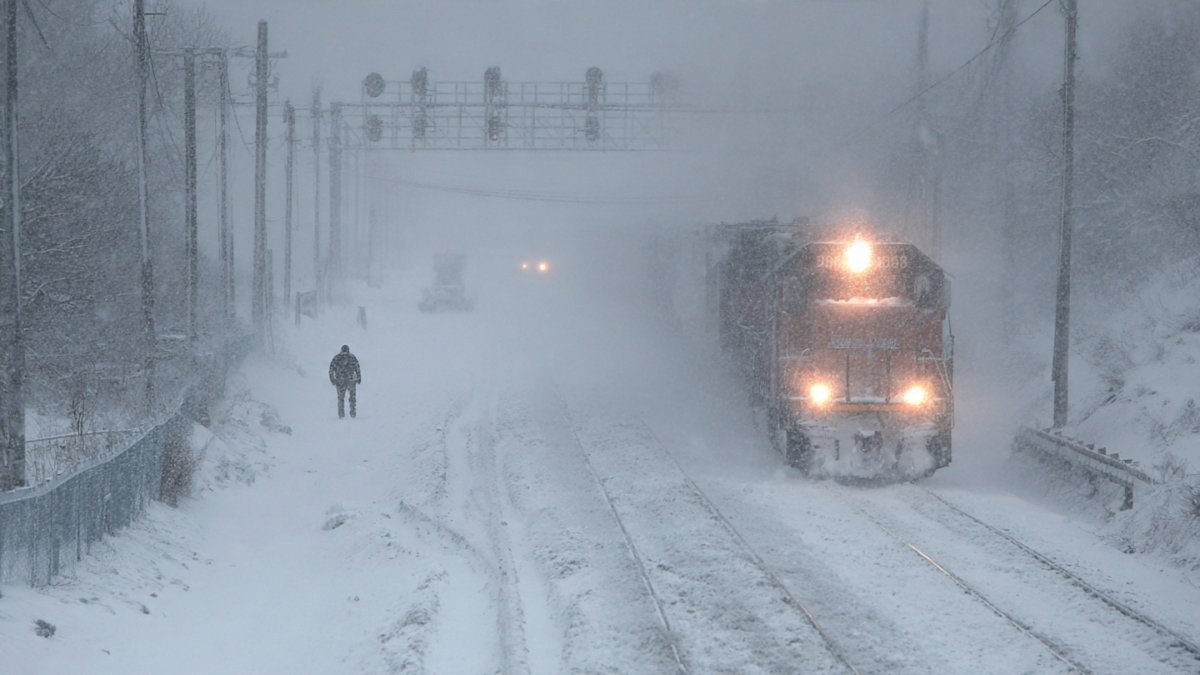
Meteorologists have issued an urgent winter storm warning as a powerful snowstorm threatens to blanket large regions of the Northern Hemisphere with extreme snowfall. Forecasts indicate that some areas could see up to 55 inches of snow, raising serious concerns for transportation, public safety, and infrastructure. Experts warn that this storm could overwhelm roads, highways, and rail networks, disrupting daily life and posing significant risks to residents and travelers.
Winter storms of this magnitude are rare and demand careful preparation. Authorities are urging people to stay indoors, avoid unnecessary travel, and monitor local advisories closely. The storm is expected to intensify over the next 24 to 48 hours, with strong winds and heavy snow combining to create hazardous conditions, including reduced visibility, icy surfaces, and blocked transportation routes.
Understanding the Storm and Its Impacts
A winter storm is defined by heavy snowfall, strong winds, and rapidly dropping temperatures. This storm, in particular, is considered extreme, both in terms of snowfall totals and the expected duration. Snow accumulation of 55 inches or more is enough to paralyze entire communities, making roads impassable and causing disruptions to rail and air travel.
Meteorologists explain that the storm is fueled by a combination of atmospheric conditions, including a deep low-pressure system, moisture-laden air from the south, and a disrupted jet stream. These factors are converging to produce record-breaking snowfall across regions that may not be fully equipped to handle it.
The potential impacts of such a storm extend beyond just transportation delays. Heavy snow can bring down power lines, damage roofs, and increase the risk of accidents. In addition, emergency services may be delayed, making it more difficult to respond to medical or rescue situations.
How Roads and Rail Networks Are Affected
Transportation systems are among the most vulnerable during extreme winter storms. Roads, highways, and rail lines can quickly become treacherous as snow accumulates. Snowplows and salt trucks may struggle to keep up with rapidly falling snow, especially when accumulation exceeds 2–3 inches per hour.

Roads:
- Highways and local roads are expected to be covered in deep snow, reducing traction and increasing the likelihood of accidents.
- Mountain passes and rural routes will be particularly hazardous, with some areas potentially becoming impassable.
- Traffic congestion and delays are anticipated, and authorities may temporarily close major highways to prevent accidents.
Rail Networks:
- Snow and ice accumulation on tracks can disrupt train schedules, halt services, and damage infrastructure.
- Rail operators often face delays in clearing tracks, especially during heavy snowstorms, leading to canceled or delayed services for commuters and freight.
- Urban transit systems may also experience service interruptions, affecting daily commuting and essential travel.
In addition to road and rail challenges, airports are likely to experience cancellations and delays due to snow accumulation and low visibility. Travelers are advised to check flight status frequently and consider postponing non-essential trips.
Preparation and Safety Measures
Given the severity of the storm, experts are emphasizing preparation and safety. Residents in affected areas should take the following steps:
- Stay Informed: Monitor weather updates from reliable sources, including national meteorological agencies and local news outlets. Conditions can change rapidly, so staying updated is crucial.
- Limit Travel: Avoid driving unless absolutely necessary. If travel is unavoidable, ensure vehicles are equipped with winter tires, emergency kits, blankets, food, and water.
- Stock Essentials: Prepare for potential power outages by stocking food, water, medications, batteries, and heating sources.
- Protect Property: Clear snow from roofs, gutters, and driveways to prevent structural damage. Ensure outdoor equipment is secured against high winds.
- Plan for Pets and Vulnerable Individuals: Make sure pets, elderly relatives, and neighbors have adequate shelter, warmth, and supplies.
Communities are also mobilizing emergency response teams and coordinating with transportation agencies to ensure rapid snow removal, power restoration, and emergency services availability.
Record-Breaking Snowfall
Snowfall totals of up to 55 inches are considered extreme even by winter storm standards. For comparison, many regions average less than 30 inches of snow per winter season. Accumulations of this magnitude can bury vehicles, collapse roofs, and make walking outdoors extremely difficult.

Heavy snowfall is not only a logistical challenge—it also poses health risks. Extended exposure to cold can lead to hypothermia or frostbite, while shoveling snow increases the risk of heart strain, particularly for older adults or those with preexisting health conditions.
Transportation Disruptions: What to Expect
Highways and Interstates: Authorities are warning that major highways could become clogged or completely shut down. Snowplows will be deployed, but they may struggle to keep up with the rapid accumulation. Travelers are urged to delay trips and follow detour instructions.
Public Transit: Urban bus services, commuter trains, and subway lines may face delays or temporary suspensions. Snow and ice can interfere with rail switches, signaling systems, and road access to transit hubs.
Air Travel: Airports in the storm’s path are likely to experience flight delays and cancellations. Snow removal crews will work continuously, but visibility issues and frozen runways could disrupt operations. Passengers are advised to monitor airline updates and consider rescheduling travel plans.
Emergency Response and Community Efforts
Local governments and emergency services are taking proactive measures to mitigate the storm’s impact. These include:
- Opening emergency shelters for those who lose power or are stranded.
- Deploying additional snowplows, salt trucks, and emergency vehicles.
- Coordinating with utility companies to restore electricity quickly in the event of outages.
- Providing real-time traffic and road condition updates to help residents navigate safely.
Communities are also encouraging neighbors to check in on vulnerable individuals, including elderly residents, people with disabilities, and those living alone.

Environmental and Long-Term Effects
While winter storms are natural weather events, extreme snowfalls of this magnitude can have lasting environmental and economic consequences.
Infrastructure: Heavy snow can cause structural damage to buildings, power lines, and bridges. Roads and railways may require extended maintenance after the storm passes.
Agriculture: If snow persists or melts rapidly, flooding could threaten crops and farmland, particularly in low-lying areas. Livestock may also face stress from prolonged cold exposure.
Economy: Transportation disruptions can affect commerce, supply chains, and business operations. Delayed shipments, canceled flights, and closed roads can create ripple effects across multiple sectors.
Water Management: Rapid snowmelt following the storm could overwhelm drainage systems and increase the risk of flooding in urban areas.
The Science Behind Extreme Winter Storms
Meteorologists attribute extreme snowfall events like this one to a combination of atmospheric dynamics and environmental factors. Key contributors include:

- Polar Vortex Shifts: Disruptions in the polar vortex can allow cold Arctic air to penetrate further south, creating ideal conditions for heavy snowfall.
- Jet Stream Patterns: A wavy or meandering jet stream can funnel moisture-laden air into regions already experiencing cold temperatures, enhancing precipitation intensity.
- Moisture Availability: Storms that draw on warm, humid air from the south can produce extreme snowfall totals when combined with cold surface temperatures.
- Climate Variability: While winter storms are natural, climate change may influence their frequency, intensity, and geographic reach. Warmer oceans can supply more moisture, leading to heavier snowfalls in affected areas.
Understanding these factors helps forecasters predict the severity and path of storms, allowing communities to prepare in advance.
What Residents Can Do During the Storm
Safety is the top priority. Experts recommend the following actions while the storm is ongoing:
- Stay Indoors: Avoid exposure to extreme cold and snow. Even short periods outside can lead to frostbite or hypothermia.
- Monitor Alerts: Pay attention to emergency broadcasts, road closures, and advisories from local authorities.
- Use Heat Safely: Keep warm using heaters, blankets, and insulated clothing. Ensure proper ventilation to prevent carbon monoxide buildup.
- Avoid Overexertion: Shoveling heavy snow can strain the heart and muscles. Take breaks and use proper techniques.
- Check on Neighbors: Ensure that vulnerable community members are safe and have necessary supplies.
Looking Ahead: Post-Storm Recovery
After the storm, recovery efforts will focus on:
- Clearing snow from major roads, railways, and airports.
- Inspecting and repairing damaged infrastructure.
- Restoring electricity and essential services to affected areas.
- Providing assistance to those impacted by property damage or mobility restrictions.
Communities may face weeks of recovery, particularly in areas where snow accumulations exceed several feet. Preparedness and resilience planning will be key to minimizing long-term disruptions.
Conclusion
The winter storm warning issued for this event is a serious alert. With snowfall potentially reaching up to 55 inches, roads, highways, and rail networks are at risk of being overwhelmed. Residents and travelers must take precautions, monitor updates, and prioritize safety.
Extreme winter storms like this one highlight the need for preparedness, community coordination, and effective emergency response. While the immediate focus is on survival and safety, planning for post-storm recovery is equally critical to restore normalcy and protect infrastructure, transportation systems, and vulnerable populations.

As this storm unfolds, following official guidance, staying indoors, and minimizing travel are essential. By preparing proactively and acting cautiously, communities can navigate this extreme weather event and mitigate its impacts, ensuring that residents remain safe while critical services continue to function.

Leave A Comment