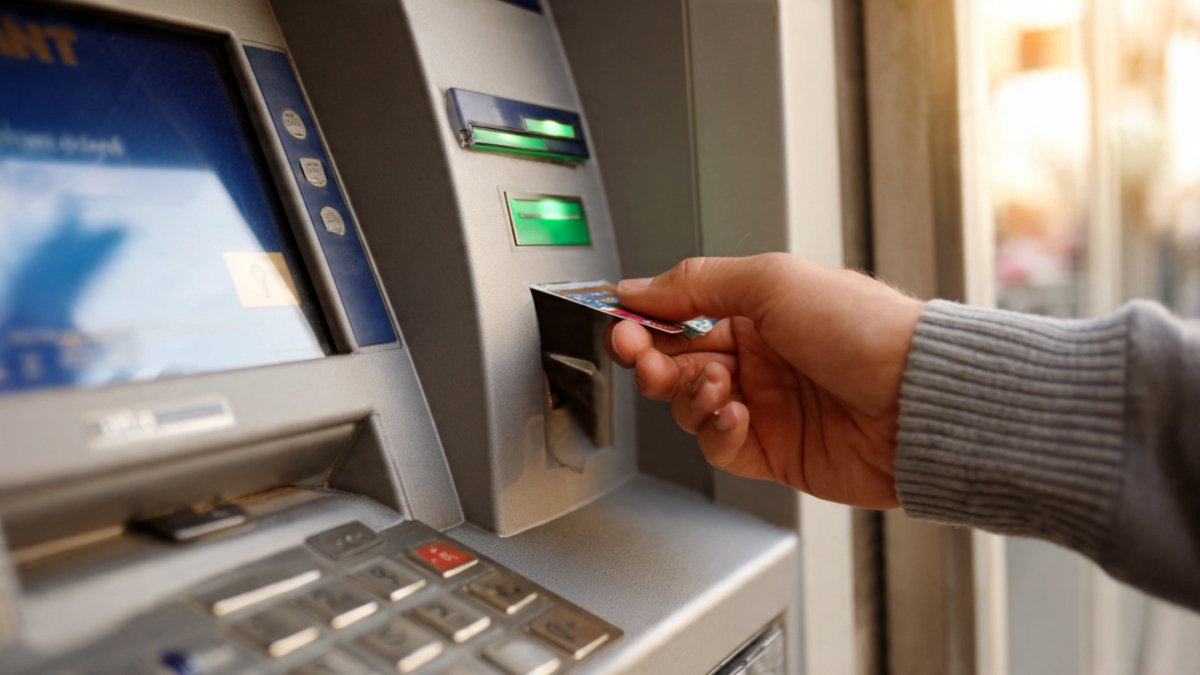
Few experiences are more stressful than having your ATM card suddenly swallowed by the machine. One moment you’re completing a simple withdrawal or balance check, and the next, your card disappears into the slot, leaving you staring in disbelief. While many people immediately call the bank or panic, there is actually a fast technique that can sometimes retrieve your card instantly—even before professional help arrives. Understanding why ATMs retain cards, how to act quickly, and the little-known strategies that can save the day is crucial for anyone who relies on automated banking.
Why ATMs Keep Cards
ATM card retention is not uncommon, and there are several reasons why a machine might “swallow” your card. Understanding these causes can help you respond appropriately:
- Incorrect PIN Entries: Most ATMs retain a card after three consecutive incorrect PIN attempts to prevent fraud.
- Expired or Damaged Cards: A worn magnetic strip, scratched chip, or bent card can trigger the retention mechanism.
- Suspected Fraud or Security Alerts: Banks monitor unusual activity. If the system flags your transaction as suspicious, the card may be captured to prevent unauthorized withdrawals.
- Machine Malfunctions: Mechanical issues or software glitches can cause cards to jam inside the ATM.
- Card Left in the Machine Too Long: Many machines have sensors that detect when a card remains in the slot after a transaction. If not removed promptly, the card is retained automatically.
Knowing the reason behind retention helps you approach the situation rationally rather than panicking.
Immediate Steps to Take
When an ATM keeps your card, acting quickly is critical. Here’s the step-by-step approach for a fast resolution:
- Stay Calm: Panic can lead to hasty actions that may damage the machine or card. Take a deep breath.
- Do Not Attempt to Pull the Card Out Forcefully: Tugging can jam the mechanism or trigger the ATM’s security alarm.
- Check the On-Screen Instructions: Modern ATMs often display a message explaining why the card was retained and suggest what to do next.
- Press the Cancel or Help Button: This is the little-known technique many users overlook. Pressing the red “Cancel” button—or the “Help” button, often marked with a question mark or labeled “Assistance”—can sometimes prompt the machine to eject the card immediately.
In many cases, pressing this button pauses the transaction, resets the mechanism, and allows the card to slide out automatically. This fast action can often retrieve your card before a bank representative needs to intervene.

The Little-Known Button Trick
Every ATM is equipped with buttons beyond the standard numeric keypad, yet most users are unaware of their purpose. The key buttons to remember are:
- Cancel Button (Red or Yellow): Stops the current transaction and, in some machines, triggers card release if it was temporarily held.
- Help or Assistance Button: Connects you to the bank’s monitoring system or provides on-screen instructions for card retrieval. Some machines even display a step-by-step guide for ejecting a retained card.
- Clear Button (Yellow or Orange): Often clears data entry errors but in some models can also reset the card slot mechanism.
Pressing these buttons immediately after your card is retained can save valuable time and reduce the stress of waiting for a bank official.
Step-by-Step Fast Technique
Here’s a reliable technique to attempt immediate retrieval:
- Do Not Move Away From the ATM: Staying nearby ensures the machine recognizes your presence. Some ATMs automatically capture cards if the user leaves.
- Press Cancel or Help Once: Wait a few seconds after pressing to allow the machine to process the request. Avoid repeated rapid pressing, which can confuse the system.
- Gently Wiggle the Card Slot Area: In some cases, a minor adjustment or tapping near the slot (without inserting any foreign objects) helps the mechanism release the card.
- Watch for the Card Ejection: Many ATMs will eject the card partway into the tray. Be ready to retrieve it carefully.
- Use the On-Screen Guidance: Follow any instructions provided by the machine after pressing “Help” or “Cancel.”
This technique works best for temporary retention caused by software or mechanical errors rather than fraud alerts or repeated PIN mistakes.
Contacting Your Bank
If the card does not eject using the fast technique, contacting your bank promptly is essential:

- Call the Number Displayed on the ATM: Provide your location, time of transaction, and any on-screen messages.
- Follow Bank Instructions: They may remotely release the card or guide you to retrieve it from a branch.
- Request a Replacement Card if Needed: If the ATM cannot return your card immediately, banks typically issue a replacement within a few business days.
Even if you retrieve the card instantly, alerting the bank is a good precaution, especially if the retention was caused by suspected fraud or a machine malfunction.
Preventing ATM Card Retention
Prevention is always preferable to dealing with a stuck card. Simple habits can significantly reduce the risk:
- Check the ATM Before Use: Avoid machines that appear tampered with or suspicious.
- Enter Your PIN Carefully: Avoid repeated errors that could trigger retention.
- Keep Your Card in Good Condition: Replace worn or damaged cards before they cause problems.
- Remove Your Card Promptly: Do not get distracted while completing transactions.
- Prefer Bank-Branch ATMs: Machines inside branches are more likely to function properly and provide staff assistance if needed.
Adopting these practices minimizes the likelihood of an ATM keeping your card in the first place.
Understanding Security Retention
Sometimes ATMs retain cards intentionally for security reasons. For example:
- Fraud Prevention: If unusual activity is detected, the card may be captured to prevent unauthorized transactions.
- Expired or Blocked Cards: The machine automatically retains cards reported lost, stolen, or blocked.
In these scenarios, immediate retrieval may not be possible. Contacting the bank ensures your account is protected and helps you get a replacement card quickly.

Real-Life Experiences
Many users have successfully retrieved their cards using the fast technique. For instance, a shopper in a busy mall noticed their card was swallowed after a routine withdrawal. By pressing the “Cancel” button once and waiting a few seconds, the card slid back into the tray, saving a trip to the bank branch.
In another case, a user at a supermarket ATM used the “Help” button, which displayed a reference number for card retrieval. The machine ejected the card within moments, demonstrating the value of knowing these hidden features.
These examples highlight that calm, informed action is far more effective than panic or forceful attempts.
Handling Card Retention Emergencies
Even with the fast technique, it’s wise to be prepared for emergencies:
- Carry a Backup Payment Method: Keep a secondary card or mobile payment option in case your primary card is retained.
- Monitor Your Account: Check for unusual transactions, especially after a card retention event.
- Keep Bank Contact Info Handy: Saving your bank’s 24/7 hotline allows you to respond quickly if the card is not immediately retrieved.
Being prepared ensures that even if the fast technique does not work, you can minimize disruption.

Why Knowing This Technique Matters
The ability to retrieve your card instantly before help arrives can save time, reduce stress, and prevent potential financial inconvenience. In busy shopping areas, during peak hours, or in remote ATM locations, waiting for assistance can take anywhere from several minutes to hours.
By learning this fast technique and remembering the key buttons, users can regain control quickly. It’s a simple, practical skill that every bank customer should know.
Summary of the Fast Technique
When an ATM keeps your card, follow these steps:
- Stay calm and remain at the machine.
- Press the “Cancel” or “Help” button once.
- Wait a few seconds for the machine to respond.
- Gently check the slot area if necessary, without forcing anything.
- Retrieve your card when it appears.
- Contact your bank if the card is not released or for security verification.
These steps, combined with preventative measures, dramatically reduce the inconvenience and stress of ATM card retention.
Final Thoughts
ATM card retention can feel alarming, but it is usually a protective measure or a temporary technical issue. Knowing the fast technique to retrieve your card instantly—and understanding the little-known buttons most users overlook—turns a potentially frustrating event into a manageable situation.

By staying calm, using the cancel or help functions, and following safe procedures, you can often recover your card in seconds, avoid unnecessary trips to the bank, and continue with your day uninterrupted.
Remember, preparation, knowledge, and quick action are the keys to staying in control when your card disappears into the ATM. The next time your card is retained, this fast technique could be the difference between a stressful ordeal and a simple, solved situation.

Leave A Comment