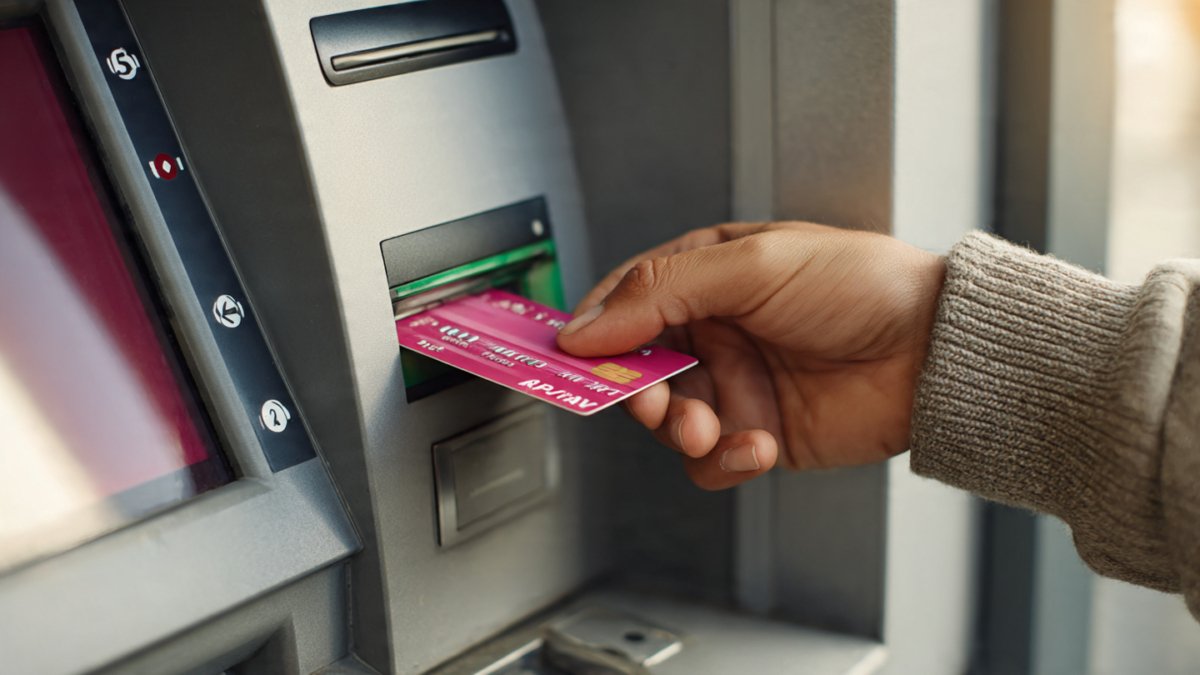
There’s a moment every bank customer dreads: you insert your card into an ATM, complete your transaction, and instead of it popping back out, the machine swallows it. Your first instinct might be panic or frustration, but knowing exactly what to do—and the little-known button most ATMs have—can save you time, stress, and possibly a trip to the bank branch. Understanding the mechanics, the bank protocols, and the steps you can take immediately is key to recovering your card safely and efficiently.
Why ATMs Sometimes Keep Your Card
ATMs are designed to be secure, but a variety of situations can lead to a card being retained. Some of the most common reasons include:
- Incorrect PIN Attempts: Most ATMs will automatically retain your card after three consecutive incorrect PIN entries. This prevents fraud and protects your account.
- Expired or Damaged Cards: Worn-out magnetic strips or chips can cause the machine to reject a card repeatedly, prompting it to keep the card for safety.
- Suspected Fraud or Security Alerts: If the bank’s system detects unusual activity, the ATM may capture the card to prevent unauthorized transactions.
- Machine Malfunctions: Occasionally, the ATM itself may experience jams or software glitches that prevent the card from being returned.
- Card Left in the Machine Too Long: Many ATMs have sensors that detect when a card has not been removed after a transaction, especially at banks where cards are automatically captured if forgotten for a set period.
Understanding why the ATM may keep your card is the first step in knowing how to respond calmly and effectively.
Immediate Steps to Take When Your Card Is Retained
The moment your card disappears into the ATM, acting quickly is crucial. Here’s a step-by-step guide to ensure you handle the situation correctly:

- Stay Calm and Do Not Leave: Panic can lead to mistakes. Remain at the ATM and assess the situation.
- Check for On-Screen Instructions: Many modern ATMs display clear messages if a card has been retained. Follow the prompts carefully. Often, the screen will direct you to press a specific button for further assistance.
- Locate the “Cancel” or “Help” Button: Here’s the little-known trick most users overlook. Nearly all ATMs have a “Cancel,” “Clear,” or “Help” button, usually marked with a red, yellow, or green symbol. Pressing this button immediately after the card is retained can trigger the ATM to release the card in some cases or provide instructions for next steps.
- Note the ATM Details: Record the location, machine ID (usually printed on the ATM or displayed on-screen), and the time of the incident. This information is vital when reporting the issue to your bank.
- Check for Receipts: If the machine prints a receipt, keep it. It may include reference numbers to assist with the retrieval process.
Contacting Your Bank
If your card isn’t returned immediately, contacting your bank is the next critical step. Most banks have 24/7 customer service for ATM issues, and they can guide you through card retrieval.
- Call the Number Listed on the ATM or Your Bank Card: Explain that the ATM retained your card. Provide the machine’s location, transaction time, and any on-screen messages.
- Follow Bank Instructions: The bank may request that you visit a branch, especially if the ATM is outside regular banking hours. In urgent cases, they can block the card remotely to prevent unauthorized transactions.
- Request a Replacement Card if Necessary: If the ATM is unable to return the card immediately, banks will usually issue a replacement within a few business days.
Using the Hidden ATM Features
Many users are unaware of the ATM’s built-in features that help recover a retained card. These features include:
- The Help/Cancel Button: This button can pause the transaction, provide instructions, or prompt the machine to eject the card if the retention was due to a temporary error. Press it once, then wait a few moments for the machine to respond.
- On-Screen Assistance Menus: Modern ATMs often have an “Assistance” or “Info” option. Selecting this menu can connect you with the bank’s monitoring system, sometimes even allowing for a remote release of your card.
- Receipt Options: If the machine asks whether you want a receipt, always select “Yes.” The receipt may contain a card retrieval code or reference number used by the bank to locate your card quickly.
These little-known features exist to prevent panic and provide an immediate resolution, but they often go unnoticed by customers in stressful situations.
How to Prevent ATM Card Retention
Prevention is always better than recovery. Here are practical tips to reduce the risk of losing your card at an ATM:

- Inspect the ATM Before Use: Look for skimmers or signs of tampering. A suspicious machine may retain cards for fraudulent purposes.
- Avoid Repeated Incorrect PIN Attempts: Enter your PIN carefully. If unsure, stop and double-check your card and account details.
- Keep Your Card in Good Condition: Replace worn cards before they become unreadable. Avoid bending or scratching the magnetic strip or chip.
- Remove Your Card Promptly: Don’t get distracted while using the ATM. Take your card immediately after your transaction is completed.
- Use Bank-Branch ATMs When Possible: ATMs located inside banks are less likely to malfunction and more likely to provide assistance quickly.
When the ATM Retains Your Card for Security
In some cases, the ATM retains a card for security reasons rather than technical failure. This usually happens when there is suspected fraudulent activity or if the card has been reported lost or stolen. In these scenarios:
- Do Not Panic: The card is retained to protect your account.
- Contact the Bank Immediately: They will verify your identity and guide you through card replacement.
- Monitor Your Account: Check for unauthorized transactions and report them promptly.
By understanding that retention can sometimes be a protective measure, you can approach the situation calmly and take appropriate steps.
Real-Life Scenarios
Many people have faced ATM card retention and discovered the value of quick thinking. For instance, a user at a busy shopping mall noticed the ATM swallowed her card after entering her PIN. Instead of leaving, she pressed the “Cancel” button, waited for the on-screen instructions, and within minutes was able to retrieve her card with the assistance of the bank’s monitoring team.
Another case involved a man whose card was retained due to a chip error. By pressing the hidden “Help” button, the machine displayed a reference number, which he later used at his bank branch to recover the card without waiting for days. These examples highlight that knowing the little tricks and features built into ATMs can save time and prevent stress.

The Importance of Staying Calm
Panicking when an ATM retains your card can make the situation worse. Some people immediately try to pull the card out manually, which can damage both the card and the machine, and in some cases, even trigger alarms. Staying calm, following the on-screen instructions, and using the correct buttons ensures the process is safe.
Even if the card cannot be retrieved immediately, remaining composed allows you to act efficiently. Contacting the bank with the necessary information, noting the ATM location, and using available ATM features all increase the likelihood of a quick recovery.
Summary: Quick Moves That Work
When your card is swallowed by an ATM, here’s a concise plan of action:
- Stay calm and don’t leave the ATM.
- Press the “Cancel” or “Help” button immediately.
- Follow any on-screen instructions carefully.
- Record the ATM details and time of transaction.
- Contact your bank’s customer service promptly.
- Request a replacement card if necessary.
These steps, combined with preventative measures, dramatically reduce the inconvenience and risk associated with card retention.

Final Thoughts
ATM card retention is a common but manageable issue. With knowledge of the little-known buttons, on-screen assistance, and proper bank procedures, most cards can be recovered quickly and safely. The key is to act deliberately, follow the correct steps, and remain calm.
Remember, ATMs are designed to protect both your card and your account. What feels like a sudden crisis is often a precautionary measure, and banks are equipped to resolve these situations efficiently.
By understanding the system, using the hidden features, and knowing the quick moves to recover your card, you can turn a potentially stressful experience into a simple, manageable process. This small awareness can save you hours of frustration and ensure your banking continues smoothly, even when the machine tries to “keep” your card.


Leave A Comment