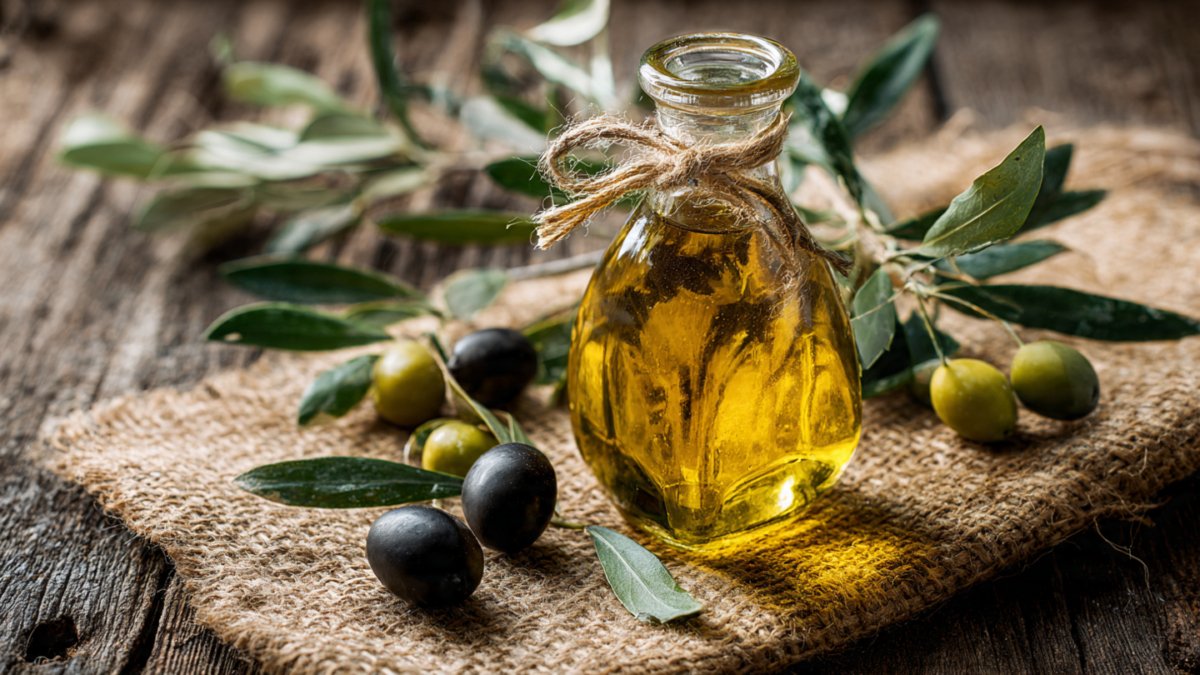
Olive oil has long been hailed as the cornerstone of healthy cooking. Touted for its heart-friendly monounsaturated fats, antioxidants, and anti-inflammatory properties, it has become a kitchen staple across the globe. From drizzling over salads to frying vegetables and marinating meats, olive oil seems indispensable. However, recent studies, coupled with soaring prices and supply chain challenges, have led both nutritionists and home cooks to rethink its place in the kitchen. Surprisingly, there are alternatives that not only match or exceed olive oil in health benefits but also come at a fraction of the cost.
For many households, especially those conscious of budget and health, exploring these substitutes is no longer a matter of luxury—it’s a practical choice. This article dives deep into why olive oil might not always be the best option, introduces the healthiest and cheapest alternatives, and explains how to incorporate them seamlessly into everyday cooking.
Why Some Experts Are Saying Goodbye to Olive Oil
Despite its reputation, olive oil is not flawless. Several factors have prompted experts and nutrition-conscious families to reconsider its use:
1. Rising Costs
Global demand for olive oil has surged, leading to significant price increases. Extra virgin olive oil, prized for its taste and nutrients, is often the most expensive option, sometimes costing several times more than common vegetable oils.
2. Adulteration and Quality Concerns
Studies have shown that a significant portion of commercially sold olive oil is either diluted with cheaper oils or mislabelled. This compromises both flavor and health benefits. For consumers who want genuine extra virgin olive oil, sourcing can be tricky and expensive.
3. Cooking Limitations
While olive oil is great for raw applications and low-heat cooking, it has a relatively low smoke point compared to other oils. High-heat frying can degrade its nutrients and produce harmful compounds.

4. Nutritional Alternatives Exist
Modern research shows that many other plant-based oils provide similar, or even better, health benefits. These oils can be cheaper, versatile, and equally heart-friendly.
The Healthiest and Cheapest Olive Oil Alternatives
Here are some exceptional oils and fats that can replace olive oil without compromising health or taste:
1. Coconut Oil
Coconut oil has been gaining popularity in recent years due to its unique fatty acid profile. While it contains saturated fat, most of these are medium-chain triglycerides (MCTs), which are metabolized differently than long-chain fats. MCTs are rapidly converted into energy and may boost metabolism.
Benefits:
- Supports brain health
- Can improve cholesterol ratios when used moderately
- High smoke point makes it suitable for frying and baking
How to Use: Coconut oil works well for sautéing vegetables, roasting, and even in baked goods. Its subtle tropical flavor pairs beautifully with curries and desserts.
2. Canola Oil
Canola oil is a versatile and inexpensive alternative that is low in saturated fat and high in heart-healthy monounsaturated fats. It also contains omega-3 fatty acids, which are essential for cardiovascular health.

Benefits:
- Affordable and widely available
- Neutral flavor suitable for all types of cooking
- High smoke point allows frying and grilling
How to Use: Canola oil is ideal for stir-frying, deep-frying, and even making salad dressings when combined with lemon juice or vinegar.
3. Sunflower Oil
Sunflower oil is another budget-friendly option with high levels of vitamin E, an antioxidant that supports skin health and immunity. It has a light flavor and moderate smoke point, making it versatile in both cooking and baking.
Benefits:
- Rich in antioxidants
- Supports heart health
- Affordable and easy to find
How to Use: Sunflower oil is great for everyday frying, sautéing, and salad dressings. Opt for cold-pressed sunflower oil for maximum nutrient retention.
4. Peanut Oil
Peanut oil is not only economical but also offers a high smoke point, making it perfect for frying. It is rich in monounsaturated fats, which promote heart health.

Benefits:
- Excellent for high-heat cooking
- Contains resveratrol, a natural antioxidant
- Affordable in most countries
How to Use: Peanut oil is perfect for deep-frying, stir-frying, and Asian cuisine. Its mild nutty flavor enhances the taste of many dishes.
5. Avocado Oil
Although slightly more expensive than other alternatives, avocado oil is often cheaper than premium olive oil while offering superior nutritional benefits. It has a very high smoke point and is loaded with monounsaturated fats.
Benefits:
- Extremely heart-healthy
- Ideal for high-heat cooking
- Anti-inflammatory properties
How to Use: Avocado oil works well for roasting, grilling, and as a base for dressings and marinades.
6. Ghee (Clarified Butter)
Ghee has been used for centuries in Indian kitchens. It is made by simmering butter to remove water and milk solids, leaving behind pure fat. Though rich in saturated fat, ghee is stable at high temperatures and contains antioxidants like vitamin A and conjugated linoleic acid (CLA).

Benefits:
- High smoke point suitable for frying and baking
- Rich, nutty flavor enhances dishes
- May support digestion and immunity
How to Use: Ghee is excellent for sautéing, making traditional dishes, or even drizzling over steamed vegetables. Its rich taste can sometimes replace olive oil in salads for a unique flavor twist.
How to Choose the Best Alternative for Your Kitchen
Selecting the right olive oil substitute depends on your cooking style, health goals, and budget. Here are some tips:
1. Consider the Cooking Temperature
- High-heat cooking: Peanut oil, canola oil, avocado oil, ghee
- Medium-heat: Sunflower oil, coconut oil
- Low-heat or raw: Coconut oil, avocado oil
2. Think About Flavor
Some oils, like coconut or peanut oil, have distinctive flavors. Choose neutral oils like canola or sunflower if you want a subtle taste.
3. Factor in Cost
For daily cooking on a budget, canola, sunflower, and peanut oils are economical. Ghee and avocado oil can be used strategically for special dishes.
4. Balance Nutrition
Aim for oils rich in monounsaturated and polyunsaturated fats, while moderating saturated fats. Rotating different oils can provide a range of nutrients.

Simple Swaps in Everyday Cooking
Here’s how to replace olive oil in common kitchen tasks:
- Salad Dressings: Replace olive oil with avocado oil or sunflower oil. Add lemon juice, mustard, or herbs for flavor.
- Sautéing Vegetables: Use coconut oil, canola, or ghee. Heat the oil to the desired temperature and add vegetables.
- Frying: Peanut, canola, or sunflower oil are perfect due to their high smoke points.
- Baking: Coconut oil or ghee can replace olive oil for added richness.
- Marinades: Avocado oil or canola oil work well for meat or vegetable marinades.
These simple swaps make it possible to enjoy healthy, flavorful meals without relying on expensive olive oil.
Final Thoughts: A Healthier, Budget-Friendly Choice
While olive oil will always have a place in culinary traditions, it is no longer the only option for healthy cooking. Affordable and nutritious alternatives like canola, sunflower, peanut, coconut, avocado oils, and ghee provide similar or even superior benefits depending on the context. They are versatile, budget-friendly, and suitable for a wide range of cooking techniques.
By exploring these alternatives, home cooks can save money without sacrificing health. They can also experiment with flavors and textures, creating dishes that are both nutritious and delicious. Whether you are frying, baking, sautéing, or dressing a salad, there is an olive oil substitute that fits your needs.
Saying goodbye to olive oil doesn’t mean compromising your health—it means making smarter, more practical choices for your kitchen, wallet, and well-being. With the right substitute, you can enjoy all the benefits of healthy fats without the inflated price tag or the limitations of olive oil.

Leave A Comment