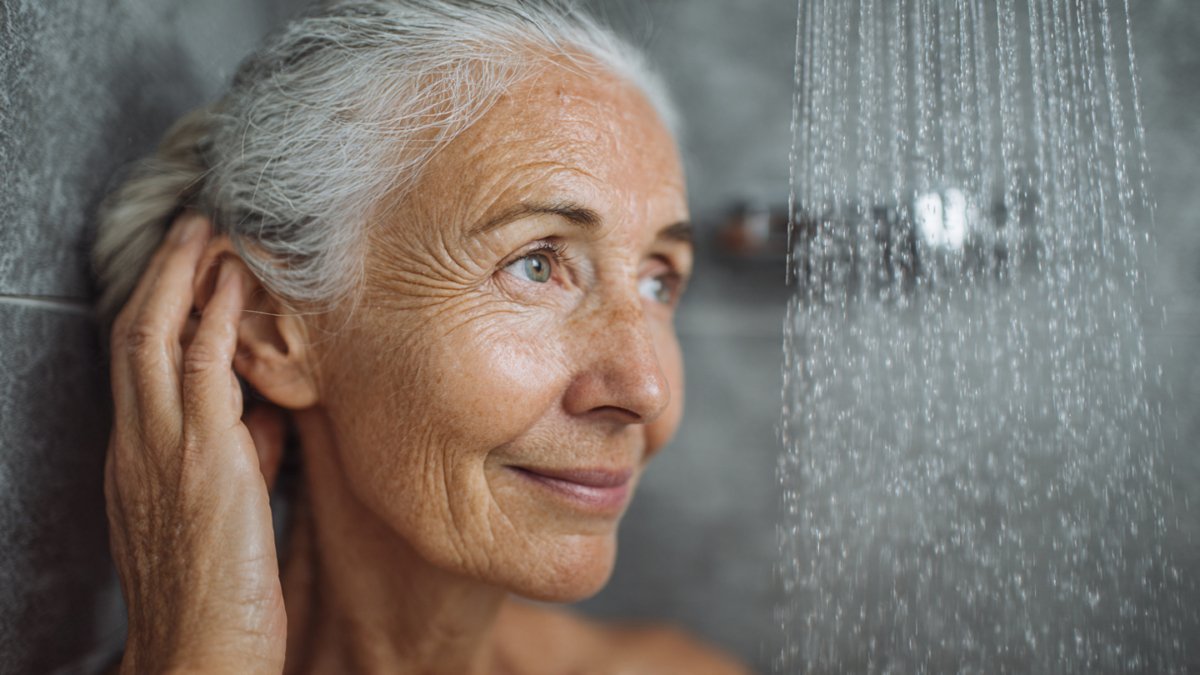
Maintaining personal hygiene is essential at any age, but as we enter our senior years, it becomes even more important for both physical health and emotional well-being. For those over 65, the question of how often to shower may seem simple—but the answer is surprisingly nuanced. Health experts now suggest that neither once-daily showers nor weekly baths are ideal. Instead, there’s a balance that keeps the skin healthy, prevents infections, and supports overall well-being.
Why Hygiene Changes with Age
As we age, our bodies undergo several changes that directly affect hygiene needs. Skin becomes thinner and drier due to reduced natural oil production. Sweat glands function less efficiently, which means older adults often feel less sweaty but are still susceptible to bacterial growth. Additionally, immune system efficiency declines, making seniors more vulnerable to infections from bacteria or fungi that might otherwise be harmless.
Other factors include mobility limitations, chronic illnesses, and medication side effects, which may make bathing more physically challenging. These changes mean that personal hygiene routines for seniors must be thoughtfully tailored.
The Myth of “Daily Showers”
For decades, the prevailing advice has been to shower daily. However, research shows that daily showers can actually harm older skin. Excessive washing removes natural oils that protect against dryness and irritation. Frequent hot water exposure can exacerbate conditions like eczema or cause pruritus—a persistent itchy sensation common among seniors.
Daily scrubbing may also damage sensitive skin, increasing the risk of small cuts or abrasions that could become infected. For seniors taking medications that thin the skin or compromise immunity, these seemingly minor injuries can pose a serious health risk.

The Risk of “Weekly Showers”
On the other end of the spectrum, showering only once a week can create its own set of problems. Sweat, skin oils, and dead cells can accumulate, providing a breeding ground for bacteria and fungi. This can lead to body odor, fungal infections such as athlete’s foot or candidiasis, and an increased risk of urinary tract infections (UTIs), which are already more common in older adults.
Reduced hygiene can also have social consequences. Seniors who smell unpleasant may experience embarrassment, social isolation, or anxiety, all of which can affect mental health and quality of life.
Finding the Ideal Shower Frequency
Health experts generally recommend showering two to four times per week for most older adults. This frequency strikes a balance: it is enough to remove sweat, bacteria, and dirt, while not over-stripping the skin of essential oils.
Several factors influence the exact frequency:
- Activity Level – Seniors who are more physically active, engage in gardening, or live in hot climates may need additional showers to stay clean.
- Medical Conditions – Conditions like diabetes, incontinence, or skin infections may require more frequent bathing or targeted cleaning of certain areas.
- Skin Type – Those with very dry or sensitive skin may benefit from fewer showers and the use of moisturizing cleansers.
- Mobility and Safety – Seniors with limited mobility may use sponge baths, wet wipes, or partial showers to maintain hygiene without risking slips or falls.
Tips for Safe and Healthy Bathing
Besides frequency, how seniors shower is equally important for maintaining health:

- Use Lukewarm Water – Hot water can strip natural oils, worsen dryness, and increase the risk of burns.
- Choose Gentle Cleansers – Avoid harsh soaps; opt for mild, fragrance-free body washes designed for sensitive skin.
- Focus on Key Areas – Clean underarms, groin, feet, and face daily if possible, even if full showers are less frequent. These areas are more prone to odor and infection.
- Moisturize Immediately – Applying a gentle moisturizer right after showering locks in hydration, reducing dryness and irritation.
- Consider Bathing Aids – Grab bars, non-slip mats, and shower chairs improve safety and allow seniors to bathe independently.
- Partial Baths – On non-shower days, washing the face, hands, and intimate areas with a warm cloth helps maintain hygiene without a full shower.
Special Considerations for Older Adults
Certain health conditions common after 65 affect how seniors should approach hygiene:
Diabetes
High blood sugar levels increase the risk of skin infections and slow healing. Seniors with diabetes should check feet daily and avoid harsh scrubbing to prevent injury.
Incontinence
For seniors experiencing urinary or fecal incontinence, daily cleaning of the affected areas is crucial, even if a full shower isn’t taken. Barrier creams can prevent irritation.
Skin Conditions
Eczema, psoriasis, and other chronic skin conditions are more prevalent with age. Short, lukewarm showers with gentle cleansers, followed by moisturizing, are recommended.
Immune System Decline
Because older adults are more prone to infections, maintaining regular hygiene reduces the risk of bacterial or fungal complications.

Mental and Emotional Benefits of Regular Hygiene
Showering isn’t only about physical health—it also affects mental well-being. Cleanliness promotes a sense of dignity and self-worth, which is especially important as seniors face social changes or health challenges. Regular hygiene can also improve sleep quality, as warm showers can relax muscles and soothe tension before bedtime.
Social confidence is another factor. Seniors who feel clean are more likely to engage in community activities, visit friends, and maintain an active lifestyle—all key elements of healthy aging.
Alternatives When Full Showers Are Difficult
For seniors with mobility limitations or chronic illnesses, daily or even frequent showers may not be feasible. Alternative hygiene strategies include:
- Sponge Baths – Use warm water and gentle cleansers on critical areas.
- No-Rinse Cleansing Wipes – Convenient for daily freshness.
- Dry Shampoo – Helps maintain scalp cleanliness without frequent hair washing.
- Foot Care – Soak and clean feet regularly to prevent fungal infections and odor.
These methods allow seniors to maintain personal hygiene safely while minimizing strain or risk of falls.
When to Seek Medical Advice
Sometimes changes in skin, odor, or bathing habits can signal underlying health issues. Seniors should consult healthcare providers if they notice:

- Persistent itching or rashes
- Unexplained body odor
- Skin infections or slow-healing wounds
- Painful bathing or mobility issues
Early intervention can prevent minor problems from escalating into serious health concerns.
Integrating Hygiene Into Daily Life
For older adults, hygiene routines should be flexible yet consistent. Setting a regular schedule—such as showering on Mondays, Thursdays, and Saturdays—can make it easier to remember. Pairing showers with other self-care tasks like hair washing or nail trimming ensures a complete approach.
Family members and caregivers can assist by creating safe environments, offering gentle reminders, and helping with bathing aids. Encouragement rather than criticism is essential to maintaining autonomy and dignity.
Conclusion: A Balanced Approach to Senior Hygiene
For seniors over 65, the optimal shower frequency is not daily, nor is it weekly—it is typically two to four times per week, adjusted based on individual health, activity levels, and skin needs. This schedule maintains cleanliness, supports healthy skin, and reduces the risk of infections while avoiding the pitfalls of over-washing.
Hygiene in older age is about more than just cleanliness. It promotes physical health, mental well-being, safety, and social confidence. With proper planning, gentle cleansing routines, and appropriate bathing aids, seniors can enjoy the benefits of regular hygiene without compromising skin integrity or safety.

Ultimately, personal hygiene after 65 is a balance—between keeping clean, protecting the skin, and preserving comfort and independence. By understanding the body’s changing needs, older adults can establish routines that keep them healthy, confident, and feeling their best every day.

Leave A Comment